

Arthritis in 2026: Your Complete Guide to Types, Symptoms, and Living Well

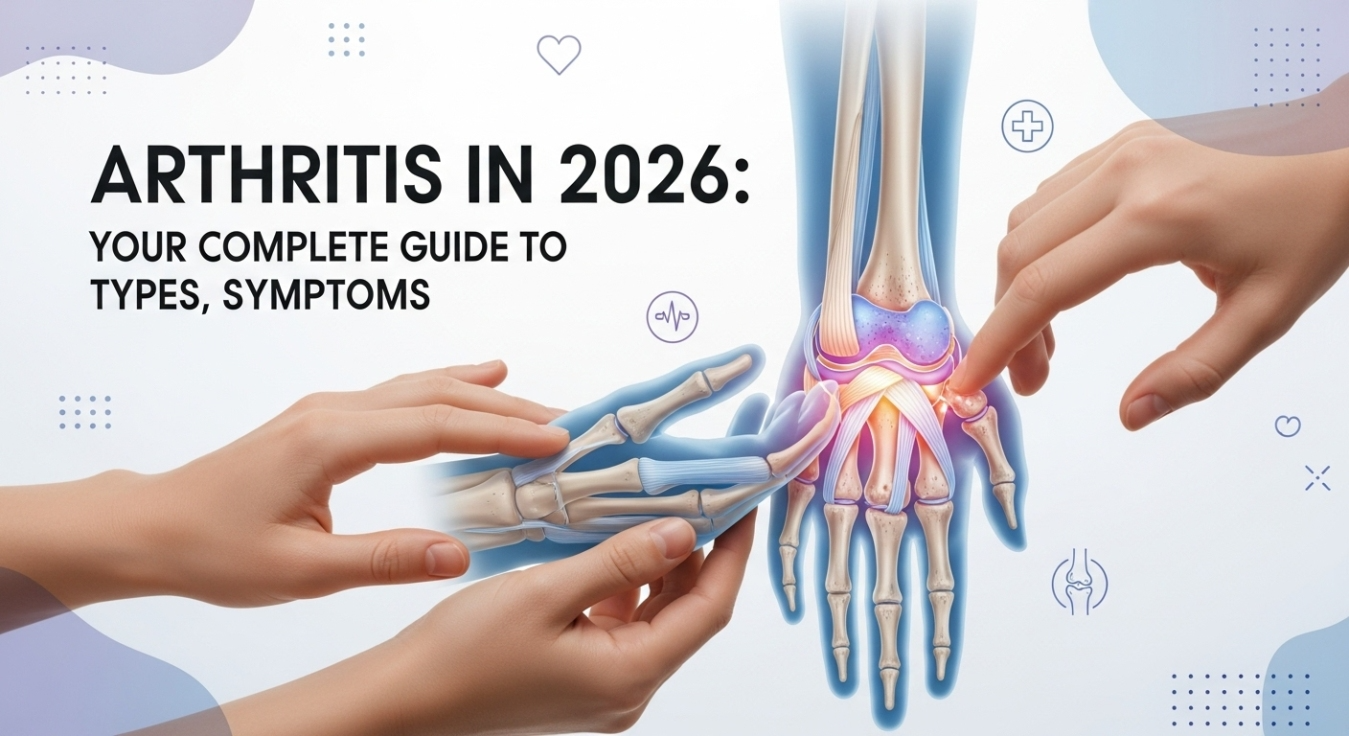
Introduction
If you’re one of the millions searching for answers to joint pain and stiffness, you’ve likely asked yourself: “Is this arthritis?” The term “arthritis” itself can feel overwhelming, shrouded in confusion and fear. But here’s the most important thing to know: An arthritis diagnosis is not an end to an active, fulfilling life. It’s the beginning of a new, more informed chapter.
This definitive guide for 2025 cuts through the noise. We will demystify the complex world of arthritis, from understanding the different types and recognizing early symptoms to exploring the latest treatment options and powerful daily strategies for not just surviving, but thriving.
What Exactly Is Arthritis? More Than Just “Wear and Tear”
Arthritis isn’t a single disease. It’s an informal way of referring to joint pain or joint disease, and it encompasses over 100 different conditions. The common thread is inflammation affecting one or more joints, leading to pain, stiffness, and often swelling.
Think of it in two main categories:
- Mechanical Arthritis (Osteoarthritis): The “wear-and-tear” type, where cartilage—the slippery tissue that cushions the ends of bones—breaks down.
- Inflammatory Arthritis (Autoimmune): Conditions where the body’s immune system mistakenly attacks its own joints, causing uncontrolled inflammation.
Understanding which type you have is the critical first step toward effective arthritis management and treatment.
The Major Types of Arthritis: Know the Difference
While there are many forms, these are the most common types of arthritis you should know about.
1. Osteoarthritis (OA)
- What it is: The most prevalent form of arthritis, OA is a degenerative condition. The protective cartilage that cushions the ends of your bones wears down over time, leading to pain, swelling, and bone-on-bone friction.
- Who it affects: Primarily older adults, but it can occur at any age due to joint injury or overuse.
- Commonly Affected Joints: Hands, knees, hips, and spine.
2. Rheumatoid Arthritis (RA)
- What it is: A chronic autoimmune and inflammatory disease. The immune system attacks the lining of the joints (the synovium), causing painful swelling that can lead to bone erosion and joint deformity. It’s a systemic disease, meaning it can affect other organs like the heart, lungs, and eyes.
- Who it affects: It can affect people of all ages, and is more common in women.
- Commonly Affected Joints: Often affects smaller joints first (fingers, toes) in a symmetrical pattern (both sides of the body).
3. Psoriatic Arthritis (PsA)
- What it is: Another autoimmune form of inflammatory arthritis that occurs in some people with the skin condition psoriasis. It can affect the skin, joints, and areas where tendons and ligaments attach to bone (entheses).
- Key Characteristics: Often causes “sausage-like” swelling of entire fingers or toes (dactylitis) and can lead to nail changes.
4. Gout
- What it is: A form of inflammatory arthritis characterized by sudden, severe attacks of pain, redness, and tenderness in joints. It’s caused by a buildup of uric acid crystals in the joint.
- Commonly Affected Joints: The joint at the base of the big toe is a classic site.
Don’t Ignore These Signs: Early Symptoms of Arthritis
Early diagnosis and treatment are crucial for slowing disease progression and preventing long-term joint damage. Be on the lookout for these common arthritis symptoms:
- Joint Pain: Persistent pain, which can be constant or come and go.
- Stiffness: Especially first thing in the morning or after a period of inactivity (morning stiffness lasting more than 30 minutes is a hallmark of inflammatory arthritis).
- Swelling: The joint may feel warm, look red, and be visibly swollen.
- Decreased Range of Motion: Difficulty moving the joint through its full range of motion.
- Redness and Warmth: The skin around the joint may be red and warm to the touch.
When to See a Doctor: If you experience any of these symptoms for more than two weeks, it’s time to schedule an appointment with your primary care physician or a rheumatologist.
📞 Get a Free Treatment Estimate from Shifam Health— and receive expert guidance on your best hospital and doctor options in India. or Fast track you connect with us on WhatsApp directly.
Getting a Diagnosis: The Path to Clarity
Diagnosing arthritis involves a multi-step process to pinpoint the exact type and rule out other conditions.
- Medical History and Physical Exam: Your doctor will discuss your symptoms, their pattern, and examine your joints for swelling, redness, and warmth.
- Blood Tests: These look for inflammatory markers (like ESR and CRP) and specific antibodies (like Rheumatoid Factor and Anti-CCP for RA).
- Imaging Tests:
- X-rays: Can show bone spurs, joint space narrowing, and bone damage.
- MRI (Magnetic Resonance Imaging): Provides detailed images of soft tissues like cartilage, tendons, and ligaments.
- Ultrasound: Can detect inflammation in the synovium and fluid in the joints.
Your Arsenal for Fight Back: Modern Arthritis Treatment in 2025
Effective arthritis treatment is multifaceted. The goal is to control pain, minimize joint damage, and improve or maintain function and quality of life. Your plan will likely be a combination of the following:
A. Medications
- Pain Relievers: Acetaminophen can help with pain but doesn’t reduce inflammation.
- NSAIDs (Nonsteroidal Anti-inflammatory Drugs): Ibuprofen and naproxen reduce both pain and inflammation.
- DMARDs (Disease-Modifying Antirheumatic Drugs): For inflammatory arthritis like RA, these drugs slow the disease progression (e.g., Methotrexate).
- Biologics: A newer, targeted class of DMARDs that block specific steps in the inflammatory process (e.g., TNF inhibitors like Humira).
- Corticosteroids: Powerful anti-inflammatories like prednisone used for quick flare-up control.
B. Physical and Occupational Therapy
- Physical Therapy: A cornerstone of arthritis management. A physical therapist will teach you exercises to strengthen the muscles around your joints, increase flexibility, and reduce pain.
- Occupational Therapy: An OT helps you learn joint protection techniques to perform daily tasks (like dressing, cooking, and working) with less pain and stress on your joints. They can also recommend helpful assistive devices.
C. Surgical Options
When conservative treatments fail, surgery can provide significant pain relief and restore function. Options include arthroscopy, joint fusion, or, most commonly, joint replacement (e.g., knee or hip replacement).
💬 Want an accurate quote?
📞 Get a Free Treatment Estimate from Shifam Health within 24 hours.
Living Well with Arthritis: Your 2025 Action Plan for Daily Management
Medical treatment is only one piece of the puzzle. True success in living with arthritis comes from the daily choices you make.
1. Move It or Lose It: The Power of Exercise
Contrary to instinct, rest can worsen stiffness. Exercise for arthritis is vital.
- Low-Impact Cardio: Swimming, cycling, and walking improve cardiovascular health without jarring your joints.
- Strength Training: Building muscle acts as a natural brace for your joints.
- Range-of-Motion & Flexibility: Yoga and Tai Chi are excellent for improving flexibility, balance, and mental well-being.
2. Fuel Your Body: The Anti-Inflammatory Diet
While no diet can cure arthritis, an anti-inflammatory diet can dramatically reduce symptoms.
- Embrace: Omega-3 fatty acids (fatty fish, walnuts), colorful fruits and vegetables (rich in antioxidants), whole grains, and healthy fats (olive oil).
- Limit/Avoid: Processed foods, sugary drinks, refined carbohydrates, and excessive red meat, which can promote inflammation.
3. Master Joint Protection and Pain Management
- Listen to Your Body: Pace yourself. Alternate between activity and rest to avoid overdoing it.
- Use Assistive Devices: Don’t be shy! Ergonomic tools, jar openers, and canes can significantly reduce joint stress.
- Hot and Cold Therapy: Use a warm shower or heating pad for morning stiffness. Apply an ice pack to a swollen, inflamed joint for 15-20 minutes to reduce swelling.
4. Prioritize Your Mental and Emotional Health
Chronic pain is exhausting and can lead to anxiety, depression, and feelings of isolation. Mental health and arthritis are deeply connected.
- Practice Mindfulness: Meditation and deep-breathing exercises can help you manage the emotional response to pain.
- Find a Support System: Connect with others who understand. Join a local or online arthritis support group.
- Talk to a Therapist: Cognitive Behavioral Therapy (CBT) is highly effective for developing coping strategies for chronic pain.
Conclusion: You Are the CEO of Your Health
Navigating the world of arthritis in 2025 can be complex, but you are not a passive passenger. You are in charge. By understanding your condition, partnering with your healthcare team, and embracing a proactive approach to arthritis management and treatment, you can reclaim control.
Your journey with arthritis is unique. There will be good days and challenging “flare-up” days. Be patient and compassionate with yourself. Use this guide as a roadmap, and take the first step today towards a life defined not by your arthritis, but by your strength and resilience in managing it.