


Chronic Sinusitis: Symptoms, Causes, Treatments & Prevention in 2026

Introduction
The pressure behind your eyes has been there for months. The constant feeling of facial fullness never quite goes away. Your sense of smell has faded to a distant memory, and you’ve stopped counting the number of times friends have commented on your “perpetual cold.” If this sounds familiar, you’re far from alone.
Chronic rhinosinusitis affects an estimated 12.3% of adults in the USA, 10.9% in Europe, and 13% in China, making it one of the most common chronic medical conditions worldwide. More than just a persistent annoyance, chronic sinusitis can profoundly impact your quality of life, with studies showing greater effects on social function than ischemic heart disease or chronic heart failure.
In 2026, our understanding of chronic sinusitis has transformed dramatically. New treatment approaches—from targeted biologic therapies to minimally invasive procedures—are offering hope to millions who previously had limited options. This comprehensive guide explores everything you need to know about chronic sinusitis: what it is, why it happens, how it’s treated, and most importantly, how you can prevent it.
Let Shifam Health help you choose the best hospital for chronic sinusitis.
What Exactly Is Chronic Sinusitis?
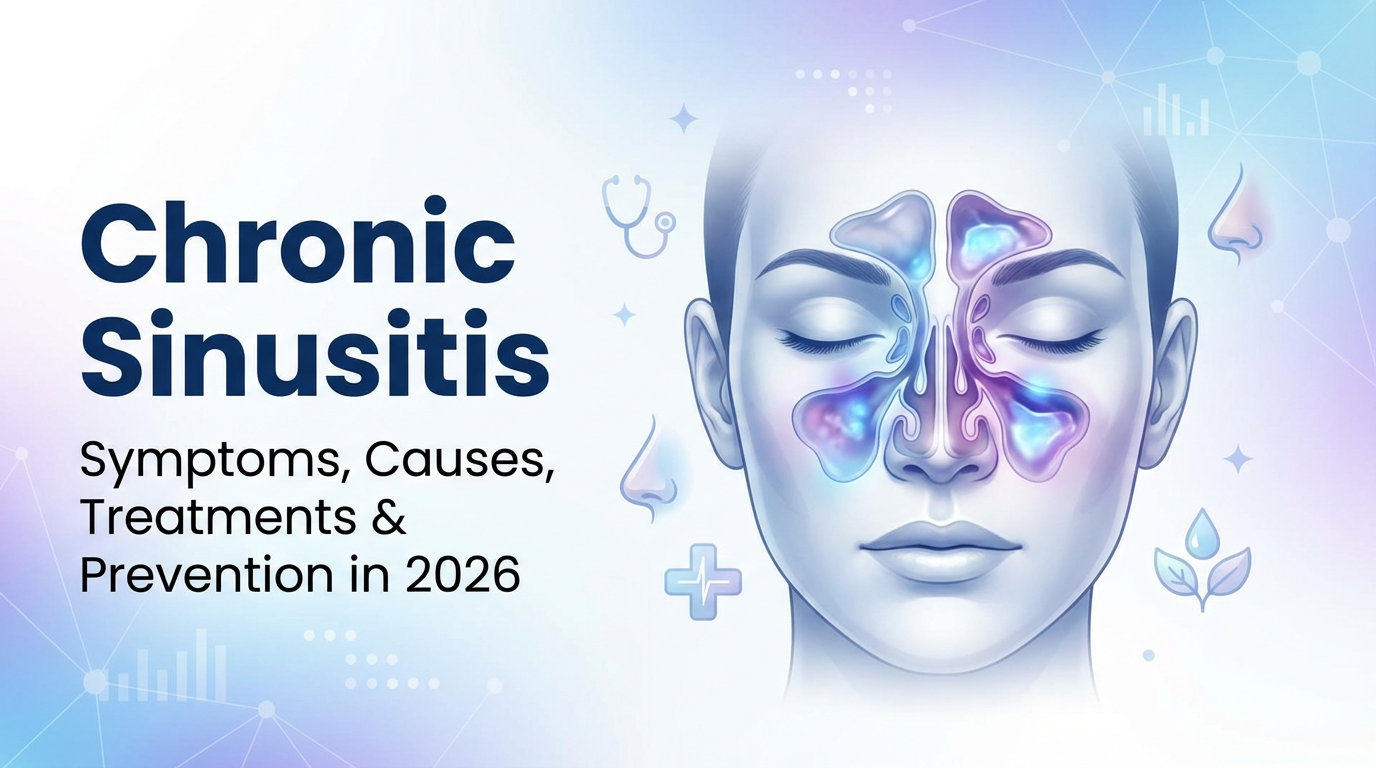
Chronic rhinosinusitis refers to symptomatic inflammation of the nose and paranasal sinuses that has been present for a minimum of 3 months. Unlike acute sinus infections that resolve within a few weeks, chronic sinusitis persists stubbornly, with symptoms that may wax and wane but never fully disappear.
Your sinuses are air-filled cavities in the bones around your nose and eyes. When healthy, they’re lined with a thin layer of mucus that traps particles and drains naturally. In chronic sinusitis, this drainage system malfunctions. The sinus lining becomes inflamed and swollen, mucus accumulates, and the entire system becomes a breeding ground for persistent inflammation.
Chronic rhinosinusitis is understood to be predominantly an inflammatory condition rather than an infectious process. This distinction is crucial—it explains why antibiotics alone often fail to resolve chronic sinusitis, and why treatment approaches have shifted toward controlling inflammation rather than just fighting infection.
The Two Main Types
Medical professionals now classify chronic sinusitis into two primary categories:
Chronic Rhinosinusitis Without Nasal Polyps (CRSsNP): The sinus inflammation exists without visible polyp growth. This type often involves bacterial biofilms and localized inflammation.
Chronic Rhinosinusitis With Nasal Polyps (CRSwNP): Soft, painless growths develop in the nasal passages and sinuses due to chronic inflammation. These polyps can obstruct drainage and worsen symptoms significantly.
This distinction matters tremendously for treatment selection, as the two types respond differently to various therapies.
Recognizing the Symptoms: More Than Just Congestion
The core symptoms include nasal congestion (synonymous with nasal obstruction), anterior or posterior nasal discharge, an altered sense of smell, and facial pain or pressure. However, the full symptom picture is often more complex.
Primary Symptoms
Persistent Nasal Congestion: Not the temporary stuffiness of a cold, but a constant feeling of blockage that affects one or both nostrils. You may find yourself breathing through your mouth constantly, especially at night.
Facial Pressure and Pain: A feeling of fullness or pressure around your eyes, cheeks, nose, or forehead. This discomfort often worsens when bending forward or lying down.
Thick Nasal Discharge: Yellow, green, or cloudy mucus draining from your nose or down the back of your throat (postnasal drip). This discharge is typically thicker than normal nasal secretions.
Reduced Sense of Smell and Taste: Many patients describe food tasting bland or having difficulty detecting odors. This symptom significantly impacts quality of life but is often dismissed as inevitable.
Secondary Symptoms
Beyond these cardinal signs, chronic sinusitis frequently causes:
- Persistent cough, particularly worsening at night from postnasal drip
- Ear fullness or pressure due to connected drainage pathways
- Dental pain, especially in upper teeth
- Bad breath (halitosis) from bacterial overgrowth in stagnant mucus
- Fatigue from chronic inflammation and disrupted sleep
- Sore throat from constant postnasal drainage
- Headaches, often concentrated around the sinuses
The condition can be associated with impaired sleep, severe fatigue, and depression, which can interfere substantially with activities of daily living. These secondary effects often prove more debilitating than the primary symptoms themselves.

The Root Causes: Why Chronic Sinusitis Develops
Understanding why chronic sinusitis develops is key to preventing and treating it effectively. The underlying pathophysiology likely involves a combination of epithelial barrier insults (e.g., microbes, allergens) and dysregulation of inflammatory pathways.
Anatomical Factors
Deviated Nasal Septum: When the wall between nasal passages is crooked, it can block sinus drainage pathways, creating conditions for chronic inflammation.
Nasal Polyps: These benign growths obstruct airflow and drainage, creating a vicious cycle where obstruction causes inflammation, which causes more polyp growth.
Narrow Sinus Openings: Some people naturally have smaller sinus drainage pathways, making them more susceptible to blockage from even minor swelling.
Turbinate Abnormalities: Enlarged or abnormal structures inside the nose can impede proper drainage.
Immune System Dysfunction
Recent research has revealed that chronic sinusitis involves complex immune dysregulation. With the advent of targeted therapeutics and increased recognition that certain patients respond better to treatment, chronic rhinosinusitis has increasingly been classified into endotypes rather than broad phenotypes.
The type 2 inflammatory endotype involves overactivation of specific immune pathways that drive allergic-type responses. This discovery has revolutionized treatment with targeted biologic medications.
Environmental Triggers
Allergens: Pollen, dust mites, mold, and pet dander can trigger chronic inflammation in susceptible individuals.
Air Pollution: Exposure to cigarette smoke, industrial pollutants, and poor air quality irritates sinus linings and impairs natural defenses.
Occupational Exposures: Workers exposed to chemicals, fumes, or dust face higher chronic sinusitis rates.
Climate and Humidity: Very dry air or extreme humidity fluctuations can disrupt normal sinus function.
Associated Medical Conditions
Allergic Rhinitis: In case of chronic sinusitis, the strategy of prevention is to assess and to cure the associated conditions. Managing underlying allergies is crucial.
Asthma: A strong bidirectional relationship exists between asthma and chronic sinusitis, with each condition potentially worsening the other.
GERD (Gastroesophageal Reflux Disease): Stomach acid reaching the upper airway can irritate and inflame sinus tissues.
Immune Deficiencies: Weakened immune systems struggle to clear infections and control inflammation.
Cystic Fibrosis: This genetic disorder causes thick, sticky mucus that blocks sinus drainage.
Primary Ciliary Dyskinesia: Defective cilia (tiny hair-like structures) fail to clear mucus properly.
Bacterial and Fungal Factors
While chronic sinusitis isn’t primarily an infection, microorganisms play important roles. In addition to standard sinus pathogens, such as Streptococcus pneumoniae, Haemophilus influenzae, and Moraxella catarrhalis, there is an increased prevalence of S. aureus, Pseudomonas aeruginosa, and various anaerobic bacteria in CRS.
These organisms form biofilms—protective communities of bacteria that resist antibiotics and the immune system, perpetuating chronic inflammation.
Modern Treatment Options: From Conservative to Cutting-Edge
Treatment for chronic sinusitis has evolved dramatically in recent years. The approach is typically stepped, starting with conservative measures and progressing to more aggressive interventions only when necessary.
First-Line Treatments: Managing Inflammation
Nasal Saline Irrigation: Daily saline irrigation may also be useful in the secondary prevention of rhinosinusitis exacerbations. Studies show patients using daily irrigation experience fewer symptom blocks and require less medication.
Technique matters: Buffered hypertonic saline nasal irrigation improved mucociliary clearance, whereas buffered physiological saline had no effect. Using the right concentration provides better results.
Intranasal Corticosteroids: These prescription sprays reduce inflammation directly in the nasal passages. They’re the cornerstone of chronic sinusitis management and should be used daily, not just when symptoms flare.
Common options include fluticasone, mometasone, and budesonide. These medications are remarkably safe for long-term use with proper technique.
Second-Line Medical Treatments
Systemic Corticosteroids: Short courses of oral steroids (like prednisone) can provide dramatic relief during severe flare-ups by rapidly reducing inflammation throughout the sinuses.
Antibiotics: When bacterial infection is confirmed, targeted antibiotic therapy based on culture results may be necessary. However, routine antibiotic use without clear infection is discouraged due to resistance concerns and limited benefit.
Leukotriene Modifiers: Medications like montelukast can help patients with both chronic sinusitis and asthma by reducing inflammatory pathways.
Revolutionary Biologic Therapies
For patients with severe chronic rhinosinusitis with nasal polyps who don’t respond to standard treatments, targeted biologic medications represent a breakthrough.
Dupilumab: Blocks interleukin-4 and interleukin-13, key inflammatory molecules in type 2 inflammation. Clinical trials show remarkable improvement in polyp size, nasal congestion, and sense of smell.
Omalizumab: Targets IgE antibodies, particularly beneficial for patients with both chronic sinusitis and allergic asthma.
Mepolizumab: Blocks interleukin-5, reducing eosinophil activity in severe cases.
These medications are administered via injection every 2-4 weeks and have transformed outcomes for patients who previously faced repeated surgeries.
Book a consultation with leading ENT doctors through Shifam Health.
Surgical Interventions: When Medicine Isn’t Enough
When medical management fails to control symptoms after 8-12 weeks of appropriate therapy, surgical options become relevant.
Balloon Sinuplasty: This minimally invasive procedure uses a small balloon catheter to dilate blocked sinus openings. Balloon sinuplasty has a high success rate, with studies indicating a success rate of about 95% for symptom improvement.
The procedure is revolutionary because it doesn’t require cutting tissue or bone. 85% of patients noted symptom improvement at 2 years post surgery, demonstrating excellent long-term outcomes.
Recovery is remarkably fast—most patients return to normal activities within 24 to 48 hours. This makes balloon sinuplasty ideal for patients seeking relief without extended downtime.
Functional Endoscopic Sinus Surgery (FESS): The gold standard surgical approach for chronic sinusitis. Using tiny cameras and specialized instruments, surgeons remove diseased tissue, enlarge natural sinus openings, and restore drainage pathways.
Modern FESS uses image-guided navigation systems for unprecedented precision, reducing complications and improving outcomes. The procedure is performed under general anesthesia and typically requires 1-2 weeks recovery.
Hybrid Approaches: Patients with hybrid surgery had significantly fewer reoperations compared to the balloon only group, suggesting that combining balloon sinuplasty with traditional surgical techniques offers superior results in complex cases.
Success Rates and Realistic Expectations
The results clearly demonstrate that the procedure is successful 97.5% of the time with a dramatic reduction in patients sinus related complaints for balloon sinuplasty. However, success depends heavily on patient selection and post-operative care.
88.5% reported a long-term benefit from the balloon sinuplasty, with satisfaction remaining high years after the procedure. That said, The revision surgery rate after balloon sinuplasty was 22% and only 7% after ESS in long-term follow-up studies, suggesting traditional surgery may offer more durable results for some patients.
The key message: no single treatment works for everyone. Success requires accurate diagnosis, appropriate treatment selection, and realistic expectations.
Prevention Strategies: Keeping Sinuses Healthy
Secondary prevention of CRS is concerned with detecting a disease in its earliest stages, intervening to achieve disease and symptom control and preventing future exacerbations. Here’s how to protect your sinuses:
Daily Habits for Sinus Health
1. Master Nasal Hygiene Incorporate daily saline irrigation into your routine, especially during allergy season or after exposure to irritants. Use distilled, sterile, or previously boiled water—never tap water—to prevent rare but serious infections.
2. Stay Hydrated Drinking adequate water keeps mucus thin and flowing. Aim for 8-10 glasses daily, more if you’re active or in dry climates.
3. Humidify Your Environment Indoor humidity between 40-50% prevents nasal passages from drying out. Use humidifiers in winter when heating systems dry the air, but clean them weekly to prevent mold growth.
4. Avoid Smoking and Secondhand Smoke Tobacco smoke paralyzes cilia, impairs immune function, and creates chronic inflammation. Risk factors of recurrent sinusitis involve upper respiratory infections, bacterial load of the adenoids, day care attendance and exposure to tobacco smoke.
5. Manage Allergies Proactively Don’t wait for symptoms to worsen. Use prescribed nasal corticosteroids daily during allergy season. Consider allergen immunotherapy (allergy shots or tablets) for lasting relief.
6. Practice Good Hand Hygiene Frequent handwashing prevents viral upper respiratory infections that can trigger acute sinusitis episodes and potentially progress to chronic disease.
Environmental Modifications
Minimize Allergen Exposure:
- Use HEPA filters in bedrooms
- Wash bedding weekly in hot water
- Keep pets out of bedrooms
- Reduce indoor humidity to prevent mold (but not too low—see #3 above)
- Use allergen-proof mattress and pillow covers
Improve Indoor Air Quality:
- Avoid strong fragrances, chemical cleaners, and air fresheners
- Ensure proper ventilation when using household chemicals
- Consider air purifiers with HEPA and activated carbon filters
- Address water damage promptly to prevent mold
Medical Management
Treat Underlying Conditions: Control asthma, manage GERD, and address any immune system issues. These conditions directly impact sinus health.
Use Medications as Prescribed: If you’ve been prescribed daily nasal corticosteroids, use them consistently—even when feeling well. They prevent inflammation, not just treat it.
Know When to Seek Care: Don’t let acute sinus infections linger. Early, appropriate treatment prevents progression to chronic disease.
Lifestyle Factors
Exercise Regularly: Physical activity boosts immune function and promotes healthy inflammation regulation. Even moderate exercise like brisk walking makes a difference.
Manage Stress: Chronic stress impairs immune function and worsens inflammatory conditions. Incorporate stress-reduction techniques like meditation, yoga, or deep breathing exercises.
Get Adequate Sleep: Quality sleep is essential for immune function and tissue repair. Adults need 7-9 hours nightly.
Maintain a Healthy Diet: Anti-inflammatory foods (fruits, vegetables, whole grains, fatty fish) support immune health. Some evidence suggests omega-3 fatty acids may reduce chronic inflammation.
When to See a Doctor: Warning Signs
Most acute sinus infections resolve within 7-10 days. Seek medical attention if:
- Symptoms persist beyond 10 days without improvement
- Symptoms initially improve then suddenly worsen (double worsening)
- Severe symptoms from the start (high fever over 102°F, severe pain)
- Symptoms have been present for 3+ months
- Frequent recurrent infections (4+ episodes per year)
- Vision changes, severe headache, or neck stiffness (seek emergency care)
A comprehensive evaluation typically includes nasal endoscopy to visualize the nasal passages and sinuses directly, and possibly CT imaging to assess the extent of disease.
FAQ
Chronic sinusitis lasts for at least 12 weeks and is driven mostly by inflammation, not a short-term infection.
Ongoing inflammation blocks normal sinus drainage, causing constant pressure and fullness.
Yes, many cases are purely inflammatory and don’t involve active infection at all.
Yes, swelling inside the nose can block odor pathways, which dulls smell and taste.
Polyps often signal a more severe, type-2 inflammatory pattern that may need advanced treatment.
Yes, it’s a minimally invasive procedure with quick recovery and strong long-term results for the right patients.
Yes, polluted air irritates the sinus lining and can worsen chronic inflammation.
Taking Control of Your Sinus Health
Chronic sinusitis doesn’t have to control your life. With accurate diagnosis, appropriate treatment, and consistent prevention strategies, most patients achieve significant improvement and restored quality of life.
The landscape has changed dramatically—gone are the days when repeated antibiotics and eventually surgery were the only options. Today’s approach is personalized, targeting your specific inflammatory profile with treatments ranging from simple saline irrigation to revolutionary biologic therapies.
Success requires partnership between you and your healthcare team. Be honest about symptom severity, consistent with prescribed treatments, and proactive about prevention. Don’t accept suffering as inevitable.
Your sinuses were designed to breathe freely. With the right approach, they can again.
🌿 Struggling with long-term sinus pressure or breathing issues?
👨⚕️ Shifam Health helps you find trusted ENT specialists without any hassle.
📲 Get quick guidance, treatment options, and hospital comparisons in one place.
💙 Take the first step toward clearer breathing , Book your Free Consultation.

Your point of view caught my eye and was very interesting. Thanks. I have a question for you.
Yes Sure, whatever the questions you have, you can ask them in the comment section. 🙂
Thank you for your sharing. I am worried that I lack creative ideas. It is your article that makes me full of hope. Thank you. But, I have a question, can you help me?