


Giardiasis Explained: Symptoms, Transmission and Treatment You Need to Know (2026)

Introduction
Every year, more than one million people in the United States alone contract an invisible enemy that’s lurking in seemingly clean water, fresh produce, and even on everyday surfaces. Giardia causes more intestinal parasite infections in the U.S. than any other gut-dwelling parasite, yet most people have never heard of it until they’re suffering from its uncomfortable symptoms.
Giardiasis is more than just an inconvenient stomach bug. It’s a parasitic infection that can turn a refreshing swim, a mountain hike, or international travel into weeks of debilitating digestive distress. Understanding this common yet often misdiagnosed condition could save you from unnecessary suffering and help you protect those you care about.
🏥 Confused about persistent digestive symptoms? Shifam Health connects you with top gastroenterologists for accurate diagnosis and personalized treatment plans.
What Is Giardiasis?
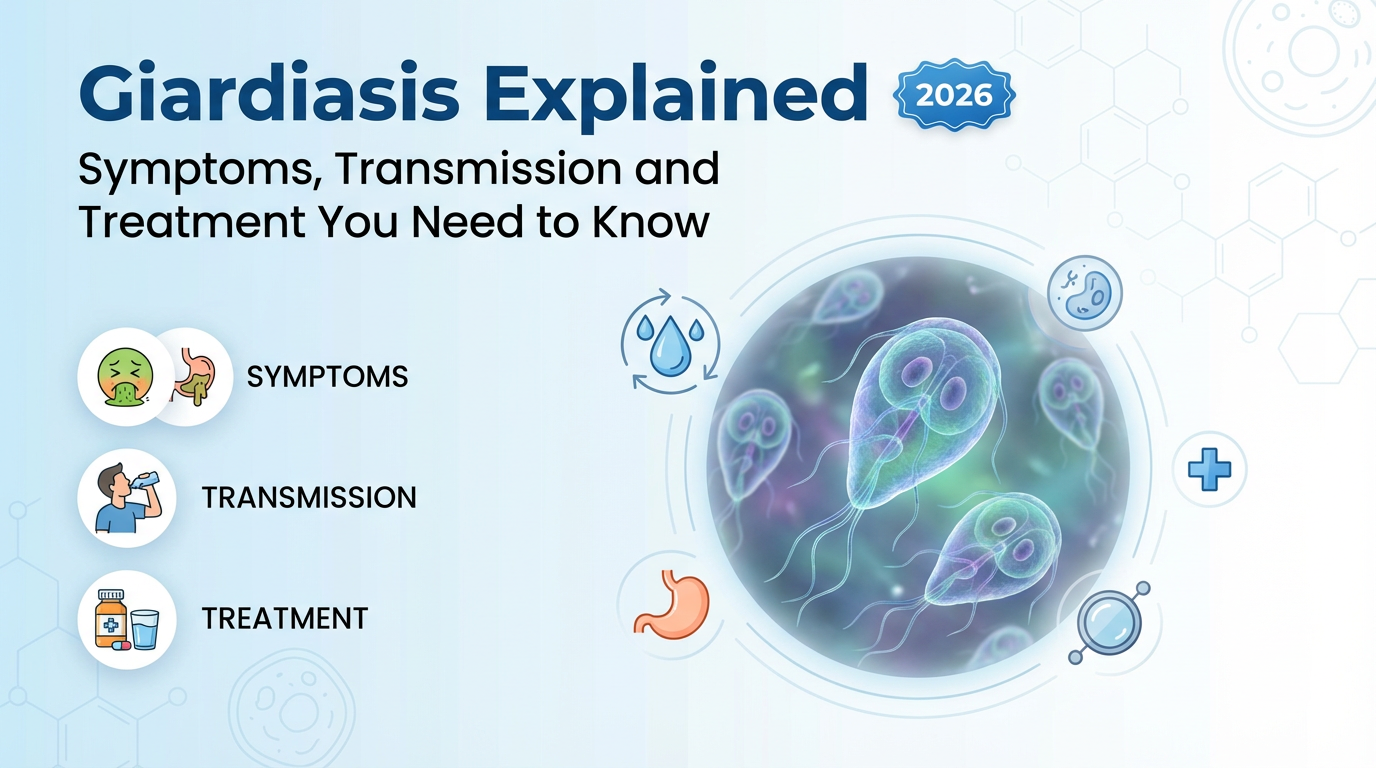
Giardiasis is an intestinal infection caused by Giardia duodenalis, a microscopic parasite also known as Giardia lamblia or Giardia intestinalis. This flagellated protozoan parasite infects the upper small intestine, where it attaches to the intestinal wall and feeds on nutrients, causing a range of gastrointestinal symptoms.
The parasite exists in two forms throughout its lifecycle: the trophozoite, which is the active, feeding stage that lives in the intestines, and the cyst, which is the dormant, infectious form that can survive outside the body for extended periods. At 4°C, Giardia cysts can survive 11 weeks in water, seven weeks in soil, and one week in cattle feces.
This remarkable survival ability makes Giardia one of the most persistent and widespread parasites globally. In developed countries, giardiasis affects an estimated 10% of the population, while in developing countries, it affects approximately one-third of the population.
Recognizing the Symptoms of Giardiasis
Many infected people are asymptomatic and never develop symptoms, yet they still carry the parasite and can spread it to others through their stool. For those who do become ill, symptoms can range from mild discomfort to severe, debilitating disease.
Common Symptoms Include:
Digestive Symptoms:
- Watery diarrhea, often foul-smelling and greasy, occurring 2-5 times daily
- Explosive, sudden-onset bowel movements
- Abdominal cramps and pain
- Severe bloating and gas
- Nausea (vomiting is uncommon)
- Loss of appetite
💊 Need help managing treatment side effects or optimizing your recovery? Contact Shifam Health for comprehensive care coordination and specialist consultations.
Systemic Symptoms:
- Increasing fatigue and weakness
- Significant weight loss
- Dehydration
- Malnutrition (particularly in children)
Symptoms typically develop 1-2 weeks after exposure and generally resolve within 2-4 weeks. However, some individuals experience chronic infections lasting months or even years, particularly those with weakened immune systems.
When Symptoms Become Serious
Call your healthcare professional if you have loose stools, stomach cramping, bloating and upset lasting more than a week, or if you experience dehydration. Children are especially vulnerable, as severe giardiasis can cause developmental delays, failure to thrive, malnutrition, and stunted growth.
Post-Infection Complications:
Even after the infection clears, some people develop long-term complications:
- Reactive arthritis
- Irritable bowel syndrome (IBS)
- Chronic fatigue
- Lactose intolerance occurs in as many as 20-40% of cases
How Giardiasis Spreads: Understanding Transmission Routes
Giardia is transmitted via the fecal-oral route, with its low infectious dose, protracted communicability, and moderate chlorine tolerance making it ideally suited for transmission through drinking and recreational water.
Primary Transmission Methods:
1. Contaminated Water Studies have revealed Giardia’s presence in up to 80% of water supplies sourced from lakes, ponds, and streams and around 15% of filtered water samples. The parasite spreads through:
- Untreated drinking water from wells, lakes, and streams
- Swimming pools and water parks
- Hot tubs and whirlpool spas
- Inadequately treated municipal water supplies
Backpackers, campers, and hikers who drink untreated water face particularly high risk, earning giardiasis the nickname “beaver fever.”
🌍 Traveling internationally? Shifam Health provides pre-travel health consultations and connects you with specialists who understand region-specific health risks.
2. Contaminated Food Food handlers with giardiasis who don’t practice proper hand hygiene can contaminate food. Raw produce washed or irrigated with contaminated water also poses risks. Cooking kills Giardia, making raw foods the primary concern.
3. Person-to-Person Contact Direct transmission occurs through:
- Diaper changing (daycare centers are common outbreak sites)
- Caregiving for infected individuals
- Sexual contact, particularly among men who have sex with men
- Any activity involving potential fecal-oral contamination
4. Animal Contact While pets and wild animals frequently harbor Giardia, they’re not considered a significant source of human outbreaks. However, handling animal feces without proper hygiene can lead to infection.
High-Risk Groups
High-risk groups susceptible to giardiasis include immunocompromised individuals, travelers visiting highly endemic regions, and certain sexually active homosexual men. Additional risk factors include:
- Children in daycare settings
- People with weakened immune systems
- Travelers to developing countries
- People living in or visiting areas with poor sanitation
- Outdoor enthusiasts who drink from natural water sources
Diagnosing Giardiasis: Getting Tested
Giardia cysts or trophozoites are not seen consistently in the stools of infected patients, so diagnostic sensitivity can be increased by examining three or more stool specimens over several days.
Diagnostic Methods:
Stool Testing:
- Microscopy with direct fluorescent antibody testing (considered the gold standard)
- Enzyme immunoassay kits
- Rapid immunochromatographic cartridge assays
- Molecular assays (PCR)
- Antigen detection tests
Since Giardia is excreted intermittently, in 50% to 70% of cases, the parasite will be detected from a single stool specimen and in 90% of cases after three specimens.
Additional Tests:
- Duodenal fluid examination
- Small bowel tissue biopsy (in rare cases)
- Blood tests to rule out other conditions
🔬 Need accurate diagnostic testing? Shifam Health partners with accredited laboratories worldwide to ensure precise, timely results for international patients.
Healthcare providers sometimes diagnose and treat giardiasis based on symptoms and travel history alone, particularly when testing facilities are limited or when rapid treatment is necessary.
Treatment Options: What Works Best
The infection typically clears by itself after a few weeks in many cases, but people with weaker immune systems may have a harder time clearing it. However, treatment significantly reduces symptom duration and prevents spread to others.
First-Line Medications
1. Metronidazole (Flagyl) In the United States, metronidazole is the only member of the nitroimidazole class available to treat giardiasis and is the most common drug used for treatment worldwide.
- Dosage: 250 mg three times daily for 5-7 days
- Success Rate: 85-90%
- Side Effects: Metallic taste, nausea, headache
- Important: Avoid alcohol during treatment and for 72 hours after
2. Tinidazole (Tindamax) Single-dose tinidazole (2g) has consistently proven to have a clinical efficacy of 80 to 100% with a median efficacy of 92%, making it superior to metronidazole for single-dose treatment.
- Dosage: Single 2g dose (50 mg/kg in children, up to 2g)
- Success Rate: 90-95%
- Advantages: Single dose improves compliance, fewer side effects than metronidazole
- Note: Not always readily available in all countries
💡 Struggling with medication side effects or treatment failure? Shifam Health coordinates second opinions and alternative treatment protocols with leading specialists.
3. Nitazoxanide (Alinia) FDA-approved for treating giardiasis in children and adults, offering an alternative for patients who cannot tolerate nitroimidazoles.
- Dosage: 500 mg twice daily for 3 days
- Success Rate: 85-90%
- Advantages: Well-tolerated, fewer gastrointestinal side effects
4. Albendazole Albendazole is probably of similar effectiveness to metronidazole, probably has fewer side effects, and has the advantage of a simplified regimen.
- Dosage: 400 mg once daily for 5-10 days
- Success Rate: 90-95%
- Advantages: Once-daily dosing, fewer side effects
Alternative Medications
For treatment-resistant cases or special populations:
- Paromomycin: Poorly absorbed, considered safer during pregnancy
- Quinacrine: Highly effective but limited availability
- Mebendazole: Alternative benzimidazole option
- Furazolidone: Less commonly used due to side effects
Treatment-Resistant Giardiasis
Treatment failures occur in as many as 40% of cases, probably due to resistance. When standard treatment fails:
- Confirm the infection persists (not just lingering symptoms)
- Rule out reinfection from environment or household members
- Consider combination therapy using drugs from different classes
- Evaluate for immunodeficiency if multiple treatments fail
Some patients may continue to have symptoms for weeks to months after the infection has cleared, often due to post-infectious lactose intolerance or IBS rather than persistent infection.
Prevention Strategies: Protecting Yourself and Others
Prevention is far easier than treatment when it comes to giardiasis. Following these evidence-based strategies dramatically reduces your risk:
Water Safety
At Home:
- Use municipal water supplies with proper filtration
- If using well water, test regularly for contamination
- Install home water filters (pore size <1 micron)
🚰 Concerned about water quality while traveling? Shifam Health provides comprehensive travel health guidance and emergency medical support worldwide.
While Traveling:
- Drinking water can be purified by using filtration (pore size <1 µm) or by briskly boiling water for at least 5 minutes
- Avoid ice made from untreated water
- Use bottled water for drinking and brushing teeth
- Don’t swallow water while swimming in lakes, rivers, or pools
For Outdoor Activities:
- Carry a portable water filter with pore size <1 micron
- Use water purification tablets
- Boil water for at least 1 minute (3 minutes at high altitudes)
- Never drink directly from streams, lakes, or rivers
Hygiene Practices
Hand Washing:
- Wash hands thoroughly with soap for at least 20 seconds
- Critical times: after bathroom use, after changing diapers, before eating or preparing food, after touching animals
- Use alcohol-based hand sanitizer when soap isn’t available (though less effective against Giardia cysts)
Food Safety:
- Thoroughly wash all raw fruits and vegetables
- Avoid raw or undercooked foods in high-risk areas
- Peel fruits and vegetables when possible
- Ensure food handlers practice proper hygiene
Preventing Spread
If you or someone in your household has giardiasis:
- Isolate infected individuals from food preparation
- Clean and disinfect areas where a person or pet recently had diarrhea
- Wait to have sex for several weeks after symptoms resolve
- Keep infected children home from daycare until diarrhea stops
- Avoid swimming in public pools for at least two weeks after symptoms end
🛡️ Need personalized health planning for high-risk situations? Shifam Health creates customized care plans for travelers, immunocompromised patients, and families.
Living With and Recovering From Giardiasis
Recovery from giardiasis typically occurs within 2-6 weeks with proper treatment, but the journey doesn’t always end when the parasite is eliminated.
During Active Infection:
Hydration is Critical:
- Drink plenty of fluids to replace losses from diarrhea
- Use oral rehydration solutions if vomiting isn’t severe
- Watch for dehydration signs: dark urine, dizziness, dry mouth
Dietary Modifications:
- Start with bland, easily digestible foods
- Many patients develop lactose intolerance symptoms, and maintenance on a lactose-free diet for several months may be helpful
- Avoid fatty, spicy, or high-fiber foods initially
- Gradually reintroduce normal diet as tolerated
Rest and Recovery:
- Allow your body time to heal
- Avoid strenuous activity during acute illness
- Monitor for worsening symptoms
Post-Recovery Care:
Follow-Up Testing: Testing after treatment completion helps confirm cure:
- Wait at least 2 weeks after finishing medication
- Provide 2-3 stool samples over several days
- Negative tests confirm successful treatment
Long-Term Symptom Management: If symptoms persist after confirmed parasite elimination:
- Continue lactose-free diet if helpful
- Work with a gastroenterologist for IBS symptoms
- Consider nutritional supplementation for malabsorption
- Monitor weight and nutritional status
Preventing Reinfection:
- Thoroughly clean home environment
- Treat all infected household members simultaneously
- Replace toothbrushes and personal hygiene items
- Review prevention strategies to avoid future infections
When to Seek Medical Help
Contact a healthcare provider immediately if you experience:
- Severe dehydration (confusion, very dark urine, no urination for 12+ hours)
- High fever (above 101°F/38.3°C)
- Bloody diarrhea
- Severe abdominal pain
- Symptoms lasting more than one week without improvement
- Signs of malnutrition or significant weight loss
- Symptoms in infants, young children, or immunocompromised individuals
Emergency Warning Signs:
- Extreme weakness or inability to stand
- Rapid heartbeat with dizziness
- Severe dehydration despite fluid intake
- Altered mental status
- Symptoms during pregnancy
📞 Need immediate medical consultation? Shifam Health offers 24/7 telemedicine support and can connect you with specialists worldwide for urgent care needs.
Frequently Asked Questions (FAQs)
Most infections resolve spontaneously within 2-6 weeks, though some become chronic lasting months to years.
Yes, reinfection is common as previous infection doesn’t provide lasting immunity.
Yes, it spreads easily through fecal-oral transmission, making household spread common.
Yes, boiling water for at least 1 minute effectively kills all Giardia cysts.
The parasite itself isn’t harmful to the fetus, but dehydration from diarrhea can be serious.
Alcohol-based sanitizers are less effective against Giardia cysts; soap and water are better.
Giardiasis develops over 1-2 weeks and lasts longer; food poisoning usually starts within hours and resolves faster.
The Global Impact: Why Giardiasis Matters
Giardiasis is the most common waterborne parasitic infection of the human intestine worldwide and was recently included in the World Health Organization’s Neglected Disease Initiative.
In developing countries, chronic giardiasis contributes significantly to childhood malnutrition, growth impairment, and cognitive development delays. The parasite’s presence in water supplies reflects broader sanitation and public health challenges that affect billions of people.
For travelers from developed nations, giardiasis represents one of the most common travel-related illnesses. Based on GeoSentinel Global Surveillance Network data from 2000-2012, Giardia-related acute diarrhea was a top 10 diagnosis in ill U.S. travelers returning from destinations in Africa, the Americas, Asia, Eastern Europe, and the Middle East.
Understanding and preventing giardiasis contributes to:
- Improved child health outcomes globally
- Safer water supplies for all communities
- Reduced healthcare costs from treating preventable infections
- Better outcomes for immunocompromised populations
- Safer international travel experiences
Your Path to Expert Care and Support
Dealing with giardiasis or any persistent digestive issue can feel overwhelming, especially when symptoms disrupt your daily life or when you’re far from home. Whether you’re facing a new diagnosis, struggling with treatment-resistant infection, or planning travel to high-risk regions, you don’t have to navigate it alone.
✨ Shifam Health specializes in connecting international patients with world-class gastroenterology specialists and comprehensive care coordination.
From accurate diagnosis to personalized treatment plans and follow-up care, we ensure you receive the expertise you need, wherever you are.
📱 Contact Shifam Health Today:
- WhatsApp/Call: +91-8178595807
- Email: contact@shifamhealth.com
- Visit: www.shifamhealth.com
Thanks for sharing. I read many of your blog posts, cool, your blog is very good. https://accounts.binance.com/zh-TC/register-person?ref=DCKLL1YD
Thank you so much! I’m glad you enjoy the blog and find the posts helpful. Your support means a lot-stay tuned for more content!
I do not even know the way I stopped up right here,
buut I believed this submit was once great. I do
not know who you are but certainly you’re going to a famous bloogger if you happen to aren’t already.
Cheers!
Thank you so much for your thoughtful words! I truly appreciate you taking the time to share such kind feedback. 😊
I’m really glad you enjoyed the post, and your encouragement means a lot. I’m still growing and learning every day, and messages like yours inspire me to keep creating better content.
If there’s anything specific you’d like to read about or any topic you’re curious about, feel free to let me know—I’d be happy to write on it.
Thanks again for stopping by, and cheers to you too! 🙌✨