



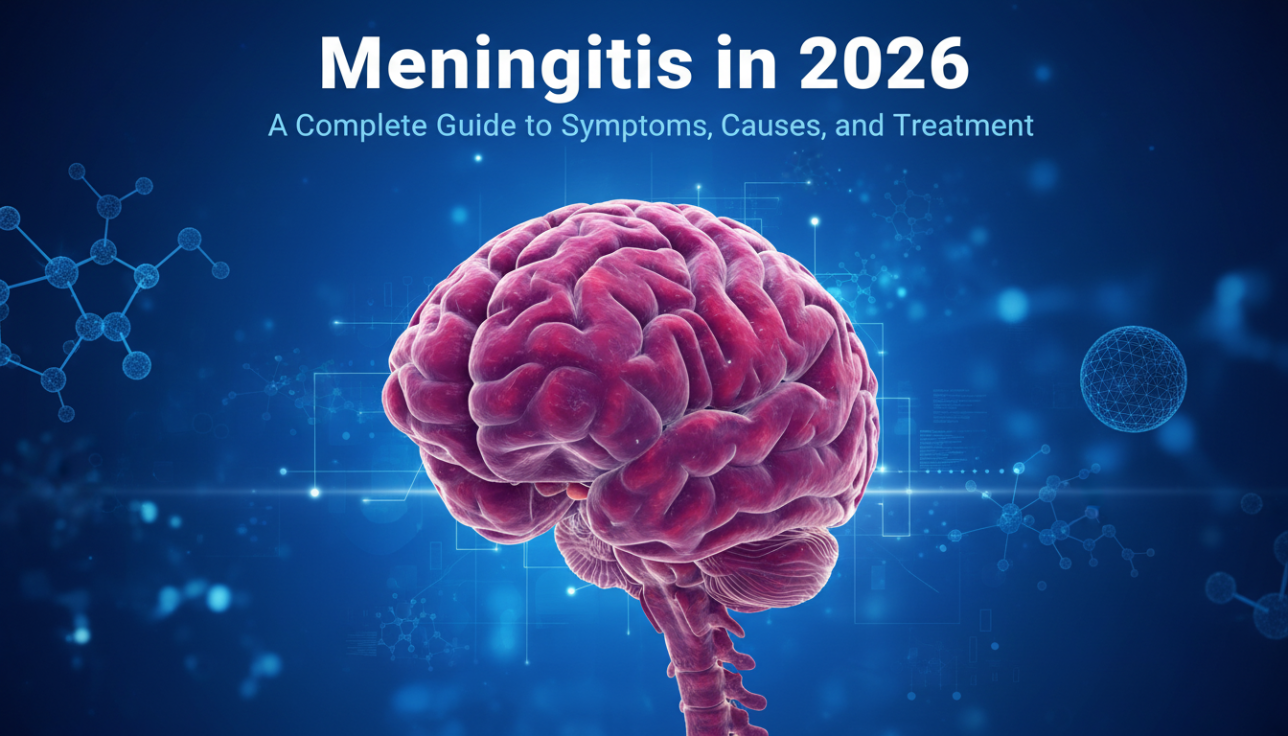
Meningitis in 2026: A Complete Guide to Symptoms, Causes, and Treatment
Filters & Insights
Comprehensive guide to meningitis symptoms, causes, and treatment in 2026. Learn warning signs, prevention strategies.
Introduction
Meningitis remains one of the most urgent medical emergencies in modern healthcare. This life-threatening condition involves inflammation of the protective membranes surrounding the brain and spinal cord, known as the meninges. With new clinical guidelines released by the World Health Organization in 2025 and ongoing advances in treatment protocols, understanding meningitis has never been more critical for public health.
Understanding Meningitis: What You Need to Know
Meningitis occurs when the fluid and membranes around the brain and spinal cord become infected and inflamed. This inflammation can develop rapidly, sometimes becoming life-threatening within hours. The condition affects people of all ages, though certain populations face higher risks.
Despite effective treatments and vaccines for some forms of meningitis, the disease continues to pose a significant global health threat. Approximately 2.5 million cases occur worldwide annually, with bacterial meningitis accounting for 1.6 million cases and resulting in roughly 240,000 deaths each year.
Recognizing the Symptoms: Time Is Critical
Early detection of meningitis can be the difference between life and death. The challenge lies in recognizing symptoms that may initially resemble common flu, but rapidly escalate in severity.
Symptoms in Adults and Older Children
In individuals over two years of age, meningitis typically presents with a combination of the following warning signs:
The Classic Triad: The three hallmark symptoms include sudden high fever, severe headache, and stiff neck that makes lowering the chin to chest difficult or impossible. These symptoms together strongly suggest meningitis and require immediate medical attention.
Additional Warning Signs: Beyond the classic triad, patients may experience nausea and vomiting, confusion or difficulty concentrating, extreme sensitivity to light, drowsiness or trouble waking, loss of appetite, and in some cases, a distinctive skin rash that appears as tiny dots or larger splotches.
One of the most concerning aspects of bacterial meningitis is its rapid progression. Adults can become critically ill within 24 hours of symptom onset, and children may deteriorate even faster. Previously healthy individuals have been known to go to sleep with mild symptoms and never awaken, highlighting the urgency of seeking immediate care.
Symptoms in Infants and Newborns
Meningitis presents differently in the youngest patients, making diagnosis particularly challenging. Parents and caregivers should watch for high fever or abnormally low body temperature, constant or high-pitched crying, extreme sleepiness or unusual irritability, poor feeding or refusal to eat, vomiting, a bulging soft spot on the baby’s head, and stiffness in the body and neck.
Infants may not develop the characteristic stiff neck seen in older patients, instead appearing generally unwell or sluggish. Any combination of these symptoms warrants immediate medical evaluation.
👉 Request a personalized treatment plan & quote
When Symptoms Appear Differently
Not all meningitis cases present with typical symptoms. Some patients, particularly those with invasive meningococcal disease, may develop bloodstream infections or septic arthritis without showing classic meningitis symptoms like headache or stiff neck. This variability underscores the importance of clinical vigilance and immediate treatment when meningitis is suspected.
Causes of Meningitis: Multiple Pathogens, Different Risks
Meningitis can be caused by various infectious agents and, in some cases, non-infectious factors. Understanding these causes helps in prevention, diagnosis, and treatment decisions.
Viral Meningitis
Viral infections represent the most common cause of meningitis in the United States. A group of viruses called enteroviruses accounts for most cases, particularly during late summer and early fall. Other viral causes include herpes simplex virus, West Nile virus, mumps virus, and HIV.
Viral meningitis typically presents with milder symptoms than bacterial forms and often resolves on its own within seven to ten days without specific treatment. However, some viral causes, such as West Nile virus or lymphocytic choriomeningitis virus, can lead to prolonged recovery periods lasting months.
Bacterial Meningitis
Bacterial meningitis is less common than viral meningitis but far more dangerous, with the potential to cause death within 24 hours even with appropriate treatment. Several bacterial species can cause this life-threatening condition:
Streptococcus pneumoniae (pneumococcus) is the most common cause of bacterial meningitis in infants, children, and adults across the United States. This bacterium more frequently causes pneumonia or ear and sinus infections but can lead to severe meningitis when it enters the bloodstream.
Neisseria meningitidis (meningococcus) causes meningococcal meningitis, a highly contagious form that spreads easily among people in close quarters. Recent data shows an increase in invasive meningococcal disease in the United States, with 422 cases reported in 2023—the highest annual number since 2014. A specific strain called ST-1466 has been responsible for most serogroup Y cases, disproportionately affecting adults ages 30-60, Black or African American individuals, and people living with HIV.
Haemophilus influenzae type b (Hib) was once the leading cause of bacterial meningitis in children. Thanks to widespread Hib vaccination programs, this cause has become much less common in developed countries.
Listeria monocytogenes primarily affects pregnant women, newborns, older adults, and individuals with weakened immune systems. These bacteria can be found in unpasteurized cheeses, hot dogs, and lunch meats.
Bacterial meningitis can develop when germs enter the bloodstream and travel to the brain and spinal cord, or when bacteria directly invade the meninges through ear or sinus infections, skull fractures, or rarely, certain surgical procedures.
Fungal Meningitis
Fungal meningitis is uncommon in the United States but can be serious, particularly for people with compromised immune systems. Cryptococcal meningitis is the most common fungal form, primarily affecting individuals with AIDS or other conditions that weaken immunity. Fungal infections often develop slowly, with symptoms building over days to weeks rather than hours.
Other Causes
Less common causes include tuberculous meningitis, a rare but serious complication of tuberculosis; parasitic meningitis caused by organisms like amoebas from contaminated freshwater; and non-infectious causes such as chemical reactions, certain medications, drug allergies, some cancers, and inflammatory diseases like sarcoidosis.
Diagnosis: The Race Against Time
When meningitis is suspected, rapid and accurate diagnosis becomes critical. The 2025 WHO guidelines emphasize that speed should never compromise thoroughness in diagnostic procedures.
Clinical Assessment
Healthcare providers begin with a thorough physical examination, checking for the classic signs of meningitis including fever, neck stiffness, and altered mental status. However, clinical presentation alone cannot definitively diagnose meningitis or determine its cause.
Lumbar Puncture: The Gold Standard
A lumbar puncture, commonly called a spinal tap, remains the definitive diagnostic procedure for meningitis. This procedure involves collecting a sample of cerebrospinal fluid (CSF) from the space around the spinal cord. The WHO recommends performing this procedure as soon as possible when meningitis is suspected, ideally before starting antibiotic treatment.
However, antibiotic therapy should never be delayed while waiting to perform a lumbar puncture. If bacterial meningitis is strongly suspected based on symptoms, antibiotics must be administered immediately, even before obtaining CSF samples.
The collected fluid undergoes several critical tests including Gram stain to identify bacteria, white blood cell count to assess inflammation, protein concentration measurements, glucose levels compared to blood glucose, and culture to grow and identify the specific pathogen. Additional PCR testing can detect specific bacterial, viral, or fungal genetic material when cultures fail to grow organisms.
Imaging Studies
Before performing a lumbar puncture, doctors may order a CT scan or MRI if they suspect increased pressure within the skull from conditions like abscesses, tumors, or other masses. Performing a spinal tap when intracranial pressure is elevated can be dangerous and potentially life-threatening.
Blood and Additional Tests
Blood cultures help identify bacteria in the bloodstream, while complete blood counts and metabolic panels assess overall health status and organ function. For suspected viral causes, additional specimens from the nose, throat, or stool may be tested.
Need Immediate Help?
Book a FREE Online Consultation Chat on WhatsApp for Quick Assistance
Treatment Approaches: Evidence-Based Care in 2026
The 2025 WHO guidelines provide the most comprehensive treatment recommendations to date, addressing both epidemic and non-epidemic settings.
Bacterial Meningitis Treatment
Bacterial meningitis constitutes a medical emergency requiring immediate hospitalization and aggressive treatment:
Antibiotic Therapy: Intravenous ceftriaxone or cefotaxime should be administered as empiric (initial) treatment for children and adults with suspected bacterial meningitis. If risk factors for Listeria infection exist—such as being pregnant, over 50 years old, or immunocompromised—ampicillin or amoxicillin should be added. Treatment should begin immediately upon suspicion of bacterial meningitis, without waiting for diagnostic confirmation.
Corticosteroid Therapy: For suspected or confirmed pneumococcal meningitis, intravenous corticosteroids like dexamethasone should be initiated with the first antibiotic dose. Corticosteroids help reduce brain inflammation and the risk of neurological complications and death.
Managing Complications: Increased intracranial pressure may require osmotic agents such as glycerol, mannitol, or hypertonic saline. Seizures must be controlled with anticonvulsant medications, and supportive care including fluid management, nutritional support, and respiratory assistance may be necessary.
Hospital treatment typically lasts at least one week, with duration depending on the causative organism and individual patient response.
Viral Meningitis Treatment
Most cases of viral meningitis improve without specific antiviral treatment. Management focuses on symptom relief including rest, acetaminophen or ibuprofen for fever and pain, anti-nausea medications, and maintaining adequate hydration.
However, certain viral causes require specific treatment. Acyclovir, an antiviral medication, is used for meningitis caused by herpes simplex virus or varicella-zoster virus. Most people recover within a few weeks, though some viral causes may require months of recovery time.
Fungal and Tuberculous Meningitis Treatment
Fungal meningitis requires prolonged treatment with antifungal medications, often continuing for months. Cryptococcal meningitis typically involves amphotericin B and flucytosine initially, followed by fluconazole for extended periods.
Tuberculous meningitis necessitates a combination of tuberculosis medications for many months, similar to treatment for other forms of tuberculosis.
Prophylaxis for Contacts
When someone is diagnosed with meningococcal meningitis, close contacts require preventive antibiotic treatment. The 2025 guidelines recommend single-dose parenteral ceftriaxone or oral ciprofloxacin for close contacts of laboratory-confirmed meningococcal cases. However, due to emerging ciprofloxacin resistance, particularly among cases associated with travel to Saudi Arabia, rifampin, ceftriaxone, or azithromycin may be preferred alternatives.
Long-Term Effects and Rehabilitation
Surviving meningitis doesn’t always mean complete recovery. Approximately 20 percent of people who contract bacterial meningitis develop long-term complications that significantly impact quality of life.
Common Long-Term Complications
Survivors may experience hearing loss or complete deafness, vision problems, memory difficulties and cognitive impairment, learning disabilities, seizures, coordination and balance problems, limb amputations due to tissue death from bloodstream infections, and kidney damage.
Rehabilitation and Follow-Up Care
The 2025 WHO guidelines emphasize that rehabilitation should begin as soon as possible for patients with meningitis sequelae. Formal audiological screening should be conducted before hospital discharge or within four weeks afterward. All patients should be reviewed for complications before discharge and at subsequent follow-up appointments.
Comprehensive rehabilitation may involve physical therapy for mobility issues, occupational therapy for daily living skills, speech and language therapy, cognitive rehabilitation, psychological support for emotional challenges, and educational support for children with learning difficulties.
The guidelines also stress the importance of strengthening community awareness about potential long-term effects to improve follow-up care and reduce stigma associated with meningitis-related disabilities.
👉 Request a personalized treatment plan & quote
Prevention: Your Best Defense
While meningitis can be devastating, many cases are preventable through vaccination and good hygiene practices.
Vaccination
Several vaccines protect against common causes of bacterial meningitis:
Haemophilus influenzae type b (Hib) vaccine is recommended for children starting at about 2 months of age and certain high-risk adults, including those with sickle cell disease or without a spleen.
Pneumococcal vaccines (PCV15, PCV20, and PPSV23) protect against pneumococcal bacteria. PCV vaccines are recommended for children under 2 years and high-risk children up to age 18. PPSV23 is recommended for adults over 65 and younger adults with certain medical conditions.
Meningococcal conjugate vaccine (MenACWY) is recommended for all children at ages 11-12 with a booster at age 16. High-risk children ages 2 months to 10 years should also receive this vaccine.
Serogroup B meningococcal vaccine (MenB) is recommended for individuals 10 years and older who are at increased risk, including those with sickle cell disease, complement deficiencies, or during disease outbreaks.
Everyday Prevention Measures
Beyond vaccination, simple hygiene practices significantly reduce meningitis risk:
- Wash hands thoroughly and frequently, especially before eating and after using restrooms or being in crowded places
- Avoid sharing drinks, utensils, lip balm, toothbrushes, or cigarettes
- Maintain a healthy immune system through adequate rest, regular exercise, and a nutritious diet
- Cover your mouth and nose when coughing or sneezing
- If pregnant, avoid unpasteurized cheeses and ensure meats are cooked to 165°F (74°C) to prevent listeria infection
Special Considerations for Travelers
Travelers to the African “meningitis belt”—a region spanning from Senegal to Ethiopia—face increased risk, particularly during dry season epidemics. Unvaccinated travelers having prolonged contact with local populations should receive meningococcal vaccination before travel. Pilgrims to Saudi Arabia for Hajj or Umrah face elevated risk and should ensure vaccination is current.
The Global Challenge: Looking Toward 2030
The World Health Organization’s “Defeating Meningitis by 2030” roadmap sets ambitious goals: eliminate bacterial meningitis epidemics, reduce cases of vaccine-preventable bacterial meningitis by 50 percent, reduce deaths by 70 percent, and improve quality of life after meningitis by reducing disability and enhancing care.
Achieving these goals requires strengthened surveillance systems, improved access to vaccines and treatments, better diagnostic capabilities, particularly in low-resource settings, comprehensive rehabilitation services, and increased public awareness about symptoms and prevention.
Conclusion: Knowledge Saves Lives
Meningitis remains a medical emergency requiring immediate recognition and treatment. The condition’s ability to progress from mild symptoms to life-threatening illness within hours makes awareness crucial for everyone—parents, educators, healthcare workers, and the general public.
Key takeaways for protection include recognizing warning signs, particularly the classic triad of fever, severe headache, and stiff neck; seeking immediate medical care when symptoms appear; never delaying treatment while awaiting test results if bacterial meningitis is suspected; ensuring vaccination for yourself and your children; and practicing good hygiene to prevent transmission.
With the 2025 WHO guidelines providing improved treatment protocols and ongoing efforts to expand vaccine access, we have better tools than ever to combat meningitis. However, these advances only save lives when combined with rapid recognition and immediate action. If you or someone you know shows signs of meningitis, don’t wait—seek emergency medical care immediately. In the race against meningitis, every minute counts.
Remember: meningitis can affect anyone at any age. Stay informed, stay vaccinated, and stay vigilant. Your awareness could save a life.
Your Health, Our Priority – Trust Shifam Health
At Shifam Health, we understand that timely medical intervention can save lives.
Whether you need expert consultations, diagnostic services, or comprehensive care for infectious diseases, our team of experienced healthcare professionals is here to support you 24/7.
Don’t wait when symptoms appear – connect with Shifam Health today for world-class medical care and peace of mind.
Your wellness journey starts here.


Popular Posts From Last Week
- March 24, 2026
- Zainab Khan
Over the past decade, India has emerged as a leading global destination for medical tourism, attracting more than…
- March 24, 2026
- Zainab Khan
Kerala has steadily emerged as one of India’s most reliable and patient-friendly healthcare destinations, particularly for international patients…
- March 24, 2026
- Zainab Khan
Hip joint problems such as osteoarthritis, rheumatoid arthritis, avascular necrosis, and severe trauma can significantly impact mobility and…
- March 26, 2026
- Zainab Khan
India has emerged as a leading medical tourism destination, attracting over 2 million international patients annually from Europe,…
- March 26, 2026
- Zainab Khan
Over the past decade, India has rapidly transformed into one of the world’s most preferred destinations for medical…
- March 26, 2026
- Zainab Khan
Chennai has firmly established itself as the healthcare capital of India, attracting thousands of international patients every year…
- March 26, 2026
- Zainab Khan
Bentall surgery is one of the most complex and critical procedures in modern cardiac surgery, performed to treat…
- March 27, 2026
- Zainab Khan
Mumbai is not just India’s financial capital — it is one of Asia’s most powerful medical tourism destinations….
- March 26, 2026
- Zainab Khan
Varus deformity of the knee—commonly known as bow-leg alignment—is a progressive orthopedic condition where the knee deviates outward,…
- March 26, 2026
- Areen Fatima
Ventricular Septal Defect (VSD) is a condition where there is a hole in the wall separating the lower…
- March 26, 2026
- shifamhealth
Appendectomy, commonly known as appendix removal surgery, is a safe and widely performed procedure to treat appendicitis, a…
- March 23, 2026
- Zainab Khan
Kolkata, one of India’s major metropolitan cities, is rapidly emerging as a key medical tourism destination in Eastern…