


What is Myofascial Pain Syndrome: Understanding Symptoms, Causes, Diagnosis and Treatment

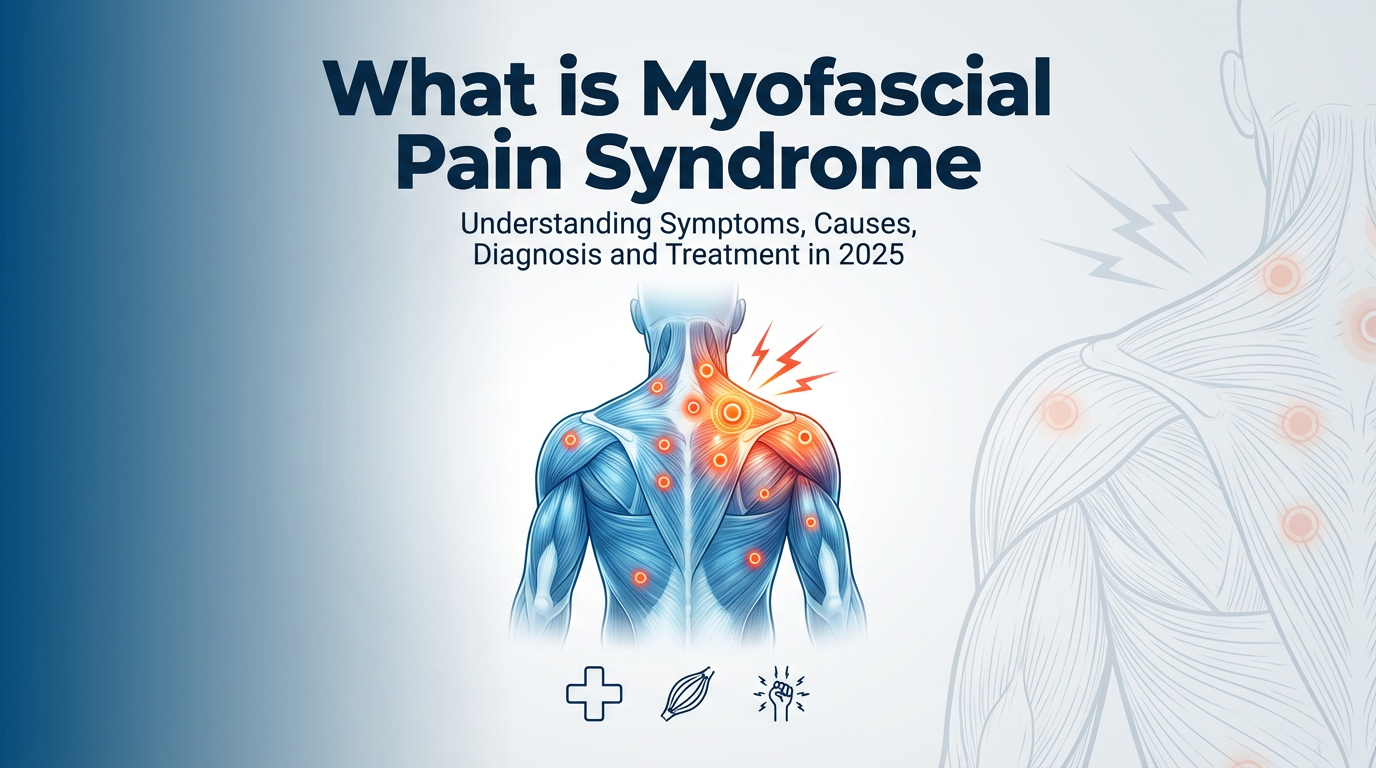
Understanding Myofascial Pain Syndrome
Myofascial pain syndrome (MPS) represents a chronic pain condition affecting the musculoskeletal system, characterised by the development of sensitive areas known as trigger points within muscle tissue and the surrounding fascia. This condition affects millions of individuals worldwide, causing persistent discomfort that can significantly impact daily activities, work productivity, and overall quality of life. Unlike temporary muscle soreness from exercise, myofascial pain syndrome involves ongoing pain that develops in specific trigger points throughout the body.
The fascia itself is a thin, tough connective tissue that wraps around and supports every muscle, organ, and structure in your body. When this tissue becomes tight, restricted, or develops adhesions, it can create painful trigger points that radiate discomfort to other areas of the body. Understanding myofascial pain syndrome is crucial for anyone experiencing persistent muscle pain, as early recognition and appropriate treatment can prevent the condition from becoming chronic and debilitating.
✨ Experience relief from chronic muscle pain—Shifam Health connects you with specialized physiotherapists who understand myofascial conditions. Book your consultation today! 💪
Recognizing the Symptoms of Myofascial Pain Syndrome
The hallmark symptom of myofascial pain syndrome is the presence of trigger points—hyperirritable spots within taut bands of muscle fiber that produce pain when compressed. These trigger points can cause deep, aching muscle pain that persists and may worsen over time. Patients often describe the sensation as a constant dull ache that can intensify with certain movements or activities. The pain typically doesn’t resolve with rest alone and may be present for months or even years if left untreated.
Beyond localized pain, individuals with myofascial pain syndrome frequently experience referred pain, where discomfort originating from one trigger point spreads to other areas of the body. For instance, trigger points in the neck muscles might cause headaches, while those in the shoulder region could lead to arm pain. Additional symptoms include muscle stiffness, particularly noticeable in the morning or after prolonged periods of inactivity, limited range of motion in affected joints, muscle weakness without atrophy, sleep disturbances due to pain, fatigue, and tender knots that can be felt beneath the skin.
Some patients also report tingling sensations, numbness, or a feeling of muscle tension that never fully releases. The pain pattern is often predictable and reproducible, meaning that applying pressure to specific trigger points consistently produces the same pain response. This characteristic helps healthcare providers distinguish myofascial pain syndrome from other conditions with similar presentations.
🌟 Don’t let muscle pain control your life—Shifam Health offers personalized treatment plans tailored to your specific needs. Start your healing journey now! 🎯

Understanding the Causes and Risk Factors
Myofascial pain syndrome develops through various mechanisms, often involving multiple contributing factors. Muscle injury or trauma is a primary cause, whether from acute incidents like accidents or repetitive microtrauma from overuse. When muscles are injured, they can develop trigger points as part of the body’s protective response. Poor posture, particularly common in today’s digital age with prolonged computer use and smartphone viewing, places chronic stress on muscles and fascia, leading to trigger point formation.
Repetitive motions associated with certain occupations or activities create ongoing muscle strain that prevents proper healing and recovery. Athletes, office workers, musicians, and individuals in physically demanding jobs face elevated risk. Psychological stress contributes significantly to muscle tension, as the body’s stress response causes muscles to contract and remain tight, facilitating trigger point development over time.
💙 Comprehensive care makes all the difference—Shifam Health provides holistic approaches combining physical therapy, lifestyle counseling, and pain management. Transform your health today! 🌈
Additional risk factors include poor nutrition, particularly deficiencies in vitamins D, B12, and magnesium, which play crucial roles in muscle function. Inadequate sleep disrupts the body’s healing processes, making muscles more susceptible to developing chronic pain. Inactivity and sedentary lifestyles weaken muscles and reduce flexibility, while mechanical factors like leg length discrepancies or improper footwear can create compensatory muscle imbalances. Underlying conditions such as fibromyalgia, arthritis, or disc problems in the spine may also predispose individuals to myofascial pain syndrome.

Diagnostic Approaches in 2025
Diagnosing myofascial pain syndrome requires a comprehensive clinical evaluation, as there are no definitive laboratory tests or imaging studies that can confirm the condition. Healthcare providers typically begin with a detailed medical history, exploring the onset, duration, location, and characteristics of pain, along with factors that worsen or alleviate symptoms. A thorough physical examination focuses on identifying trigger points through palpation, where the provider applies pressure to suspected areas to elicit pain responses and observe for referred pain patterns.
🔍 Accurate diagnosis leads to effective treatment—Shifam Health ensures thorough evaluations by experienced professionals using the latest diagnostic protocols.
The diagnostic criteria for trigger points include the presence of a palpable taut band within the muscle, a hypersensitive tender spot within that band, referred pain pattern recognition, and a local twitch response when the trigger point is stimulated. Advanced diagnostic techniques in 2025 may include musculoskeletal ultrasound to visualize muscle tissue abnormalities, though trigger points themselves may not always be visible. Electromyography (EMG) can sometimes detect abnormal electrical activity in affected muscles.
Differential diagnosis is crucial, as myofascial pain syndrome shares symptoms with other conditions including fibromyalgia, polymyalgia rheumatica, tension headaches, chronic fatigue syndrome, and various arthritis types. Blood tests may be ordered to rule out inflammatory conditions, vitamin deficiencies, or thyroid dysfunction. Healthcare providers may also use pain questionnaires and functional assessment tools to understand how the condition impacts daily life and to track treatment progress over time.
Treatment Options and Management Strategies
Treatment for myofascial pain syndrome in 2025 incorporates multiple therapeutic approaches tailored to individual needs. Physical therapy forms the cornerstone of treatment, utilizing techniques like manual therapy, myofascial release, stretching exercises, and strengthening programs to address muscle imbalances and restore normal function. Trigger point therapy involves applying sustained pressure to deactivate trigger points, often combined with stretching techniques.
🎯 Personalized treatment plans deliver real results—Shifam Health matches you with therapists who specialize in myofascial conditions. Begin your recovery journey! 💪
Dry needling and trigger point injections provide direct intervention for stubborn trigger points. Dry needling uses thin needles to penetrate trigger points, stimulating a healing response, while injections may include local anesthetics or corticosteroids. Massage therapy, including deep tissue and Swedish massage techniques, helps release muscle tension and improve circulation. Posture correction and ergonomic modifications address underlying mechanical factors contributing to the condition.
Pharmacological management may include over-the-counter pain relievers, muscle relaxants, tricyclic antidepressants at low doses for pain modulation, and topical analgesics. However, medication typically serves as an adjunct to physical therapies rather than a standalone treatment. Complementary therapies gaining recognition include acupuncture, yoga, tai chi, mindfulness meditation for stress reduction, heat and cold therapy, and TENS (transcutaneous electrical nerve stimulation) units for pain relief.
Home exercise programs remain essential for long-term management, focusing on gentle stretching, progressive strengthening, and maintaining flexibility. Lifestyle modifications including stress management techniques, adequate sleep hygiene, proper nutrition with anti-inflammatory foods, regular physical activity, and hydration support overall recovery. Some patients benefit from cognitive behavioral therapy to address the psychological aspects of chronic pain.