



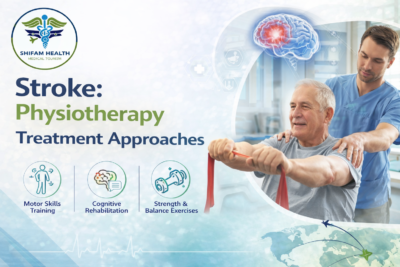
Stroke: Physiotherapy Treatment Approaches (Updated)
Filters & Insights
Discover updated stroke physiotherapy approaches, recovery timelines, and costs. Learn why India is a top destination for stroke rehab.

What is Stroke Rehabilitation & Why Physiotherapy Matters
Stroke remains one of the leading causes of long-term disability worldwide, affecting millions of patients every year. For international patients seeking advanced rehabilitation, physiotherapy for stroke recovery is one of the most effective ways to restore movement, balance, and independence. Modern stroke physiotherapy treatment approaches—such as neurodevelopmental therapy, constraint-induced movement therapy, mirror therapy, and task-oriented training—are tailored to each patient’s unique condition, whether ischemic or hemorrhagic stroke. This guide explains the latest, evidence-based physiotherapy treatments for stroke recovery, with a focus on international rehabilitation options for patients traveling abroad for care.
Types of Physiotherapy Approaches for Stroke Recovery
Every stroke rehabilitation journey is unique. Evidence-based stroke physiotherapy treatment approaches are designed to target the patient’s specific deficits—whether related to walking, speech, coordination, or muscle weakness. Below are the most effective physiotherapy methods used worldwide for stroke recovery:
1. Mobility & Gait Training
- Helps patients relearn walking after stroke using parallel bars, treadmills, or assistive devices.
- Strengthens weak leg muscles, restores joint flexibility, and improves walking balance.
- Prevents complications such as contractures, stiffness, and falls.
2. Constraint-Induced Movement Therapy (CIMT)
- Involves restricting the stronger limb to force the brain to rewire.
- Encourages active use of the weaker side, enhancing neuroplasticity and recovery.
3. Robotic-Assisted Physiotherapy
- Uses robotic exoskeletons and devices to aid repetitive movements in arms and legs.
- Provides high-intensity physiotherapy training proven to accelerate recovery.
4. Balance & Postural Training
- Focuses on core strengthening exercises and standing balance training.
- Improves coordination and reduces the risk of future falls, enhancing independence.
5. Functional Electrical Stimulation (FES)
- Delivers mild electrical impulses to weak muscles.
- Helps re-establish nerve-muscle connection and improves coordinated movements.
6. Occupational Therapy & Speech Therapy Integration
- Restores independence in daily living activities like eating, dressing, and bathing.
- Combines physiotherapy with speech therapy for patients with language or swallowing difficulties.
Also Read :- Heart Attack and Stroke: How Are They Different?
Evidence-Based Stroke Recovery Timelines & Outcomes
Recovering from a stroke is a step-by-step journey influenced by several factors, including the severity of brain damage, patient’s age, and access to specialized stroke rehabilitation physiotherapy. Clinical studies consistently highlight that early and intensive therapy leads to the best long-term outcomes.
Here’s what most patients can expect:
- First 3 Months (Golden Window): The brain undergoes the most rapid neurological recovery after stroke. Intensive physiotherapy during this period can significantly improve movement, walking ability, and speech.
- 3–6 Months: With consistent therapy, patients achieve major functional gains such as improved balance, strength, and independence in daily activities.
- 6–12 Months: Recovery continues at a slower pace, but advanced physiotherapy approaches (robotics, constraint-induced therapy, FES) can still enhance mobility and coordination.
- 12 Months & Beyond: Progress may be gradual, but ongoing therapy prevents complications such as muscle stiffness, joint contractures, and falls, while maintaining independence.
📌 Evidence from stroke rehabilitation studies shows that patients enrolled in structured physiotherapy programs have higher mobility scores, greater independence, and better quality of life compared to those with delayed or limited therapy.
Stroke Rehabilitation Journey: Step-by-Step Recovery
Understanding what happens during stroke rehabilitation helps patients and families prepare both emotionally and practically. The recovery pathway is structured but personalized, ensuring every patient receives care tailored to their needs.
1: Initial Assessment
- Comprehensive neurological examination and physiotherapy evaluation.
- Rehab specialists set short- and long-term recovery goals in collaboration with patients and caregivers.
2: Early Mobilization (First 24–48 Hours)
- Gentle limb movements and sitting up to stimulate circulation and prevent stiffness.
- Reduces risks of bed sores, pneumonia, and muscle contractures.
3: Intensive Physiotherapy
- Daily therapy sessions focused on walking after stroke, upper limb training, and balance improvement.
- Incorporates advanced rehabilitation methods such as robotic-assisted therapy, functional electrical stimulation (FES), and constraint-induced therapy.
4: Functional Recovery & Independence
- Training for activities of daily living (ADLs): eating, dressing, bathing, toileting.
- Community reintegration programs and family education to support independence.
5: Long-Term Maintenance & Follow-Up
- Home-based physiotherapy exercise programs tailored for ongoing strength and mobility.
- Regular follow-ups to track progress, prevent relapse, and adapt therapy as needed.
Choosing the Right Facility for Stroke Rehabilitation
Selecting the right rehabilitation center is crucial. Consider:
- Multidisciplinary team: Neurologists, physiotherapists, occupational therapists, speech therapists
- Advanced technologies: Robotic-assisted rehab, FES, VR-based therapies
- Accreditation & quality standards: JCI/NABH-certified hospitals for international credibility
- Personalized care: One-on-one sessions, patient-centric goals
- International patient support: Visa assistance, interpreters, accommodation support
Cost of Stroke Physiotherapy & Medical Tourism Options
The cost of stroke rehabilitation differs significantly worldwide, depending on the country, type of treatment, and length of hospital stay. India has become a preferred destination for medical tourism in stroke rehabilitation, offering world-class facilities at affordable prices compared to the USA, UK, and Gulf countries.
Average Cost of Stroke Rehab (3 months):
- USA / UK: $15,000 – $30,000
- Middle East / Gulf Countries: $10,000 – $20,000
- India: $3,000 – $6,000 (comprehensive rehab including advanced physiotherapy, robotic therapy, and FES)
👉 That means patients can save up to 70% by choosing India for their stroke rehabilitation without compromising on quality.
Key Factors Influencing Stroke Rehab Cost
- Type & Frequency of Physiotherapy: Daily intensive sessions cost more than intermittent therapy.
- Use of Advanced Technologies: Robotic-assisted rehab, FES, and virtual reality therapy may add to the cost but accelerate recovery.
- Hospital Stay Duration: Longer inpatient stays increase total expenses.
- Inpatient vs. Outpatient Care: Inpatient rehab is more structured but higher in cost, while outpatient rehab offers flexibility and affordability.
- Specialist Expertise & Facilities: Accredited hospitals with experienced stroke specialists ensure better recovery outcomes.
💬 Looking for a transparent stroke rehab cost estimate tailored to your case?
How Shifam Health Helps You
Shifam Health supports international patients throughout their treatment journey by making the process simple, affordable, and well-coordinated.
Shifam Health helps you by:
- Connecting you with experienced neurologists, physiotherapists, and top rehab centers in India
- Recommending hospitals based on your medical condition and budget
- Assisting with medical visa, travel planning, and accommodation
- Providing airport pick-up and dedicated support during your stay
- Offering multilingual coordinators for smooth communication
- Ensuring transparent pricing with high-quality care
🌍 Patients from the USA, UK, Gulf, and Africa trust Shifam Health for faster recovery, personalized support, and cost-effective treatment in India.
FAQs: Stroke Physiotherapy & Rehabilitation
How soon should physiotherapy start after a stroke?
Ideally within 24–48 hours after stabilization. Early mobilization prevents complications and speeds recovery.
Can stroke patients walk again with physiotherapy?
Yes. With intensive therapy, many patients regain walking ability, though some may need assistive devices.
What is the role of robotic physiotherapy in stroke rehab?
Robotics provides repetitive, precise movements, accelerating neuroplasticity and recovery.
How long should stroke rehabilitation continue?
At least 6–12 months, though long-term therapy may be needed for maximum independence.
Is stroke rehab in India safe for international patients?
Absolutely. Accredited hospitals provide high-quality care, international support, and affordable costs.
What if my family cannot travel with me?
Hospitals in India provide patient coordinators, online family updates, and dedicated care staff.
Conclusion
As we have discussed, physiotherapy plays a crucial role in stroke recovery by helping patients regain movement, independence, and confidence in their daily lives. With the right rehabilitation plan, consistent therapy, and expert guidance, recovery outcomes can improve significantly.
India offers a strong combination of advanced rehabilitation centers, experienced specialists, and affordable treatment options, making it a preferred choice for international patients seeking effective stroke recovery.
With proper support, timely care, and the right medical team, patients can take meaningful steps toward recovery and a better quality of life.
Recent Posts
Quick Inquiry Form
Popular Posts From Last Week
- March 13, 2026
- Areen Fatima
Gallbladder cancer is a rare but aggressive cancer that develops in the gallbladder, a small organ located under…
- March 13, 2026
- Zainab Khan
Seeking medical treatment abroad has become increasingly common for patients who require specialised procedures, advanced technologies, or experienced…
- March 13, 2026
- Zainab Khan
Hair loss affects millions of people worldwide and is often caused by genetics, aging, hormonal imbalance, or medical…
- March 14, 2026
- Zainab Khan
Traveling abroad for medical treatment has become increasingly common, particularly for patients seeking specialized procedures, advanced medical technologies,…
- March 13, 2026
- Zainab Khan
Kidney disease is one of the most serious global health concerns, affecting millions of people worldwide. When the…
- March 14, 2026
- Areen Fatima
Kidney cancer treatment can be expensive in many countries, especially when surgery, hospital stays, diagnostic tests, and post-treatment…
- March 14, 2026
- Maliha Rasul
বর্তমান সময়ে অনেক মানুষ দীর্ঘস্থায়ী ক্লান্তি, হজম সমস্যা, মানসিক চাপ এবং লাইফস্টাইল রোগে ভুগছেন। এসব সমস্যার প্রাকৃতিক সমাধান…
- March 14, 2026
- Zainab Khan
Heart disease continues to be one of the leading causes of death globally. When coronary arteries become severely…
- March 14, 2026
- Zainab Khan
Bone marrow transplant (BMT), also known as hematopoietic stem cell transplant, is a life-saving treatment used to treat…
- March 19, 2026
- shifamhealth
What is Stroke Rehabilitation & Why Physiotherapy Matters Stroke remains one of the leading causes of long-term disability…
- March 15, 2026
- Maliha Rasul
Panchakarma is one of the most powerful detoxification therapies in Ayurveda, designed to remove toxins from the body…
- March 15, 2026
- Maliha Rasul
Panchakarma, an ancient Ayurvedic detoxification therapy, has become increasingly popular among international patients seeking holistic wellness. For Bangladeshi…