



What is Vascular Surgery in India: Risks, Benefits, and Recovery (Updated Guide 2026)

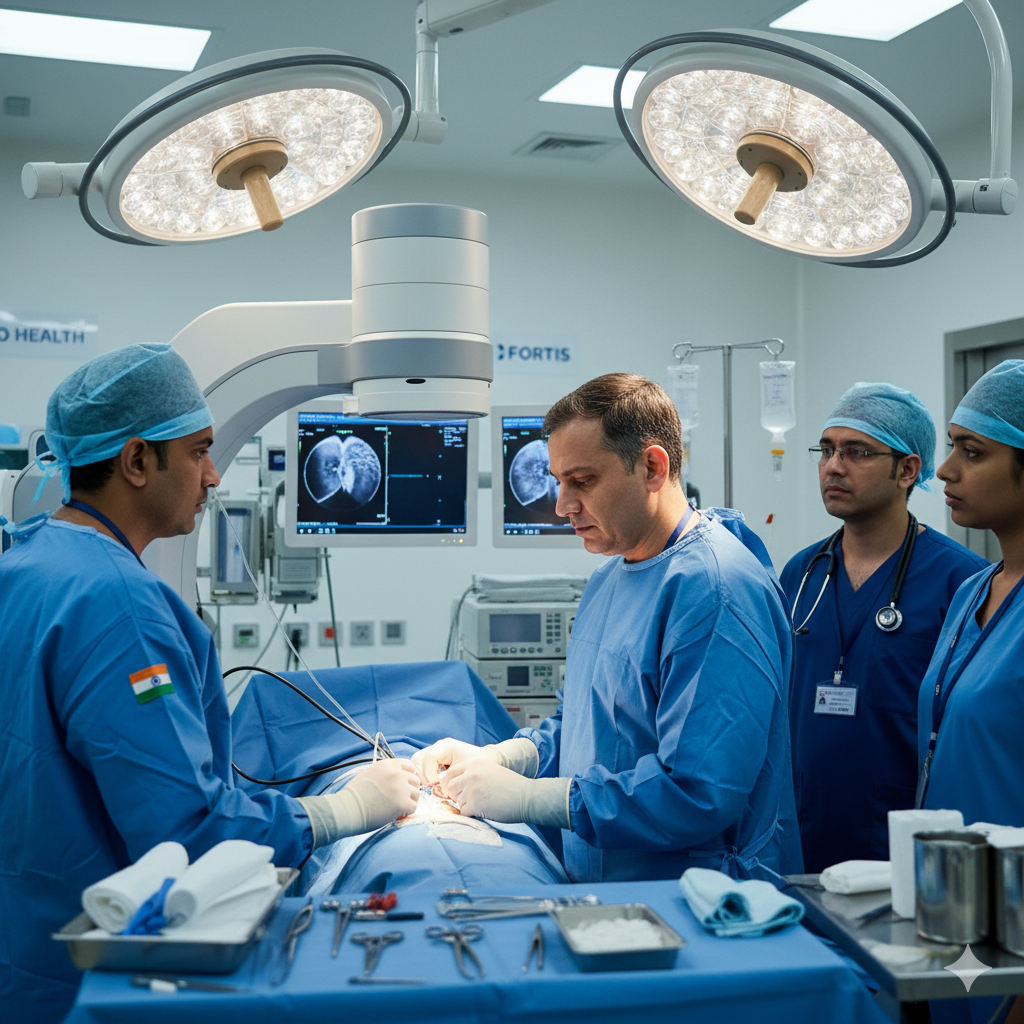
Introduction: Understanding Vascular Surgery and Why India Leads in 2026
Vascular surgery is a specialized field that deals with diseases of the blood vessels — arteries, veins, and lymphatic circulation — outside of the heart and brain. From treating life-threatening aneurysms to restoring circulation in patients with peripheral artery disease, vascular surgery plays a vital role in maintaining healthy blood flow throughout the body.
Over the past decade, India has become one of the world’s top destinations for vascular surgery, attracting patients from the USA, UK, Africa, Bangladesh, the Middle East, and Central Asia. Patients travel to India not just for affordability but for world-class surgical outcomes, cutting-edge technology, and internationally accredited hospitals.
If you’re exploring vascular surgery abroad, this comprehensive 2026 guide will help you understand every aspect — from the procedure and benefits to costs, risks, and recovery — and how Shifam Health can connect you with the best vascular surgeons in India.
📞 Get a Free Treatment Estimate from Shifam Health — and receive expert guidance on your best hospital and doctor options in India. or Fast track you connect with us on WhatsApp directly.
What Is Vascular Surgery?
Vascular surgery focuses on treating disorders of the circulatory system — the network of veins and arteries that carry oxygen and nutrients throughout the body.
These conditions can include:
- Blocked or narrowed arteries (Peripheral Artery Disease)
- Aneurysms (bulging of artery walls)
- Varicose veins and chronic venous insufficiency
- Carotid artery disease (risk of stroke)
- Dialysis access issues for kidney patients
Depending on the condition, surgeons perform either:
- Open Vascular Surgery: Traditional procedures involving direct access to the blood vessel.
- Endovascular Surgery: Minimally invasive, catheter-based techniques using advanced imaging guidance for quicker recovery and minimal scarring.
Common Types of Vascular Surgeries in India (Updated)
1. Endovascular Surgery
Minimally invasive technique using catheters and stents to treat blocked arteries or aneurysms.
✅ Faster recovery
✅ Fewer complications
✅ Short hospital stay
2. Bypass Surgery (Peripheral or Aorto-Femoral)
Used to restore blood flow by creating an alternate path around blocked arteries.
Common in patients with peripheral artery disease (PAD) or critical limb ischemia.
3. Varicose Veins Surgery (Laser or Radiofrequency Ablation)
Minimally invasive treatment to close damaged veins, improving circulation and cosmetic appearance.
4. Carotid Endarterectomy / Stenting
Removes plaque buildup in carotid arteries to reduce stroke risk.
5. Aneurysm Repair Surgery
Involves either open surgery or endovascular aneurysm repair (EVAR) to prevent rupture of weakened arteries.
6. Dialysis Access Surgery (AV Fistula Creation)
Creates access for long-term dialysis in kidney patients.
Each procedure is performed using the latest vascular imaging and microsurgical tools for precision and safety.
Cost of Vascular Surgery in India (Updated 2026)
| Type of Surgery | Average Cost (USD) | Top Cities in India |
|---|---|---|
| Endovascular Surgery | $3,500 – $6,000 | Delhi, Mumbai, Hyderabad |
| Varicose Veins (Laser) | $1,200 – $2,500 | Chennai, Bangalore |
| Bypass Surgery | $5,000 – $7,000 | Delhi, Kochi |
| Aneurysm Repair | $4,000 – $6,500 | Hyderabad, Pune |
| Carotid Surgery | $4,000 – $5,500 | Delhi, Chennai |
💡 Note: Costs m
Comparison:
- USA/UK: $25,000 – $40,000
- India: 70–80% lower with equal success rates
Note: Costs vary based on hospital, surgeon experience, room type, and additional investigations.
💬 Want an accurate quote?
📞 Get a Free Treatment Estimate from Shifam Health within 24 hours.
Top Hospitals for Vascular Surgery in India
India’s top multi-specialty hospitals offering advanced vascular treatments include:
- Apollo Hospitals (Delhi, Chennai, Hyderabad)
- Fortis Healthcare (Gurgaon, Bangalore, Mumbai)
- Max Super Specialty Hospital (Delhi)
- Medanta – The Medicity (Gurgaon)
- Artemis Hospitals (Gurgaon)
- Yashoda Hospitals (Hyderabad)
- Aster Medcity (Kochi)
All these hospitals have state-of-the-art vascular units, ICU care, and international patient departments.
Leading Vascular Surgeons in India (2026)
- Dr. Rajiv Parakh – Chairman, Medanta Vascular Institute, Gurgaon
- Dr. Vimal Gokhale – Senior Consultant, Apollo Hospitals, Chennai
- Dr. Sujay Shad – Senior Vascular Surgeon, Sir Ganga Ram Hospital, Delhi
- Dr. Ajay Yadav – Head of Vascular Surgery, Yashoda Hospitals, Hyderabad
- Dr. A.K. Krishnamoorthy – Consultant, Aster Medcity, Kochi
These surgeons are known for performing complex vascular reconstructions with outstanding outcomes and high international patient satisfaction.
✅ Benefits of Getting Vascular Surgery in India
- Affordable treatment at world-class hospitals
- Minimally invasive techniques for faster recovery
- High surgical success rates (comparable to Western countries)
- Multilingual international support teams
- Tailored post-surgery rehabilitation programs
- Seamless visa, travel, and accommodation assistance through Shifam Health
⚠️ Risks and Complications of Vascular Surgery
While vascular surgery is generally safe under expert hands, like any major procedure, it carries potential risks:
- Bleeding or clot formation
- Infection at the surgical site
- Allergic reaction to anesthesia
- Graft failure or re-blockage
- Slow wound healing (especially in diabetic patients)
Indian hospitals minimize these risks through strict sterilization, advanced imaging guidance, and meticulous post-operative monitoring.
Recovery After Vascular Surgery: Step-by-Step
Immediate Post-Surgery
- Most patients stay in the hospital for 2–5 days, depending on the surgery type.
- Vital signs and circulation are closely monitored.
- Early mobilization is encouraged for faster recovery.
At-Home Recovery
- Light physical activity recommended after 1–2 weeks.
- Avoid smoking and fatty foods to prevent arterial blockage.
- Follow medication and wound care instructions carefully.
Diet and Lifestyle Adjustments
- Eat fiber-rich, heart-healthy meals.
- Manage blood pressure and cholesterol.
- Regular follow-ups every 3–6 months.
Recovery time:
- Minimally invasive procedures: 1–2 weeks
- Open surgeries: 4–6 weeks
📞 Need personalized recovery guidance?
Contact Shifam Health’s care coordinators for remote follow-ups and nutrition counseling.
✈️ Preparing for Your Medical Trip to India
For international patients, India offers a smooth and supportive medical tourism pathway.
Step 1: Contact Shifam Health for doctor/hospital recommendations.
Step 2: Receive treatment plan & cost estimate within 24 hours.
Step 3: Apply for an Indian Medical Visa (Shifam Health assists).
Step 4: Fly to India – airport pickup and interpreter provided.
Step 5: Begin treatment and recovery with hospital coordination support.
📞 Get a Free Treatment Estimate from Shifam Health
We assist you from visa to recovery. For visa assistance, Click here
🌟 Real Success Stories
“I came from Nigeria for my father’s leg bypass surgery at Medanta Hospital. The Shifam Health team helped us with everything — visa, hotel, and treatment coordination. My father can now walk pain-free again.”
— Amina Yusuf, Nigeria
“I traveled from Bangladesh for varicose vein surgery. The doctor explained everything in detail, and I was discharged the next day. India is truly advanced and affordable.”
— Rafiq Ahmed, Dhaka
These stories reflect India’s growing reputation for safe, successful, and compassionate vascular care.
💼 How Shifam Health Helps International Patients
Shifam Health simplifies your medical journey by offering:
- Free medical opinions from India’s top vascular specialists
- Transparent hospital cost comparisons
- Visa, accommodation, and interpreter assistance
- Dedicated patient manager throughout your trip
- 24×7 post-treatment support and teleconsultation
📞 Get a Free Treatment Estimate from Shifam Health — and start your recovery with India’s most trusted hospitals.
❓ Frequently Asked Questions (FAQs)
Yes. India’s top hospitals are internationally accredited (JCI/NABH) with success rates comparable to the USA and UK.
Depending on the procedure, it ranges from $1,200 to $7,000, which is 70–80% lower than in Western countries.
Apollo, Fortis, Medanta, Artemis, Max, and Yashoda Hospitals are among the most advanced for vascular and endovascular procedures.
Minimally invasive surgery usually takes 1–2 weeks; open surgery may require 4–6 weeks.
Absolutely. Shifam Health provides complete end-to-end medical tourism support for all international patients
Conclusion: India — The Global Leader in Vascular Surgery
Vascular surgery can restore mobility, prevent complications, and significantly improve quality of life. With expert surgeons, state-of-the-art facilities, and affordable pricing, India has become the global hub for vascular and endovascular treatments.
If you or a loved one is considering vascular surgery abroad, let Shifam Health be your trusted medical partner.
📞 Get a Free Treatment Estimate from Shifam Health