



Home > Blog > Bone Marrow Transplant for Multiple Myeloma in India: A Comprehensive Guide to Advanced, Affordable Care
Bone Marrow Transplant for Multiple Myeloma in India: A Comprehensive Guide to Advanced, Affordable Care
Filters & Insights
Written By :
Medically Reviewed By :

Shifam Health Medical Team
Shifam Health - Medical Reviews Department
10+ Years Of Experience
Explore advanced bone marrow transplant for multiple myeloma in India. World-class care at 60-70% lower costs with high success rates.
📅
Last updated: May 5, 2026
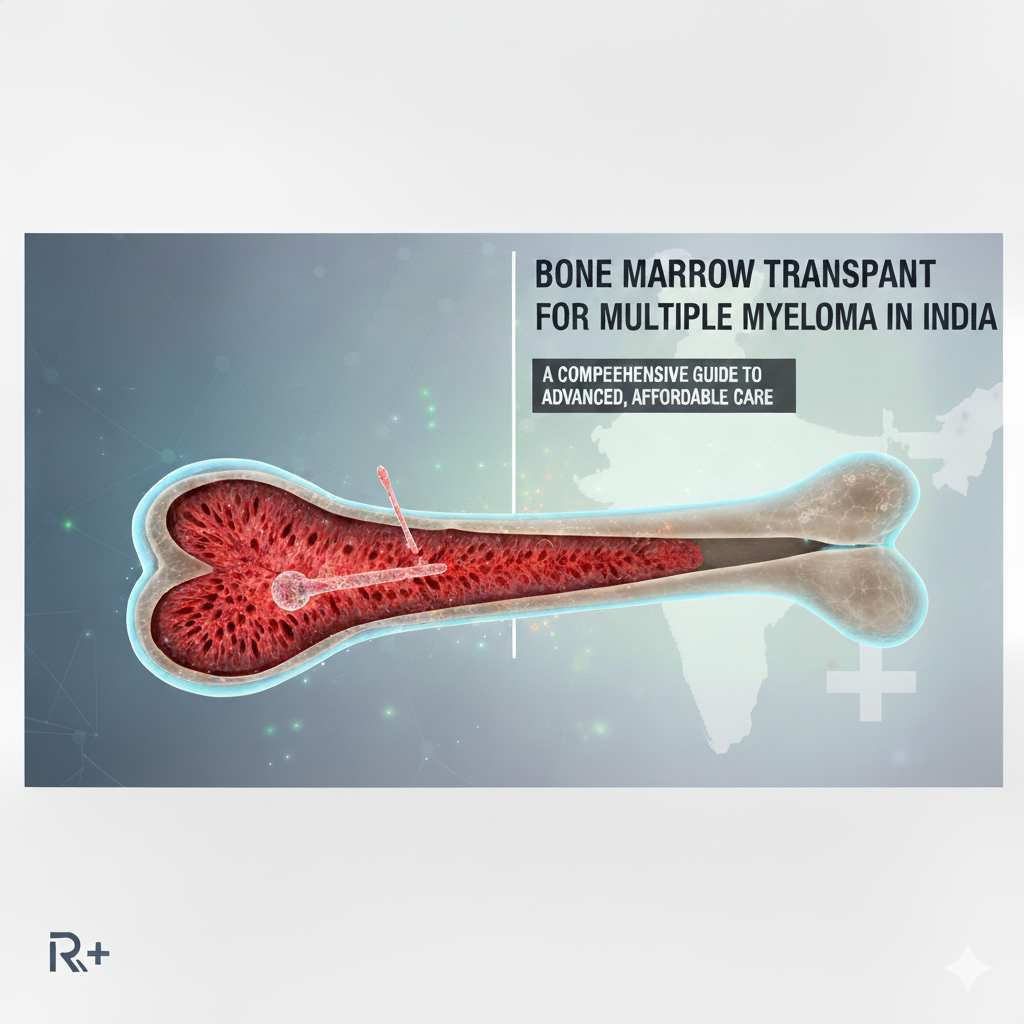
Multiple myeloma, a cancer of plasma cells in the bone marrow, presents a complex challenge that requires sophisticated treatment approaches. For patients facing this diagnosis, bone marrow transplant (also known as stem cell transplant) has emerged as a potentially curative treatment option. However, the high costs associated with this procedure in Western countries have often made it inaccessible to many patients. This is where India has emerged as a game-changer in global healthcare, offering world-class bone marrow transplant facilities at a fraction of Western costs, without compromising on quality or success rates.
The evolution of hematology care in India represents a remarkable success story in medical excellence. Over the past decade, Indian hospitals have developed comprehensive bone marrow transplant programs that incorporate the latest international protocols, advanced technology, and highly trained medical professionals. This convergence of medical expertise and cost-effectiveness has positioned India as a preferred destination for international patients seeking quality multiple myeloma treatment.
Table of Contents
ToggleUnderstanding Bone Marrow Transplant for Multiple Myeloma
The Science Behind the Treatment
Bone marrow transplant for multiple myeloma involves replacing diseased bone marrow with healthy stem cells. The procedure typically follows high-dose chemotherapy, which aims to eliminate cancerous plasma cells. There are two primary types of transplants: autologous (using the patient’s own stem cells) and allogeneic (using donor stem cells). For multiple myeloma patients, autologous transplant is more commonly recommended, particularly as an initial treatment following induction therapy.
The transplant process represents a crucial therapeutic approach because it allows administration of higher chemotherapy doses than would otherwise be possible. By rescuing the bone marrow with transplanted stem cells, doctors can aggressively target myeloma cells while minimizing permanent damage to the bone marrow. This approach has significantly improved survival rates and quality of life for countless multiple myeloma patients worldwide.
Eligibility and Preparation
Not every multiple myeloma patient is an immediate candidate for bone marrow transplant. Eligibility depends on various factors including age, overall health, kidney function, and the specific characteristics of the myeloma. Typically, patients under 70 years in reasonably good health are considered potential candidates. The evaluation process involves comprehensive testing including blood tests, bone marrow biopsy, imaging studies, and cardiac and pulmonary function assessments.
Preparation for transplant involves several crucial steps. Patients first undergo stem cell collection through apheresis after receiving growth factor injections. The collected cells are frozen and stored while the patient undergoes high-dose chemotherapy. This preparatory phase, known as conditioning, typically lasts 5-7 days and requires careful monitoring by a multidisciplinary medical team.
Why India Excels in Hematology Care
World-Class Medical Infrastructure
Indian hospitals specializing in bone marrow transplantation boast infrastructure that rivals the best facilities globally. These centers feature state-of-the-art transplant units with HEPA-filtered air systems, advanced apheresis equipment, and sophisticated laboratory support. The hematology departments are typically staffed by specialists trained at premier international institutions, bringing global expertise to patient care.
The technological capabilities extend to advanced diagnostics including flow cytometry, cytogenetic testing, and molecular monitoring, all essential components for successful multiple myeloma management. Many centers also participate in international clinical trials, ensuring patients have access to the latest treatment protocols and emerging therapies.
Unmatched Cost Advantages
The most significant advantage of choosing India for bone marrow transplant is the substantial cost savings. A procedure that might cost $200,000-$300,000 in the United States typically ranges between $25,000-$40,000 in India representing savings of 60-70%. This cost includes the complete transplant process: pre-transplant evaluation, stem cell collection, high-dose chemotherapy, hospital stay, and initial follow-up care.
This cost advantage does not stem from compromised quality but rather from efficient healthcare delivery systems, lower operational costs, and high patient volumes that allow hospitals to maintain quality while reducing expenses. For international patients, this cost difference often makes the crucial difference between accessing treatment or facing financial ruin.
High Success Rates and Quality Outcomes
Indian transplant centers report success rates that compare favorably with international standards. Overall survival rates for autologous transplants in multiple myeloma typically range between 85-90% for transplant-related survival, with long-term disease control achieved in a significant proportion of patients. These excellent outcomes reflect the expertise of medical teams, adherence to international protocols, and comprehensive supportive care.
The quality of outcomes is further enhanced by meticulous infection control practices, sophisticated supportive care, and personalized treatment approaches. Many centers employ minimal residual disease (MRD) monitoring to assess treatment depth and guide subsequent therapy decisions, representing the cutting edge of multiple myeloma management.
Also Read: Affordable Bone Marrow Transplant in India for African Patients: Cost, Packages & Trusted Hospitals
The Treatment Journey: What to Expect
Pre-Transplant Phase
The transplant journey begins with thorough evaluation and preparation. Patients undergo extensive testing to assess their fitness for the procedure and to establish baseline health parameters. This phase also involves stem cell mobilization and collection – a process where growth factors stimulate the bone marrow to release stem cells into the bloodstream, from where they’re collected through apheresis.
During this period, patients and families receive detailed education about the transplant process, potential side effects, and care requirements. This comprehensive preparation ensures that everyone involved understands what to expect and can participate actively in the treatment journey.
Transplant and Hospital Stay
The actual transplant process is surprisingly straightforward – the frozen stem cells are thawed and infused through a central venous catheter, similar to a blood transfusion. However, the subsequent weeks require careful monitoring as patients experience the effects of the high-dose chemotherapy and await engraftment – the process where transplanted stem cells begin producing new blood cells.
The hospital stay typically lasts 3-4 weeks, during which patients receive intensive supportive care including blood transfusions, infection prevention, nutritional support, and symptom management. This period requires specialized nursing care and constant medical supervision to manage potential complications and ensure successful recovery.
Recovery and Follow-up
Following discharge from the hospital, recovery continues for several months. Patients require careful monitoring of blood counts, infection surveillance, and gradual rehabilitation. The first 100 days post-transplant are particularly crucial, requiring close follow-up and careful attention to preventing infections and managing late side effects.
Long-term follow-up involves regular monitoring for disease status, management of long-term effects, and maintenance therapy as appropriate. Many Indian centers offer telemedicine consultations for international patients, ensuring continuity of care even after they return home.
Choosing the Right Transplant Center in India
Accreditation and Expertise
When selecting a transplant center in India, several factors warrant consideration. International accreditations like JCI (Joint Commission International) and NABH (National Accreditation Board for Hospitals & Healthcare Providers) provide assurance of quality standards. Additionally, specific credentials in hematology and transplant medicine indicate specialized expertise.
The experience of the medical team is paramount. Centers performing high volumes of multiple myeloma transplants typically demonstrate better outcomes. The ideal center should have a multidisciplinary team including hematologists, transplant specialists, dedicated nurses, nutritionists, and rehabilitation experts – all working in coordination to provide comprehensive care.
Support Services for International Patients
Leading Indian hospitals offer extensive support services for international patients, including assistance with medical visas, airport transfers, accommodation arrangements, and interpreter services. These support systems significantly reduce the stress associated with seeking medical treatment abroad, allowing patients to focus entirely on their recovery.
The Future of Multiple Myeloma Treatment in India
The landscape of multiple myeloma treatment continues to evolve rapidly, and Indian centers are at the forefront of incorporating new advances. From novel immunotherapy approaches to targeted therapies and next-generation transplant protocols, patients in India have access to cutting-edge treatments that are reshaping multiple myeloma outcomes.
Research initiatives and clinical trial participation ensure that Indian hematology centers remain updated with global advancements while contributing to the international knowledge base. This commitment to innovation, combined with compassionate care and cost-effectiveness, positions India as a leader in global hematology care.
Conclusion
For multiple myeloma patients considering bone marrow transplant, India offers a compelling combination of medical excellence, technological sophistication, and remarkable affordability. The country’s hematology centers have demonstrated consistent success in managing complex transplant procedures while maintaining personal attention to patient needs and cultural sensitivities.
The decision to pursue transplant treatment is significant, but the availability of world-class care at accessible costs makes this life-extending treatment available to a much broader population of patients. By choosing India for bone marrow transplant, multiple myeloma patients can access treatment that might otherwise remain out of reach, taking a crucial step toward controlling their disease and improving their quality of life.
| Take the First Step It costs Nothing Share your medical reports with Shifam Health and receive a free, personalized assessment within 24 hours. No commitment. No pressure. Just honest information to help you make the right decision for you and your family. www.shifamhealth.com | contact@shifamhealth.com | WhatsApp: +91 81785 95807 24/7 Support Available | Free Consultation | No Hidden Charges |



Popular Posts From Last Week
- September 30, 2026
- shifamhealth
Medically reviewed content · Published 2026 · Last reviewed September 2026 Rheumatoid arthritis (RA) primarily affects small joints,…
- October 2, 2026
- shifamhealth
Spinal deformity is a broad category, not one disease — it describes abnormalities of spinal curvature, alignment, rotation,…
- October 1, 2026
- shifamhealth
Spinal disc herniation occurs when the soft, gel-like center of an intervertebral disc pushes through a weakened or…