
Delhi Air Pollution 2026: The Complete Guide to Health Effects, Organ Damage, and Protection Strategies

Introduction: Delhi’s Air Quality Crisis Demands Immediate Attention
Delhi’s air quality has deteriorated to catastrophic levels in November 2025, with the Air Quality Index (AQI) soaring past 400 across multiple monitoring stations. On November 12, 2025, Wazirpur recorded an alarming AQI of 458, while the city-wide average settled at 414—firmly in the “severe” category that triggers emergency protocols under the Graded Response Action Plan (GRAP) Stage III.
This annual winter crisis represents far more than seasonal inconvenience. Air pollution in Delhi has evolved into a full-scale public health emergency that silently damages every organ system in your body. Recent estimates from the Health Effects Institute identify air pollution as the fifth leading cause of death in India, claiming approximately 2 million lives nationwide each year. In Delhi specifically, over 2.2 million children have already suffered irreversible lung damage from chronic exposure to toxic air.
Understanding how Delhi’s polluted air affects your health isn’t just academic knowledge—it’s essential survival information for the 30 million residents breathing this toxic atmosphere daily. This comprehensive guide examines the science behind air pollution’s devastating health impacts, identifies the most vulnerable populations, and provides evidence-based protection strategies that can significantly reduce your exposure and risk.
Understanding Delhi’s Air Pollution: The Toxic Components Destroying Our Health
What Makes Delhi’s Air So Dangerous?
Delhi’s air pollution comprises a deadly mixture of pollutants, with two primary culprits causing the most severe health damage:
Fine Particulate Matter (PM2.5): These microscopic particles measure less than 2.5 micrometers in diameter—approximately 30 times smaller than a human hair. Their tiny size allows them to bypass your body’s natural defenses and penetrate deep into lung tissue, eventually entering your bloodstream and traveling to virtually every organ system.
In November 2025, PM2.5 levels in Delhi averaged 539 on the AQI scale, representing concentrations over 35 times higher than the World Health Organization’s safe limit of 15 µg/m³. These particles carry toxic compounds including lead, arsenic, and black carbon, acting as Trojan horses that deliver poisonous payloads directly into your cells.
Nitrogen Dioxide (NO2): This reddish-brown gas originates primarily from vehicle exhaust and industrial emissions. While NO2 levels averaged 46 on the AQI scale in November 2025, concentrations spike dramatically during rush hour traffic. NO2 irritates airways, forms ground-level ozone when combined with other pollutants, and significantly amplifies oxidative stress throughout your body.
The Sources: Why Delhi’s Air Remains Toxic Year After Year
Multiple factors converge to create Delhi’s pollution nightmare:
- Agricultural stubble burning from neighboring Punjab and Haryana contributes massive smoke plumes during harvest seasons
- Vehicular emissions from over 10 million registered vehicles release continuous nitrogen oxides and particulates
- Construction dust from ongoing development projects adds coarse and fine particulate matter
- Industrial emissions from surrounding manufacturing zones
- Diwali fireworks create temporary but extreme pollution spikes
- Winter weather inversions trap pollutants close to ground level, preventing dispersion
According to former AIIMS director Dr. Randeep Guleria, approximately 70% of days in 2025 registered unsafe AQI levels. Living in Delhi during high-pollution periods equals smoking 8-10 cigarettes daily—even if you’ve never touched tobacco.
The Respiratory System: Ground Zero for Air Pollution Damage
How Polluted Air Destroys Your Lungs
Your respiratory system bears the brunt of Delhi’s toxic air assault. When you inhale, PM2.5 particles slip past nasal defenses and deposit directly into alveoli—the tiny air sacs where oxygen exchange occurs. Once lodged in lung tissue, these particles trigger a destructive cascade of cellular damage through oxidative stress.
The Mechanism of Lung Damage:
Pollutants generate reactive oxygen species (free radicals) that attack cell membranes through lipid peroxidation. This process oxidizes the fatty molecules in lung tissue, causing widespread inflammation and eventually scarring. The damage impairs your lungs’ ciliary clearance system—the tiny hair-like structures that normally sweep debris and mucus out of your airways.
Immediate Effects:
During high-pollution episodes like November 11, 2025 (AQI 425), Delhi hospitals reported a 15-20% surge in pediatric respiratory cases. Short-term exposure exacerbates asthma attacks, triggers acute bronchitis, and causes severe breathing difficulties in people with existing respiratory conditions.
Long-Term Consequences:
Chronic exposure leads to devastating permanent damage:
- Chronic Obstructive Pulmonary Disease (COPD): Progressive airway obstruction that makes breathing increasingly difficult
- Lung cancer: PM2.5’s genotoxic effects directly mutate DNA in lung epithelial cells
- Reduced lung function: Studies show Delhi residents experience 40.3% reduced lung capacity compared to just 20.1% in areas with cleaner air
- Childhood developmental delays: Delhi’s 2.2 million affected children show up to 20% reduced lung capacity, affecting their health throughout life
NO2 amplifies respiratory damage by irritating bronchial passages, increasing mucus production, and triggering abnormal immune responses that lead to metaplasia (abnormal cell growth) and dysplasia—recognized precursors to lung cancer.
Cardiovascular System: How Air Pollution Attacks Your Heart
The Hidden Cardiac Threat in Every Breath
PM2.5 particles don’t remain confined to your lungs. These ultrafine pollutants cross into your bloodstream through damaged alveolar walls, hitching rides on red blood cells to reach your heart and blood vessels.
Mechanisms of Cardiovascular Damage:
Once in circulation, PM2.5 particles and associated toxins like black carbon trigger endothelial dysfunction—damage to the inner lining of blood vessels. This process unfolds through several pathways:
- Inflammatory cascade: Pollutants stimulate cytokine release, causing chronic vessel wall inflammation
- Atherosclerotic plaque formation: Inflammation promotes cholesterol deposits that narrow and harden arteries
- Oxidative stress: Free radicals oxidize LDL cholesterol, accelerating dangerous clot formation
- Autonomic imbalance: Ultrafine particles disrupt the electrical signals controlling heart rhythm
Documented Health Impacts:
Recent research and clinical data from Delhi paint a disturbing picture:
- Cardiovascular hospitalizations increased 25% during peak smog periods when PM2.5 reached 165 µg/m³ (11 times WHO safe limits)
- Stroke and heart failure risks rise 15-20% during prolonged exposure to severe air pollution
- Exposure to AQI levels around 500 produces cardiovascular stress equivalent to smoking 49 cigarettes daily
- Life expectancy decreases by up to 10 years in heavily polluted areas compared to cleaner regions
Dr. Guleria warns that chronic inflammation affecting blood vessels represents one of air pollution’s most insidious long-term health threats, as damage accumulates silently over years before manifesting as heart attacks, strokes, or heart failure.
Neurological Damage: Air Pollution’s Assault on Your Brain
How Toxic Air Crosses Into Your Brain
Perhaps most alarming are recent discoveries about air pollution’s effects on neurological health. PM2.5 particles can breach the blood-brain barrier—your brain’s protective filter—due to their nanoscale dimensions and inflammatory effects that compromise barrier integrity.
Brain Damage Mechanisms:
Once PM2.5 enters brain tissue, it triggers multiple destructive processes:
- Neuroinflammation: Brain immune cells (microglia) become overactivated, releasing inflammatory cytokines that damage neurons
- Oxidative stress: Free radicals specifically target hippocampal cells essential for memory formation and retrieval
- Synaptic dysfunction: Pollutants impair connections between nerve cells, disrupting information processing
- Neurotransmitter imbalance: Toxic exposure alters production and function of brain chemicals regulating mood and cognition
Cognitive and Mental Health Consequences:
Research findings from 2025 reveal disturbing neurological impacts:
- Long-term PM2.5 exposure increases dementia risk by approximately 15%
- Delhi children show measurable IQ reductions from prenatal and early childhood pollution exposure—affecting 2.2 million young residents
- Adults face elevated risks of early-onset Alzheimer’s disease and cognitive decline
- Stroke incidence increases due to pollution-induced damage to cerebral blood vessels
- Depression and anxiety rates correlate with pollution exposure levels
NO2 exacerbates neurological damage by contributing to ground-level ozone formation, which further impairs synaptic plasticity—your brain’s ability to form new neural connections essential for learning and memory.
Systemic Effects: Air Pollution Damages Every Organ System
Beyond Lungs, Heart, and Brain: Whole-Body Impact
Air pollution’s toxic effects extend throughout your entire body, damaging organs and systems that many people don’t associate with air quality:
Skin Health: PM2.5 particles generate oxidative stress that breaks down your skin’s protective barrier, leading to:
- Increased acne and eczema flare-ups (30% rise in cases during 2025 winter)
- Premature aging with accelerated wrinkle formation
- Chronic inflammatory skin conditions
- Impaired wound healing
Kidney and Liver Function: These vital filtration organs work overtime processing air pollution toxins, leading to:
- Progressive tissue fibrosis (scarring)
- Increased chronic kidney disease risk
- Impaired detoxification capacity
- Elevated risk of organ failure with prolonged exposure
Reproductive Health: Air pollution significantly impacts fertility and pregnancy outcomes:
- Hormone disruption affecting both male and female fertility
- DNA damage to sperm and egg cells
- 20% increased risk of preterm birth in high-PM2.5 areas
- Low birth weight babies
- Developmental complications in newborns
Bone Health: Smog blocks sunlight, reducing vitamin D synthesis and weakening bones:
- Increased osteoporosis risk
- Slower fracture healing
- Reduced calcium absorption
These multi-organ effects result from pollution-induced cellular apoptosis (programmed cell death) and epigenetic changes that alter how your genes function without changing the DNA sequence itself.
Also Read : Top 10 Best Genomic Medicine and Personalized Cancer Therapy Hospitals in India : Updated Guide for 2026
High-Risk Populations: Who Suffers Most from Delhi’s Toxic Air?
Children: The Most Vulnerable Group
Children face disproportionate harm from air pollution for several physiological reasons:
- Higher breathing rates: Children breathe 50% more air per kilogram of body weight than adults
- Developing organs: Growing lungs, brains, and immune systems are more susceptible to permanent damage
- Ground-level exposure: Children’s shorter stature means they breathe air closer to exhaust pipes and dust
- Extended outdoor time: Play activities increase total pollution exposure
Statistical evidence is sobering: 43% of pollution-related insurance claims in 2025 involved children under 10—five times the rate for adults. Delhi’s 2.2 million children with damaged lungs face lifelong respiratory complications, including chronic asthma and reduced physical capacity.
Older People Population: Compounded Health Risks
Adults over 60 experience amplified pollution effects due to:
- Weakened immune systems less capable of managing inflammatory responses
- Pre-existing conditions (heart disease, diabetes, COPD) that pollution exacerbates
- Reduced cellular repair mechanisms
- 3x higher hospitalization rates during severe pollution episodes
While older people represent just 7% of pollution-related insurance claims, their outcomes tend to be more severe, with higher mortality rates during pollution spikes.
Pregnant People and Developing Fetuses
Pregnancy creates unique vulnerabilities:
- Placental transfer of ultrafine particles to developing fetus
- 20% increased preterm birth rates in high-pollution areas
- Low birth weight complications
- Potential long-term developmental impacts on children
Outdoor Workers: Chronic High-Dose Exposure
Rickshaw pullers, street vendors, construction workers, and traffic police face occupational hazards from pollution:
- 10x higher pollutant inhalation rates than indoor workers
- Extended daily exposure periods (8-12 hours)
- Limited access to protective equipment
- Higher cumulative lifetime dose
Residents of slums and informal settlements experience compounded exposure from indoor cooking fires combined with outdoor pollution, creating particularly hazardous conditions.
People with Pre-Existing Conditions
Individuals with asthma, cardiovascular disease, diabetes, or lung conditions experience:
- 25% increase in symptom exacerbations during severe AQI episodes
- More frequent hospitalizations
- Accelerated disease progression
- Reduced treatment effectiveness
A LocalCircles survey found that 75% of Delhi households reported at least one family member falling ill during October-November 2025, with vulnerable groups hit hardest.
Evidence-Based Protection Strategies: Defending Your Health
Indoor Air Quality Management
Your home should serve as a sanctuary from outdoor pollution:
Sealing and Filtration:
- Install weatherstripping on windows and doors to prevent outdoor air infiltration
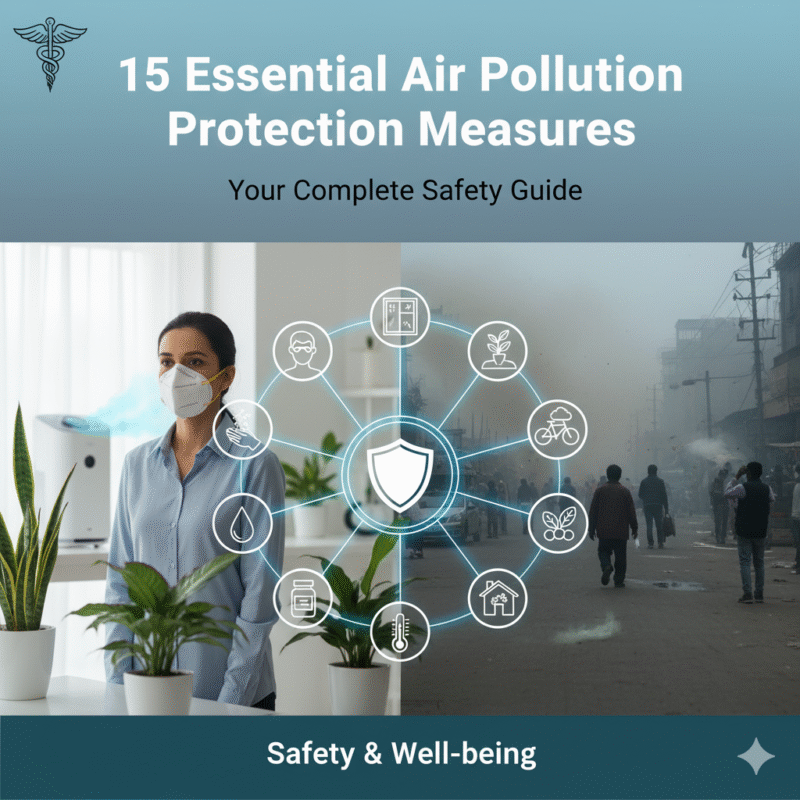
- Use HEPA air purifiers that can reduce indoor PM2.5 by up to 80%
- Keep windows closed during high-pollution hours (typically early morning and evening)
- Run exhaust fans in kitchens and bathrooms to remove indoor pollutants
Optimal Purifier Use:
- Size purifiers appropriately for room dimensions
- Run continuously during high-AQI days
- Replace filters according to manufacturer recommendations
- Position purifiers away from walls for optimal circulation
Personal Protective Equipment
Mask Selection and Use:
- Choose N95 or N99 respirators certified for PM2.5 filtration
- Ensure proper fit with no air gaps around edges
- Replace disposable masks after 8-12 hours of use
- Clean reusable masks according to manufacturer instructions
- Wear consistently when outdoors during poor air quality
When Masks Are Most Critical:
- AQI above 200 (poor to very poor categories)
- Outdoor exercise or physical activity
- Extended time in traffic or congested areas
- For vulnerable individuals, wear even at moderate AQI levels
Nutritional Defense Against Oxidative Stress
Antioxidant-Rich Foods:
- Indian gooseberry (amla): Highest natural vitamin C content
- Omega-3 fatty acids: Found in fish, flaxseeds, walnuts—reduces cardiovascular inflammation by up to 20%
- Vitamin E sources: Nuts, seeds, leafy greens
- Beta-carotene: Carrots, sweet potatoes, dark leafy vegetables
- Curcumin: Turmeric’s active compound with anti-inflammatory properties
Hydration:
- Drink 3 liters of water daily to support toxin elimination through kidneys
- Herbal teas with antioxidant properties (green tea, tulsi tea)
Supplements:
- Vitamin D: Compensates for reduced sunlight exposure (2000-4000 IU daily)
- Vitamin C: Supports immune function
- Consult healthcare providers before starting supplementation
Lifestyle Modifications
Exercise Timing and Location:
- Move workouts indoors during high-pollution periods
- Practice yoga to improve lung capacity by approximately 15%
- Exercise during mid-day when pollution levels tend to be lower
- Avoid outdoor exercise near major roads and traffic intersections
Activity Planning:
- Monitor real-time AQI through CPCB app or reliable air quality platforms
- Schedule outdoor activities during better air quality windows
- Limit children’s outdoor playtime during severe pollution episodes
Vulnerable Group-Specific Precautions
For Children:
- Keep nebulizers readily available for children with asthma
- Ensure schools have adequate indoor air filtration
- Provide N95 masks sized appropriately for children
- Monitor for respiratory symptoms and seek prompt medical attention
Older People :
- Keep emergency medications accessible
- Install air purifiers in bedrooms and main living areas
- Arrange regular health check-ups during pollution season
- Minimize outdoor exposure during peak pollution periods
For Pregnant people:
- Prioritize indoor time with clean air
- Attend prenatal appointments consistently for monitoring
- Consider relocating temporarily during severe pollution periods if feasible
Advocating for Systemic Change
Individual protection is essential, but collective action drives policy improvements:
Support GRAP Implementation:
- Enforcement of vehicle restrictions
- Ban on older, more polluting vehicles
- Strict penalties for stubble burning
- Construction dust control measures
Policy Advocacy:
- Contact elected representatives about air quality concerns
- Support organizations working on environmental policy
- Participate in public consultations on pollution control measures
- Demand better public transportation infrastructure
Conclusion: Clean Air Is a Fundamental Right
Delhi’s air pollution crisis represents one of the most severe public health emergencies of our generation. The evidence is unequivocal: every breath of severely polluted air inflicts measurable damage on your lungs, heart, brain, and virtually every organ system. For children, the older people, pregnant people, and those with pre-existing conditions, these effects are magnified and potentially catastrophic.
Yet this situation is neither inevitable nor acceptable. While individual protection strategies—HEPA purifiers, N95 masks, antioxidant nutrition, strategic activity planning—provide crucial defense, they represent interim measures rather than permanent solutions.
True change requires systemic transformation: transitioning to clean energy, revolutionizing transportation infrastructure, enforcing agricultural alternatives to stubble burning, and implementing stringent industrial emission controls. These solutions exist; what’s needed is political will and sustained public pressure.
Clean air isn’t a luxury available only to the privileged—it’s a fundamental human right. Every Delhi resident deserves to breathe without fear of invisible damage accumulating in their bodies. By combining personal protective measures with collective advocacy for policy change, we can reclaim our right to healthy air.
The question isn’t whether Delhi’s air can improve—cities worldwide have successfully reduced pollution. The question is whether we have the collective determination to demand and implement the solutions that will protect our health, our children’s futures, and generations yet to come.
Your health depends on the air you breathe. Your actions determine the air we’ll breathe tomorrow.
Take charge of your health today. 🌿
Connect instantly with trusted doctors and specialists. 💬
Book consultations with Shifam Health , get expert advice, and manage your care from home. 🩺
Book Your Free Consultation Today. 📱