


Home > Blog > India’s New Edge in Cardiac Care: How Minimally Invasive Procedures Are Slashing Recovery Times
India’s New Edge in Cardiac Care: How Minimally Invasive Procedures Are Slashing Recovery Times
Filters & Insights
Written By :
Medically Reviewed By :

Shifam Health Medical Team
Shifam Health - Medical Reviews Department
10+ Years Of Experience
Discover how India’s new edge in cardiac care is transforming heart treatment. Learn how MI Procedures reducing recovery times
📅
Last updated: September 19, 2026

In the realm of modern cardiac care, a quiet revolution is underway, one that’s transforming how heart surgery is performed and experienced. Across India, a new generation of minimally invasive procedures is rewriting the rules of cardiac treatment, offering patients faster recovery, reduced trauma, and exceptional outcomes. As cardiovascular diseases continue to rise nationally and now accounting for approximately 27% of all deaths in India these advancements couldn’t be more critical . India has not only embraced cutting-edge cardiac technologies but has also positioned itself as a global leader in delivering high-quality, affordable heart care, attracting patients from around the world seeking both excellence and value. This article explores how India’s pioneering work in minimally invasive cardiac surgery is dramatically slashing recovery times and setting new standards in heart care.
Table of Contents
ToggleThe Minimally Invasive Cardiac Surgery Revolution
Minimally invasive cardiac surgery (MICS) represents a paradigm shift in surgical approach, moving away from traditional open-heart procedures that require a large 6-8 inch incision through the breastbone. Instead, MICS utilizes smaller incisions (typically 2-4 inches) between the ribs or under the breast muscle, using specialized instruments and advanced imaging technology to perform complex cardiac procedures .
This approach encompasses several innovative techniques:
- Minimally Invasive Direct Coronary Artery Bypass (MIDCAB) for bypass surgery without full sternotomy
- Video-Assisted Thoracoscopic Surgery (VATS) using miniature cameras and instruments
- Robot-Assisted Cardiac Surgery offering enhanced precision and control
- Transcatheter Procedures such as TAVR (Transcatheter Aortic Valve Replacement)
The fundamental advantage of these techniques lies in their preservation of chest wall integrity, avoiding the need to divide the breastbone unless absolutely necessary. This distinction from traditional approaches forms the basis for the dramatically improved recovery experiences reported by patients .
Also Read : Heart Valve Replacement Surgery Cost in India (2026): A Comprehensive Guide for International Patients
Unprecedented Recovery Advantages: MICS vs. Traditional Surgery
The recovery benefits of minimally invasive cardiac procedures are nothing short of remarkable when compared to traditional open-heart surgery. Consider these compelling comparisons:
Hospital Stay Duration
- MICS patients: Typically discharged in 2-4 days
- Traditional surgery patients: Usually require 5-7 days or longer hospitalization
Return to Daily Activities
- MICS patients: Often resume light activities within 2-3 weeks and desk jobs within 3-4 weeks
- Traditional surgery patients: Generally require 6-8 weeks before returning to normal activities
Pain and Comfort
- MICS patients: Experience significantly less pain by the third day after surgery and require fewer strong painkillers
- Traditional surgery patients: Often experience substantial pain lasting weeks, requiring more opioid medications
Long-Term Recovery Metrics
Research indicates that 98% of MICS patients report no incision-related pain years after surgery, and they demonstrate better physical functioning scores and quality of life assessments at three-month follow-ups. The cosmetic outcomes are also superior, with smaller, less noticeable scars that blend with natural body lines a consideration that significantly impacts psychological recovery, especially among younger patients .
Table: Comparative Recovery Metrics Between MICS and Traditional Cardiac Surgery
| Recovery Aspect | Minimally Invasive Approach | Traditional Open Surgery |
|---|---|---|
| Incision Size | 2–4 inches | 6–8 inches |
| Hospital Stay | 2–4 days | 5–10 days |
| ICU Stay | Often just 1 night | 2–3 nights typically |
| Return to Driving | 2–3 weeks | 4–6 weeks |
| Return to Desk Work | 3–4 weeks | 6–8 weeks |
| Postoperative Pain | Significantly less | More substantial |
| Long-Term Scarring | Minimal, less noticeable | Prominent chest scar |
India’s Surgical Expertise and Cost-Effectiveness
India’s rise as a premier destination for cardiac care is built on three pillars: world-class infrastructure, surgical expertise, and remarkable cost-effectiveness. The country boasts internationally accredited hospitals equipped with cutting-edge technology and staffed by surgeons trained at premier institutions worldwide .
Leading Indian Cardiac Centres
- Apollo Hospitals, Chennai: Specializes in MICS CABG and robotic heart surgery
- Fortis Escorts Heart Institute, Delhi: Globally recognized for advanced cardiac procedures
- Narayana Institute of Cardiac Sciences, Bangalore: One of Asia’s largest heart hospitals
- Asian Heart Institute, Mumbai: Renowned for high success rates in bypass and valve surgeries
Renowned Cardiac Surgeons
India’s surgical talent pool includes internationally respected figures such as:
- Dr. K R Balakrishnan (Fortis Malar, Chennai) – expertise in heart transplants & valve surgery
- Dr. Y K Mishra (Manipal Hospital, Delhi) – pioneering work in aortic valve repair
- Dr. Sandeep Attawar (Global Hospital, Chennai) – renowned for MICS CABG & robotic heart surgery
📞Book your consultation with Shifam Health for Free and plan your medical journey to India today.
Exceptional Cost Advantages
The financial benefits of undergoing cardiac procedures in India are substantial, with costs typically 60-80% lower than in Western countries . This cost advantage makes high-quality cardiac care accessible without compromising on quality or outcomes.
Table: Cost Comparison of Cardiac Procedures in India vs. Other Countries
| Procedure Type | Cost in India (USD) | Cost in US/Europe (USD) | Savings |
|---|---|---|---|
| MICS CABG | $3,600 – $6,000 | $30,000 – $50,000 | 80–85% |
| Heart Valve Repair/Replacement | $4,200 – $7,200 | $40,000 – $60,000 | 80–88% |
| ASD Closure | $3,000 – $4,800 | $25,000 – $35,000 | 85–87% |
| Maze Procedure for AFib | $3,600 – $6,000 | $30,000 – $45,000 | 85–88% |
Technological Advancements Enhancing Recovery
The impressive recovery outcomes achieved through minimally invasive approaches are made possible by ground-breaking technologies that have transformed cardiac surgery:
Robotic Surgical Systems
Advanced robotic platforms provide surgeons with enhanced precision, Intraoperative echocardiography and greater range of motion than traditional techniques. These systems allow surgeons to perform complex procedures through tiny incisions with unprecedented accuracy, reducing tissue damage and accelerating healing .
Improved Perfusion Techniques
Innovations in cardiopulmonary bypass technology have minimized the physiological stress of surgery. Miniaturized circuits reduce blood trauma and inflammation, contributing to smoother postoperative recovery and reduced complication rates .
Enhanced Imaging Modalities
Intraoperative echocardiography and real-time imaging technologies provide detailed visualization of cardiac structures without the need for large incisions. This allows surgeons to navigate and repair delicate cardiac structures with confidence through minimal access points .
Specialized Instrumentation
The development of long-shafted instruments designed specifically for minimally invasive approaches gives surgeons the ability to operate effectively through small ports while maintaining tactile feedback and precision control .
These technological advances, combined with refined surgical techniques, have significantly reduced procedure times and improved safety profiles. Where early minimally invasive procedures sometimes required longer operating times, experienced centres now report comparable or even reduced cross-clamp times for many procedures .
The Future of Cardiac Care in India
India’s trajectory in cardiac surgery points toward continued innovation and leadership in several emerging areas:
Expanded Robotic Capabilities
The number of institutions performing robotic cardiac surgery in Europe grew from 13 in 2016 to 26 by 2019, reflecting a global trend that India has enthusiastically embraced . Leading Indian centres are increasingly investing in robotic technology and surgeon training programs to expand access to these advanced procedures.
Hybrid Procedures
The combination of surgical expertise and interventional techniques in hybrid operating rooms allows for comprehensive treatment of complex cardiac conditions through minimal access. These collaborative approaches are becoming standard in advanced Indian cardiac centres .
Enhanced Recovery Protocols
The integration of ERAS (Enhanced Recovery After Surgery) protocols with minimally invasive techniques represents the next frontier in improving patient experiences. These standardized approaches to preoperative preparation, intraoperative management, and postoperative care further accelerate recovery and reduce complications .
Artificial Intelligence and Precision Surgery
Emerging AI-powered technologies are beginning to assist in surgical planning, intraoperative guidance, and postoperative prediction of complications. Indian researchers and surgeons are actively contributing to these developments, which promise to make cardiac surgery even safer and more effective .
Conclusion
India’s ascendancy in the field of minimally invasive cardiac surgery represents a transformative development in global healthcare. By combining technical expertise, cutting-edge technology, and remarkable cost-effectiveness, Indian cardiac centres have made high-quality heart care accessible to a broader population while achieving outcomes that rival the world’s best institutions.
The dramatic reduction in recovery times with patients returning to normal activities in weeks rather than months represents more than just medical progress; it signifies a fundamental improvement in how patients experience serious cardiac conditions. The psychological benefit of less visible scarring, the economic impact of shorter hospital stays and quicker return to work, and the physical advantage of preserved chest integrity all contribute to a more humane approach to cardiac surgery.
For patients worldwide, India’s cardiac care journey offers both hope and inspiration demonstrating that excellence in healthcare can be achieved while maintaining accessibility and compassion. As minimally invasive techniques continue to evolve and expand, India’s heart centres will undoubtedly remain at the forefront, helping patients recover faster, better, and with greater dignity than ever before.
| Take the First Step It costs Nothing Share your medical reports with Shifam Health and receive a free, personalized assessment within 24 hours. No commitment. No pressure. Just honest information to help you make the right decision for you and your family. www.shifamhealth.com | contact@shifamhealth.com | WhatsApp: +91 81785 95807 24/7 Support Available | Free Consultation | No Hidden Charges |

Popular Posts From Last Week
- October 2, 2026
- shifamhealth
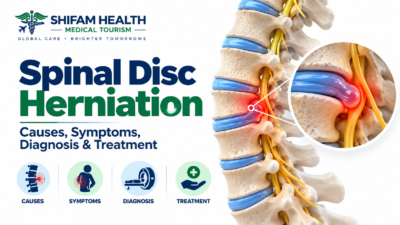
Spinal deformity is a broad category, not one disease — it describes abnormalities of spinal curvature, alignment, rotation,…
- October 1, 2026
- shifamhealth
Spinal disc herniation occurs when the soft, gel-like center of an intervertebral disc pushes through a weakened or…