


Double Valve Replacement Surgery in India (2026): Cost, Types, Risks & Recovery
Filters & Insights
Written By :
Medically Reviewed By :

Shifam Health Medical Team
Shifam Health - Medical Reviews Department
10+ Years Of Experience
Explore double valve replacement surgery in India. Cost from $7,000, hospitals, recovery tips & free consultation for international patients
📅
Last updated: September 19, 2026
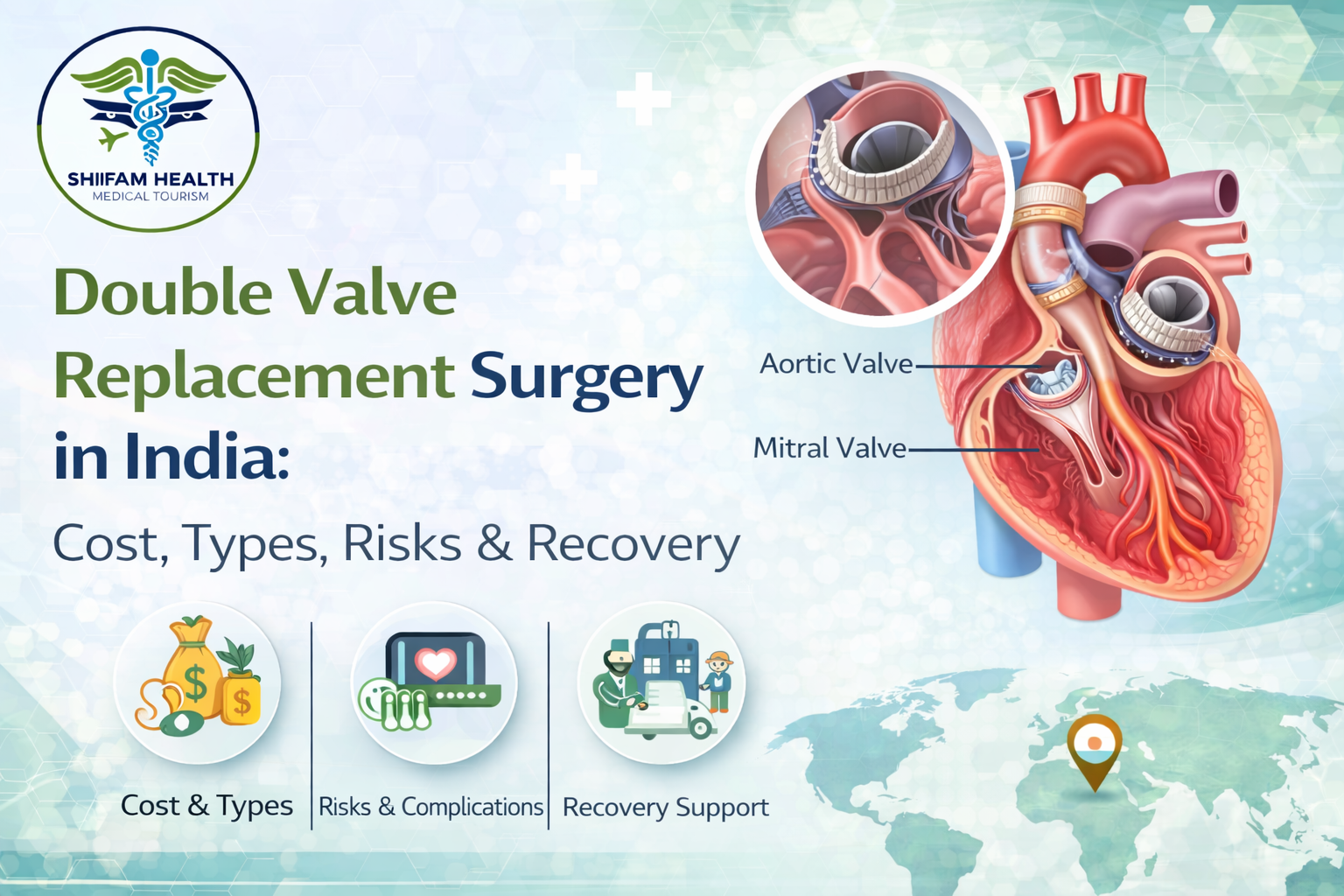
Every year, thousands of patients from the UK, USA, Central Asia, Africa, and the Middle East travel to India for one reason: world-class heart surgery at a fraction of what it costs back home. Among the most complex and most life-saving of these procedures is double valve replacement surgery, a procedure that replaces two damaged heart valves, most commonly the mitral valve and the aortic valve, in a single operation.
When both valves are severely diseased due to conditions like rheumatic heart disease, stenosis, or regurgitation, a double valve replacement restores normal blood flow through the heart and dramatically improves a patient’s quality of life and life expectancy. Thanks to advances in cardiac surgery, this procedure is now routinely performed with high success rates at India’s leading hospitals.
India offers an unbeatable combination of internationally trained cardiac surgeons, JCI/NABH-accredited hospitals, cutting-edge technology, and costs that are 70–85% lower than those in the USA or UK with zero waiting time.
This comprehensive 2026 guide covers everything you need to know: costs, procedure types, top hospitals, recovery timeline, and how to plan your medical journey to India.
Table of Contents
ToggleQuick Summary
Who Needs It: Patients with severe disease of two heart valves (usually mitral + aortic)
Cost in India: $7,000 – $14,000 USD (approx. ₹58,000 – ₹1,16,000 INR)
Vs. USA/UK: $80,000 – $200,000+ in the USA; £50,000 – £100,000+ in the UK
Hospital Stay: 7–12 days total
Full Recovery: 6–12 weeks
Waiting Time: None for international patients surgery scheduled within days
What is Double Valve Replacement Surgery?
The human heart has four valves that act as one-way doors controlling blood flow: the mitral, aortic, tricuspid, and pulmonary valves. When two of these valves most often the mitral and aortic become severely damaged or diseased, they can no longer open or close properly. This forces the heart to work harder, eventually leading to heart failure if left untreated.
Double valve replacement (DVR) is an open-heart surgical procedure in which a cardiac surgeon removes both diseased valves and replaces them with prosthetic valves in a single operation. This is more complex than a single valve replacement but avoids the need for two separate surgeries and anaesthetic episodes.
How is it different from single valve replacement?
- Single valve replacement addresses disease in only one valve (e.g., aortic stenosis alone)
- Double valve replacement corrects two failing valves simultaneously, providing more comprehensive restoration of heart function
- DVR typically requires a longer operating time (4–6 hours) and a slightly longer recovery
- DVR is recommended when both valves are severely diseased and the risks of doing two separate operations outweigh doing both at once
Who Needs Double Valve Replacement? (Indications)
Your cardiologist or cardiac surgeon may recommend a double valve replacement if you have been diagnosed with:
- Severe valve stenosis: The valve opening has narrowed significantly, obstructing blood flow commonly caused by calcium buildup or rheumatic disease
- Valve regurgitation (leaky valve): The valve does not close completely, causing blood to flow backward and putting extra strain on the heart
- Rheumatic heart disease: A leading cause of double valve disease worldwide, especially prevalent in developing countries; caused by rheumatic fever damaging multiple valves over time
- Infective endocarditis: Bacterial infection of the heart valves that destroys valve tissue, often affecting multiple valves simultaneously
- Congenital heart defects: Some patients are born with abnormalities in two or more valves that worsen progressively over time
- Previous single valve repair/replacement that has failed, combined with a newly deteriorating second valve
The final decision for surgery is made after a comprehensive cardiac evaluation and multidisciplinary team review.
Types of Valve Replacement: Mechanical vs. Tissue
By Valve Type
When replacing heart valves, your surgeon will use one of two types of prosthetic valves:
Mechanical Valves
Made from highly durable materials such as pyrolytic carbon. These valves can last a lifetime (20–30+ years) but require lifelong anticoagulation therapy (blood thinners such as warfarin) to prevent blood clots from forming on the valve surface.
Bioprosthetic (Tissue) Valves
Made from biological material, usually from porcine (pig) or bovine (cow) heart tissue, or occasionally from a human donor (homograft). These valves do not generally require long-term blood thinners but typically last 10–20 years and may eventually need replacement.
Mechanical vs. Tissue Valves
| Feature | Mechanical Valve | Tissue (Bioprosthetic) Valve |
|---|---|---|
| Durability | 20–30+ years | 10–20 years |
| Blood Thinners Required | Yes (lifelong) | Usually no (short-term only) |
| Risk of Blood Clots | Higher (without anticoagulation) | Lower |
| Noise | May produce a soft clicking sound | Silent |
| Best Suited For | Younger patients (<60) | Older patients (>60–65) |
| Re-operation Risk | Very low | Higher (may need replacement) |
| Lifestyle Impact | Regular INR blood tests needed | Fewer medication restrictions |
By Surgical Approach
- Open-heart surgery: The standard and most common approach for double valve replacement. The chest is opened via a sternotomy (cutting through the breastbone), the heart is temporarily stopped, and a heart-lung bypass machine takes over while the surgeon replaces both valves.
- Minimally invasive approach: In selected lower-risk cases, a smaller incision may be used. However, for most double valve replacements, the standard open-heart approach remains the gold standard.
Pre-Surgery Evaluation: What to Expect
Before your surgery date, you will undergo a thorough cardiac and general health evaluation by a multidisciplinary team including a cardiologist, cardiac surgeon, anaesthesiologist, and critical care specialist.
Key Pre-Operative Tests Include:
- Echocardiography (Echo): A detailed ultrasound of the heart to assess valve function, severity of disease, and overall heart function (ejection fraction)
- Electrocardiogram (ECG): Records the heart’s electrical activity to detect rhythm abnormalities
- CT scan / Chest X-ray: To evaluate the structure of the heart, aorta, and surrounding anatomy
- Coronary angiography: May be recommended for patients above 40 or with risk factors, to check for coronary artery blockages that may need addressing simultaneously
- Comprehensive blood panel: Including complete blood count, kidney and liver function, coagulation profile, and blood type/crossmatch
- Pulmonary function tests: To assess lung health before placing the patient on a ventilator
Your care team will review all results in a team meeting (Heart Team), discuss valve selection (mechanical vs. tissue), and finalise the surgical plan all of which will be explained to you in a pre-operative consultation.
The Procedure: Step-by-Step Overview
Here is what happens on the day of your surgery:
- General Anaesthesia: You will be put into a deep sleep by a cardiac anaesthesiologist. You will feel nothing throughout the procedure.
- Median Sternotomy: The surgeon makes a vertical incision down the centre of the chest and carefully opens the sternum (breastbone) to gain access to the heart.
- Cardiopulmonary Bypass (Heart-Lung Machine): Your heart is connected to a heart-lung bypass machine, which takes over the functions of the heart and lungs, oxygenating and circulating your blood while the heart is stopped.
- Cardioplegia: A cold potassium solution (cardioplegia) is administered to temporarily stop the heart and protect the cardiac muscle during surgery.
- Valve Excision and Replacement: The surgeon carefully removes the diseased mitral valve and aortic valve. Each valve annulus (the ring of tissue) is thoroughly inspected, sized, and prepared before the new prosthetic valve is sutured into place.
- Weaning from Bypass: Once both new valves are securely in place, the heart is restarted and gradually weaned off the bypass machine as it resumes its normal pumping function.
- Chest Closure: The sternum is closed with sternal wires, and the chest incision is sutured. Temporary drainage tubes are placed to remove any excess fluid from the chest cavity.
Total procedure duration: approximately 4–6 hours, depending on complexity and whether any additional procedures (such as bypass grafting) are performed simultaneously.
Risks & Complications
As with any major open-heart surgery, double valve replacement carries certain risks. Your surgical team in India will take every precaution to minimise these. It is important to have an honest understanding of potential complications:
- Bleeding: Surgical bleeding during or after the procedure is possible; managed with blood products and careful haemostasis
- Infection: Including wound infection, pneumonia, or, rarely, endocarditis of the new valve
- Stroke or neurological events: Risk is low (~1–3%) but exists due to the use of cardiopulmonary bypass
- Blood clots (thromboembolism): Particularly with mechanical valves; mitigated with anticoagulation therapy
- Heart rhythm disturbances (arrhythmias): Including atrial fibrillation often temporary and treated with medication
- Kidney or lung complications: Temporary dysfunction can occur; usually resolves with supportive care in the ICU
- Prosthetic valve dysfunction: Rare; may include paravalvular leak or structural valve deterioration over many years
How India’s Top Hospitals Reduce These Risks:
- Dedicated cardiac ICUs with 24/7 intensivist cover
- Pre-operative optimisation of all medical conditions before surgery
- Routine use of intra-operative transoesophageal echocardiography (TOE) to verify valve function immediately after implantation
- Experienced teams with high-volume surgical practice (many Indian centres perform over 1,000 valve surgeries annually)
- Strict infection control protocols and antibiotic prophylaxis
Recovery Timeline
Recovery from double valve replacement surgery is a gradual process. Here is what a typical recovery journey looks like:
| Phase | Duration | What to Expect |
|---|---|---|
| ICU Stay | 1–3 days | Monitored closely; breathing tube removed within hours; chest drains removed within 24–48 hours |
| Hospital Ward | 5–9 days | Gradual mobilisation; pain management; oral medications started; echo to verify valve function |
| Discharge from India | Day 10–14 | Cleared to fly in most cases; detailed discharge summary & medications provided |
| Early Recovery (Home) | Weeks 2–6 | Rest, gentle walking, no strenuous activity; anticoagulation monitoring if mechanical valves |
| Full Recovery | 6–12 weeks | Return to normal activities; follow-up echo recommended at 4–6 weeks |
Key Lifestyle Adjustments After Surgery:
- Take all prescribed medications without interruption, especially anticoagulants if you have mechanical valves
- Attend all follow-up appointments and arrange local cardiology follow-up in your home country
- Avoid heavy lifting and strenuous exercise for at least 6–8 weeks
- A cardiac rehabilitation programme is strongly recommended for optimal recovery
- Maintain good dental hygiene and always inform dentists/doctors about your prosthetic valve before any procedure (antibiotic prophylaxis may be required)
Cost of Double Valve Replacement Surgery in India (2026)
The cost of double valve replacement in India is significantly lower than in any Western country without compromising on surgical quality or hospital standards.
Procedure Cost by Valve Type
| Procedure Type | Cost (USD) | Cost (INR approx.) |
|---|---|---|
| Double Valve Replacement (Both Mechanical) | $8,000 – $12,000 | ₹66,000 – ₹99,000 |
| Double Valve Replacement (Both Tissue / Bioprosthetic) | $9,000 – $14,000 | ₹75,000 – ₹1,16,000 |
| Double Valve Replacement (One Mechanical + One Tissue) | $8,500 – $13,000 | ₹70,000 – ₹1,08,000 |
| DVR + CABG (Bypass Grafting) | $11,000 – $16,000 | ₹90,000 – ₹1,32,000 |
Itemized Cost Breakdown (Indicative)
| Cost Component | Estimated Cost (USD) |
|---|---|
| Surgeon & Anaesthesiologist Fees | $1,500 – $3,000 |
| Operating Theatre & Bypass Machine | $1,500 – $2,500 |
| ICU Stay (1–3 days) | $600 – $1,200 |
| Hospital Ward Stay (5–9 days) | $800 – $1,800 |
| Prosthetic Valves (x2) | $1,500 – $4,000 |
| Pre-operative Diagnostics | $400 – $800 |
| Medications & Consumables | $300 – $600 |
| International Patient Services & Coordination | Included / Nominal |
| Total Estimate | $7,000 – $14,000 |
International Cost Comparison
| Country | Average Cost (USD) | Savings vs. India |
|---|---|---|
| India | $7,000 – $14,000 | — |
| Turkey | $18,000 – $28,000 | Save ~50–60% |
| Thailand | $20,000 – $30,000 | Save ~55–65% |
| United Kingdom | £50,000 – £100,000 (~$62k–$126k) | Save ~80–85% |
| United States | $80,000 – $200,000+ | Save ~85–90% |
International patients can save 70–85% on the total cost of double valve replacement surgery by choosing India, without compromising on quality, safety, or outcomes.
Top Cardiac Hospitals in India for Double Valve Replacement
India’s leading cardiac centres combine world-class technology with highly experienced surgical teams. For international patients seeking double valve replacement, the following hospitals consistently rank among the best:
Apollo Hospitals (Multiple Locations: Delhi, Chennai, Hyderabad, Mumbai)
- JCI and NABH accredited
- Dedicated Heart Institute with over 15,000 cardiac surgeries performed annually across the group
- State-of-the-art cardiac catheterisation labs and hybrid operating theatres
- Dedicated International Patient Services department with multilingual coordinators
Medanta – The Medicity (Gurugram, Delhi NCR)
- One of India’s largest quaternary-care hospitals with a world-renowned Institute of Heart and Vascular Diseases
- JCI accredited; founded by internationally trained cardiac surgeons
- Advanced cardiac ICU with round-the-clock intensivist management
- Extensive experience in complex valvular heart disease including redo surgeries
Fortis Healthcare (Multiple Locations: Delhi, Noida, Mumbai, Bengaluru)
- NABH and JCI accredited hospitals across India
- Dedicated cardiac surgery centres with high-volume valve replacement programmes
- Comprehensive pre-operative and post-operative cardiac rehabilitation
- Experienced international patient teams providing visa, accommodation, and translation support
All three hospital groups have decades of experience with international patients and adhere to the highest international standards of care.
Why Choose India for Double Valve Replacement Surgery?
- Highly Affordable: Costs are 70–85% lower than in the USA, UK, or Europe without any compromise on quality of care or outcomes
- World-Class Cardiac Surgeons: Many Indian cardiac surgeons are trained in the USA, UK, or Europe and have performed thousands of complex valve replacement procedures
- No Waiting Lists: International patients can have surgery scheduled within days of arrival, unlike the months-long NHS queues in the UK or private waiting times elsewhere
- JCI/NABH-Accredited Hospitals: India’s top hospitals hold the same international accreditations as leading hospitals in the USA and Europe
- Cutting-Edge Technology: Hospitals are equipped with the latest surgical equipment, robotic systems, hybrid theatres, and cardiac ICUs
- High-Volume Experience: India’s cardiac centres perform among the highest volumes of valve replacement surgeries in the world, which is strongly associated with better outcomes
- Holistic International Patient Support: From airport transfers and visa assistance to accommodation, translation, and insurance liaison everything is coordinated for you
- Post-Surgery Recovery in Comfort: Many patients choose to recover in India for 2–3 weeks before flying home, with access to follow-up care and rehabilitation
Guide for International Patients: Planning Your Medical Journey to India
Medical Visa
Most international patients require an Indian Medical Visa (MED Visa). This is separate from a tourist visa and is specifically designed for patients travelling for medical treatment, along with up to two companions. Shifam Health will provide the invitation letter and documentation required for your visa application. Processing typically takes 3–7 working days.
Travel & Accommodation
India’s major cardiac centres are located in Delhi, Chennai, Hyderabad, Mumbai, and Bengaluru all well-connected by direct international flights. Shifam Health have affiliated guesthouses or hotel tie-ups near the hospital campus for patients and families. And arrange accommodation suited to your budget and preferences.
Language Support
English is widely spoken in India’s top hospitals by doctors, nurses, and administrative staff. For patients from Arabic-speaking countries, Central Asia, or Africa, Shifam Health provide dedicated translators and multilingual coordinators to ensure clear communication at every step.
Payment Methods
Most leading hospitals in India accept international bank transfers, credit/debit cards, and cash payments in USD, GBP, EUR, and local currencies. Shifam Health can provide a detailed cost estimate in advance so you can plan your finances clearly. Health insurance claims can also be facilitated where applicable.
Conclusion
Double valve replacement surgery is a major but highly effective procedure that can restore heart function and dramatically improve your quality of life. India has firmly established itself as the world’s leading destination for affordable, high-quality cardiac surgery offering internationally trained surgeons, JCI-accredited hospitals, zero waiting times, and costs that are a fraction of what you would pay in the USA, UK, or Europe.
Whether you are from the UK, USA, Central Asia, Africa, or the Middle East, Shifam Health is here to guide you through every step of your medical journey from your first consultation to your safe return home.
Frequently Asked Questions (FAQs)
Is double valve replacement surgery safe?
Yes. At experienced, accredited cardiac centers, double valve replacement is a safe procedure with high success rates, and your risks are carefully assessed beforehand.
How long does the surgery take?
Double valve replacement surgery typically takes 4–6 hours, depending on the complexity of the case and whether any additional procedures (such as coronary bypass grafting) are performed at the same time.
How long do the replacement valves last?
Mechanical valves are designed to last a lifetime (20–30+ years) but require lifelong warfarin therapy. Tissue valves typically last 10–20 years. Valve durability depends on the type selected and individual patient factors.
Can I live a normal life after double valve replacement?
Yes. Patients see major improvement less breathlessness, more energy, and return to normal activities, usually within 3 months.
What is the cost of double valve replacement surgery for foreign patients?
The total cost for international patients is usually $7,000–$14,000 (₹5,80,000–₹11,60,000), depending on the hospital, valve type, and case complexity. Shifam Health can provide a personalized estimate based on your reports.
How soon after surgery can I fly home?
Most patients can fly within 10–14 days if recovery is smooth. Long-haul flights are usually safe after 2 weeks, with doctor approval.
Will there be a language barrier?
No. All major cardiac hospitals in India have English-speaking doctors, nurses, and international patient coordinators. Shifam Health also provides dedicated support staff for patients from Arabic-speaking, Russian-speaking, or African countries.
| Take the First Step It costs Nothing Share your medical reports with Shifam Health and receive a free, personalized assessment within 24 hours. No commitment. No pressure. Just honest information to help you make the right decision for you and your family. www.shifamhealth.com | contact@shifamhealth.com | WhatsApp: +91 81785 95807 24/7 Support Available | Free Consultation | No Hidden Charges |




Popular Posts From Last Week
- October 23, 2026
- shifamhealth
A fluttering chest, a sudden racing heartbeat or a skipped beat can be frightening, and it is hard…
- October 25, 2026
- shifamhealth
What is a ventricular septal defect? A ventricular septal defect (VSD) is an opening in the wall (septum)…
- October 22, 2026
- shifamhealth
A remote medical second opinion from India allows patients living in the USA, UK and other countries to…
- October 21, 2026
- shifamhealth
When you receive treatment estimates from two hospitals in India, do not compare only the final amounts. To…
- October 22, 2026
- shifamhealth
An itemized hospital quote in India should clearly explain the expected cost of treatment by separating major charges,…