




Interstitial Cystitis: Symptoms, Causes, Treatments & Prevention in 2026
Filters & Insights
Complete guide to Interstitial Cystitis in 2026: Understand symptoms, root causes, advanced treatment options, and prevention strategies. Expert insights for managing painful bladder syndrome effectively.
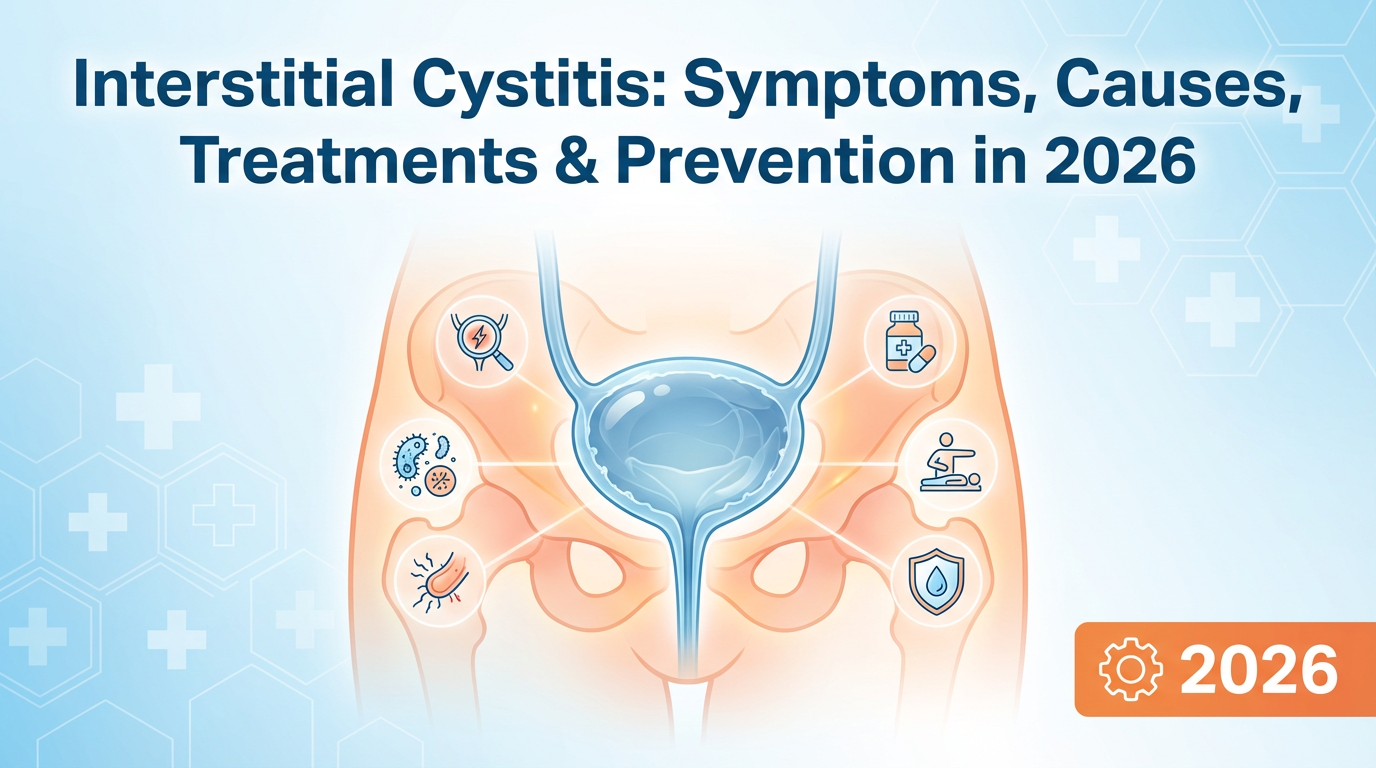
Introduction: Understanding Interstitial Cystitis in 2026
Interstitial Cystitis (IC), also known as Painful Bladder Syndrome (PBS), is a chronic condition that affects millions of people worldwide, causing significant discomfort and disrupting daily life. This complex disorder manifests as recurring bladder pain, pressure, and urinary symptoms without any identifiable infection or other clear cause. As we move through 2026, medical advancements have brought new hope and treatment options for those living with this challenging condition.
Interstitial Cystitis predominantly affects women, though men can also develop this condition. The symptoms can range from mild discomfort to debilitating pain that severely impacts quality of life, relationships, work productivity, and mental health. Understanding IC is the first crucial step toward effective management and reclaiming control over your life.
💙 Shifam Health connects you with leading urological specialists who understand IC and offer personalized treatment plans. 🏥✨
This comprehensive guide explores everything you need to know about Interstitial Cystitis in 2026—from recognizing early symptoms to understanding root causes, exploring cutting-edge treatments, and implementing prevention strategies that work.
What is Interstitial Cystitis? A Clear Definition
Interstitial Cystitis is a chronic inflammatory condition of the bladder wall that causes pain, pressure, and discomfort in the bladder and surrounding pelvic region. Unlike typical urinary tract infections (UTIs), IC occurs without bacterial infection and doesn’t respond to standard antibiotic treatments.
The Medical Perspective
The condition involves inflammation and irritation of the bladder lining (urothelium), leading to scarring and stiffening of the bladder wall. In severe cases, this can reduce bladder capacity and create characteristic pinpoint bleeding spots called glomerulations on the bladder wall. Some patients develop Hunner’s lesions—areas of inflammation visible during cystoscopy.
🌟 Get accurate IC diagnosis with Shifam Health’s network of experienced urologists using advanced diagnostic technology. 🔬💚
Who Does IC Affect?
- Women: 90% of IC cases occur in women, typically between ages 30-40
- Men: Often misdiagnosed as chronic prostatitis
- Children: Rarely affected but cases do occur
- Prevalence: Affects approximately 3-8 million women and 1-4 million men in the United States alone
The condition is chronic, meaning it’s long-lasting, but symptoms often fluctuate with periods of flare-ups and remission. Some people experience mild symptoms that are merely annoying, while others face severe, life-altering pain.
Recognizing the Symptoms: What Does IC Feel Like?
Primary Symptoms of Interstitial Cystitis
Understanding IC symptoms is crucial for early diagnosis and treatment. The condition manifests differently in each person, but common symptoms include:
1. Chronic Pelvic Pain
- Persistent pain in the bladder, pelvis, or lower abdomen
- Pain that worsens as the bladder fills
- Relief after urination (though sometimes temporary)
- Pain intensity ranges from mild discomfort to severe, debilitating pain
2. Urinary Frequency
- Frequent need to urinate (often 40-60+ times daily in severe cases)
- Normal frequency is 6-8 times per day
- Feeling of urgency even with small amounts of urine
- Disrupted sleep due to nighttime urination (nocturia)
3. Bladder Pressure and Urgency
- Constant feeling of bladder fullness
- Urgent need to urinate immediately
- Feeling that the bladder never completely empties
- Discomfort or pain with bladder filling
💊 Shifam Health offers comprehensive symptom management strategies tailored to your unique IC presentation. 📋✨
4. Pain During Intimacy
- Dyspareunia (painful sexual intercourse)
- Post-coital pain lasting hours or days
- Significant impact on intimate relationships
- Both physical and emotional distress
5. Additional Symptoms
- Burning sensation during urination
- Pain in the urethra
- Lower back pain
- Pain in the vaginal area or scrotum
- Muscle spasms in the pelvic floor
Symptom Patterns and Flare-Ups
IC symptoms aren’t constant—they fluctuate with various triggers:
- Dietary triggers: Acidic foods, caffeine, alcohol, artificial sweeteners
- Stress: Emotional or physical stress intensifies symptoms
- Hormonal changes: Menstrual cycle affects symptom severity
- Sexual activity: Can trigger pain that lasts days
- Certain medications: Some drugs irritate the bladder
- Seasonal changes: Some patients report weather-related flares
🌈 Track your triggers with expert guidance from Shifam Health‘s IC specialists for better symptom control. 📊💙
How IC Differs from UTI
Many people initially mistake IC for recurrent UTIs, but key differences include:
| Feature | Interstitial Cystitis | Urinary Tract Infection |
|---|---|---|
| Cause | Unknown/chronic inflammation | Bacterial infection |
| Urine culture | Negative | Positive for bacteria |
| Response to antibiotics | No improvement | Symptoms resolve |
| Duration | Chronic (ongoing) | Acute (temporary) |
| Fever | Rarely present | Often present |
| Pain pattern | Chronic, fluctuating | Acute, resolves with treatment |
Understanding the Causes: Why Does IC Develop?
The exact cause of Interstitial Cystitis remains unclear, making it a challenging condition to understand and treat. However, research in 2026 has identified several theories and contributing factors:
Proposed Causes and Risk Factors
1. Defective Bladder Lining The bladder’s protective glycosaminoglycan (GAG) layer may be damaged or deficient in IC patients, allowing irritating substances in urine to penetrate the bladder wall and trigger inflammation and pain signals.
2. Autoimmune Response IC may involve an autoimmune component where the body’s immune system mistakenly attacks bladder tissue, similar to other autoimmune conditions like rheumatoid arthritis or lupus.
3. Mast Cell Activation Excessive mast cells in the bladder wall release histamine and other inflammatory substances, causing pain, inflammation, and increased sensitivity. This histamine release may explain why antihistamines sometimes help IC symptoms.
🔍 Discover your IC triggers through comprehensive diagnostic testing with Shifam Health’s advanced facilities. 🧪💚
4. Neurogenic Inflammation Abnormal nerve signals may cause chronic pain and hypersensitivity in the bladder. The nervous system may become “rewired” to perceive normal bladder sensations as painful.
5. Pelvic Floor Dysfunction Tightened or spasming pelvic floor muscles can contribute to IC symptoms. This muscle tension may be a cause or consequence of IC pain.
6. Genetic Predisposition IC appears to run in families, suggesting genetic factors may increase susceptibility. Certain genetic variations affecting bladder function or immune response may play a role.
Risk Factors for Developing IC
While anyone can develop IC, certain factors increase risk:
- Gender: Women are significantly more likely to develop IC
- Age: Most common onset between 30-40 years
- Fair skin and red hair: Higher prevalence noted
- Chronic pain conditions: Fibromyalgia, irritable bowel syndrome (IBS), chronic fatigue syndrome
- Autoimmune disorders: Lupus, Sjögren’s syndrome, rheumatoid arthritis
- History of UTIs: Frequent infections may contribute
- Allergies: People with multiple allergies show higher IC rates
- Anxiety and depression: May coexist with or contribute to IC
🩺 Get personalized risk assessment and prevention strategies from Shifam Health’s urology experts. 🎯✨
The IC-Inflammation Connection
Recent research emphasizes the role of chronic inflammation in IC development. This inflammation may result from:
- Chemical irritants in urine
- Bacterial toxins (even without active infection)
- Neurogenic inflammation from nerve hypersensitivity
- Immune system dysfunction
- Oxidative stress and cellular damage
Understanding these mechanisms helps guide treatment approaches, focusing on reducing inflammation, healing the bladder lining, and modulating pain signals.
Diagnosis: How is Interstitial Cystitis Identified?
Diagnosing IC can be challenging because there’s no single definitive test. Diagnosis typically involves ruling out other conditions with similar symptoms and identifying characteristic IC patterns.
Diagnostic Process
1. Medical History and Symptom Assessment Your doctor will conduct a detailed interview covering:
- Symptom duration, frequency, and severity
- Voiding diary (recording fluid intake and urination patterns)
- Pain location, triggers, and relieving factors
- Impact on daily life and quality of life
- Previous treatments and their effectiveness
- Other medical conditions
2. Physical Examination
- Pelvic examination to check for tenderness, muscle spasms, or abnormalities
- Abdominal examination to assess pain locations
- Evaluation of pelvic floor muscle function
💻 Schedule virtual consultations with Shifam Health for preliminary assessment before in-person diagnostic procedures. 📱💙
3. Urine Tests
- Urinalysis: Checks for infection, blood, or abnormal cells
- Urine culture: Rules out bacterial infections
- Cytology: Examines urine for cancer cells (particularly in older patients or those with risk factors)
4. Potassium Sensitivity Test (PST) Though less commonly used now, this test involves placing potassium solution in the bladder. IC patients typically experience significant pain, while healthy bladders don’t react.
5. Cystoscopy with Hydrodistention This key diagnostic procedure involves:
- Inserting a thin scope through the urethra into the bladder
- Visual examination of the bladder lining
- Bladder distention (stretching) with fluid under anesthesia
- Identifying glomerulations (pinpoint bleeding) or Hunner’s lesions
- Assessing bladder capacity under anesthesia
6. Bladder Biopsy During cystoscopy, small tissue samples may be taken to:
- Rule out bladder cancer
- Identify characteristic IC inflammation patterns
- Examine mast cell presence
🏥 Access cutting-edge diagnostic technology through Shifam Health’s partner hospitals for accurate IC diagnosis. 🔬✨
Diagnostic Criteria
According to current guidelines, IC diagnosis requires:
- Chronic pelvic pain, pressure, or discomfort related to the bladder
- At least one urinary symptom (urgency or frequency)
- Symptoms lasting at least 6 weeks
- Exclusion of other conditions (infection, cancer, endometriosis, stones)
Conditions to Rule Out
Because IC symptoms overlap with other conditions, your doctor will exclude:
- Urinary tract infections
- Bladder cancer
- Kidney or bladder stones
- Endometriosis
- Overactive bladder
- Chronic prostatitis (in men)
- Vulvodynia
- Sexually transmitted infections
- Neurological disorders
Treatment Options: Managing IC in 2026
While there’s currently no cure for Interstitial Cystitis, numerous treatment options can significantly reduce symptoms and improve quality of life. Treatment typically involves a multimodal approach combining several strategies.
First-Line Treatments
1. Lifestyle Modifications
Dietary Changes: The IC diet focuses on avoiding bladder irritants:
Foods to Avoid:
- Citrus fruits and juices
- Tomatoes and tomato-based products
- Chocolate
- Caffeine (coffee, tea, soda)
- Alcohol
- Spicy foods
- Artificial sweeteners
- Carbonated beverages
- Aged cheeses
- Vinegar
- Soy sauce
Bladder-Friendly Foods:
- Pears, blueberries, melons
- Rice, potatoes, pasta
- Vegetables (except tomatoes, onions)
- Lean proteins
- Eggs
- Low-acid foods
- Herbal teas (non-citrus)
🍽️ Get personalized IC nutrition plans from Shifam Health’s dietary specialists for optimal symptom management. 🥗💚
Fluid Management:
- Stay hydrated but avoid drinking large amounts at once
- Spread fluid intake throughout the day
- Limit fluids before bedtime
- Aim for pale yellow urine (not clear or dark)
Stress Management:
- Regular meditation or mindfulness practice
- Yoga (gentle, IC-specific modifications)
- Deep breathing exercises
- Counseling or therapy
- Support groups
2. Bladder Training Techniques to increase bladder capacity and reduce urgency:
- Scheduled voiding (going at set times rather than when urgency strikes)
- Gradually extending time between bathroom visits
- Distraction techniques during urgency
- Pelvic floor relaxation
3. Physical Therapy Specialized pelvic floor physical therapy includes:
- Internal and external manual therapy
- Trigger point release
- Myofascial release techniques
- Biofeedback training
- Exercises to relax overactive pelvic muscles
- Education on proper voiding techniques
🏃♀️ Connect with IC-specialized physical therapists through Shifam Health’s comprehensive care network. 💪✨
Advanced and Emerging Treatments
1. Cystoscopy with Hydrodistention
- Bladder stretching under anesthesia
- Can provide months of symptom relief
- Diagnostic and therapeutic
2. Botox Injections
- Onabotulinumtoxin A injected into bladder wall
- Reduces bladder spasms and pain
- Effects last 6-12 months
- Still considered investigational for IC
🔬 Access innovative IC treatments through Shifam Health’s partnerships with leading research hospitals. 🏥✨
3. Nerve Stimulation
- Sacral Neuromodulation: Implanted device sends electrical pulses to nerves controlling the bladder
- Percutaneous Tibial Nerve Stimulation (PTNS): Non-invasive nerve stimulation through a needle in the ankle
- Helps regulate bladder function and reduce pain
4. Stem Cell Therapy Emerging treatment showing promise:
- Uses patient’s own stem cells
- Injected into bladder wall
- Promotes healing and regeneration
- Still largely experimental in 2026
5. Platelet-Rich Plasma (PRP)
- Concentrated platelets from patient’s blood
- Contains growth factors
- Injected into bladder to promote healing
- Growing evidence for effectiveness
6. Surgical Options Reserved for severe, treatment-resistant cases:
- Fulguration of Hunner’s Lesions: Laser treatment to remove lesions
- Augmentation Cystoplasty: Increasing bladder size using intestinal tissue
- Urinary Diversion: Rerouting urine flow
- Cystectomy: Complete bladder removal (last resort)
Surgery is rarely needed and considered only after all other options have failed.
🌟 Explore all treatment options with Shifam Health’s multidisciplinary IC care teams. 🎯💚
Alternative and Complementary Therapies
Many IC patients find relief through complementary approaches:
1. Supplements
- Prelief (calcium glycerophosphate): Reduces food acidity
- Aloe vera: Anti-inflammatory properties
- Quercetin: Natural antihistamine and anti-inflammatory
- L-arginine: May help bladder lining repair
- Omega-3 fatty acids: Anti-inflammatory
2. Acupuncture
- Traditional Chinese medicine approach
- May reduce pain and inflammation
- Some studies show positive results
3. Bladder-Friendly Probiotics
- Support urinary and gut health
- May reduce inflammation
- Specific strains beneficial for IC
4. Mind-Body Techniques
- Meditation and mindfulness
- Guided imagery
- Hypnotherapy
- Cognitive behavioral therapy (CBT)
5. Heat/Cold Therapy
- Heating pads for pain relief
- Ice packs to reduce inflammation
- Personal preference varies
The Latest Research and Future of IC Treatment
Research continues to advance our understanding and treatment of Interstitial Cystitis. Here’s what’s emerging in 2026:
Promising Research Areas
1. Biomarker Discovery Scientists are identifying biological markers that could:
- Lead to simple diagnostic tests
- Predict treatment response
- Enable personalized medicine approaches
- Improve early diagnosis
2. Microbiome Research The urinary and gut microbiome’s role in IC:
- Specific bacterial imbalances may contribute to IC
- Probiotic therapies targeting bladder health
- Connection between gut and bladder inflammation
3. Gene Therapy Understanding genetic factors:
- Identifying IC-susceptibility genes
- Potential for targeted genetic treatments
- Personalized treatment based on genetic profile
4. Advanced Drug Delivery Systems
- Sustained-release bladder coatings
- Nanoparticle delivery of medications
- Less frequent treatment requirements
- Improved drug absorption
5. Regenerative Medicine
- Stem cell treatments
- Bladder tissue engineering
- Growth factor therapies
- Natural healing enhancement
🔬 Stay informed about breakthrough treatments through Shifam Health‘s research network and clinical trial access. 📊✨
Frequently Asked Questions About Interstitial Cystitis
Is Interstitial Cystitis curable?
Currently, there’s no cure for IC, but many people achieve significant symptom relief and improved quality of life through proper treatment and management.
Will I need surgery for IC?
Most IC patients never require surgery. Conservative treatments like diet, medications, and physical therapy successfully manage symptoms for the vast majority of patients.
Can IC go into remission?
Yes, many people experience periods of remission where symptoms significantly improve or disappear, though IC is typically a chronic condition with fluctuating symptoms.
Is IC contagious or sexually transmitted?
No, IC is not contagious and cannot be transmitted through sexual contact or any other means. It’s not caused by infection.
Does IC increase bladder cancer risk?
No, having IC does not increase your risk of developing bladder cancer, though evaluation should rule out cancer.
Will IC get worse over time?
IC progression varies greatly. Some people remain stable, others improve with treatment, and some experience worsening symptoms. Early intervention and proper management help prevent progression.
Can children develop Interstitial Cystitis?
Yes, though rare, children can develop IC. Diagnosis is more challenging, and treatment approaches may differ from adults.
How does IC affect quality of life?
IC can significantly impact quality of life, affecting work, relationships, social activities, and mental health. Comprehensive treatment addresses all these aspects.
❓ Get personalized answers to your IC questions from Shifam Health’s specialist team available 24/7. 📞✨
Conclusion: Taking Control of Your IC Journey
Interstitial Cystitis is a challenging, chronic condition that affects multiple aspects of life, but it doesn’t have to define you. With proper diagnosis, comprehensive treatment, and ongoing management, many people with IC achieve significant symptom relief and maintain good quality of life.
The key to successful IC management lies in:
- Early and accurate diagnosis
- Personalized, multimodal treatment approach
- Patient education and self-advocacy
- Stress management and lifestyle modifications
- Support from healthcare professionals and community
- Patience and persistence in finding what works for you
As research continues and new treatments emerge, the outlook for IC patients continues to improve. The advances in 2026 offer more options than ever before, from innovative medications and therapies to better understanding of the condition’s underlying mechanisms.
Remember that you’re not alone in this journey. Millions of people worldwide live with IC, and numerous resources, support groups, and specialized healthcare providers are available to help you navigate this condition.
Don’t let Interstitial Cystitis control your life—take the first step toward better symptom management and improved quality of life today.
🌟 Ready to Take Control of Your IC Journey? 🌟
Shifam Health specializes in connecting patients with world-class urological specialists who understand the complexities of Interstitial Cystitis. Our comprehensive approach ensures you receive personalized, effective care that addresses all aspects of this condition.
✨ From diagnosis to long-term management, we’re your partner in achieving lasting relief! 💚
📞 Contact Shifam Health Today:
- 🌐 Visit our website for free IC consultation
- 📧 Email us your symptoms for expert evaluation
- 💬 Chat with our 24/7 IC support specialists
- 🎯 Get personalized treatment plans within 48 hours
- 🤝 Connect with IC specialists near you or internationally
Your journey to better bladder health starts here—let Shifam Health guide you every step of the way! 💙🏥✨



Popular Posts From Last Week
- March 24, 2026
- Zainab Khan
Kerala has steadily emerged as one of India’s most reliable and patient-friendly healthcare destinations, particularly for international patients…
- March 24, 2026
- Zainab Khan
Hip joint problems such as osteoarthritis, rheumatoid arthritis, avascular necrosis, and severe trauma can significantly impact mobility and…
- March 26, 2026
- Zainab Khan
India has emerged as a leading medical tourism destination, attracting over 2 million international patients annually from Europe,…
- March 26, 2026
- Zainab Khan
Over the past decade, India has rapidly transformed into one of the world’s most preferred destinations for medical…
- March 26, 2026
- Zainab Khan
Chennai has firmly established itself as the healthcare capital of India, attracting thousands of international patients every year…
- March 26, 2026
- Zainab Khan
Bengaluru, widely known as the “Silicon Valley of India,” has emerged as one of the country’s most dynamic…
- March 26, 2026
- Zainab Khan
Bentall surgery is one of the most complex and critical procedures in modern cardiac surgery, performed to treat…
- March 26, 2026
- Zainab Khan
Varus deformity of the knee—commonly known as bow-leg alignment- is a progressive orthopaedic condition where the knee deviates…
- March 26, 2026
- Areen Fatima
Ventricular Septal Defect (VSD) is a condition where there is a hole in the wall separating the lower…
- March 26, 2026
- shifamhealth
Appendectomy, commonly known as appendix removal surgery, is a safe and widely performed procedure to treat appendicitis, a…
- March 30, 2026
- Zainab Khan
Laminectomy is a spinal decompression surgery performed worldwide to remove a portion of the vertebral bone, relieving pressure…
- March 27, 2026
- Areen Fatima
Tetralogy of Fallot (TOF) is a complex congenital heart condition that often requires early surgical intervention. For families…