


Myositis Treatment in India: Complete Guide on Cost, Procedure & Success Rate
Filters & Insights
Written By :
Medically Reviewed By :

Shifam Health Medical Team
Shifam Health - Medical Reviews Department
10+ Years Of Experience
Comprehensive guide to myositis treatment in India. Learn about muscle inflammation causes, treatment procedures, success rates.
📅
Last updated: May 18, 2026
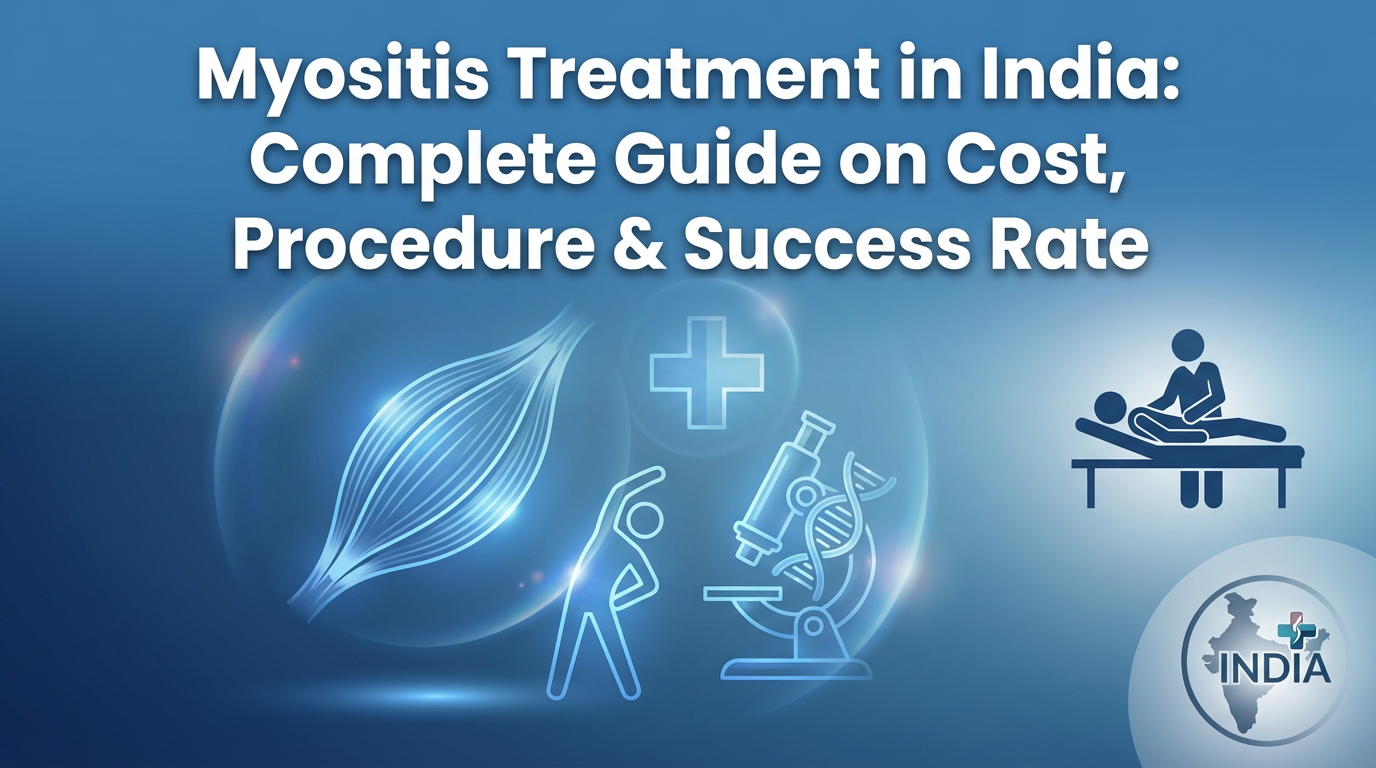
Myositis, commonly known as muscle inflammation, is a rare but serious autoimmune condition that affects thousands of individuals across India. This chronic inflammatory disease primarily targets skeletal muscles, causing progressive weakness, pain, and fatigue that can significantly impact daily activities. Understanding myositis, its treatment options, associated costs, and success rates is crucial for patients seeking effective medical intervention in India.
With advancements in medical science and the availability of world-class healthcare facilities, India has emerged as a preferred destination for myositis treatment, offering cutting-edge diagnostic tools, experienced specialists, and affordable treatment packages compared to Western countries.
Table of Contents
ToggleWhat is Myositis? Understanding Muscle Inflammation
Myositis is an umbrella term for a group of rare diseases characterized by chronic muscle inflammation and weakness. The immune system mistakenly attacks healthy muscle tissue, leading to damage and impaired muscle function. This autoimmune response can affect muscles throughout the body, particularly those closest to the trunk such as hips, thighs, shoulders, and neck.
Types of Myositis
- Polymyositis: Affects multiple muscle groups simultaneously, typically occurring in adults between 30-60 years of age. It causes symmetrical muscle weakness that progressively worsens over weeks or months.
- Dermatomyositis: Distinguished by characteristic skin rashes alongside muscle weakness. Purple or dusky red patches often appear on eyelids, knuckles, elbows, knees, and chest.
- Inclusion Body Myositis (IBM): The most common inflammatory muscle disease in people over 50, characterized by slow progression and resistance to standard treatments.
- Juvenile Myositis: Affects children under 18, with dermatomyositis being the most common form in pediatric cases.
- Necrotizing Autoimmune Myositis: A severe form causing rapid muscle damage and requiring aggressive treatment.
Symptoms and Diagnosis of Myositis
Common Symptoms
Recognizing myositis symptoms early can lead to timely intervention and better outcomes. Key warning signs include:
- Progressive muscle weakness, especially in proximal muscles (hips, thighs, shoulders, upper arms)
- Difficulty climbing stairs, lifting objects, or raising arms above the head
- Frequent falls and trouble standing from seated positions
- Muscle pain and tenderness (though not always present)
- Fatigue and general malaise
- Difficulty swallowing (dysphagia) in severe cases
- Shortness of breath if respiratory muscles are affected
- Skin rashes (in dermatomyositis)
- Joint pain and stiffness
Diagnostic Procedures
Accurate diagnosis requires a comprehensive evaluation involving multiple tests:
- Blood Tests: Elevated levels of muscle enzymes such as creatine kinase (CK), aldolase, AST, ALT, and LDH indicate muscle damage. Specific autoantibodies help identify myositis subtypes.
- Electromyography (EMG): Measures electrical activity in muscles to detect abnormalities consistent with inflammatory myopathy.
- MRI Scans: Magnetic resonance imaging reveals muscle inflammation, edema, and areas of damage with high precision.
- Muscle Biopsy: The gold standard for definitive diagnosis, involving microscopic examination of muscle tissue to identify inflammatory cells and characteristic changes.
- Chest X-ray or CT Scan: Assesses lung involvement, as interstitial lung disease can complicate myositis.
Treatment Procedures for Myositis in India
Myositis treatment in India follows evidence-based protocols aligned with international guidelines, focusing on suppressing the abnormal immune response, managing symptoms, and preventing complications.
Pharmacological Treatment
- Corticosteroids: First-line therapy using high-dose prednisone or methylprednisolone to rapidly reduce inflammation. Dosage is gradually tapered based on response and side effects.
- Immunosuppressive Agents: Medications like azathioprine, methotrexate, mycophenolate mofetil, and cyclosporine are added for long-term disease control and steroid-sparing effects.
- Intravenous Immunoglobulin (IVIG): Reserved for severe or refractory cases, IVIG provides pooled antibodies that modulate immune function and reduce inflammation.
- Biological Therapies: Rituximab and other targeted biologics show promise in treatment-resistant cases by specifically blocking inflammatory pathways.
Physical Therapy and Rehabilitation
Structured exercise programs are essential for maintaining muscle strength, flexibility, and functional capacity. Physical therapists design individualized regimens that balance activity with rest to prevent muscle damage while promoting recovery.
Supportive Care
Managing complications such as difficulty swallowing requires speech therapy and dietary modifications. Respiratory involvement may necessitate pulmonary rehabilitation and breathing exercises. Regular monitoring for cardiovascular complications and osteoporosis prevention in patients on long-term corticosteroids is crucial.
Cost of Myositis Treatment in India
One of India’s most significant advantages is the affordability of high-quality healthcare. Myositis treatment costs vary based on disease severity, treatment approach, hospital tier, and geographic location.
Cost Breakdown
| Treatment Component | Approximate Cost Range (INR) | Notes |
|---|---|---|
| Initial Consultation | ₹800 – ₹2,500 | Specialist rheumatologist or neurologist |
| Blood Tests (Complete Panel) | ₹3,000 – ₹8,000 | Includes CK, autoantibodies, liver function tests |
| EMG Testing | ₹2,500 – ₹6,000 | Charged per session |
| MRI Scan | ₹4,000 – ₹15,000 | Varies by body area and hospital |
| Muscle Biopsy | ₹8,000 – ₹25,000 | Includes procedure and pathology charges |
| Monthly Medication | ₹2,000 – ₹15,000 | Depends on generic vs branded drugs and route |
| IVIG Therapy (per cycle) | ₹80,000 – ₹2,50,000 | Based on patient weight and dosage |
| Biological Therapy (Rituximab) | ₹45,000 – ₹1,20,000 | Per infusion, usually 2–4 doses |
| Physical Therapy (per session) | ₹500 – ₹2,000 | Recommended 2–3 sessions per week |
| Total Annual Treatment Cost | ₹60,000 – ₹8,00,000 | Varies widely based on disease severity |
Cost Comparison: India vs Other Countries
| Country | Average Annual Treatment Cost |
|---|---|
| India | $750 – $10,000 |
| United States | $20,000 – $150,000 |
| United Kingdom | $15,000 – $80,000 |
| Australia | $18,000 – $100,000 |
| Singapore | $12,000 – $60,000 |
| Thailand | $8,000 – $40,000 |
India offers myositis treatment at 70-90% lower costs compared to Western countries without compromising quality, making it an attractive option for both domestic and international patients.
Success Rate of Myositis Treatment in India
The prognosis for myositis patients in India is encouraging, with success rates comparable to developed nations when treatment is initiated early and managed consistently.
Treatment Outcomes
- Early-Stage Myositis: Patients diagnosed and treated within the first few months typically experience 70-85% improvement in muscle strength and functional capacity. Many achieve complete or near-complete remission with appropriate immunosuppressive therapy.
- Moderate Disease: Around 60-75% of patients with moderate myositis show significant clinical improvement, though some may require long-term maintenance therapy to prevent relapses.
- Advanced/Severe Cases: Even in complicated cases, 40-60% of patients experience meaningful symptom relief and quality of life improvement, though complete recovery may be limited.
- Dermatomyositis: Generally has better response rates (75-80%) compared to polymyositis, especially when skin manifestations resolve alongside muscle symptoms.
- Inclusion Body Myositis: Has the lowest response rate (20-30%) due to its progressive nature and resistance to conventional immunosuppression, though supportive care can slow progression.
Factors Influencing Success
Several variables impact treatment outcomes: early diagnosis and intervention, patient compliance with medication and therapy, presence of complications like lung involvement or cancer, age and overall health status, and access to specialized multidisciplinary care. Indian medical centers with dedicated rheumatology and neuromuscular disease departments report success rates matching international benchmarks.
Why Choose India for Myositis Treatment?
India has established itself as a global healthcare hub, offering compelling advantages for myositis patients:
- Expert Specialists: India boasts numerous internationally trained rheumatologists, neurologists, and immunologists with extensive experience in managing complex autoimmune disorders.
- Advanced Infrastructure: Leading hospitals feature state-of-the-art diagnostic equipment, dedicated immunology labs, and comprehensive rehabilitation facilities.
- Affordable Excellence: Patients receive world-class treatment at a fraction of costs in Western countries, with transparent pricing and flexible payment options.
- Minimal Wait Times: Unlike healthcare systems with long waiting periods, Indian hospitals typically schedule consultations and procedures within days.
- English-Speaking Care: Medical professionals are fluent in English, facilitating clear communication for international patients.
- Holistic Approach: Integration of conventional medicine with physiotherapy, nutritional counseling, and psychological support ensures comprehensive care.
Living with Myositis: Long-Term Management
Successful myositis management extends beyond medical treatment to encompass lifestyle modifications and ongoing monitoring.
Lifestyle Modifications
Regular low-impact exercise maintains muscle strength without triggering inflammation. Swimming, walking, and yoga are particularly beneficial. A balanced, anti-inflammatory diet rich in omega-3 fatty acids, fruits, vegetables, and lean proteins supports immune function. Adequate rest and stress management through meditation or counseling prevent disease flares. Sun protection is critical for dermatomyositis patients, as UV exposure can worsen skin symptoms.
Regular Monitoring
Periodic blood tests track disease activity and medication side effects. Pulmonary function tests screen for lung involvement. Bone density scans monitor for osteoporosis in patients on long-term corticosteroids. Regular consultations ensure treatment adjustments based on disease progression and response.
Conclusion
Myositis, though challenging, is a manageable condition when diagnosed early and treated appropriately. India offers exceptional opportunities for myositis patients, combining medical expertise, advanced technology, and affordability that makes comprehensive treatment accessible to a broader population. With success rates ranging from 60-85% depending on disease type and stage, patients have genuine hope for significant improvement and quality of life restoration.
The key to successful outcomes lies in early recognition of symptoms, prompt consultation with qualified specialists, adherence to treatment protocols, and commitment to long-term management strategies. India’s healthcare infrastructure, supported by dedicated rheumatology centers and multidisciplinary teams, provides the complete spectrum of care required for optimal myositis management.
Whether you’re newly diagnosed or seeking better management options, India’s medical landscape offers the expertise, facilities, and compassionate care needed to navigate your myositis journey successfully.
Frequently Asked Questions (FAQs)
Is myositis curable?
While not permanently curable, myositis can be effectively controlled with treatment, and many patients achieve long-term remission.
How long does myositis treatment take?
Initial intensive treatment typically lasts 3-6 months, with maintenance therapy continuing for 1-3 years or longer based on individual response.
Can I lead a normal life with myositis?
Yes, with proper treatment and management, most patients maintain good quality of life and resume regular activities.
Are there any dietary restrictions for myositis patients?
No specific restrictions exist, but an anti-inflammatory, balanced diet is recommended, especially while on corticosteroids.
Does health insurance cover myositis treatment in India?
Most comprehensive health insurance policies cover myositis diagnosis and treatment, though coverage varies by policy terms.
Are there any alternative therapies for myositis?
Complementary approaches like acupuncture and massage may help symptom management but shouldn’t replace conventional treatment.
| Take the First Step It costs Nothing Share your medical reports with Shifam Health and receive a free, personalized assessment within 24 hours. No commitment. No pressure. Just honest information to help you make the right decision for you and your family. www.shifamhealth.com | contact@shifamhealth.com | WhatsApp: +91 81785 95807 24/7 Support Available | Free Consultation | No Hidden Charges |

Popular Posts From Last Week
- October 2, 2026
- shifamhealth
Spinal deformity is a broad category, not one disease — it describes abnormalities of spinal curvature, alignment, rotation,…
- October 1, 2026
- shifamhealth
Spinal disc herniation occurs when the soft, gel-like center of an intervertebral disc pushes through a weakened or…