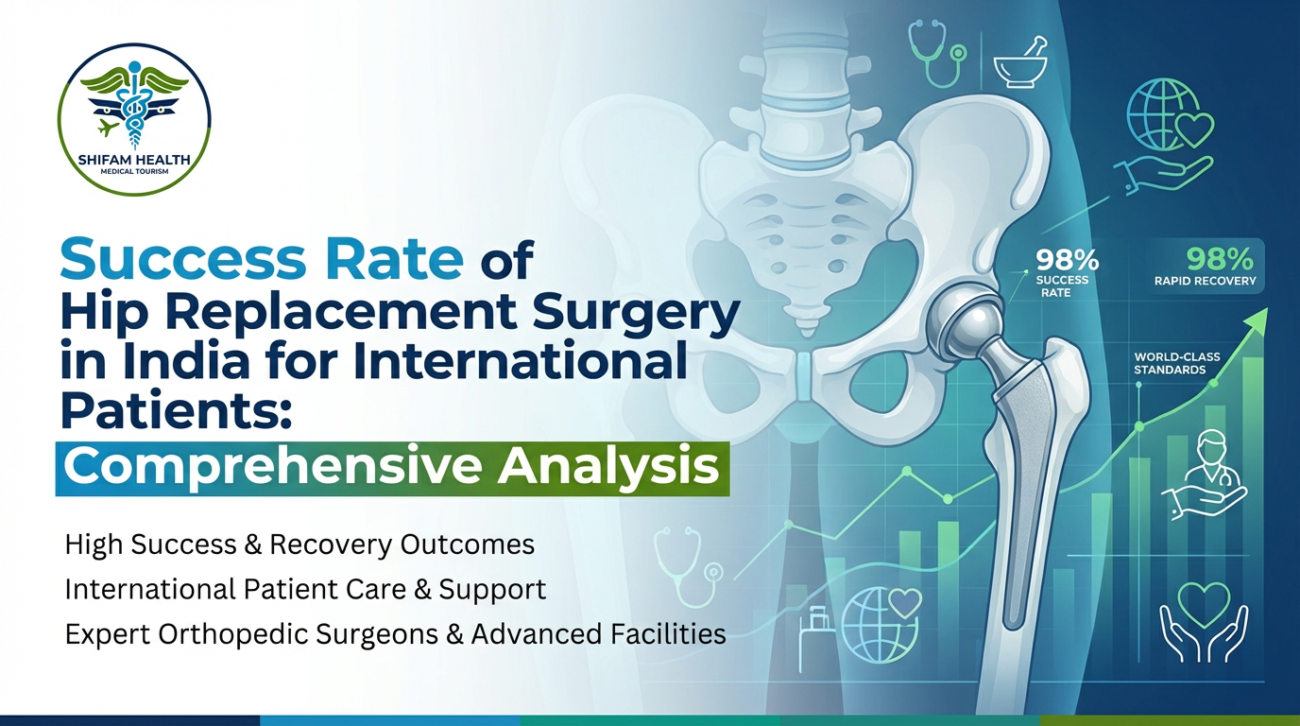

Kidney Replacement in India for USA Patients: Complete Analysis

Introduction
Kidney failure affects millions of Americans annually, with over 100,000 patients currently on transplant waiting lists. The astronomical healthcare costs in the United States—often exceeding $400,000 for kidney replacement surgery—have prompted countless patients to explore international alternatives. India has emerged as the premier destination for kidney transplantation, offering world-class medical expertise, state-of-the-art facilities, and costs that are 60-70% lower than American prices.
Why USA Patients Choose India for Kidney Replacement
The Indian healthcare system has revolutionized kidney transplantation through advanced technology, highly skilled nephrologists, and internationally accredited hospitals. Major cities like Delhi, Mumbai, Chennai, and Bangalore house transplant centers that rival—and often exceed—American facilities in success rates and patient outcomes.
India performs over 15,000 kidney transplants annually, with success rates averaging 95-97% for living donor transplants and 90-93% for deceased donor transplants. These statistics match or surpass those of leading American transplant centers. Indian nephrologists and transplant surgeons frequently train at prestigious institutions worldwide, bringing cutting-edge techniques back to their home country.
Cost Comparison: USA vs India Kidney Replacement
Kidney transplant procedures in the USA are among the most expensive in the world due to high medical and post-transplant care costs. In comparison, the kidney transplant cost in India is significantly lower, while still offering advanced surgical expertise, accredited hospitals, and comprehensive follow-up care for international patients.
| Procedure Component | USA Cost (USD) | India Cost (USD) | Savings |
|---|---|---|---|
| Pre-transplant Evaluation | $25,000 – $35,000 | $3,000 – $5,000 | 80-85% |
| Kidney Transplant Surgery | $250,000 – $350,000 | $13,000 – $18,000 | 90-95% |
| Hospital Stay (10-14 days) | $50,000 – $75,000 | $2,000 – $4,000 | 92-95% |
| Post-operative Care (30 days) | $30,000 – $45,000 | $3,000 – $6,000 | 85-90% |
| Immunosuppressant Medications (1 year) | $25,000 – $35,000 | $4,000 – $7,000 | 75-85% |
| Total Estimated Cost | $380,000 – $540,000 | $25,000 – $40,000 | 90-93% |
The financial relief extends beyond the surgery itself. Accommodation, travel, and living expenses in India remain remarkably affordable, with many hospitals offering comprehensive packages that include airport transfers, interpreter services, and comfortable recovery facilities for international patients.
Top Kidney Transplant Hospitals in India
| Hospital Name | Location | Accreditations | Annual Transplants | Success Rate |
|---|---|---|---|---|
| Apollo Hospitals | Chennai, Delhi, Hyderabad | JCI, NABH | 1,200+ | 96.5% |
| Fortis Memorial Research Institute | Gurgaon | JCI, NABH | 800+ | 95.8% |
| Medanta – The Medicity | Gurgaon | JCI, NABH | 900+ | 96.2% |
| Max Super Speciality Hospital | Delhi, Saket | JCI, NABH | 700+ | 95.5% |
| Kokilaben Dhirubhai Ambani Hospital | Mumbai | JCI, NABH | 650+ | 96.0% |
| Global Hospitals | Chennai, Hyderabad | JCI, NABH | 750+ | 95.7% |
These institutions maintain international quality standards through Joint Commission International (JCI) and National Accreditation Board for Hospitals (NABH) certifications, ensuring protocols match global best practices.
The Kidney Replacement Process for International Patients
The journey begins with comprehensive medical evaluation. Patients submit their medical records, including kidney function tests, blood work, imaging studies, and donor compatibility assessments. Indian transplant teams review these documents and provide preliminary treatment plans within 48-72 hours.
Upon arrival in India, patients undergo additional testing to confirm suitability for transplantation. The evaluation typically takes 3-5 days and includes cross-matching, tissue typing, viral screening, cardiac assessment, and psychological evaluation. This thorough approach ensures optimal outcomes and minimises rejection risks.
The transplant surgery itself lasts 3-4 hours, performed using minimally invasive techniques when possible. Patients typically remain hospitalized for 10-14 days post-surgery, during which medical teams monitor kidney function, adjust immunosuppressant medications, and watch for complications. Most international patients plan for a 4-6 week stay in India to ensure proper recovery and initial follow-up.
Medical Tourism Infrastructure for USA Patients
India’s medical tourism infrastructure specifically caters to American patients. Major hospitals employ international patient coordinators fluent in English, arrange visa invitation letters, coordinate airport pickups, and provide comfortable accommodation options ranging from hospital guest houses to five-star hotels.
The Indian government supports medical tourism through streamlined medical visa processes. USA citizens can obtain e-medical visas online, valid for 60 days with triple entry, sufficient for initial treatment and follow-up visits. The visa application typically processes within 72 hours, making travel planning straightforward.
Technology and Innovation Comparison
| Technology/Service | Availability in USA | Availability in India | Cost Difference |
|---|---|---|---|
| Robotic-Assisted Transplant Surgery | Select centers, $50,000+ extra | Multiple centers, included in package | Included vs. premium |
| Laparoscopic Donor Nephrectomy | Standard | Standard | 90% cheaper |
| ABO-Incompatible Transplants | Available | Available | 85% cheaper |
| 3D Imaging for Pre-surgical Planning | Limited availability | Widely available | 80% cheaper |
| Genetic Testing & Matching | Standard | Standard | 75% cheaper |
| Desensitization Protocols | Available | Available | 85% cheaper |
Indian transplant centers have invested heavily in robotic surgery systems, advanced immunosuppression protocols, and cutting-edge rejection prevention technologies. Many centers participate in international research collaborations, contributing to global advancement in transplantation medicine.
Quality of Care and Success Rates
The quality concern often raised by American patients dissolves upon examining Indian transplant outcomes. Leading Indian centers report one-year graft survival rates of 94-97% and five-year survival rates of 85-90%, comparable to top American programs. These results stem from rigorous donor screening, meticulous surgical technique, and comprehensive post-operative management.
Indian nephrologists follow international transplantation society guidelines, utilize the same immunosuppressant medications available in the USA, and maintain infection control standards that meet or exceed American requirements. Many surgeons have performed thousands of transplants, bringing unparalleled experience to each procedure.
Post-Transplant Care and Follow-Up
Successful kidney transplantation requires lifelong monitoring and medication management. Indian hospitals establish comprehensive discharge plans for international patients, including detailed medication schedules, dietary guidelines, exercise recommendations, and emergency protocols.
Patients receive three to six months of medication supplies, complete medical records, pathology reports, and direct contact information for their transplant team. Many hospitals offer telemedicine follow-up services, allowing patients to consult their Indian doctors remotely after returning home. Local nephrologists in the USA can coordinate care using detailed treatment plans provided by the Indian transplant team.
Legal and Ethical Considerations
India maintains strict regulations governing organ transplantation. The Transplantation of Human Organs Act prohibits commercial trade in organs and restricts living donor transplants to blood relatives or, in exceptional cases, emotionally connected individuals approved by authorization committees. These safeguards protect both donors and recipients while ensuring ethical practices.
USA patients must understand that living donor kidneys come from family members who travel to India or from the deceased donor program. Indian hospitals maintain transparent waiting lists for deceased donor organs, though international patients typically arrange living donor transplants due to longer waiting times for deceased donor organs.
Frequently Asked Questions
Typically 4-6 weeks total: pre-evaluation (3-5 days), surgery and hospital stay (10-14 days), and recovery monitoring (2-3 weeks).
Some international insurance plans and Medicare Advantage plans may provide partial coverage; check your specific policy terms.
Indian hospitals provide complete medical records and 24/7 telemedicine support; your local nephrologist can manage ongoing care.
Most patients can fly 3-4 weeks post-surgery with medical clearance, though individual recovery varies
Yes, India uses FDA-approved medications from the same pharmaceutical companies, often manufactured in India under license.
Conclusion
Kidney replacement in India offers USA patients a lifesaving solution that combines exceptional medical expertise, advanced technology, and substantial cost savings. The combination of world-class hospitals, experienced transplant teams, and comprehensive care packages makes India an increasingly popular destination for Americans facing kidney failure.
The financial accessibility of Indian healthcare democratizes access to life-saving treatment, allowing patients to afford transplantation without depleting life savings or facing bankruptcy. The quality of care, supported by international accreditations and impressive success rates, provides confidence that medical outcomes will meet or exceed expectations.
Ready to reclaim your health and life?