


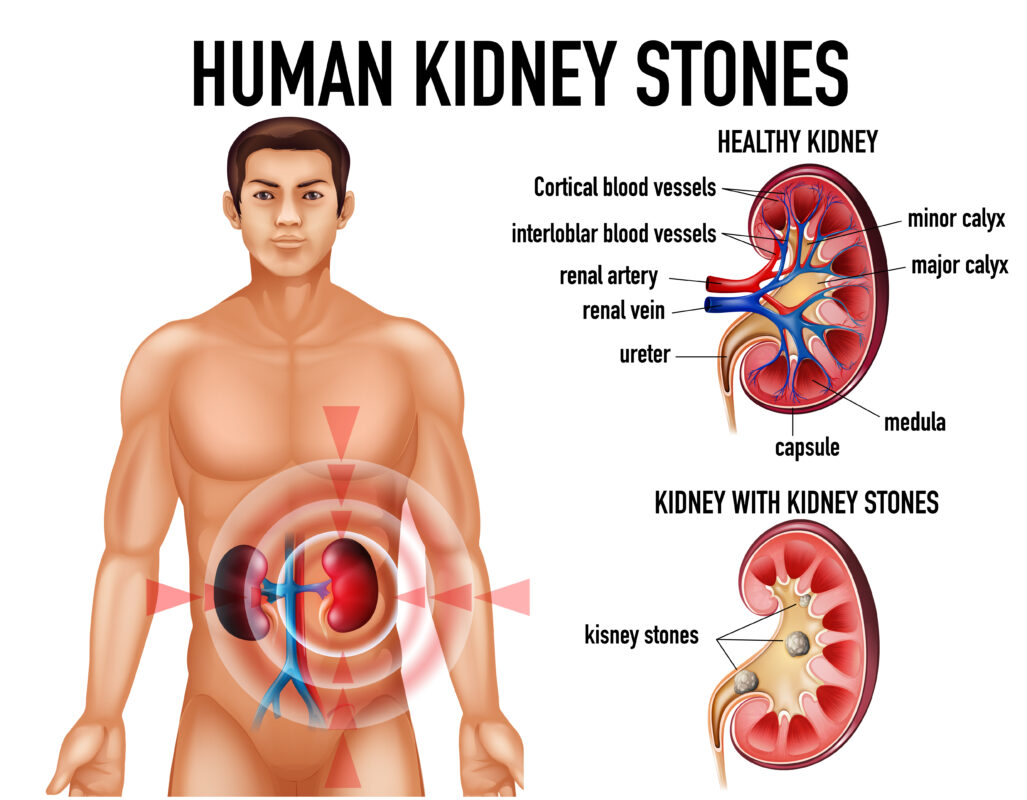
Kidney stones represent one of the most painful urological conditions affecting millions worldwide. Current statistics indicate that approximately 12% of the global population will develop kidney stones during their lifetime, with recurrence rates reaching 50% within five years without proper prevention. The rising prevalence correlates with dietary changes, lifestyle factors, and environmental influences, but modern medicine has made significant strides in both treatment and prevention strategies.
Today, advanced medical technologies such as laser lithotripsy, minimally invasive surgery, and personalized metabolic evaluation allow doctors to remove stones safely and reduce the risk of recurrence. With the right treatment plan, dietary adjustments, and lifestyle changes, most patients can achieve long-term relief and protect their kidney health.
This comprehensive guide covers everything you need to know about kidney causes, diagnosis, treatment options, and proven prevention strategies to help you manage kidney stones effectively and avoid future episodes.
Comprehensive Overview of Kidney Stone Types and Formation
Primary Kidney Stone Classifications
Calcium-Based Stones (80% of cases):
- Calcium oxalate stones form when calcium combines with oxalate in urine
- Calcium phosphate stones develop in alkaline urine conditions
- Risk factors include high oxalate foods, vitamin D excess, and metabolic disorders
Uric Acid Stones (5-10% of cases):
- Form in persistently acidic urine conditions
- Associated with gout, diabetes, and high-purine diets
- More common in males and individuals with metabolic syndrome
Struvite Stones (10-15% of cases):
- Result from urinary tract infections with specific bacteria
- Can grow rapidly into large “staghorn” stones
- More prevalent in women due to higher UTI incidence
Cystine Stones (1-2% of cases):
- Caused by genetic disorder cystinuria
- Result from impaired renal tubular reabsorption
- Often begin in childhood and require lifelong management
Key Risk Factors and Contributing Causes
Dietary Influences:
- Chronic dehydration and inadequate fluid intake
- High sodium consumption increasing calcium excretion
- Excessive animal protein raising uric acid levels
- Oxalate-rich foods without adequate calcium
- High fructose corn syrup and sugar-sweetened beverages
Medical and Lifestyle Factors:
- Family history and genetic predisposition
- Obesity and metabolic syndrome
- Digestive diseases affecting mineral absorption
- Certain medications including diuretics and calcium supplements
- Sedentary lifestyle and prolonged immobility
Advanced Diagnostic Approaches for Kidney Stones
Modern kidney stone diagnosis begins with sophisticated imaging techniques. Non-contrast CT scans serve as the gold standard for emergency diagnosis, detecting stones as small as 1-2 mm while providing precise location measurements. Ultrasound offers a radiation-free alternative ideal for initial screening and monitoring, particularly for pregnant women and pediatric patients.
Comprehensive metabolic evaluation through 24-hour urine collection analyzes key stone-forming substances and identifies specific abnormalities. Blood chemistry panels assess kidney function and screen for underlying metabolic disorders, while stone composition analysis determines exact mineral makeup to guide long-term prevention strategies.
Evidence-Based Prevention Strategies
Dietary Modifications for Stone Prevention
Adequate hydration producing 2-2.5 liters of urine daily forms the foundation of kidney stone prevention. Strategic dietary modifications include balancing high-oxalate foods with calcium-rich counterparts, limiting sodium to 1,500-2,300 mg daily, and moderating animal protein intake. Citrus beverages provide natural citrate that helps prevent stone formation, while distributed protein intake throughout the day maintains urinary health.
Medical Prevention Approaches
Pharmacological interventions target specific metabolic abnormalities identified through testing. Thiazide diuretics address hypercalciuria, potassium citrate manages hypocitraturia and acidic urine, while allopurinol controls hyperuricosuria. Targeted supplementation with calcium during meals, vitamin B6, and magnesium provides additional protection based on individual metabolic profiles.
Modern Treatment Modalities
Conservative Management Approaches
Medical expulsive therapy using alpha-blockers like tamsulosin relaxes ureteral muscles to facilitate natural stone passage for smaller stones. Combined with high-fluid protocols and NSAIDs for pain management and inflammation reduction, this approach successfully treats many stones without invasive procedures.
Advanced Interventional Treatments
Extracorporeal Shock Wave Lithotripsy (ESWL) uses focused shock waves to fragment stones non-invasively, ideal for stones 4mm-2cm in the kidney and upper ureter. Ureteroscopy with laser lithotripsy employs endoscopic technology through natural passages, while Percutaneous Nephrolithotomy (PCNL) provides minimally invasive surgical access for large or complex stones exceeding 2cm.
Cutting-Edge Innovations in Kidney Stone Care
Technological advancements continue to revolutionize kidney stone management. High-power holmium laser systems reduce procedure times by 30-40% with improved dusting capabilities, while emerging thulium fiber laser technology offers superior efficiency with lower energy requirements. Precision navigation systems using 3D reconstruction and electromagnetic tracking enhance surgical accuracy and safety.
Artificial intelligence integration enables automated stone analysis through CT scan interpretation, instant composition prediction, and personalized risk assessment using machine learning models. These innovations generate individualized prevention plans and facilitate remote monitoring with dynamic strategy adjustments.
Integrative and Holistic Approaches
Nutritional medicine emphasizes individualized meal planning based on metabolic profiles, incorporating cooking techniques that reduce stone-forming substances. Regular physical activity maintains healthy weight while specific routines promote stone passage, complemented by stress reduction through mind-body practices.
Evidence-based herbal medicine and traditional approaches from Ayurvedic and Chinese medicine systems offer complementary support when combined with conventional treatments. Mind-body interventions including meditation, biofeedback, and behavioral modification provide comprehensive care addressing both physical and emotional aspects of stone management.
Creating Your Personalized Management Plan
Successful kidney stone management begins with comprehensive evaluation including detailed medical history, family history assessment, dietary pattern analysis, and advanced metabolic testing. This foundation supports developing a long-term strategy featuring regular monitoring through quarterly urine testing, annual imaging, and continuous symptom tracking.
Dynamic prevention plan adjustments accommodate seasonal variations, life stage considerations, and new research integration. This personalized approach ensures your management strategy evolves with changing needs while maintaining optimal protection against recurrence.
Global Treatment Options and Cost Considerations
International treatment centers offer varying advantages, with Western countries providing advanced technology and research protocols at higher costs, while destinations like India deliver world-class facilities at 60-80% cost savings. Treatment costs typically range from $3,000-$6,000 for ESWL, $4,000-$8,000 for ureteroscopy, and $5,000-$10,000 for PCNL procedures.
Understanding insurance requirements, pre-authorization processes, and medical tourism packages helps patients make informed decisions about their care. Many facilities offer comprehensive packages including treatment, accommodation, and follow-up care for international patients.
Conclusion
The landscape of kidney stone treatment and prevention has transformed dramatically, offering patients unprecedented control over this challenging condition. Today’s comprehensive approach combines advanced medical interventions with personalized prevention strategies, significantly improving outcomes and quality of life for stone formers. Modern management emphasizes understanding individual risk factors through detailed metabolic evaluation, enabling truly personalized prevention plans that address root causes rather than just treating episodes.
Frequently Asked Questions (FAQs)
What are the first signs of kidney stones?
Early symptoms include back or side pain, blood in urine, frequent urination, and discomfort that comes in waves. Some people experience nausea, vomiting, and urgency to urinate.
How long does it take to pass a kidney stone naturally?
Stones smaller than 4mm typically pass within 1-3 weeks. Larger stones may take longer or require intervention. Position in the urinary tract significantly influences passage time.
What’s the most effective way to prevent kidney stones?
Adequate hydration producing 2-2.5 liters of urine daily is most crucial. Combined with dietary modifications based on individual metabolic testing, this approach reduces recurrence by 50-80%.
Are there foods that completely prevent kidney stones?
No single food prevents stones, but citrus fruits and vegetables high in citrate can help. A balanced approach tailored to your specific stone type and metabolic profile works best.
Can children get kidney stones?
Yes, pediatric kidney stones are increasing, often related to diet, dehydration, or metabolic conditions. Treatment follows similar principles with age-appropriate adjustments.
What new treatments are available for kidney stones?
Recent advances include thulium fiber laser technology, miniaturized endoscopic instruments, and genetic-based prevention strategies. Artificial intelligence for treatment planning represents the newest frontier.
| Take the First Step It costs Nothing Share your medical reports with Shifam Health and receive a free, personalized assessment within 24 hours. No commitment. No pressure. Just honest information to help you make the right decision for you and your family. www.shifamhealth.com | contact@shifamhealth.com | WhatsApp: +91 81785 95807 24/7 Support Available | Free Consultation | No Hidden Charges |