



Liver Cirrhosis: Complete Guide to Causes, Symptoms, Stages & Treatment (2026)

Introduction
Liver cirrhosis is a serious, progressive condition that affects millions of people worldwide, representing the final stage of chronic liver disease. Understanding this complex condition is crucial for early detection, effective management, and improved quality of life. This comprehensive guide provides everything you need to know about liver cirrhosis, from its underlying causes to the latest treatment options available in 2025.
What is Liver Cirrhosis?
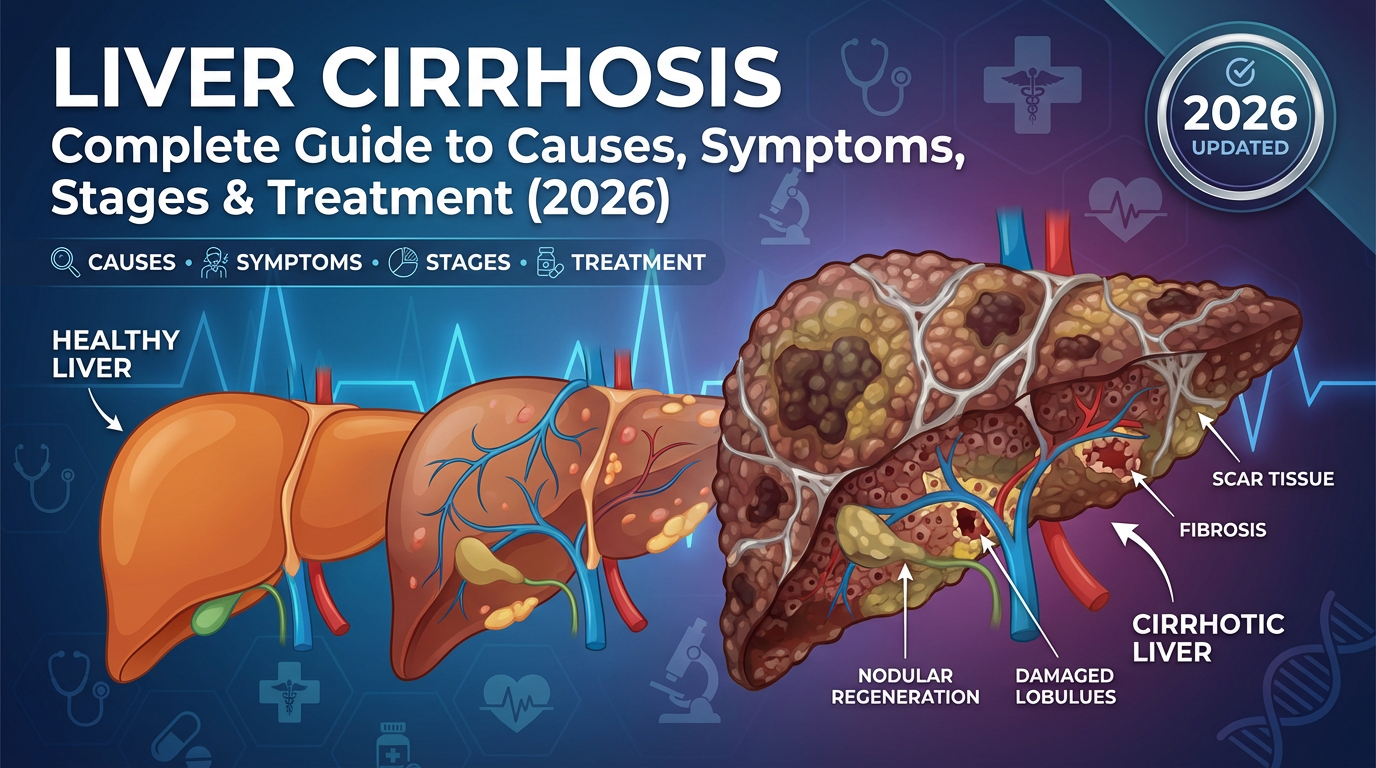
Liver cirrhosis is a chronic condition characterized by the replacement of healthy liver tissue with scar tissue (fibrosis), which progressively damages the liver’s structure and impairs its ability to function properly. The term “cirrhosis” comes from the Greek word “kirrhos,” meaning tawny or orange-yellow, which describes the color of the diseased liver.
Unlike other organs, the liver has remarkable regenerative capabilities. However, when liver damage occurs repeatedly over months or years, the normal healing process goes awry. Instead of regenerating healthy tissue, the liver forms nodules of scar tissue that disrupt the organ’s architecture and blood flow. This scarring process is largely irreversible once established, though progression can be slowed or halted with appropriate intervention.
The liver performs over 500 vital functions, including filtering toxins from blood, producing proteins essential for blood clotting, storing vitamins and minerals, metabolizing medications, and producing bile for digestion. When cirrhosis develops, all these critical functions become compromised, leading to serious health consequences.
📞 Get a Free Treatment Estimate from Shifam Health — and receive expert guidance on your best hospital and doctor options in India. or Fast track you connect with us on WhatsApp directly.
Understanding the Causes of Liver Cirrhosis
Multiple factors can trigger the chronic liver damage that leads to cirrhosis. Identifying the underlying cause is essential for targeted treatment and preventing further deterioration.
Alcoholic Liver Disease
Chronic alcohol consumption remains one of the leading causes of cirrhosis globally. Alcoholic cirrhosis develops after years of heavy drinking, though individual susceptibility varies significantly. When alcohol is metabolized in the liver, it produces toxic byproducts that cause inflammation, fat accumulation, and eventually scarring.
Not everyone who drinks heavily develops cirrhosis—genetic factors, gender (women are more susceptible), nutritional status, and drinking patterns all influence risk. Generally, consuming more than two drinks daily for men or one drink for women over many years significantly increases cirrhosis risk.
Non-Alcoholic Fatty Liver Disease (NAFLD) and NASH
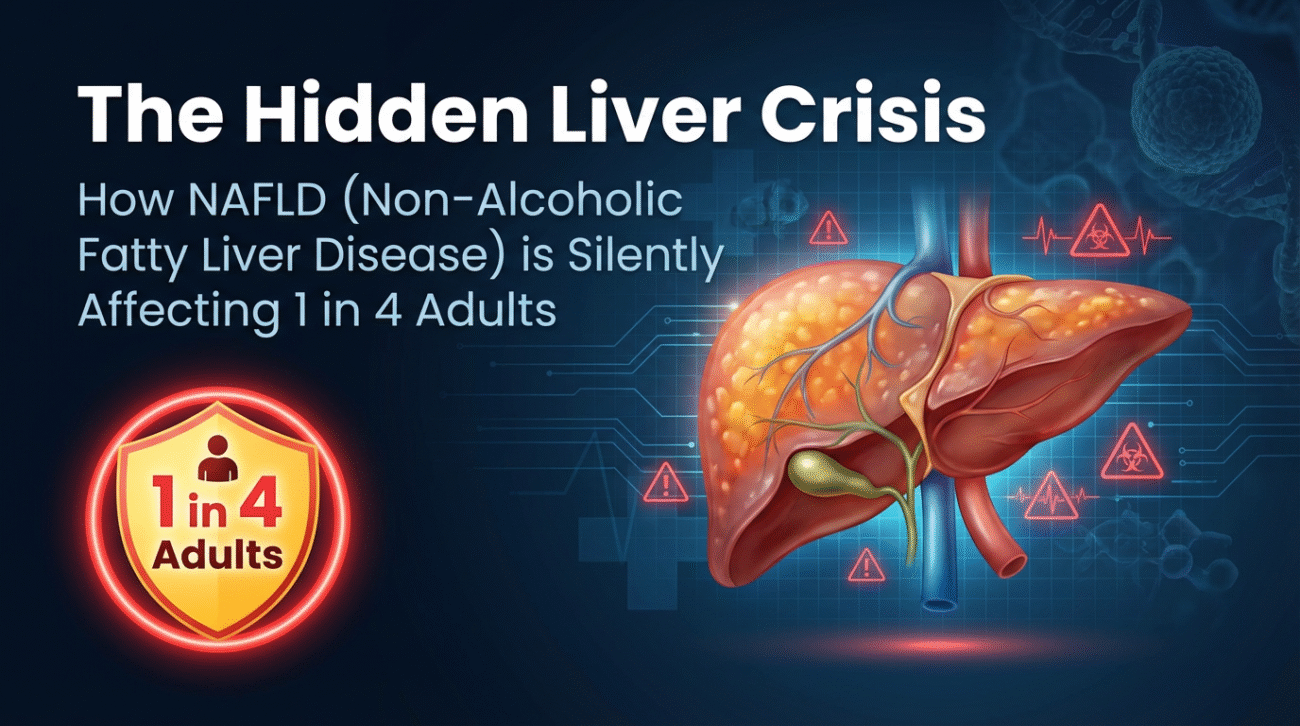
Non-alcoholic fatty liver disease has become the fastest-growing cause of cirrhosis, paralleling rising rates of obesity, diabetes, and metabolic syndrome. NAFLD occurs when fat accumulates in the liver of people who drink little or no alcohol. In some individuals, this progresses to non-alcoholic steatohepatitis (NASH), where fat accumulation triggers inflammation and liver cell damage.
NASH can advance to fibrosis and eventually cirrhosis. Risk factors include obesity, type 2 diabetes, high cholesterol, high triglycerides, metabolic syndrome, and insulin resistance. The global obesity epidemic has made NAFLD-related cirrhosis increasingly common, particularly in developed countries.
Chronic Viral Hepatitis
Hepatitis B and hepatitis C viruses cause chronic liver inflammation that can lead to cirrhosis over decades. Hepatitis C has been a major cause of cirrhosis, though new direct-acting antiviral medications can now cure most cases, significantly reducing cirrhosis risk. Hepatitis B, while controllable with antiviral medications, cannot be completely cured and requires lifelong management.
Hepatitis D, which only infects people already carrying hepatitis B, can accelerate liver damage. Vaccination against hepatitis B is highly effective at preventing infection, and screening programs help identify chronic carriers early when treatment is most effective.
📞 Get a Free Treatment Estimate from Shifam Health
We assist you from visa to recovery. For visa assistance, Click here
Autoimmune Liver Diseases
Several autoimmune conditions cause the immune system to attack liver tissue, leading to progressive damage. Primary biliary cholangitis (PBC) affects bile ducts within the liver, causing bile backup and liver damage. Primary sclerosing cholangitis (PSC) causes inflammation and scarring of bile ducts both inside and outside the liver. Autoimmune hepatitis occurs when the immune system directly attacks liver cells.
These conditions are less common than viral or alcohol-related cirrhosis but can be equally serious. They often require immune-suppressing medications to slow disease progression.
Other Causes
Genetic disorders like hemochromatosis (excess iron accumulation) and Wilson’s disease (excess copper accumulation) can cause cirrhosis if untreated. Certain medications, prolonged use of some drugs, bile duct blockages, chronic heart failure, and parasitic infections can also lead to cirrhotic changes in the liver.
Recognizing Liver Cirrhosis Symptoms
One of the challenges with liver cirrhosis is that early stages often produce no symptoms. The liver’s remarkable functional reserve means that significant damage can occur before symptoms appear. Understanding the progression of symptoms helps with early detection and timely intervention.
Early Stage Symptoms (Compensated Cirrhosis)
In the early phase, called compensated cirrhosis, the liver retains enough healthy tissue to perform essential functions despite scarring. Symptoms during this stage are often subtle or absent, but may include:
- Persistent fatigue and weakness that doesn’t improve with rest
- Loss of appetite and unexplained weight loss
- Nausea and occasional vomiting
- Mild abdominal discomfort, particularly in the upper right area
- Difficulty concentrating or mild confusion
- General feeling of being unwell
Many people attribute these vague symptoms to stress, aging, or other conditions, delaying diagnosis. Regular health check-ups and liver function tests are crucial for people with risk factors.
Advanced Stage Symptoms (Decompensated Cirrhosis)
As cirrhosis progresses and the liver loses more functional capacity, symptoms become more obvious and serious:
Jaundice: Yellowing of the skin and whites of the eyes occurs when the damaged liver cannot process bilirubin, a yellow pigment from broken-down red blood cells.
Ascites: Fluid accumulation in the abdomen causes swelling and discomfort. This occurs due to increased pressure in liver blood vessels (portal hypertension) and decreased protein production.
Edema: Swelling in the legs, ankles, and feet results from fluid retention and low protein levels in the blood.
Easy Bruising and Bleeding: The liver produces clotting factors, so cirrhosis leads to bleeding tendencies, including frequent nosebleeds and easy bruising.
Spider Angiomas: Small, spider-like blood vessels visible on the skin, particularly on the upper body.
Palmar Erythema: Reddening of the palms due to changes in blood vessel distribution.
Confusion and Mental Changes: Hepatic encephalopathy occurs when the damaged liver cannot remove toxins from the blood, allowing them to reach the brain and cause confusion, personality changes, memory problems, and in severe cases, coma.
Dark Urine and Pale Stools: Changes in bile processing affect waste color.
Intense Itching: Bile salt accumulation in the skin causes persistent itching without visible rash.
The Four Stages of Liver Cirrhosis
Medical professionals classify cirrhosis severity using scoring systems that guide treatment decisions and predict outcomes.
Stage 1: Compensated Cirrhosis Without Varices
The liver has scarring but maintains function without major complications. Blood vessels haven’t yet developed dangerous dilations (varices). Many people at this stage have no symptoms and may not know they have cirrhosis.
Stage 2: Compensated Cirrhosis With Varices
Scarring increases pressure in the portal vein (portal hypertension), causing blood vessels in the esophagus and stomach to enlarge (varices). These varices can rupture and cause life-threatening bleeding. Regular endoscopy screening becomes important.
Stage 3: Decompensated Cirrhosis With Ascites
The liver can no longer compensate adequately, and fluid accumulates in the abdomen. This marks the transition to decompensated cirrhosis, where survival without liver transplant decreases significantly.
Stage 4: Advanced Decompensated Cirrhosis
Severe complications develop, including variceal bleeding, hepatic encephalopathy, hepatorenal syndrome (kidney failure), and increased liver cancer risk. At this stage, liver transplant evaluation becomes urgent.
Scoring Systems
Child-Pugh Score assesses five factors: bilirubin level, albumin level, prothrombin time, ascites severity, and encephalopathy degree. Scores range from A (best prognosis) to C (worst prognosis).
MELD Score (Model for End-Stage Liver Disease) uses bilirubin, creatinine, and INR (blood clotting) to predict three-month mortality risk and prioritize transplant candidates.
📞 Get a Free Treatment Estimate from Shifam Health — and start your recovery with India’s most trusted hospitals.
Diagnosing Liver Cirrhosis
Early diagnosis improves outcomes significantly. Healthcare providers use multiple approaches to identify and assess cirrhosis.
Blood Tests
Liver function tests measure enzymes (ALT, AST), proteins (albumin), and bilirubin levels. Elevated liver enzymes suggest liver inflammation, though they may be normal in advanced cirrhosis. Complete blood counts reveal low platelet counts common in cirrhosis. Coagulation studies assess clotting ability.
Imaging Studies
Ultrasound is often the first imaging test, showing liver size, texture, and blood flow patterns. It’s non-invasive and can detect cirrhosis, though early stages may appear normal.
CT scans and MRI provide detailed images revealing liver structure, nodules, and complications like portal hypertension and varices.
FibroScan (Transient Elastography) is a specialized ultrasound measuring liver stiffness. Stiffer tissue indicates more scarring. This painless test helps stage fibrosis and monitor progression.
Liver Biopsy
Considered the gold standard for diagnosing cirrhosis, liver biopsy involves removing a small tissue sample for microscopic examination. While invasive with small risks, it provides definitive information about scarring extent, inflammation, and underlying cause. Non-invasive tests increasingly replace biopsy in many cases.
Endoscopy
Upper endoscopy examines the esophagus and stomach for varices that could bleed. This screening is recommended for cirrhosis patients to identify high-risk varices requiring preventive treatment.
Comprehensive Treatment Options for Liver Cirrhosis
While established cirrhosis cannot be fully reversed, treatment focuses on slowing progression, managing complications, maintaining quality of life, and in advanced cases, liver transplantation.
Treating the Underlying Cause
Addressing the root cause is paramount. For alcoholic cirrhosis, complete alcohol abstinence is essential. Support programs, counseling, and medications like naltrexone or acamprosate help maintain sobriety.
For viral hepatitis, antiviral medications can suppress or eliminate the virus, preventing further damage. Direct-acting antivirals cure hepatitis C in over 95% of patients. Hepatitis B medications suppress viral replication.
NAFLD/NASH management focuses on weight loss, diabetes control, and treating metabolic syndrome. Even modest weight loss (7-10% of body weight) can reduce liver fat and inflammation.
Autoimmune liver diseases require immunosuppressive medications like corticosteroids and azathioprine to reduce inflammation.
Managing Complications
Ascites Management: Dietary sodium restriction and diuretics (spironolactone, furosemide) reduce fluid accumulation. Severe ascites may require paracentesis (fluid drainage through a needle).
Preventing Variceal Bleeding: Beta-blockers like propranolol reduce portal pressure. Endoscopic band ligation treats high-risk varices before they bleed.
Hepatic Encephalopathy Treatment: Lactulose and rifaximin reduce ammonia levels, improving mental function.
Infection Prevention: Cirrhosis patients are prone to infections. Prophylactic antibiotics may be prescribed in certain situations.
Medications and Supportive Care
No medication directly reverses established cirrhosis, but various drugs manage symptoms and complications. Vitamin supplementation addresses deficiencies common in cirrhosis. Careful medication management is crucial since the damaged liver processes drugs differently.
Liver Transplantation
For end-stage cirrhosis, liver transplantation offers the only cure. Transplant evaluation considers overall health, severity of liver disease, and absence of conditions that would make surgery too risky. Survival rates after transplant exceed 85% at one year and 70% at five years. However, organ shortage means many patients wait extended periods. Living donor transplants, where a healthy person donates part of their liver, provide alternatives.
Essential Liver Cirrhosis Diet and Lifestyle Modifications
Nutrition plays a vital role in managing cirrhosis and preventing complications.
Dietary Guidelines
Protein intake: Adequate protein prevents muscle wasting but must be balanced carefully. Most cirrhosis patients need normal or slightly increased protein unless they have poorly controlled hepatic encephalopathy.
Sodium restriction: Limiting salt to 2,000mg daily helps control ascites and edema.
Small frequent meals: Eating 5-6 small meals prevents energy depletion and maintains blood sugar.
Foods to emphasize: Fruits, vegetables, whole grains, lean proteins, healthy fats from fish and nuts.
Foods to avoid: Processed foods, high-sodium items, raw or undercooked seafood (infection risk), alcohol (absolutely no amount is safe).
Lifestyle Modifications
- Complete alcohol abstinence regardless of cirrhosis cause
- Regular moderate exercise to prevent muscle wasting
- Adequate sleep and stress management
- Avoiding medications that strain the liver (always consult doctors before taking new medications)
- Vaccination against hepatitis A and B, pneumonia, and flu
Prognosis and Life Expectancy
Cirrhosis prognosis varies significantly based on stage, underlying cause, complications, and treatment adherence. Compensated cirrhosis has substantially better outcomes than decompensated cirrhosis.
With compensated cirrhosis and successful treatment of the underlying cause, many patients live decades with good quality of life. Once decompensation occurs, average survival without transplant drops to approximately two years, though this varies widely.
Factors improving prognosis include early diagnosis, treating the underlying cause, avoiding alcohol, maintaining good nutrition, preventing complications, and receiving appropriate medical care.
Prevention Strategies
Many cirrhosis cases are preventable through lifestyle choices and medical interventions:
- Limit alcohol consumption to moderate levels or abstain completely
- Maintain healthy weight through diet and exercise
- Get vaccinated against hepatitis A and B
- Practice safe behaviors to prevent hepatitis transmission
- Manage diabetes, high cholesterol, and high blood pressure
- Use medications only as prescribed and avoid liver-toxic substances
- Get regular medical check-ups if you have liver disease risk factors
Conclusion
Liver cirrhosis is a serious but manageable condition when detected early and treated appropriately. Understanding the causes, recognizing symptoms, and seeking prompt medical care significantly improve outcomes. While established cirrhosis cannot be completely reversed, disease progression can often be halted or slowed, and many complications can be effectively managed.
Modern medical advances, including effective hepatitis treatments, improved transplant outcomes, and better complication management, offer hope for cirrhosis patients. The key lies in early detection, addressing underlying causes, adherence to treatment plans, and maintaining healthy lifestyle habits.
If you have risk factors for liver disease or experience symptoms suggestive of cirrhosis, consult a healthcare provider promptly. Regular monitoring, appropriate treatment, and lifestyle modifications can help preserve liver function and maintain quality of life for many years.
Liver care can ease symptoms, slow disease progression, and help you live more comfortably. With skilled hepatologists and advanced treatment centres, India offers reliable and affordable options for managing cirrhosis.
If you or someone you love needs liver treatment support, Shifam Health can guide you every step of the way.
📞 Get a Free Treatment Estimate from Shifam Health


Nice Post.
Hello my family member! I wish to say that this article is amazing, great written and come
with approximately all significant infos. I would like
to look extra posts like this .
¿Justificas sus celos como prueba de amor? Gran error. Lee más en https://lasmujeresqueamandemasiadopdf.cyou/ las mujeres que aman demasiado pdf libro
Gracias por tu comentario y por compartir el enlace.
Solo una aclaración importante: por razones de seguridad y respeto por los derechos de autor, no es recomendable publicar o compartir enlaces a descargas no oficiales de libros. Si quieres hablar sobre el tema de los celos en las relaciones o sobre el libro Las mujeres que aman demasiado, con gusto podemos continuar la conversación aquí.
💬 ¿Qué te pareció el enfoque del libro sobre los celos y el amor? Estoy feliz de saber tu opinión o ayudarte con cualquier pregunta que tengas sobre el tema.