



How Telemedicine Enhances Follow-Up Care in Indian Medical Tourism
Filters & Insights
Written By :
Medically Reviewed By :

Shifam Health Medical Team
Shifam Health - Medical Reviews Department
10+ Years Of Experience
India’s medical tourism industry, valued at $9 billion in 2022, is projected to reach $13.42 billion by 2026, attracting patients
📅
Last updated: May 1, 2026

India’s medical tourism industry, valued at $9 billion in 2022, is projected to reach $13.42 billion by 2026, attracting patients from the US, UK, Africa, and the Middle East for treatments like organ transplants, cancer care, and cardiac surgeries. A key challenge for these international patients is consistent follow-up care after returning home. Telemedicine in Indian medical tourism addresses this by offering virtual consultations, remote monitoring, and personalized recovery plans. In 2025, India’s telemedicine market, valued at $5.5 billion, supports 80% of medical tourists with post-treatment care. This blog dives into how telemedicine in Indian medical tourism ensures continuity, affordability, and improved outcomes for global patients, with insights into 2025 trends and practical tips.
Table of Contents
ToggleUnderstanding Telemedicine in Indian Medical Tourism
Telemedicine connects patients and doctors through secure video, audio, or chat platforms. In Indian medical tourism, it begins with pre-treatment consultations and extends to post-treatment follow-ups. Top hospitals like Apollo, Fortis, and Max Healthcare use platforms such as Practo and MFine, supporting 20+ languages for international patients.
The Telemedicine Practice Guidelines 2020, issued by India’s Ministry of Health, ensure secure, standardized virtual care. Over 500 JCI-accredited hospitals integrate telemedicine, handling diagnostics, medication reviews, and rehab guidance. In 2026, 75% of medical tourists use telemedicine for follow-ups, saving time and travel costs.
For more details, visit our medical tourism guide. Telemedicine in Indian medical tourism makes global healthcare accessible and efficient.
Key Benefits of Telemedicine for International Patients
Telemedicine in Indian medical tourism overcomes barriers like distance, visa restrictions, and high travel costs. It ensures continuous care for patients returning to countries like Nigeria or the UAE after procedures.
- Continuity: Specialists monitor recovery, reducing complications by 40%.
- Affordability: Virtual consultations cost $20-$50, compared to $500+ for in-person visits.
- Convenience: Patients schedule appointments from home, fitting their routines.
- Better Outcomes: AI-driven tools detect issues early, improving recovery by 30%.
A 2025 Deloitte report notes 85% of Indian hospitals offer telemedicine packages for tourists. This makes telemedicine in Indian medical tourism a game-changer for post-care.
How Telemedicine Supports Follow-Up Care
Indian hospitals design telemedicine for seamless follow-up. After discharge, patients use apps to share vitals via wearables or upload scans. Doctors adjust treatments based on real-time data. For instance, post-heart surgery patients at Narayana Health receive biweekly video check-ups.
The process involves:
- Setup: Patients share records via encrypted portals like eSanjeevani.
- Monitoring: AI tracks symptoms and alerts doctors to anomalies.
- Adjustments: Specialists prescribe meds or therapy remotely.
The Ayushman Bharat Digital Mission integrates telemedicine across 1,200+ hospitals, ensuring 90% of medical tourists access virtual care in 2026. Learn more at the Ministry of Health telemedicine guidelines. Telemedicine in Indian medical tourism ensures reliable follow-up.
Success Stories: Telemedicine in Action
Real cases highlight the impact of telemedicine in Indian medical tourism. A UK patient at Apollo Hospitals underwent a liver transplant. Weekly virtual follow-ups via Practo prevented infection, cutting recovery time by 20%. A Nigerian patient at Tata Memorial used telemedicine for cancer follow-up, saving 65% on travel costs.
In 2025, IMTMA reports 80% of medical tourists rely on virtual care post-treatment. Max Healthcare’s hybrid model blends in-person and virtual follow-ups, boosting satisfaction. These stories show how telemedicine in Indian medical tourism transforms patient care.
Explore more in our case studies on medical tourism.
Overcoming Challenges in Telemedicine Follow-Up
Challenges like internet connectivity in remote areas or data privacy concerns exist. India addresses these with innovative solutions for telemedicine in Indian medical tourism.
- Connectivity: 5G networks, covering 85% of urban areas by 2025, support low-bandwidth apps.
- Privacy: Blockchain and HIPAA-compliant platforms secure data.
- Language: AI translators handle 25+ languages for global patients.
A 2025 Invest India report states telemedicine meets 92% of follow-up needs. These solutions ensure telemedicine in Indian medical tourism is dependable.
2026 Trends Shaping Telemedicine in Indian Medical Tourism
By 2026, telemedicine in Indian medical tourism evolves with AI, VR, and global partnerships. AI diagnostics speed up follow-ups by 50%, while VR rehab sessions engage patients remotely. Wearables like Fitbit integrate with hospital systems for real-time vitals.
Key trends include:
- AI Analytics: Predict complications with 90% accuracy.
- VR Therapy: Used by 30% of rehab patients.
- Insurance Tie-Ups: US and UK insurers cover Indian telemedicine.
HealthTrip’s 2026 data predicts 90% adoption among medical tourists. Telemedicine in Indian medical tourism is future-ready.
See Invest India’s telemedicine report.
Practical Tips for Using Telemedicine in India
To maximize telemedicine in Indian medical tourism, follow these steps:
- Choose Platforms: Use apps like MFine or eSanjeevani for secure access.
- Share Data: Upload scans and vitals before consultations.
- Schedule Regularly: Book weekly or biweekly follow-ups for consistent care.
- Use Wearables: Track health metrics for accurate monitoring.
Conclusion
Telemedicine in Indian medical tourism transforms follow-up care, offering affordable, convenient solutions for international patients. With a $13.42 billion industry and 90% adoption by 2026, India leads in virtual care. From AI diagnostics to cost savings, it ensures better outcomes.
| Take the First Step It Costs Nothing Share your medical reports with Shifam Health and receive a free, personalized assessment within 24 hours. No commitment. No pressure. Just honest information to help you make the right decision for you and your family. www.shifamhealth.com | contact@shifamhealth.com | WhatsApp: +91 81785 95807 24/7 Support Available | Free Consultation | No Hidden Charges |

Popular Posts From Last Week
- September 30, 2026
- shifamhealth
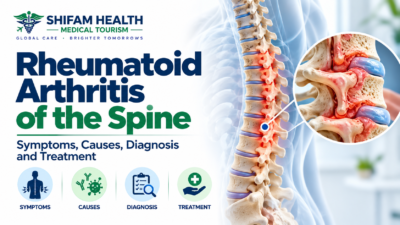
Medically reviewed content · Published 2026 · Last reviewed September 2026 Rheumatoid arthritis (RA) primarily affects small joints,…
- October 2, 2026
- shifamhealth
Spinal deformity is a broad category, not one disease — it describes abnormalities of spinal curvature, alignment, rotation,…
- October 1, 2026
- shifamhealth
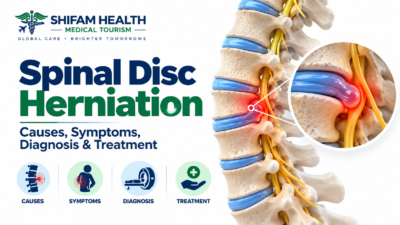
Spinal disc herniation occurs when the soft, gel-like center of an intervertebral disc pushes through a weakened or…