
Success Rate of Bone Marrow Transplant in India: A Comprehensive Analysis


Introduction
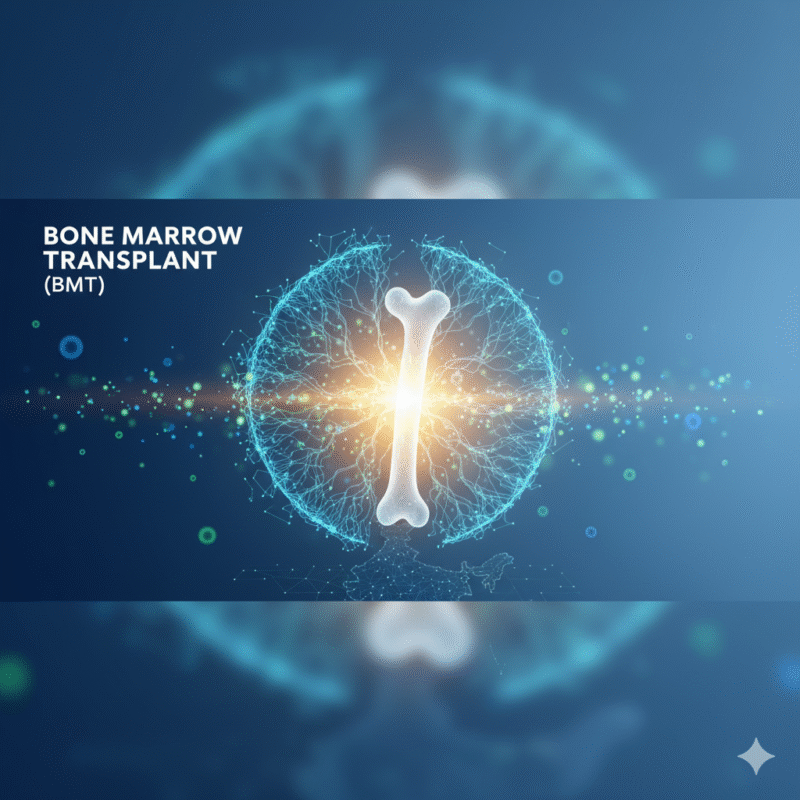
Bone marrow transplant (BMT), also known as hematopoietic stem cell transplant, represents the ultimate hope for patients with life-threatening blood disorders and cancers. India has transformed into a global BMT powerhouse, performing over 3,500 transplants annually with success rates ranging from 70-90%—matching or exceeding outcomes at leading international centres. With over 250,000 international cancer patients choosing India for treatment each year, the country’s BMT programs have earned worldwide recognition for combining clinical excellence with remarkable affordability.
For international patients seeking bone marrow transplant, understanding success rates, factors influencing outcomes, and choosing the right hospital can mean the difference between life and renewed health.
🌟 Let Shifam Health guide you to India’s top BMT centres—Book your Free Consultation Today💙
Understanding Bone Marrow Transplant Success Rates in India
Success in bone marrow transplant is measured through multiple parameters: engraftment success, overall survival rates, disease-free survival, quality of life post-transplant, and long-term complications management. Indian BMT centres have achieved remarkable milestones across all these metrics.
Overall Success Rate Breakdown
Autologous Transplant (Using Patient’s Own Stem Cells):
- Overall success rate: 80-90%
- Engraftment success: 95-98%
- 5-year survival for multiple myeloma: 65-75%
- 5-year survival for lymphoma: 70-80%
- Lower complication rates due to no graft-versus-host disease
Allogeneic Transplant (Using Matched Donor):
- Matched sibling donor: 70-85% success rate
- Matched unrelated donor: 60-75% success rate
- Haploidentical (half-matched) transplant: 55-70% success rate
- 5-year survival for leukemia: 60-75%
- 5-year survival for aplastic anemia: 75-85%
Factors Influencing BMT Success Rates
Patient-Related Factors:
- Age at transplant (younger patients typically have better outcomes)
- Disease stage and type
- Overall health and organ function
- Previous treatment history
- Comorbid conditions
Transplant-Related Factors:
- Type of transplant (autologous vs. allogeneic)
- Donor match quality (10/10 vs. 9/10 vs. haploidentical)
- Conditioning regimen intensity
- Stem cell source (bone marrow, peripheral blood, cord blood)
- Center experience and volume
Post-Transplant Factors:
- Graft-versus-host disease (GVHD) prevention and management
- Infection prevention protocols
- Supportive care quality
- Follow-up adherence
- Long-term monitoring
Top BMT Centres in India and Their Success Rates
1. Apollo Hospitals (Multiple Cities)

Apollo operates India’s largest private BMT network with over 4,000 successful transplants:
Success Metrics:
- Autologous transplant success: 85-92%
- Matched sibling allogeneic: 78-86%
- Unrelated donor allogeneic: 68-77%
- Annual transplant volume: 400+ procedures
- JCI accreditation ensures international standards
Specialised Programs:
- Pediatric BMT program with 82% success rate
- Haploidentical transplant expertise
- Advanced GVHD management protocols
- Comprehensive long-term survivor care
2. Tata Memorial Hospital, Mumbai

As India’s premier cancer research institute, Tata Memorial has pioneered BMT in the country:
Achievement Highlights:
- Over 3,000 BMT procedures since program inception
- Success rates: 75-88% depending on disease type
- Leading research in haploidentical transplants
- Affordable government-supported transplant costs
- International collaboration with Dana-Farber and MD Anderson
Notable Outcomes:
- Aplastic anemia transplant success: 80-87%
- Acute leukemia transplant: 65-75% disease-free survival
- Thalassemia major cure rate: 85-90%
3. Fortis Memorial Research Institute, Gurugram

Fortis Memorial Research Institute specialises in precision BMT with advanced technology:
Success Statistics:
- Overall BMT success rate: 72-85%
- 500+ transplants performed with consistent outcomes
- State-of-the-art HEPA-filtered transplant units
- 24/7 critical care backup
- Comprehensive infection prevention protocols
Technology Advantages:
- CliniMACS system for stem cell processing
- Advanced immunosuppression monitoring
- Real-time chimerism analysis
- Minimal residual disease testing
💼 Shifam Health arranges priority consultations at Fortis—cutting-edge BMT care awaits! ⏱️
4. Manipal Hospitals (Bangalore & Other Cities)

Manipal has established multiple high-volume BMT centers across India:
Program Excellence:
- 300+ annual transplants with 70-83% success rates
- Pediatric and adult programs under one roof
- Comprehensive cord blood banking
- International patient-focused services
- Transparent outcome reporting
5. BLK-Max Super Speciality Hospital, Delhi

BLK-Max offers comprehensive hematology and BMT services:
Outcomes Achievement:
- Matched donor transplant success: 75-84%
- Experienced transplant physicians trained internationally
- Advanced apheresis facilities
- Dedicated bone marrow donor registry
- Post-transplant rehabilitation programs
6. Christian Medical College (CMC), Vellore

CMC combines charitable mission with BMT excellence:
Unique Strengths:
- Highly subsidized transplants maintaining quality
- Success rates comparable to private hospitals (70-82%)
- 40+ years of hematology expertise
- Research-driven approach
- Strong focus on thalassemia and sickle cell disease
Disease-Specific BMT Success Rates in India
| Condition | Transplant Type | Success Rate Range | 5-Year Survival | Leading Centers |
|---|---|---|---|---|
| Acute Myeloid Leukemia (AML) | Allogeneic | 65-78% | 60-70% | Tata Memorial, Apollo, Fortis |
| Acute Lymphoblastic Leukemia (ALL) | Allogeneic | 60-75% | 55-68% | Apollo, Manipal, AIIMS |
| Chronic Myeloid Leukemia (CML) | Allogeneic | 70-82% | 65-78% | Fortis, Tata Memorial |
| Multiple Myeloma | Autologous | 82-90% | 65-75% | Apollo, Fortis, BLK-Max |
| Hodgkin Lymphoma | Autologous | 80-88% | 70-80% | Tata Memorial, Apollo |
| Non-Hodgkin Lymphoma | Autologous | 75-85% | 68-78% | Fortis, Manipal |
| Aplastic Anemia | Allogeneic | 78-88% | 75-85% | CMC Vellore, AIIMS, Apollo |
| Thalassemia Major | Allogeneic | 82-92% | 85-90% | CMC Vellore, Manipal |
| Sickle Cell Disease | Allogeneic | 80-90% | 85-92% | Apollo, Manipal |
💚 Shifam Health ensures transparent pricing with no hidden costs—plan your BMT with confidence! 🎯
Comprehensive BMT Timeline and Success Milestones
| Phase | Duration | Success Markers | Survival Rate at This Point |
|---|---|---|---|
| Pre-Transplant Evaluation | 1-2 weeks | Organ function adequate, donor identified | 100% (starting point) |
| Conditioning Regimen | 7-10 days | Successful completion without major toxicity | 98-100% |
| Stem Cell Infusion | 1 day | Successful infusion, no adverse reactions | 98-100% |
| Engraftment Period | 14-21 days | Neutrophil count >500/µL, platelet recovery | 95-98% |
| Early Post-Transplant (Day +30) | 30 days | Successful engraftment, minimal GVHD | 90-95% |
| Day +100 Milestone | 100 days | Disease assessment, GVHD under control | 80-90% |
| 1-Year Post-Transplant | 1 year | Disease-free status, good quality of life | 70-85% |
| 5-Year Disease-Free Survival | 5 years | Long-term remission, normal life activities | 60-75% |
Factors Behind India’s High BMT Success Rates
World-Class Infrastructure
Indian BMT centers feature:
- HEPA-filtered rooms with positive pressure maintaining sterility
- Advanced laboratory facilities for HLA typing and chimerism analysis
- State-of-the-art apheresis units for stem cell collection
- 24/7 critical care backup with transplant-trained intensivists
- Dedicated pharmacy services ensuring medication accuracy
✈️ Shifam Health connects you with hospitals matching international infrastructure standards! 🏗️
Internationally Trained Specialists
Many Indian BMT specialists hold fellowships from:
- Fred Hutchinson Cancer Research Center, USA
- MD Anderson Cancer Center, USA
- Memorial Sloan Kettering Cancer Center, USA
- King’s College Hospital, London
- University of Minnesota BMT Program
This international training combined with high-volume Indian experience creates unparalleled expertise.
Advanced Infection Prevention Protocols
India’s BMT centers maintain stringent infection control:
- Prophylactic antimicrobial protocols
- Environmental monitoring and surveillance
- Early detection and aggressive treatment
- Isolation protocols for high-risk patients
- Family education on infection prevention
Comprehensive GVHD Management
Graft-versus-host disease remains a major complication of allogeneic transplant. Indian centers excel in:
- Prophylactic immunosuppression protocols
- Early GVHD recognition and grading
- Steroid-based and alternative treatments
- Photopheresis for chronic GVHD
- Long-term management of late effects
High Annual Transplant Volumes
Experience matters significantly in BMT outcomes. India’s leading centers perform:
- 100-400+ transplants annually per center
- Multidisciplinary teams with dedicated expertise
- Standardized protocols refined through experience
- Research contributing to protocol improvements
Supportive Care Excellence
Success extends beyond the transplant procedure:
- Nutritional support teams optimizing recovery
- Psychological counseling for patients and families
- Physical therapy maintaining strength
- Social workers addressing practical concerns
- Spiritual care services for all faiths
Frequently Asked Questions (FAQs)
Success rates range from 70-90% depending on disease type, transplant type, and patient factors—comparable to top global centers.
Initial recovery takes 3-6 months; complete immune recovery requires 1-2 years with proper follow-up.
Yes, India has growing bone marrow registries; international registry searches also coordinated.
Consider center volume, disease-specific success rates, accreditation, and international patient services—Shifam Health assists with selection.
Yes, comprehensive packages including hospital stay, medications, and follow-up cost fraction of Western prices.
Conclusion: India’s BMT Success Story
Bone marrow transplant represents one of medicine’s most complex and demanding procedures, yet India has mastered the art and science of successful transplantation. With success rates of 70-90% matching the world’s premier centres, over 3,500 transplants performed annually, and costs 80-90% lower than Western countries, India offers hope where geography and finances previously created barriers.
The numbers tell a compelling story: over 250,000 international cancer patients trust India annually for their care, and BMT programs consistently deliver outcomes that save lives and restore health. Behind every statistic stands a patient who has beaten their disease, a family restored to wholeness, and a medical team dedicated to excellence.
Success in bone marrow transplant isn’t just about survival percentages—it’s about quality of life restored, dreams revived, and futures reclaimed. India’s BMT centers understand this deeply, combining world-class medical expertise with compassionate care that treats patients as whole human beings.
🎯 Choose Shifam Health for: ✅ Expert matching to high-success BMT centers ✅ Donor coordination assistance ✅ Complete pre-transplant planning ✅ 24/7 support during critical periods
📞 Contact us today—your path to successful BMT starts with expert guidance! 💙