
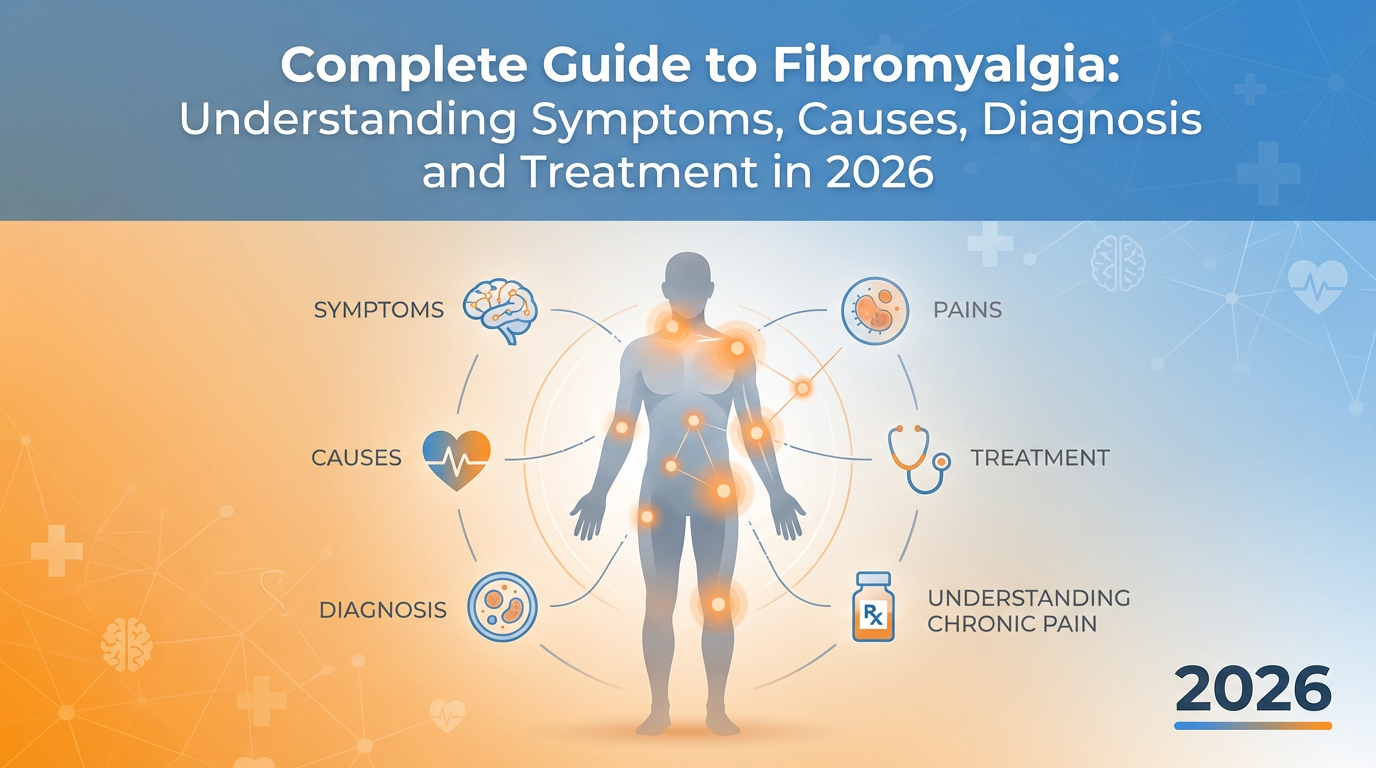
Complete Guide to Fibromyalgia: Understanding Symptoms, Causes, Diagnosis and Treatment

Understanding Fibromyalgia: A Comprehensive Overview
Fibromyalgia is a complex chronic pain disorder characterized by widespread musculoskeletal pain accompanied by fatigue, sleep disturbances, cognitive difficulties, and emotional challenges. Affecting approximately 4% of the global population, with a higher prevalence among women, fibromyalgia has long been misunderstood and misdiagnosed. This condition doesn’t result from inflammation or damage to joints or muscles, but rather stems from abnormal pain processing within the central nervous system, causing the brain and body to amplify pain signals.
Unlike conditions with visible markers or structural damage, fibromyalgia presents unique diagnostic challenges. Patients often spend years seeking answers before receiving an accurate diagnosis. The condition significantly impacts daily functioning, relationships, work productivity, and overall quality of life. Understanding fibromyalgia’s multifaceted nature is essential for both patients and healthcare providers to develop effective management strategies. As research continues to advance, new insights into fibromyalgia’s mechanisms have led to improved treatment protocols and better outcomes for those living with this challenging condition.
🌟 Living with fibromyalgia doesn’t mean living without hope—Shifam Health specializes in comprehensive fibromyalgia care with personalized treatment plans. Start your journey to better health today! 💜
Recognizing Fibromyalgia Symptoms
The symptom profile of fibromyalgia is extensive and varies significantly among individuals. The primary symptom is widespread pain affecting both sides of the body, above and below the waist, persisting for at least three months. This pain is often described as a constant dull ache, burning sensation, or stabbing discomfort that fluctuates in intensity. Unlike localized pain conditions, fibromyalgia pain encompasses multiple body regions simultaneously, creating a pervasive sense of physical discomfort.
Fatigue represents another hallmark symptom, with patients frequently reporting waking up tired despite sleeping for extended periods. This exhaustion isn’t relieved by rest and often worsens with physical or mental exertion. Cognitive difficulties, commonly termed “fibro fog,” include problems with concentration, memory, attention span, and mental processing speed. Many patients describe feeling mentally clouded, struggling to find words, or experiencing difficulty with tasks that previously came easily.
Sleep disturbances are nearly universal among fibromyalgia patients, with frequent awakenings, non-restorative sleep, and conditions like sleep apnea or restless leg syndrome often co-occurring. Additional symptoms include morning stiffness lasting several hours, headaches ranging from tension-type to migraines, temporomandibular joint disorders (TMJ), irritable bowel syndrome (IBS), bladder problems including frequent urination or interstitial cystitis, numbness and tingling in extremities, heightened sensitivity to temperature, lights, sounds, and odors, and anxiety or depression.

💙 You deserve personalized care that addresses all your symptoms—Shifam Health connects you with specialists who understand fibromyalgia’s complexity.
Many patients also experience increased sensitivity to touch or pressure, making normal activities like hugging or wearing tight clothing uncomfortable. The unpredictable nature of symptom flares, where symptoms suddenly intensify without obvious triggers, adds to the condition’s challenges. These flares can last days or weeks, significantly disrupting daily routines and requiring flexible management approaches.
Contributing Factors
While the exact cause of fibromyalgia remains incompletely understood, research in 2026 has identified multiple contributing factors. Central sensitization, where the central nervous system becomes hypersensitive to pain signals, plays a crucial role. This abnormal pain processing causes the brain to amplify normal sensations, transforming them into painful experiences. Neurotransmitter imbalances, particularly involving serotonin, dopamine, and norepinephrine, affect pain perception, mood regulation, and sleep patterns.
✨ Evidence-based treatment starts with understanding—Shifam Health provides comprehensive evaluations using the latest diagnostic tools and research. Transform your fibromyalgia management! 🌈
Genetic factors contribute significantly, with fibromyalgia often running in families, suggesting hereditary predisposition to abnormal pain processing. Specific gene variations affecting neurotransmitter function and stress response systems have been identified. Triggering events frequently precede fibromyalgia onset, including physical trauma from accidents or injuries, infections such as viral illnesses, significant surgical procedures, or prolonged psychological stress. However, some individuals develop fibromyalgia gradually without identifiable triggers.
Risk factors include gender, with women developing fibromyalgia 7-9 times more frequently than men, possibly related to hormonal influences, genetic factors, or differences in pain processing. Age plays a role, with most diagnoses occurring between 30-50 years, though fibromyalgia can develop at any age including childhood. Family history significantly increases risk, while other rheumatic conditions like rheumatoid arthritis, lupus, or ankylosing spondylitis raise fibromyalgia likelihood. Psychological factors including history of anxiety, depression, post-traumatic stress disorder (PTSD), or chronic stress contribute to development and symptom severity.
Diagnosing fibromyalgia has historically been challenging due to the absence of definitive laboratory tests or imaging findings. However, diagnostic approaches have evolved significantly. The current diagnostic criteria established by the American College of Rheumatology includes widespread pain index (WPI) assessing the number of painful body regions, symptom severity scale (SS) evaluating fatigue, cognitive symptoms, and unrefreshed sleep, symptom duration of at least three months, and exclusion of other disorders that could explain symptoms.
🔍 Accurate diagnosis changes everything—Shifam Health ensures thorough evaluations by fibromyalgia specialists who stay current with latest diagnostic protocols. Schedule your assessment today! 📋
The diagnostic process typically begins with comprehensive medical history taking, documenting symptom patterns, duration, severity, and impact on daily functioning. Physical examination includes tender point assessment, though this is no longer the primary diagnostic criterion, neurological examination to rule out other conditions, and assessment of joint and muscle function. Laboratory testing helps exclude other conditions with similar presentations, including complete blood count, thyroid function tests, rheumatoid factor and anti-nuclear antibodies for autoimmune conditions, vitamin D levels, and erythrocyte sedimentation rate or C-reactive protein for inflammation markers.
Advanced diagnostic considerations in 2026 may include functional MRI studies for research purposes showing altered brain activity in pain processing regions, though not routinely used for diagnosis, small fiber neuropathy testing in select cases, and sleep studies if significant sleep disorders are suspected. Differential diagnosis remains crucial, distinguishing fibromyalgia from chronic fatigue syndrome, myofascial pain syndrome, polymyalgia rheumatica, hypothyroidism, rheumatoid arthritis, systemic lupus erythematosus, and multiple sclerosis.
💪 Comprehensive care delivers lasting results—Shifam Health offers integrated treatment plans combining medication management, therapy, and lifestyle coaching. Begin your healing journey! 🎯
Additional medications include low-dose tricyclic antidepressants like amitriptyline for sleep and pain, muscle relaxants such as cyclobenzaprine for nighttime use, anticonvulsants like gabapentin for nerve pain, and pain relievers, though opioids are generally avoided due to limited efficacy and addiction risks. Physical therapy forms a cornerstone of treatment, incorporating gentle aerobic exercise like walking, swimming, or cycling, starting slowly and gradually increasing intensity, strengthening exercises to support muscles and improve function, flexibility training including yoga or tai chi, and aquatic therapy providing low-impact movement options.
Cognitive behavioral therapy (CBT) addresses the psychological aspects of chronic pain, helping patients develop coping strategies, modify pain-related thoughts and behaviors, improve sleep habits, and manage stress effectively. Alternative and complementary therapies gaining recognition include acupuncture for pain relief, massage therapy for muscle tension and relaxation, mindfulness meditation and relaxation techniques, biofeedback training for body awareness and control, and guided imagery and hypnotherapy.
Lifestyle modifications prove essential for symptom management, including sleep hygiene practices maintaining consistent sleep schedules, creating comfortable sleep environments, and avoiding stimulants before bedtime. Stress management through relaxation techniques, time management strategies, and boundary setting is crucial. Nutritional approaches include anti-inflammatory diets emphasizing whole foods, fruits, vegetables, and omega-3 fatty acids, avoiding processed foods, excessive sugar, and potential trigger foods, staying well-hydrated, and considering supplements like magnesium, vitamin D, and CoQ10 under medical supervision.
🌟 Personalized treatment plans make all the difference—Shifam Health tailors every approach to your unique needs and lifestyle. Take control of your fibromyalgia today! 💙
Pacing and energy conservation techniques help prevent symptom flares by balancing activity with rest, breaking tasks into manageable segments, and avoiding overexertion on good days. Support systems including fibromyalgia support groups, family education, and mental health counseling provide crucial emotional and practical assistance throughout the treatment journey.
Cost Comparison Table for Fibromyalgia Treatment
| Treatment Option | Average Monthly Cost | Annual Cost | Insurance Coverage | Typical Out-of-Pocket |
|---|---|---|---|---|
| Prescription Medications | $150 – $400 | $1,800 – $4,800 | Usually covered | $20 – $100/month |
| Physical Therapy | $300 – $600 (8 sessions) | $1,200 – $2,400 | Typically covered | $30 – $60/session |
| Cognitive Behavioral Therapy | $400 – $800 (4 sessions) | $2,400 – $4,800 | Often covered | $30 – $75/session |
| Rheumatologist Consults | $200 – $400/visit | $800 – $1,600 (quarterly) | Usually covered | $50 – $100/visit |
| Acupuncture | $240 – $480 (4 sessions) | $1,440 – $2,880 | Varies by plan | $60 – $120/session |
| Massage Therapy | $240 – $400 (4 sessions) | $1,440 – $2,400 | Limited coverage | $60 – $100/session |
| Nutritionist / Dietitian | $150 – $300 | $600 – $1,200 | Varies by plan | $75 – $150/session |
| Laboratory Tests | $200 – $600 (annual) | $200 – $600 | Usually covered | $20 – $100 |
| Supplements | $50 – $150 | $600 – $1,800 | Not covered | Full cost |
| Pain Management Specialist | $250 – $500/visit | $1,000 – $2,000 (quarterly) | Often covered | $50 – $150/visit |
| Comprehensive Care Program | $500 – $1,200 | $6,000 – $14,400 | Partial coverage | $2,000 – $6,000 |
| Total Annual Estimate | $1,200 – $2,500 | $14,000 – $30,000 | 60–80% covered | $3,000 – $8,000 |
Prescription Medications
Monthly: $150 – $400
Coverage: Usually covered
Out-of-pocket: $20 – $100/month
Physical Therapy
Monthly: $300 – $600
Coverage: Typically covered
Out-of-pocket: $30 – $60/session
CBT & Mental Health Support
Monthly: $400 – $800
Coverage: Often covered
Out-of-pocket: $30 – $75/session
Comprehensive Care Program
Annual: $6,000 – $14,400
Coverage: Partial
Out-of-pocket: $2,000 – $6,000
Note: Costs vary significantly based on location, provider experience, insurance plan, and treatment intensity. These estimates represent typical ranges in 2026.
💰 Quality fibromyalgia care shouldn’t break the bank—Shifam Health works with major insurance providers and offers flexible payment options.
Get your personalized cost estimate! 📱
Frequently Asked Questions
Fibromyalgia is not progressive or degenerative, though symptoms fluctuate; with proper management, many patients improve significantly over time.
Currently there’s no cure, but many patients achieve substantial symptom reduction and improved quality of life through comprehensive treatment approaches.
No, fibromyalgia is not classified as autoimmune; it’s a pain processing disorder affecting how the nervous system perceives and transmits pain signals.
While exercise may initially increase discomfort, gentle, gradual exercise programs are proven to reduce symptoms and improve function long-term.
Stress doesn’t directly cause fibromyalgia but can trigger onset in predisposed individuals and significantly worsen symptoms in diagnosed patients.
Severity varies widely; some maintain full employment with accommodations while others require disability benefits during severe flares or with poor symptom control.
Many patients report symptom worsening with weather changes, particularly cold, humidity, or barometric pressure shifts, though mechanisms remain unclear.
Conclusion
Fibromyalgia presents significant challenges for those affected, but understanding its symptoms, causes, and treatment options empowers patients to take active roles in managing their condition. The multifaceted nature of fibromyalgia requires equally comprehensive treatment approaches combining medication, physical therapy, psychological support, and lifestyle modifications. As research advances in 2026, patients have access to more sophisticated diagnostic tools and evidence-based treatments than ever before.
Success in managing fibromyalgia depends on patient commitment, healthcare provider expertise, and realistic expectations about treatment outcomes. While complete symptom elimination may not be achievable for everyone, substantial improvement in pain levels, fatigue, cognitive function, and overall quality of life is entirely possible. The key lies in finding the right combination of treatments tailored to individual needs, maintaining consistency with therapeutic approaches, and cultivating patience throughout the journey.
Building a strong support network including knowledgeable healthcare providers, understanding family and friends, and fellow fibromyalgia patients provides invaluable emotional sustenance. With proper management, most individuals with fibromyalgia can lead productive, fulfilling lives, pursuing careers, maintaining relationships, and enjoying activities that bring meaning and joy.
💜 Your fibromyalgia journey deserves expert guidance and compassionate care—Shifam Health provides comprehensive fibromyalgia management with a team dedicated to your wellness.
Don’t wait another day in pain—schedule your consultation now and receive a personalized treatment plan within 48 hours!
✨ Join thousands who’ve transformed their lives with Shifam Health’s integrative approach!
Book Your Free Consultation Now ! 🌟