


Myopathy: Complete Guide to Cost, Treatment Procedures & Success Rates
Filters & Insights
Written By :
Medically Reviewed By :

Shifam Health Medical Team
Shifam Health - Medical Reviews Department
10+ Years Of Experience
Myopathy is a broad term for diseases that affect the muscles, leading to symptoms such as progressive muscle weakness, fatigue,
📅
Last updated: May 20, 2026

Myopathy is a broad term for diseases that affect the muscles, leading to symptoms such as progressive muscle weakness, fatigue, cramps, and difficulty walking, climbing stairs, or lifting objects. Some forms are inherited, while others are caused by autoimmune conditions, infections, medications, or metabolic disorders. Because the underlying cause can vary widely, an accurate diagnosis is essential to choosing the most effective treatment.
For patients and families, common concerns include understanding the available treatment options, expected outcomes, and overall cost of care. The good news is that many types of myopathy can be managed successfully with a combination of medications, physical therapy, immunotherapy, and supportive rehabilitation. In selected cases, advanced therapies such as IVIG, biologic treatments, or stem cell-based approaches may be considered.
In this complete guide, you’ll learn about the different types of myopathy, diagnostic tests, treatment procedures, estimated costs, and success rates helping you make informed decisions about your care in 2026.
Table of Contents
ToggleUnderstanding Myopathy: What You Need to Know
Myopathy refers to diseases that directly affect muscle tissue, causing progressive weakness and deterioration. Unlike neurological conditions that affect nerve signals, myopathies target the muscle fibers themselves. The condition can be inherited genetically or acquired through various factors including autoimmune responses, metabolic disorders, infections, or medication side effects.
The primary symptoms include muscle weakness typically affecting areas closest to the body’s center (proximal muscles), muscle pain or cramping, difficulty with physical activities like climbing stairs or lifting objects, and in severe cases, respiratory complications. Early diagnosis significantly improves treatment outcomes and quality of life.
Shifam Health offers specialized myopathy diagnosis with advanced testing facilities and expert neurologists for accurate results.
Types of Myopathy
Understanding the specific type of myopathy is crucial for determining the appropriate treatment approach:
- Inflammatory Myopathies include polymyositis, dermatomyositis, and inclusion body myositis, where the immune system mistakenly attacks muscle tissue. These conditions often respond well to immunosuppressive treatments.
- Metabolic Myopathies result from enzyme deficiencies that prevent muscles from properly converting nutrients into energy. Examples include glycogen storage diseases and mitochondrial myopathies.
- Congenital Myopathies are present from birth due to genetic mutations affecting muscle structure and function. These include central core disease, nemaline myopathy, and centronuclear myopathy.
- Toxic Myopathies develop from exposure to certain medications, particularly statins, or substances like alcohol. These often improve once the causative agent is removed.
Diagnostic Procedures for Myopathy in 2026
Modern diagnostic approaches combine multiple testing methods to accurately identify myopathy type and severity:
- Blood Tests measure levels of creatine kinase (CK), which elevates when muscle damage occurs. Additional tests assess autoantibodies, thyroid function, and metabolic markers.
- Electromyography (EMG) evaluates electrical activity in muscles, helping distinguish myopathy from neuropathy or neuromuscular junction disorders.
- Muscle Biopsy remains the gold standard, providing tissue samples for microscopic examination, immunohistochemistry, and genetic testing.
- Advanced Imaging including MRI scans can identify inflammation patterns, muscle edema, and fatty replacement without invasive procedures.
- Genetic Testing has become increasingly sophisticated in 2026, with comprehensive panels identifying mutations responsible for hereditary myopathies.
Treatment Approaches and Procedures
Treatment strategies vary significantly based on myopathy type but generally focus on managing symptoms, slowing progression, and improving quality of life:
Experience cutting-edge myopathy treatment protocols at Shifam Health with access to the latest therapeutic innovations.
Medical Management
- Corticosteroids like prednisone serve as first-line treatment for inflammatory myopathies, reducing immune system activity and muscle inflammation.
- Immunosuppressants including methotrexate, azathioprine, and mycophenolate help manage autoimmune conditions while allowing steroid dose reduction.
- Intravenous Immunoglobulin (IVIG) therapy has shown excellent results in 2026 for dermatomyositis and other inflammatory conditions, providing antibodies that modulate immune responses.
- Enzyme Replacement Therapy benefits certain metabolic myopathies, supplementing deficient enzymes to improve muscle energy production.
Physical and Rehabilitative Therapy
- Structured Exercise Programs designed by physical therapists help maintain muscle strength without causing additional damage. Moderate, supervised exercise has proven benefits for many myopathy types.
- Occupational Therapy focuses on adaptive strategies and assistive devices to maintain independence in daily activities.
- Respiratory Support may include breathing exercises, assisted ventilation devices, or in severe cases, mechanical ventilation to manage respiratory muscle weakness.
Emerging and Advanced Treatments
- Gene Therapy advances in 2026 have opened new possibilities for treating genetic myopathies, with several therapies in clinical trials or recently approved.
- Stem Cell Therapy shows promise for regenerating damaged muscle tissue, though research continues regarding long-term efficacy and safety.
- Targeted Biologic Therapies offer more precise immune modulation with fewer side effects compared to traditional immunosuppressants.
Cost Analysis: Myopathy Treatment in 2026
Healthcare costs for myopathy vary significantly based on disease type, severity, location, and treatment approach. Understanding these financial implications helps in planning and accessing appropriate care.
Cost Comparison Table: Myopathy Diagnostic Tests
| Diagnostic Test | Cost Range (USD) | Typical Duration | Insurance Coverage |
|---|---|---|---|
| Blood Tests (CK, Autoantibodies) | $200 – $800 | 1–2 days | 70–90% |
| Electromyography (EMG) | $500 – $1,500 | 1–2 hours | 60–80% |
| Muscle Biopsy | $2,000 – $5,000 | 1–3 hours | 70–85% |
| MRI Muscle Imaging | $1,200 – $3,500 | 45–90 minutes | 65–80% |
| Comprehensive Genetic Panel | $3,000 – $8,000 | 2–6 weeks | 50–70% |
Blood Tests (CK, Autoantibodies)
Cost: $200 – $800
Duration: 1–2 days
Coverage: 70–90%
Electromyography (EMG)
Cost: $500 – $1,500
Duration: 1–2 hours
Coverage: 60–80%
Muscle Biopsy
Cost: $2,000 – $5,000
Duration: 1–3 hours
Coverage: 70–85%
Genetic Panel
Cost: $3,000 – $8,000
Duration: 2–6 weeks
Coverage: 50–70%
Shifam Health offers transparent pricing and insurance assistance to make myopathy diagnosis accessible and affordable.
Treatment Cost Breakdown
- Medication Costs vary substantially. Generic corticosteroids may cost $20-$100 monthly, while immunosuppressants range from $200-$1,500 monthly. IVIG therapy represents a significant expense at $5,000-$15,000 per treatment session, typically administered monthly or quarterly.
- Physical Therapy sessions cost $75-$200 per session, with patients typically requiring 2-3 sessions weekly initially, tapering to monthly maintenance.
- Specialist Consultations with neurologists or rheumatologists range from $200-$500 per visit, with quarterly to biannual follow-ups recommended.
- Annual Treatment Costs can range from $15,000 for mild cases managed with basic medications and therapy to over $200,000 for severe cases requiring advanced biologics, IVIG, or emerging gene therapies.
Cost Comparison by Treatment Type
| Treatment Category | Annual Cost Range (USD) | Frequency | Typical Duration |
|---|---|---|---|
| Oral Medications (Steroids / Immunosuppressants) | $2,400 – $18,000 | Daily / Weekly | Ongoing |
| IVIG Therapy | $60,000 – $180,000 | Monthly / Quarterly | Minimum 6–12 months |
| Physical Therapy | $7,800 – $20,000 | 2–3 sessions weekly (initial) | Ongoing |
| Gene Therapy (when applicable) | $500,000 – $2,000,000 | One-time treatment | Single administration |
| Assistive Devices | $500 – $10,000 | As required | Varies by device |
Oral Medications
Cost: $2,400 – $18,000 / year
Frequency: Daily / Weekly
Duration: Ongoing
IVIG Therapy
Cost: $60,000 – $180,000 / year
Frequency: Monthly / Quarterly
Duration: 6–12 months+
Gene Therapy
Cost: $500,000 – $2,000,000
Frequency: One-time
Duration: Single administration
Explore flexible payment options and financial counseling at Shifam Health to access quality myopathy care within your budget.
Success Rates and Prognosis in 2026
Treatment outcomes have improved significantly with advances in medical science and early intervention strategies:
Success Rate Table by Myopathy Type
| Myopathy Type | Positive Response Rate | Remission Rate | 5-Year Prognosis |
|---|---|---|---|
| Polymyositis | 70–85% | 40–60% | Good with consistent treatment |
| Dermatomyositis | 75–90% | 50–70% | Very good, especially in children |
| Inclusion Body Myositis | 30–40% | Rare | Slow but progressive decline |
| Metabolic Myopathies | 50–70% | Variable | Manageable with therapy & diet |
| Toxic Myopathies | 85–95% | 80–90% | Excellent if cause is reversible |
| Congenital Myopathies | 40–60% | Not applicable | Stable with long-term support |
Polymyositis
Response: 70–85%
Remission: 40–60%
Prognosis: Good with treatment
Dermatomyositis
Response: 75–90%
Remission: 50–70%
Prognosis: Very good in children
Inclusion Body Myositis
Response: 30–40%
Remission: Rare
Prognosis: Progressive decline
Success Determinants include early diagnosis, appropriate treatment selection, patient adherence to therapy, access to specialized care, and comprehensive rehabilitation support. Patients who begin treatment within the first six months of symptom onset generally experience better outcomes.
Quality of Life Improvements reported in 2026 studies show that 65-80% of patients with inflammatory myopathies achieve significant functional improvement within 6-12 months of starting treatment. Metabolic myopathies show variable responses depending on the specific enzyme deficiency and available treatments.
Managing Life with Myopathy
Living with myopathy requires ongoing adaptation and support. Dietary considerations include adequate protein intake to support muscle maintenance, balanced nutrition for metabolic myopathies, and avoiding triggers in toxic myopathies.
Energy Conservation techniques help patients accomplish daily tasks without excessive fatigue. Breaking activities into smaller segments, using assistive devices, and planning rest periods optimize functionality.
Psychological Support addresses the emotional challenges of chronic illness. Support groups, counseling, and connecting with others facing similar conditions provide valuable coping mechanisms.
Latest Research and Future Directions
The myopathy treatment landscape continues evolving rapidly. CRISPR gene editing shows promise for correcting genetic mutations causing hereditary myopathies. Personalized medicine approaches use genetic profiling to predict treatment responses and customize therapy. Artificial intelligence assists in earlier diagnosis through pattern recognition in imaging and clinical data.
Researchers are developing small molecule drugs that target specific pathways in muscle degeneration, potentially offering oral alternatives to injectable biologics. Clinical trials in 2026 are investigating combination therapies that may produce superior results compared to single-agent treatments.
Conclusion
Myopathy encompasses diverse muscle disorders requiring accurate diagnosis, personalized treatment, and ongoing management. As we progress through 2026, patients have access to more sophisticated diagnostic tools, innovative treatments, and comprehensive care approaches than ever before. While costs can be substantial, ranging from thousands to hundreds of thousands of dollars annually depending on disease severity and treatment requirements, improved insurance coverage and financial assistance programs have made quality care more accessible.
Success rates continue improving, particularly for inflammatory and toxic myopathies, with 70-90% of patients experiencing significant symptom improvement with appropriate treatment. Even challenging conditions like inclusion body myositis benefit from supportive care that maintains quality of life and functional independence longer.
The key to optimal outcomes lies in early diagnosis, selecting the right treatment approach, consistent follow-through with therapy recommendations, and accessing specialized care from experienced providers. With advances in gene therapy, biologic medications, and personalized medicine approaches, the future holds even greater promise for myopathy patients.
Frequently Asked Questions (FAQs)
How is myopathy different from muscular dystrophy?
While both affect muscles, muscular dystrophies are progressive genetic conditions, whereas myopathies include various causes and may be reversible.
Can myopathy be cured completely?
Some types like toxic myopathies can resolve completely, while others require ongoing management to control symptoms and slow progression.
Is myopathy hereditary?
Some myopathies are genetic, but many are acquired through autoimmune, metabolic, or environmental factors.
How quickly does myopathy progress?
Progression varies dramatically by type, from rapid deterioration in acute cases to very slow progression over decades.
Can exercise help or harm myopathy patients?
Supervised, appropriate exercise generally benefits most myopathy types, but must be carefully tailored to avoid overexertion.
Is myopathy a terminal condition?
Most myopathies are not terminal; with proper management, patients live normal or near-normal lifespans.
How often do I need follow-up appointments?
Initially every 4-6 weeks, then quarterly once stable, with additional visits if symptoms change.
| Take the First Step It costs Nothing Share your medical reports with Shifam Health and receive a free, personalized assessment within 24 hours. No commitment. No pressure. Just honest information to help you make the right decision for you and your family. www.shifamhealth.com | contact@shifamhealth.com | WhatsApp: +91 81785 95807 24/7 Support Available | Free Consultation | No Hidden Charges |

Popular Posts From Last Week
- October 23, 2026
- shifamhealth
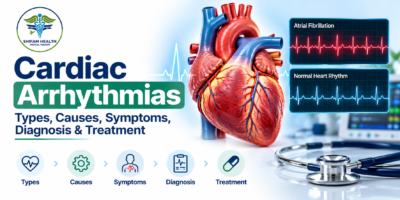
A fluttering chest, a sudden racing heartbeat or a skipped beat can be frightening, and it is hard…
- October 25, 2026
- shifamhealth
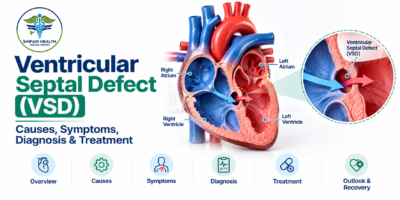
What is a ventricular septal defect? A ventricular septal defect (VSD) is an opening in the wall (septum)…
- October 22, 2026
- shifamhealth
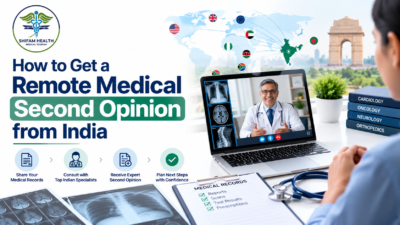
A remote medical second opinion from India allows patients living in the USA, UK and other countries to…
- October 21, 2026
- shifamhealth
When you receive treatment estimates from two hospitals in India, do not compare only the final amounts. To…
- October 22, 2026
- shifamhealth
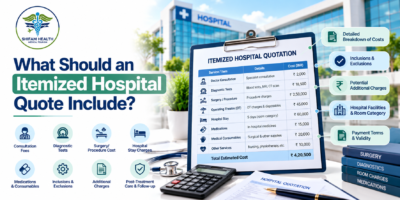
An itemized hospital quote in India should clearly explain the expected cost of treatment by separating major charges,…