



Home > Blog > Premium Lens Cataract Surgery Cost in India: Complete 2026 Guide for International Patients
Premium Lens Cataract Surgery Cost in India: Complete 2026 Guide for International Patients
Filters & Insights
Written By :
Medically Reviewed By :

Shifam Health Medical Team
Shifam Health - Medical Reviews Department
10+ Years Of Experience
Premium IOL surgery costs $900–$2,200/eye in India vs $4,000–$8,000+ in the US. Compare multifocal, trifocal, EDOF & toric lenses.
📅
Last updated: July 21, 2026

Quick Summary
- Premium lens (multifocal, trifocal, EDOF, or toric) cataract surgery in India typically costs $900–$2,200 per eye as an all-inclusive international patient package, versus $4,000–$8,000+ per eye in the US and £4,500–£7,500 per eye in the UK.
- Premium IOLs reduce your dependence on glasses after surgery; standard monofocal lenses (the type most insurance/government schemes cover) correct clear vision at one distance only.
- No premium lens fully replicates your natural, youthful vision — each type involves trade-offs, most commonly some glare or halos in low light, especially in the first few months.
- Shifam Health provides a free review of your eye reports, lens-type guidance suited to your lifestyle, a transparent written quote, and full logistics support for treatment in India.
Table of Contents
ToggleWhat Is Premium Lens Cataract Surgery?
Cataract surgery removes your eye’s clouded natural lens and replaces it with an artificial intraocular lens (IOL). Every cataract patient gets an IOL — the question is which type.
Standard monofocal lenses correct vision clearly at one distance, almost always set for distance vision, meaning you’ll still need reading glasses afterward. These are the lenses covered by most government health schemes and standard insurance.
Premium lenses — multifocal, trifocal, extended depth of focus (EDOF), and toric — use more advanced optics to correct vision at multiple distances, or to simultaneously fix astigmatism. The trade-off is cost: premium lenses are almost universally an out-of-pocket expense, in India and internationally, because they’re considered a lifestyle upgrade rather than a medical necessity.
Whether the extra cost is worth it depends entirely on your daily visual needs, not on which lens is objectively “best” — there’s no single premium lens that outperforms the others in every situation.
Types of Premium Intraocular Lenses
| Lens Type | Details |
|---|---|
| Multifocal IOL | How it works
Uses multiple optical zones to provide near and distance vision simultaneously. Best suited for Patients who want greater independence from reading glasses for everyday activities. Common trade-off Some patients notice glare or halos around lights at night, particularly during the first few months after surgery. |
| Trifocal IOL | How it works
Provides dedicated near, intermediate (computer), and distance vision using three focal points. Best suited for People who regularly use computers, smartphones, and read frequently while also wanting excellent distance vision. Common trade-off Requires a short neuro-adaptation period, and mild night-time halos may occur initially. |
| EDOF (Extended Depth of Focus) | How it works
Creates one continuous extended focal range instead of multiple focal points for smoother vision transitions. Best suited for Patients prioritizing excellent distance and intermediate vision with fewer visual disturbances at night. Common trade-off Very small print may still require reading glasses. |
| Toric IOL | How it works
Corrects corneal astigmatism while replacing the cloudy natural lens. Best suited for Patients with moderate or significant astigmatism seeking clearer overall vision. Common trade-off Does not correct presbyopia unless combined with multifocal or EDOF optics. |
| Premium Aspheric Monofocal IOL | How it works
Provides excellent distance vision with enhanced contrast sensitivity and reduced optical aberrations. Best suited for Patients comfortable using reading glasses but wanting the sharpest possible distance and night vision. Common trade-off Reading glasses are usually still required for near tasks. |
Toric technology can be combined with multifocal or EDOF lenses (a “toric multifocal”) for patients who have both astigmatism and want reduced glasses dependence — at a correspondingly higher cost.
Premium Lens Cataract Surgery Cost in India
Domestic clinic pricing for premium IOL packages in India (surgery + lens + standard diagnostics) generally runs ₹30,000–₹2,00,000 per eye (roughly $360–$2,400), depending on lens type, brand, and whether femtosecond laser assistance is used. That range reflects local, walk-in pricing and often excludes the fuller diagnostic workup and coordinated follow-up care an international patient needs bundled into one transparent quote.
For international patients, a realistic all-inclusive package estimate is $900–$2,200 per eye, covering:
| Included in an International Premium Cataract Package | Typically Covers |
|---|---|
| Pre-operative Diagnostics | Comprehensive eye evaluation including optical biometry, corneal topography, Optical Coherence Tomography (OCT), and precise intraocular lens (IOL) power calculation to optimize surgical planning. |
| Specialist Consultation | Assessment by an experienced cataract and refractive surgeon, discussion of visual goals, and personalized guidance on selecting the most suitable premium intraocular lens (Multifocal, Trifocal, EDOF, Toric, or Premium Monofocal). |
| The Surgery | Modern phacoemulsification cataract surgery or femtosecond laser-assisted cataract surgery (FLACS), where appropriate, together with implantation of the selected premium intraocular lens. |
| Immediate Post-operative Care | Post-operative medications, protective eye shield or eyewear, discharge instructions, and same-day discharge for most patients unless additional observation is required. |
| Follow-up Visits | Scheduled post-operative examinations during your stay in India to monitor healing, assess visual recovery, and ensure the implanted lens is functioning as expected before travel. |
| Lens Category | Typical India Package (Per Eye – International Patient) |
|---|---|
| Standard Monofocal IOL | USD $400 – $700 |
| Premium (Aspheric) Monofocal IOL | USD $600 – $1,000 |
| Toric IOL | USD $900 – $1,600 |
| Multifocal or EDOF (Extended Depth of Focus) IOL | USD $1,100 – $1,900 |
| Trifocal or Toric Multifocal IOL | USD $1,400 – $2,200+ |
| Femtosecond Laser-Assisted Cataract Surgery (Optional Upgrade) | Add approximately USD $300 – $600 per eye |
Important: these figures are indicative. Lens brand, hospital, and the complexity of your eye determine your exact quote — always request a written, itemized estimate based on your actual eye reports before booking travel. Shifam Health provides this at no cost.
Cost Comparison: India vs. US vs. UK
| Country | Typical Premium IOL Package (Per Eye) | Key Notes |
|---|---|---|
| India (International Patient Package) | USD $900 – $2,200 | Comprehensive package typically includes pre-operative diagnostics, surgeon consultation, cataract surgery, premium intraocular lens (IOL), medications, and scheduled follow-up visits during the patient’s stay. |
| United States | USD $4,000 – $8,000+ | Medicare and most insurance plans generally cover only the standard monofocal cataract procedure. Premium lens upgrades (multifocal, trifocal, EDOF, or toric) are usually paid out of pocket by the patient. |
| United Kingdom (Private Healthcare) | £4,500 – £7,500 (Approximately USD $5,700 – $9,500) | The NHS routinely provides standard monofocal lenses. Premium intraocular lenses are available primarily through private hospitals and are usually self-funded by the patient. |
Most international patients save 65–80% on premium lens surgery by choosing India, even after factoring in flights and accommodation. Get a personalized quote from Shifam Health based on your reports.
What Affects the Price?
- Lens type and brand — trifocal and toric-multifocal combinations cost more than single-function premium lenses
- Imported vs. Indian-manufactured lens — see comparison below
- Femtosecond laser assistance (FLACS) — an optional add-on for precision lens positioning, priced separately from standard phacoemulsification
- Astigmatism correction requirements — toric lenses need more precise pre-op measurement and axis alignment
- Hospital and city — metro hospitals with advanced diagnostic equipment (aberrometry, digital markerless guidance) may price slightly higher
- Surgeon expertise — high-volume premium IOL surgeons
Imported vs. Indian Premium IOLs
| Factor | Imported Premium Intraocular Lenses (IOLs) | Indian-Manufactured Premium Intraocular Lenses (IOLs) |
|---|---|---|
| Availability | Widely available at leading metro hospitals and eye institutes, including globally recognized premium lens brands. | Widely available across India, with several manufacturers offering advanced premium lens technologies. |
| Typical Cost | Generally priced at the higher end of the premium cataract surgery package due to imported technology and brand positioning. | Usually more affordable while offering comparable options within the same lens category. |
| Clinical Evidence | Supported by extensive international clinical studies and long-term outcome data published over many years. | A growing body of clinical evidence, with many lenses carrying CE marking and other applicable regulatory approvals depending on the manufacturer. |
| Surgeon Familiarity | Most experienced cataract surgeons in India routinely implant imported premium lenses and are well trained in their use. | Equally familiar to most high-volume cataract surgeons, who commonly implant both Indian and imported lenses based on patient needs and clinical suitability. |
Neither category is universally “better” — the right choice depends on your surgeon’s experience with a specific lens model and your budget, not on country of manufacture alone. Ask your surgeon directly which lens model they have the most implantation experience with.
Which Premium Lens Is Right for You?
This is a decision your surgeon should make with you based on a full eye exam — not a lens you pre-select from an article. As a starting framework:
| If You Are… | Lenses Commonly Discussed |
|---|---|
| A frequent computer or digital screen user | Trifocal IOL or Extended Depth of Focus (EDOF) IOL, as these provide excellent intermediate vision for computer work, tablets, and daily digital device use. |
| A driver, especially at night | EDOF or Premium Aspheric Monofocal IOL, which generally produce fewer halos and glare than multifocal lenses while maintaining excellent distance vision. |
| Wanting maximum independence from reading glasses | Trifocal or Multifocal IOL, designed to provide functional near, intermediate, and distance vision for many everyday activities. |
| Living with significant astigmatism | Toric IOL to correct corneal astigmatism. When appropriate, a Toric Multifocal or Toric EDOF lens may also be considered for greater spectacle independence. |
| Prioritizing the sharpest possible distance vision and comfortable using reading glasses | Premium (Aspheric) Monofocal IOL, offering excellent optical quality, improved contrast sensitivity, and high-quality distance vision. |
| A pilot or working in a profession with strict visual or night-vision requirements | Requires an individualized assessment by an experienced cataract surgeon. Certain premium lenses may not be appropriate depending on occupational visual standards and the risk of glare or halos. |
If you have any other eye condition (glaucoma, significant dry eye, macular disease), disclose this before lens selection — it can change which premium lens is appropriate, or whether premium lenses are advisable at all.
How Premium Cataract Surgery Is Performed
- Comprehensive eye evaluation — visual acuity, dilated exam, and screening for other eye conditions
- Biometry and lens power calculation — precise eye measurements determine your exact lens power; this step matters more for premium lenses than standard ones
- Corneal topography/OCT — required especially for toric and multifocal planning
- The surgery — a small incision is made, the cloudy natural lens is broken up (phacoemulsification, with or without femtosecond laser assistance) and removed, and the premium IOL is inserted folded, then unfolds into place
- Same-day discharge — cataract surgery is outpatient; you go home (or to your hotel) the same day
- Follow-up visits — typically the next day, then at 1 week and around 1 month
The procedure itself usually takes 15–30 minutes per eye.
Recovery Timeline
- First 24–48 hours: Mild grittiness, light sensitivity, and blurred vision are normal.
- First week: Vision improves rapidly for most patients; protective eye shield worn at night.
- 2–4 weeks: Vision continues to settle as the eye heals; this is when premium-lens patients typically notice how their brain is adapting to the new optics.
- 4–6 weeks: Full stabilization for most patients; any residual prescription (for reading glasses, if needed) is finalized around this point.
- 3+ months: Full neuroadaptation to multifocal/trifocal optics — some initial glare or halos typically continue to reduce during this period.
Most international patients plan to stay in India for 7–14 days, covering surgery on both eyes (often staged about a week apart) plus the early follow-up visits, with later milestones handled by teleconsultation.
Benefits of Premium IOLs
- Meaningfully reduced dependence on glasses for many daily tasks
- Toric lenses correct pre-existing astigmatism at the same time as the cataract
- Improved intermediate and near vision compared to standard monofocal lenses
- One-time investment rather than ongoing costs of multiple pairs of glasses
Possible Risks and Realistic Limitations
Premium lenses are a genuine upgrade for many patients, but they are not without trade-offs, and no reputable surgeon should promise perfect, glasses-free vision:
- Glare and halos around lights, most noticeable at night, especially in the first 3–6 months — usually improves as the brain adapts, but doesn’t always fully resolve for every patient
- Reduced contrast sensitivity compared to monofocal lenses in some multifocal designs
- Some patients still need light reading glasses for very fine print even with trifocal lenses
- Not every eye is a good candidate — pre-existing conditions like significant dry eye, macular degeneration, or irregular astigmatism may make premium lenses unsuitable
- General cataract surgery risks apply (rare): infection, inflammation, retinal detachment, or the need for a lens exchange
A transparent surgeon will tell you honestly whether you’re a good premium-lens candidate — and will not push a more expensive lens if your eyes or lifestyle don’t suit it.
International Patient Guide: Planning Your Trip to India
- Medical visa: Most international patients need an Indian medical visa; Shifam Health assists with the invitation letter and application.
- Documents to send ahead: Any recent eye exam records, current glasses/contact lens prescription, and details of other eye or health conditions — this lets the surgeon give you an accurate lens recommendation and quote before you travel.
- Length of stay: Typically 7–14 days if both eyes are being treated (usually staged), or shorter for a single eye.
- Interpreter and coordination support: Available for patients who don’t speak English or Hindi.
- Remote follow-up: Later check-ins can often be coordinated via teleconsultation, with any local scans shared electronically with your treating surgeon.
How Shifam Health Helps
Shifam Health is an international patient coordination service connecting patients from the UK, US, Gulf, Africa, and Bangladesh with hospitals in India offering premium IOL cataract surgery. We don’t perform the procedure ourselves — we help you choose the right path with clear information and support at every step:
- Free review of your existing eye reports and prescription history
- Lens-type guidance matched to your lifestyle and eye health — not a sales pitch for the most expensive option
- Matching you with a surgeon experienced in the specific premium lens category you’re considering
- A transparent, written cost estimate before you travel
- Medical visa guidance and travel logistics support
- On-ground coordination during your stay, including interpreter support where needed
- Help arranging remote follow-up after you return home
Frequently Asked Questions
Is a multifocal or trifocal lens worth the extra cost?
It depends on your lifestyle. If reducing dependence on reading and computer glasses matters to you and your surgeon confirms you’re a good candidate, most patients report the trade-off (some glare/halos, especially early on) is worth the independence gained. It isn’t the right choice for everyone.
What’s the difference between a multifocal and trifocal lens?
Multifocal lenses typically split focus between near and distance vision. Trifocal lenses add a dedicated intermediate zone, which helps with tasks like reading a computer screen — a distance multifocal lenses don’t always handle as well.
Will I still need glasses after premium lens surgery?
Possibly, for certain tasks very fine print in low light, for example even with a trifocal lens. Premium lenses substantially reduce, but don’t universally eliminate, the need for glasses.
Does a toric lens fix astigmatism permanently?
Yes, a toric IOL corrects existing astigmatism as part of the cataract procedure. If your astigmatism changes significantly over many years due to unrelated eye changes, that’s a separate consideration, but the toric correction itself is a permanent lens placement.
Are imported lenses better than Indian-manufactured lenses?
Not necessarily. Both categories include well-established, clinically used lens models. The more important factor is your surgeon’s experience implanting the specific lens model recommended for your eyes — ask directly about their experience with it.
How painful is cataract surgery?
The procedure is done under local anesthetic eye drops (sometimes with mild sedation) and is not painful during surgery. Mild grittiness or light sensitivity for a day or two afterward is common.
People Ask Further
How long does recovery take?
Most patients notice significant visual improvement within days. Full stabilization, especially for premium multifocal/trifocal optics, typically takes 4–6 weeks, with continued fine adaptation over the following months.
Can both eyes be done during the same trip?
Yes — this is common for international patients. Eyes are usually staged about a week apart rather than done simultaneously, to allow the first eye to heal and confirm the visual result before proceeding.
What if I experience glare or halos after surgery?
Some glare and halos, particularly at night, are a known and expected part of adapting to multifocal/trifocal optics for many patients, and this typically reduces over the following weeks to months. Persistent, significant symptoms should be discussed with your surgeon, who can advise whether further steps are appropriate.
How is the right lens power calculated?
Through biometry — precise measurements of your eye’s length and corneal curvature — combined with formulas that calculate the lens power needed for your target vision. This step is more critical for premium lenses than standard ones.
What is femtosecond laser-assisted cataract surgery, and do I need it?
It’s an optional technology that uses a laser for certain surgical steps instead of manual technique, sometimes used for precision lens positioning with premium IOLs. It’s not mandatory many excellent outcomes are achieved with standard phacoemulsification and your surgeon can advise if it’s relevant to your case.
Can premium lenses be removed or exchanged if I’m not happy with the result?
In select cases, a lens exchange is possible, though it’s a more involved secondary procedure with its own risks and is not routine. This is why thorough pre-operative counselling and lens selection matter so much before the first surgery.
How does Shifam Health support patients choosing between lens types?
We review your eye reports and prescription history free of charge, help match you with a surgeon experienced in the lens category suited to your lifestyle, provide a transparent written cost estimate, and support your medical visa, travel, and follow-up coordination.
Get Your Free Cost Estimate for Premium Lens Cataract Surgery in India
Share your existing eye reports or prescription details with our team, and we’ll connect you with a cataract surgeon and give you a transparent, itemized quote for the lens type suited to your eyes — no obligation.
[Get Your Free Cost Estimate →] Or speak with a patient coordinator: [Book a Free Call →]


Popular Posts From Last Week
- October 27, 2026
- Razi Khan
Imagine you have decided to seek a specialist’s opinion from another country. You have laboratory reports, prescriptions, scan…
- October 23, 2026
- shifamhealth
A fluttering chest, a sudden racing heartbeat or a skipped beat can be frightening, and it is hard…
- October 27, 2026
- Razi Khan
Receiving a medical treatment package from a hospital can feel like a major step forward. You have a…
- October 26, 2026
- Razi Khan
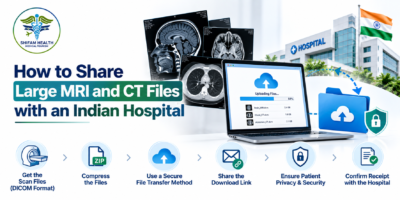
Learn how to send large MRI and CT files to an Indian hospital for specialist review. This guide…
- October 25, 2026
- shifamhealth
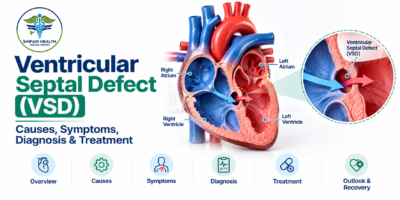
What is a ventricular septal defect? A ventricular septal defect (VSD) is an opening in the wall (septum)…
- October 22, 2026
- shifamhealth
A remote medical second opinion from India allows patients living in the USA, UK and other countries to…
- October 21, 2026
- shifamhealth
When you receive treatment estimates from two hospitals in India, do not compare only the final amounts. To…
- October 22, 2026
- shifamhealth
An itemized hospital quote in India should clearly explain the expected cost of treatment by separating major charges,…