


Home > Blog > Medical Visa for Heart Surgery in India (2026): Ultimate Guide for International Cardiac Patients
Medical Visa for Heart Surgery in India (2026): Ultimate Guide for International Cardiac Patients
Filters & Insights
Written By :
Medically Reviewed By :

Shifam Health Medical Team
Shifam Health - Medical Reviews Department
10+ Years Of Experience
Complete guide for cardiac patients: Indian Medical Visa for CABG, valve surgery, angioplasty, TAVR, congenital heart surgery, attendant visa, extensions, and travel planning.
📅
Last updated: July 21, 2026

How can international patients obtain a Medical Visa for Heart Surgery in India? International patients requiring heart surgery or cardiac treatment in India can apply for an Indian Medical Visa through the Indian Embassy or High Commission in their home country, or via India’s official e-Visa portal for eligible applicants. The application requires a valid passport, recent cardiac diagnostic reports, a detailed hospital invitation letter from a recognised Indian cardiac centre, and a referring cardiologist’s letter. Up to two family members may travel on Medical Attendant Visas. All visa decisions are made solely by Indian government authorities.
Quick Reference: Medical Visa for Heart Surgery Patients
| Item | Details |
|---|---|
| Eligible Patients | International patients diagnosed with cardiac conditions requiring heart surgery or interventional cardiology treatment in India. |
| Eligible Procedures | CABG (heart bypass surgery), coronary angioplasty (PCI), valve repair or replacement, TAVR/TAVI, congenital heart surgery, pediatric cardiac surgery, heart transplantation, pacemaker, ICD and CRT implantation, aortic surgery, and robotic or minimally invasive cardiac surgery. |
| Visa Type | Medical Visa issued through an Indian Embassy/High Commission or an eligible e-Medical Visa obtained via the official online portal. |
| Medical Attendants | Up to two accompanying attendants (such as a spouse, parent, adult child, or close relative) may apply for a Medical Attendant Visa, subject to Government of India regulations. |
| Online Application | Yes. Eligible applicants can apply through the official Indian Visa Online portal (indiavisaonline.gov.in), depending on nationality and visa eligibility. |
| Typical Visa Validity | Determined by the Government of India at the time of visa issuance based on the patient’s treatment plan and nationality. |
| Extension Available | Yes. Medical visas may be extended within India through the FRRO/e-FRRO, if medically justified. |
| Core Documents Required | Valid passport, ECG, echocardiogram, coronary angiography report (if available), cardiac CT/MRI or other imaging, hospital invitation letter, and referral from the treating cardiologist or cardiac surgeon. |
| Critical Notes | Heart transplantation is governed by Indian transplant regulations. Patients taking blood-thinning medications should discuss travel and medication management with their cardiologist before flying. Flying restrictions may apply following major cardiac surgery. |
| Who Approves the Visa? | All Medical Visa and e-Medical Visa applications are reviewed and approved solely by the Government of India. Hospitals, facilitators, and medical tourism agencies cannot issue or approve visas. |
Verify current requirements with the Indian Embassy or High Commission in your country before applying.
Table of Contents
ToggleWhat Is a Medical Visa for Heart Surgery and Who Needs One?
A Medical Visa for heart surgery is an official Indian government visa category issued to international patients who are travelling to India specifically to receive cardiac surgery, interventional cardiology treatment, or specialist cardiac evaluation at a recognised Indian medical institution.
It is not a tourist visa with a medical appointment attached. It requires documented clinical evidence that establishes the medical purpose of travel clearly and credibly.
Who needs this visa:
- Patients who have been diagnosed with a cardiac condition and advised to undergo surgery or a cardiac procedure
- Patients seeking a specialist second opinion on a cardiac diagnosis or proposed treatment plan before deciding where to proceed
- Patients who have had an initial cardiac investigation (angiography, echocardiogram, CT coronary angiogram) in their home country and have been referred to India for definitive treatment
- Family members and caregivers accompanying the patient (on Medical Attendant Visas)
When to apply: The visa application should only begin after you have identified a hospital in India, shared your cardiac reports with their team, received a written medical opinion, and obtained a hospital invitation letter. Applying before this step is in place creates the conditions for a weak, incomplete application.
Which Cardiac Procedures Qualify for an Indian Medical Visa?
Any documented cardiac treatment purpose qualifies. However, different cardiac procedures have meaningfully different documentation requirements, recovery timelines, and visa planning implications. Understanding these differences before you apply protects you from avoidable complications.
Coronary Artery Bypass Grafting (CABG)
CABG — commonly called bypass surgery or heart bypass — involves grafting one or more arteries or veins to bypass blocked coronary arteries. It is typically performed under general anaesthesia with cardiopulmonary bypass, though off-pump techniques are also used.
Visa planning implication: CABG requires pre-operative investigation, the surgery itself, and a post-operative hospital stay typically ranging from 5–10 days, followed by a recovery period in India before the patient is medically cleared for long-haul air travel. Total time in India is typically 3–5 weeks. The hospital invitation letter must cover the full planned stay pre-operative assessment, surgery, and post-operative recovery.
Critical point most articles miss: Patients cannot fly home immediately after CABG. Post-sternotomy patients require a period of recovery before they are cleared for air travel. Your cardiac surgeon will advise on when flying is safe for your specific case. Plan your visa duration and return flight accordingly and be prepared for a visa extension if recovery takes longer than anticipated. See Section 12 on extensions.
Angioplasty (Percutaneous Coronary Intervention — PCI)
Angioplasty is a catheter-based procedure to open blocked or narrowed coronary arteries, typically with stent placement. It is less invasive than CABG and usually requires a shorter hospital stay.
Visa planning implication: PCI is typically a shorter admission — often 2–3 days for uncomplicated cases. The visa duration required is correspondingly shorter. However, patients who have had coronary angiography in their home country and are travelling to India specifically for PCI need to ensure the angiography report and imaging (cine films or digital files) are included in their application documents — the Indian cath lab team needs these to plan the procedure.
A question patients commonly ask: Can I travel after angiography in my home country? Yes — for stable coronary disease patients cleared for elective PCI, travel is generally appropriate. However, this is a clinical question for your cardiologist, not a visa question. Your cardiologist must clear you for international travel before you fly.
Heart Valve Replacement and Repair (Including TAVR / TAVI)
Valve procedures include open-heart surgical repair or replacement of the mitral, aortic, tricuspid, or pulmonary valve, as well as transcatheter approaches — most notably TAVR (Transcatheter Aortic Valve Replacement), also called TAVI.
Visa planning implication: Open valve surgery has a recovery timeline similar to CABG. TAVR/TAVI, being catheter-based, has a shorter hospital stay but still requires post-procedural monitoring and a recovery period before long-haul travel. The hospital invitation letter must specify which procedure is planned — open surgical valve repair, surgical valve replacement, or transcatheter intervention — as the recovery implications differ significantly.
Congenital Heart Surgery and Paediatric Cardiac Surgery
Congenital heart disease — conditions present from birth, such as ventricular septal defects, atrial septal defects, tetralogy of Fallot, and more complex structural abnormalities — affects both children and adults. India’s major cardiac centres have established paediatric cardiac surgery programs.
Visa planning implication: Child patients require Medical Visas in their own names. Both parents can apply as Medical Attendants. The child’s application requires the same standard of documentation as an adult’s — including a hospital invitation letter addressed to the child by name as it appears on their passport, and all diagnostic reports including echocardiography, cardiac CT or MRI, and any previous surgical records.
Paediatric cardiac surgery may involve staged procedures — particularly for complex congenital heart disease where multiple operations over a period of months or years are planned. If staged surgery is the planned approach, discuss the visa and extension implications with the hospital before applying.
Heart Transplant
Heart transplant for foreign nationals in India is subject to India’s Transplantation of Human Organs and Tissues Act. This law contains specific provisions governing transplants for international patients, including requirements around donor eligibility and the legal framework for transplant approval.
Critical note: Unlike CABG or valve replacement, a heart transplant application is not a standard elective procedure for foreign nationals — it involves regulatory requirements beyond the visa process. Your treating hospital in India must confirm legal eligibility and walk you through the transplant approval process specific to your situation before you apply for a visa. Do not assume that a cardiac transplant referral from your home country automatically makes you eligible under Indian law.
Pacemaker, ICD, and CRT Implantation
Device implantation procedures permanent pacemakers, implantable cardioverter-defibrillators (ICDs), and cardiac resynchronisation therapy (CRT) devices — are typically shorter procedures with correspondingly shorter hospital stays.
Visa planning implication: The hospital stay for uncomplicated device implantation is typically 2–3 days. However, patients may need to remain near the hospital for device programming and follow-up checks before travelling home. Discuss the full timeline with the hospital.
Important for device patients: After ICD or pacemaker implantation, there are aviation considerations most airport security systems can interact with cardiac devices. Your cardiologist and the hospital will advise you on how to manage this during travel.
Robotic and Minimally Invasive Cardiac Surgery
Some cardiac centres in India offer robotic-assisted or minimally invasive cardiac surgery for selected patients including minimally invasive valve surgery and robotic CABG in appropriate candidates.
Visa planning implication: Minimally invasive surgery generally has shorter recovery times than conventional open-heart surgery, which affects visa duration planning. Discuss the specific recovery timeline with the hospital.
Required Documents — Cardiac-Specific Guidance
Standard Medical Visa documents — passport, photographs, application form, payment — apply to all applicants. What distinguishes cardiac patient applications is the clinical documentation. Getting this right is the most important thing you can control.
Hospital Invitation Letter: What a Cardiac Patient’s Letter Must Say
A generic letter is one of the most common causes of complications in cardiac visa applications. A complete invitation letter for a heart surgery patient must include:
- Patient’s full name exactly as on their passport
- Specific cardiac diagnosis (e.g., “severe triple-vessel coronary artery disease with LV dysfunction” — not simply “heart disease”)
- The specific procedure recommended (e.g., “off-pump coronary artery bypass grafting” or “transcatheter aortic valve replacement” — not “heart surgery”)
- The name and qualifications of the cardiac surgeon or interventional cardiologist
- Expected pre-operative assessment period, procedure date (or approximate date), and post-operative recovery stay
- The hospital’s official letterhead, stamp, and medical registration details
- Contact details for verification
For staged procedures or patients requiring both pre-operative cardiac rehabilitation and surgery, the letter should address the full planned treatment course.
Cardiac Diagnostic Reports
The specific cardiac documents required depend on the condition and procedure. As a general guide:
| Cardiac Condition | Key Medical Documents to Submit |
|---|---|
| Coronary Artery Disease (CAD) | ECG, 2D Echocardiogram, Coronary Angiography Report with cine films or digital angiography files (CD/USB), Stress Test (TMT) results, and Cardiac CT report (if performed). |
| Heart Valve Disease | ECG, 2D Echocardiogram with Doppler study, Cardiac MRI (where available), previous echocardiography reports, and any prior valve intervention or surgery records. |
| Congenital Heart Disease | ECG, 2D Echocardiogram, Cardiac CT or Cardiac MRI, catheterization reports (if available), and records of any previous cardiac surgeries or interventions. |
| Cardiac Arrhythmia / Pacemaker / ICD / CRT | ECG, Holter Monitor Report, Electrophysiology (EP) Study Report (if performed), and the latest Pacemaker, ICD, or CRT Device Interrogation Report for patients with an implanted device. |
| Heart Failure | ECG, 2D Echocardiogram, BNP or NT-proBNP blood test results, Cardiac MRI (if performed), recent hospitalization records, medication history, and previous cardiology consultation notes. |
| Heart Transplant Evaluation | A comprehensive cardiac evaluation as requested by the transplant center, including imaging, laboratory investigations, pulmonary and renal function assessments, infectious disease screening, blood group, tissue typing (where applicable), and other transplant-specific investigations. |
Common error: Sending only the report text without the actual imaging. For coronary artery disease patients, the Indian cath lab needs the coronary angiography cine films or digital files — not just the written angiography report. For valve patients, the echocardiogram video (digital file) is needed in addition to the report. Ask your home cardiologist for the digital files, not just the paper reports.
Referring Cardiologist’s Letter
A formal clinical letter from your cardiologist or treating physician at home. This must:
- Confirm the diagnosis with clinical detail
- Describe the treatment received to date (medications, previous procedures)
- Explain why treatment in India is being sought
- Be a proper clinical referral letter — not a prescription
Treatment Estimate
A document from the Indian hospital outlining the proposed procedure, estimated cost, and expected duration. Not always formally required by every embassy, but it:
- Significantly strengthens the application
- Demonstrates the hospital has reviewed the case and planned the treatment
- Is essential for the patient’s own financial and logistical planning
Can You Travel? Medical Fitness for Air Travel Before Cardiac Surgery
This is the section most guides don’t write — and it is the most practically important for cardiac patients.
The core question: Is it safe for you to fly to India for treatment?
The answer depends entirely on your individual clinical situation. It is a medical question that only your cardiologist can answer. This article cannot give you clearance to fly. But it can help you understand the clinical territory so you can have an informed conversation with your doctor.
General awareness not medical advice:
- Stable coronary artery disease: Most patients with stable angina or known coronary disease who have not had a recent acute event can fly safely, subject to their cardiologist’s assessment.
- Recent heart attack (myocardial infarction): Flying shortly after an acute MI carries risk. Most aviation medicine guidelines recommend a waiting period before commercial air travel after an MI — the duration depends on the severity of the event and whether complications occurred. Your cardiologist must advise you specifically.
- Uncontrolled heart failure: Active, decompensated heart failure is generally a contraindication to commercial air travel due to reduced cabin oxygen and the risk of fluid shifts. Patients with heart failure should be optimised medically before flying.
- Severe aortic stenosis: Patients with severe symptomatic aortic stenosis have limited physiological reserve. Flying should be discussed carefully with your cardiologist before booking travel.
- Recent coronary angiography (diagnostic only): Most patients who have had diagnostic coronary angiography via the femoral or radial approach can fly within days, subject to no complications. Confirm with your cardiologist.
Medications before travel: If you are on blood thinners anticoagulants (warfarin, rivaroxaban, apixaban, dabigatran) or antiplatelet agents (aspirin, clopidogrel, ticagrelor) do not change, stop, or adjust your medications without explicit instruction from your treating cardiologist. Some medications need to be managed carefully around surgery; this is a clinical decision that requires your specific medication, your cardiac history, and your surgeon’s input.
Step-by-Step Visa Application Process for Cardiac Patients
Step 1: Share Your Cardiac Reports with an Indian Hospital First
Before completing any visa application form, send your cardiac reports ECG, echocardiogram, angiography report and films, stress test, cardiac imaging — to the international patient department of a cardiac hospital in India. Most established cardiac centres review international patient cases and provide a written medical opinion at no charge. This opinion:
- Confirms whether the hospital can treat your specific cardiac condition
- Recommends the appropriate procedure
- Forms the basis for the invitation letter and treatment estimate
- Gives you critical information before you commit to travelling
Do not apply for a visa before completing this step.
Step 2: Receive a Detailed Hospital Invitation Letter
Review the letter against the checklist in Section 3. If the procedure is not specifically named, the estimated stay is not mentioned, or the cardiac surgeon’s name is absent — request a revised letter. Hospitals expect and accommodate these requests.
Step 3: Choose Your Application Route
Indian Embassy / High Commission (recommended for most cardiac patients): For patients requiring CABG, valve surgery, congenital heart surgery, or any procedure with a multi-week stay, the Embassy route produces a more flexible visa with longer validity. This is the preferred route.
e-Medical Visa (online): More appropriate for shorter, more defined procedures — for example, an angioplasty patient with a clear single-admission plan and a short expected stay. Verify eligibility on the official portal before choosing this route.
Step 4: Complete the Application Form With Exact Accuracy
Every detail must match the patient’s passport precisely. Name, date of birth, passport number — any mismatch, however minor, delays the application.
Step 5: Submit All Documents Together
For cardiac patients whose condition is time-sensitive, a partial submission that gets paused for missing documents is not a minor inconvenience — it costs clinical time. Submit everything together, correctly, the first time.
Step 6: Pay the Application Fee
Government-set, non-refundable. Confirm payment and retain the confirmation.
Step 7: Attend an Appointment if Required
Check the Indian Embassy or High Commission in your country for current appointment requirements. These can vary and change.
Step 8: Do Not Book Non-Refundable Travel Until Your Visa Is Issued
No hospital, facilitator, or agent can guarantee when a visa will be issued. Book flexible-fare tickets only. For cardiac patients where treatment timing matters clinically, communicate with the hospital about the planned travel date while the application is pending — but do not commit to non-refundable bookings.
Medical Attendant Visa — Cardiac Patient Families
Most cardiac surgery patients travel with at least one family member — for emotional support, practical assistance, and post-operative caregiving. Up to two family members may accompany a patient on Medical Attendant Visas.
Who qualifies:
- Spouse
- Parent
- Adult child
- A close relative serving as the patient’s primary caregiver
For paediatric patients: Both parents can apply as Medical Attendants.
What each attendant needs:
- Valid passport (six months’ validity beyond planned return)
- Photographs meeting current specifications
- Completed Medical Attendant visa application
- Official relationship proof: marriage certificate (spouse), birth certificate (parent-child), or equivalent authenticated document
- Reference to the patient’s visa application
What attendants cannot do: Receive medical treatment in India on an Attendant Visa. Exceed the two-attendant limit.
The error families make most often: Reviewing the patient’s documents carefully but submitting attendant applications without checking relationship proof documents. Each attendant’s application is assessed independently. A missing marriage certificate will delay or reject the spouse’s visa even if the patient’s visa is approved without issue. For a post-operative cardiac patient who needs a caregiver, this is a serious problem. Review every attendant’s documents with the same care as the patient’s.
Medical Visa Processing Time for Cardiac Patients
No honest source can give you a guaranteed number of processing days. That decision rests with Indian government authorities and varies by application, embassy, and circumstances.
Factors that affect processing:
- Document completeness — the most controllable factor. Complete applications with specific cardiac documentation and a detailed invitation letter move more smoothly than incomplete or ambiguous ones.
- Embassy or High Commission workload — varies by country and season. High-volume embassies in Bangladesh, Nigeria, and parts of the Middle East may have longer processing queues.
- Case type — a heart transplant application requires more verification than an angioplasty application.
- Document verification — the Embassy may contact the Indian hospital to verify the invitation letter.
- Public holidays — in both the patient’s home country and India.
Practical guidance:
- For planned, elective surgery (stable CAD, valve disease, congenital conditions): Apply a minimum of 4–6 weeks before the planned travel date. Surgery dates are booked in advance; apply early enough that the visa does not become the bottleneck.
- For patients where clinical urgency exists: See Section 8 on emergency applications, and communicate with both your local Embassy and the Indian hospital simultaneously.
Never book non-refundable flights until your visa is issued.
Emergency Medical Visa for Acute Cardiac Conditions
Some cardiac situations require treatment urgency that excludes normal planning timelines. A patient who has had an acute MI with critical findings on angiography, who has been told they need urgent CABG, cannot wait 4–6 weeks for a standard application to process.
What makes an emergency cardiac application:
The hospital urgency letter. Not a standard invitation letter — a specific clinical document explaining the nature of the emergency, why delay carries a defined medical risk, and what intervention is required. Signed by the cardiac surgeon or interventional cardiologist, and where possible countersigned by the hospital’s medical director.
Complete documentation submitted simultaneously. Emergency processing does not waive documentation requirements. An incomplete emergency application is reviewed the same way as any incomplete application. Every required document must be ready when you submit.
Direct contact with the Indian Embassy or High Commission. In genuine cardiac emergencies, the patient’s family should contact the Embassy by phone and, where possible, in person — with all documentation in hand — to explain the situation and request expedited consideration. This is correct practice, not an alternative to complete documentation.
Scenarios that constitute cardiac emergencies for visa purposes:
- Recent MI with critical coronary anatomy on angiography requiring urgent CABG
- Acute deterioration in a patient with known valvular disease requiring emergency surgery
- Acute decompensation in a patient with congenital heart disease
- Life-threatening arrhythmia requiring device implantation or ablation urgently
Emergency processing is subject solely to Indian government authority. No third party can guarantee expedited approval.
Medical Visa Extension After Heart Surgery
Recovery from heart surgery frequently extends beyond original estimates and even when it doesn’t, the restriction on flying post-operatively means the patient’s stay in India is longer than the surgical admission itself.
Why cardiac patients commonly need extensions:
- Post-CABG flying restriction: After bypass surgery, patients typically cannot fly for a period determined by their surgeon — often several weeks. This has a direct visa implication: if the patient’s visa expires before they are medically cleared to fly, an extension is required.
- Post-valve surgery monitoring: Patients with new mechanical valves require anticoagulation initiation and monitoring before discharge, which can extend the hospital stay.
- Post-operative complications: Wound infection, pleural effusion, arrhythmia, or other post-operative issues can extend the hospital stay significantly.
- Cardiac rehabilitation: Some patients begin an inpatient or outpatient cardiac rehabilitation program in India before returning home.
How to extend: Extensions are processed through the Foreigners Regional Registration Office (FRRO) via the e-FRRO portal at frro.gov.in, before the current visa expires.
What you need:
- A letter from the cardiac surgeon confirming that continued stay is medically required, specifying the reason and additional duration
- Your passport and current visa
- e-FRRO application
Start the extension process before your visa expires — not on the day it expires. Your hospital’s international patient coordinator can prepare the surgeon’s letter and advise on the e-FRRO process.
Planning Your Medical Journey to India for Heart Surgery
What to Confirm with the Hospital Before Applying for Your Visa
- The complete planned treatment sequence — pre-operative assessment, procedure, and expected post-operative stay
- The specific cardiac surgeon or interventional cardiologist who will treat you
- Whether any additional pre-operative investigations are required in India before the surgery is confirmed
- Whether Russian, Arabic, or other language support is available at the hospital
- The hospital’s policy on family accommodation
Preparing Your Cardiac Records
Bring comprehensive, organised records:
- All ECGs (resting, exercise stress test, Holter)
- Echocardiogram reports AND digital video files (not just paper reports)
- Coronary angiography report AND cine films or digital angiography files
- Cardiac CT or cardiac MRI reports with digital imaging
- Blood results including lipid panel, HbA1c, renal function, full blood count
- Previous cardiac procedure records (any prior PCI, cardiac surgery, device implantation)
- Current medication list with generic drug names and doses
- Allergy documentation
Organise these chronologically. The cardiac team needs to understand the full history in sequence.
Pre-Operative Investigations You May Need in India
Even with comprehensive documentation from home, your Indian cardiac surgical team will typically repeat certain investigations before surgery — including a fresh ECG, echocardiogram, blood tests, and a pre-anaesthetic assessment. These are standard clinical practice before any cardiac surgery, not a reflection of doubt about your home country’s investigations. Factor this into your pre-operative timeline.
Accommodation for Cardiac Surgery Stays
Cardiac surgery patients and their families typically spend 3–6 weeks in India, including pre-operative assessment, surgery, post-operative hospital stay, and a recovery period before flying. For this duration, serviced apartments near the hospital are more practical and more affordable than hotel rooms. Ask the hospital’s international patient department for current accommodation recommendations near the facility.
Language and Interpretation Support
All medical consultations, surgical consents, operation notes, and discharge summaries at India’s major cardiac hospitals are in English. For families where English is limited, confirm with the hospital what interpreter support is available in your specific language before travelling. Complex cardiac discussions — surgical consent, peri-operative risk explanation, post-operative instructions — require accurate interpretation. Do not rely on informal interpretation by a family member who “knows some English.”
Arrival and Hospital Admission
Most cardiac hospitals with international patient programs offer airport pickup. Arrange this before travelling — cardiac patients should not navigate a large Indian city independently after a long international flight.
On arrival at the hospital:
- Bring all original cardiac documents and imaging files
- Register with the international patient services department
- An initial cardiology consultation will review your complete history, assess any new investigations needed, and confirm the treatment plan — which may be adjusted based on the clinical assessment
- The cardiac surgery scheduling team will confirm the procedure date
Recovery After Heart Surgery — Visa, Travel, and Return Home
What to Expect in the Hospital Post-Operatively
Post-CABG or valve surgery patients typically spend 2–5 days in the Cardiac ICU before transfer to a step-down ward. Total hospital stay is typically 7–14 days for uncomplicated open-heart surgery. Device implantation and TAVR procedures generally have shorter hospital admissions.
Your cardiac surgery team will discharge you when clinically appropriate — not according to a fixed schedule. Pressure to leave the hospital before the clinical team recommends it, for any reason including visa expiry, is not in your interest. Manage visa timing through extension, not early discharge.
Recovery in India Before Flying Home
After discharge, most cardiac surgery patients remain in India in nearby accommodation for a period of recovery before they are medically cleared for long-haul air travel. The length of this period is determined by your cardiac surgeon based on your specific procedure, your recovery trajectory, and the flight duration home.
General awareness — not medical advice: Open-heart surgery patients including CABG and valve surgery are typically advised to wait several weeks post-operatively before undertaking long-haul flights. The specific timing is your surgeon’s decision, not a general rule. If your planned return flight is before your surgeon clears you, a visa extension is the correct solution — not flying early.
Warning Signs After Cardiac Surgery
Before you leave India and before you return home your cardiac team will advise you on warning signs requiring urgent medical attention. These typically include: new chest pain, increasing breathlessness, wound changes, fever, leg swelling, palpitations, or any new symptoms. Ensure you have a clear written plan from the hospital on what to do in these situations, both while in India and after you return home.
Follow-Up Care and Treatment Continuity
Before discharge, the Indian hospital should provide:
- A detailed discharge summary with the operative report
- Your post-operative medication list with generic drug names and doses
- An echocardiogram report (typically performed before discharge after valve surgery)
- A list of follow-up investigations and appointments required
- Contact details for the cardiac team for any post-discharge queries
Share these documents with your cardiologist at home before your first follow-up appointment. The continuation of cardiac care — particularly anticoagulation management after valve surgery, statin therapy, beta-blockers, and cardiac rehabilitation — must be coordinated between the Indian team and your home cardiologist. Shifam Health can support this handover communication.
Cardiac Rehabilitation
Many patients benefit from formal cardiac rehabilitation after surgery — a supervised exercise and education program designed to support recovery, improve cardiovascular fitness, and reduce the risk of future events. Discuss whether cardiac rehabilitation is available at the Indian hospital or whether it should be arranged at home, and plan accordingly
Common Mistakes Cardiac Patients Make
Documentation errors:
- ✘ Hospital invitation letter that names the condition generally (“coronary artery disease”) without specifying the procedure (“off-pump CABG” or “PCI to LAD with stenting”), the surgeon, and the estimated stay
- ✘ Submitting echocardiogram reports without the digital video file — the cardiac team needs to assess valvular and ventricular function directly
- ✘ Submitting coronary angiography reports without the cine films or digital angiography files — the surgical team needs to review the anatomy
- ✘ Not translating reports in Arabic, Russian, Uzbek, or other languages into certified English before submission
- ✘ Medical reports more than 3 months old without explanation
Application errors:
- ✘ Name, date of birth, or passport number mismatch between the application form and passport
- ✘ Selecting the wrong visa category (Tourist instead of Medical)
- ✘ Incomplete application form
- ✘ Missing attendant relationship documentation
Planning errors:
- ✘ Booking non-refundable flights before visa confirmation
- ✘ Not planning for the post-operative recovery period before return travel — cardiac surgery patients cannot fly home immediately after surgery
- ✘ Not discussing blood thinner management with your cardiologist before travel
- ✘ Not having a clear plan for what to do if the visa takes longer than expected and surgery scheduling is affected
How Shifam Health Supports International Cardiac Patients
Being told you need heart surgery is frightening. Adding the complexity of international travel, a foreign healthcare system, visa documentation, and family logistics while worried about your heart can feel overwhelming.
Shifam Health supports international cardiac patients through every stage of this process. Here is what that honestly means.
Hospital and surgeon matching. Cardiac surgery has subspecialties some cardiac surgeons specialize in complex redo surgery, others in minimally invasive or robotic approaches, others in congenital conditions. We identify hospitals and cardiac surgeons from our verified partner network whose specific expertise matches the patient’s diagnosis and procedure, rather than offering generic hospital recommendations.
Remote cardiac opinion, before you travel. We can arrange a written opinion from a senior cardiologist or cardiac surgeon in India based on your existing reports and imaging, before you commit to travelling. This confirms the hospital can treat your specific condition, clarifies the surgical approach, and provides a cost estimate. It also produces the documentation that supports your visa application.
Documentation review. We help identify gaps in your cardiac documentation before you submit your visa application, and we work with the hospital to ensure the invitation letter covers the full treatment plan with clinical specificity.
Treatment and surgical scheduling. We coordinate the pre-operative assessment, surgical scheduling, and post-operative follow-up timeline with the hospital so you arrive with a confirmed, clear plan.
Travel and accommodation guidance. We advise on practical logistics accommodation near the hospital for the full stay duration, airport coordination, and what to expect on arrival.
Visa extension support. If your recovery extends, we coordinate with the hospital to obtain the cardiac surgeon’s letter required for the e-FRRO extension process.
Post-operative continuity. We support communication between the Indian cardiac team and your cardiologist at home sharing discharge summaries, operative reports, and follow-up recommendations to ensure your cardiac care continues without gaps.
Frequently Asked Questions
Can I travel to India for angioplasty on a Medical Visa?
Yes. Percutaneous coronary intervention (PCI / angioplasty with stenting) is a valid treatment purpose. Bring your coronary angiography films or digital files — the Indian cath lab needs these for procedure planning.
Can I come to India for heart valve replacement?
Yes. Surgical valve replacement (aortic, mitral, tricuspid), valve repair, and transcatheter valve procedures including TAVR/TAVI are all eligible treatment purposes.
Can I apply for a Medical Visa for a heart transplant?
Yes, but heart transplant for foreign nationals is subject to India’s transplant law requirements. Your treating hospital must confirm legal eligibility and the regulatory process applicable to your situation before you apply for a visa.
Can my spouse accompany me to India for heart surgery?
Yes. A spouse qualifies as a Medical Attendant. A valid marriage certificate is required as relationship proof.
Can both parents accompany a child with congenital heart disease?
Yes. Up to two attendants are permitted per patient. Both parents can apply as Medical Attendants for a child patient.
Can I fly immediately after heart surgery?
No — not in most cases. Flying after open-heart surgery (CABG, valve replacement) requires a recovery period before the patient is medically cleared for air travel. Your cardiac surgeon determines when it is safe for you specifically. Plan visa duration and return flights accordingly, and be prepared to extend your visa if needed.
Can I travel to India if I had a heart attack recently?
This is a clinical question for your cardiologist — not a visa question. Flying after a recent MI carries risks that depend on the severity of the event, current cardiac function, and whether you have had revascularization. Your cardiologist must clear you for travel before you book flights.
People Ask Further
Can I extend my Medical Visa if recovery takes longer than expected?
Yes. Extensions are processed through the FRRO in India before your current visa expires. Your cardiac surgeon provides a supporting letter confirming the continued medical need.
What documents does my cardiologist at home need to provide?
A formal clinical referral letter not a prescription confirming the diagnosis, describing the treatment received to date, and explaining why treatment in India is being sought.
Do I need to bring digital imaging files, or just the printed reports?
For coronary artery disease: bring the coronary angiography cine films or digital files, not just the paper report. For valve disease: bring the echocardiogram digital video file in addition to the report. Text reports alone are insufficient for surgical planning.
Can I apply for a Medical Visa for a pacemaker or ICD implantation?
Yes. Device implantation pacemaker, ICD, CRT — is a valid medical purpose for a Medical Visa.
What if my surgery date is postponed after I arrive in India?
Surgical schedules can change based on clinical or logistical factors. If your stay needs to extend beyond your visa validity, apply for an extension through the FRRO before your visa expires.
Can I apply for the e-Medical Visa online for heart surgery?
For most cardiac surgery patients — CABG, valve surgery, congenital heart surgery — the Embassy-issued Medical Visa is more appropriate due to the extended stay required. The e-Medical Visa may be appropriate for shorter procedures (angioplasty). Verify eligibility on the official portal.
Related Guides from Shifam Health
- Indian Medical Visa Guide
- How to Apply for an Indian Medical Visa Online
- Indian Medical Visa Rejection Guide 2026 — Reasons, Solutions & Prevention
- Medical Visa Extension India: FRRO Process Explained
- Medical Visa for Cancer Treatment in India
- Heart Surgery Cost in India — International Patient Guide
- CABG (Bypass Surgery) Cost in India
- Angioplasty Cost in India
- Heart Valve Replacement Cost in India
- TAVR / TAVI Cost in India
- Heart Transplant in India — Legal Requirements for International Patients
- Pediatric Heart Surgery in India — International Patient Guide
- Best Cardiac Hospitals in India for International Patients
- Medical Tourism in India — Why International Patients Choose India
If you or a family member has been diagnosed with a cardiac condition and is considering treatment in India, contact the Shifam Health international patient team. We can coordinate a remote cardiology opinion based on your existing reports, help you understand your surgical options, and support your documentation preparation — at no charge for the initial consultation.
© Shifam Health. All rights reserved.



Popular Posts From Last Week
- October 23, 2026
- shifamhealth
A fluttering chest, a sudden racing heartbeat or a skipped beat can be frightening, and it is hard…
- October 25, 2026
- shifamhealth
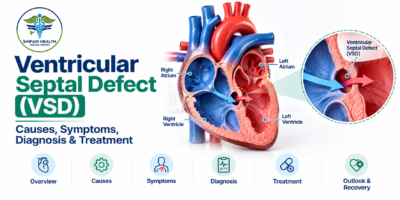
What is a ventricular septal defect? A ventricular septal defect (VSD) is an opening in the wall (septum)…
- October 22, 2026
- shifamhealth
A remote medical second opinion from India allows patients living in the USA, UK and other countries to…
- October 21, 2026
- shifamhealth
When you receive treatment estimates from two hospitals in India, do not compare only the final amounts. To…
- October 22, 2026
- shifamhealth
An itemized hospital quote in India should clearly explain the expected cost of treatment by separating major charges,…