




10 Essential Tips to Optimize Recovery After Knee Replacement Surgery
Filters & Insights
10 essential tips to optimize recovery after knee replacement surgery. Learn about pain management, physical therapy, home preparation,

Knee replacement surgery marks a significant step toward reclaiming your mobility and quality of life. However, the success of your procedure doesn’t end in the operating room, it continues through your recovery journey. Proper postoperative care and rehabilitation are crucial for achieving optimal outcomes, restoring function, and returning to the activities you love.
This comprehensive guide provides ten essential tips to optimize your recovery after knee replacement surgery. From immediate postoperative care to long-term rehabilitation strategies, these evidence-based recommendations will help you navigate your recovery with confidence and achieve the best possible results.
Table of Contents
Toggle10 Essesntial Tips
1.Master Pain Management Strategies
Understanding Postoperative Pain
Effective pain management is the foundation of successful recovery. Proper pain control enables you to participate actively in physical therapy, promotes better sleep, and reduces stress on your body’s healing systems.
Practical Pain Management Tips:
- Take prescribed medications on schedule, not just when pain becomes severe
- Use ice therapy consistently 20 minutes on, 20 minutes off
- Elevate your operated leg above heart level to reduce swelling
- Practice relaxation techniques like deep breathing and meditation
- Communicate openly with your healthcare team about pain levels
Medication Management:
- Keep a medication log to track timing and effectiveness
- Never skip doses during the first critical weeks
- Understand potential side effects and report concerns immediately
- Follow your doctor’s tapering schedule when reducing medications
Also Read: Top 10 Cheapest Countries for Knee Replacement (2026 Cost Comparison Guide)
2.Commit to Your Physical Therapy Program
The Cornerstone of Recovery
Physical therapy is non-negotiable for successful knee replacement recovery. Your commitment to prescribed exercises directly impacts your range of motion, strength, and long-term function.
Essential Physical Therapy Principles:
- Attend all scheduled therapy sessions without exception
- Perform home exercises exactly as prescribed frequency matters more than intensity
- Focus on proper form rather than quantity of repetitions
- Communicate discomfort to your therapist, they can modify exercises accordingly
- Gradually increase activity under professional guidance
Key Exercises to Master:
- Ankle pumps to promote circulation
- Quadriceps and gluteal sets for muscle activation
- Heel slides to improve flexion
- Straight leg raises to build strength
- Gentle stretching to maintain flexibility
3.Optimize Your Home Environment
Creating a Safe Recovery Space
Preparing your home before surgery prevents accidents and facilitates smoother recovery. A well-organized environment reduces frustration and conserves your energy for healing.
Home Preparation Checklist:
- Remove tripping hazards like throw rugs and electrical cords
- Create a main-level living space to avoid stairs initially
- Install safety features: grab bars, raised toilet seat, shower chair
- Arrange furniture to create clear walking paths
- Set up a “recovery station” with essentials within easy reach
Essential Recovery Supplies:
- Ice packs or cold therapy system
- Pillows for elevation
- Reaching tool to avoid bending
- Long-handled shoe horn and dressing aids
- Water bottles and healthy snacks nearby
4.Implement Strategic Nutrition and Hydration
Fueling Your Recovery
Your body requires additional nutrients to heal from major surgery. Proper nutrition supports tissue repair, reduces inflammation, and provides energy for rehabilitation.
Recovery-Focused Nutrition:
- Increase protein intake to support tissue repair (lean meats, fish, eggs, legumes)
- Incorporate vitamin C-rich foods for collagen formation (citrus, bell peppers, broccoli)
- Include zinc sources for immune function (nuts, seeds, whole grains)
- Maintain calcium and vitamin D for bone health (dairy, leafy greens, fortified foods)
- Stay hydrated with water, herbal teas, and broth-based soups
Practical Eating Strategies:
- Prepare and freeze meals before surgery
- Use a small cooler or mini-fridge in your recovery area
- Focus on anti-inflammatory foods to reduce swelling
- Avoid excessive salt, which can increase edema
- Consider protein supplements if appetite is poor
5.Master Swelling Management Techniques
Controlling Postoperative Edema
Swelling is normal after knee replacement but proper management accelerates recovery and improves comfort. Consistent edema control enhances mobility and reduces pain.
Effective Swelling Reduction Strategies:
- Elevate your leg properly, the operative knee should be above heart level
- Use compression stockings as directed by your surgeon
- Apply ice packs consistently throughout the day
- Perform ankle pumps regularly to promote circulation
- Avoid prolonged standing or sitting with legs down
When to Seek Help:
- Contact your surgeon if swelling increases suddenly
- Report any redness, warmth, or calf tenderness immediately
- Monitor for signs of infection or blood clots
- Follow up promptly with any concerning symptoms
Related Read: Bilateral Knee Replacement Treatment in India for International Patients : Procedure, Cost, Recovery & Best Hospitals
6.Prioritize Wound Care and Infection Prevention
Protecting Your Surgical Site
Proper incision care prevents complications and promotes optimal healing. Meticulous attention to your surgical wound reduces infection risk and improves cosmetic outcomes.
Incision Care Best Practices:
- Keep the dressing clean and dry until your surgeon removes it
- Wash hands thoroughly before touching near the incision site
- Report any signs of infection immediately: redness, drainage, fever
- Avoid soaking the wound until completely healed
- Protect the area from sun exposure once healed
Infection Prevention Strategies:
- Take prescribed antibiotics exactly as directed
- Maintain good personal hygiene
- Avoid crowds and sick individuals initially
- Clean frequently touched surfaces in your home
- Follow your surgeon’s specific bathing instructions
7.Implement Safe Mobility and Ambulation
Gradual Return to Activity
Learning to move safely with your new knee prevents injury and builds confidence. Proper walking technique and assistive device use are crucial during early recovery.
Safe Mobility Guidelines:
- Use walker or crutches as recommended by your therapist
- Maintain good posture while walking avoid leaning forward
- Take small, deliberate steps initially
- Wear supportive, non-slip footwear indoors and outdoors
- Rise slowly from sitting to prevent dizziness
Progressive Activity Advancement:
- Follow your physical therapist’s specific activity progression
- Increase walking distance gradually under guidance
- Avoid pivoting or twisting on your operated leg
- Use handrails on stairs until cleared by your therapist
- Listen to your body, pain is a signal to rest
8.Address Sleep Challenges Effectively
Optimizing Rest for Healing
Quality sleep is essential for recovery, yet it can be challenging after knee replacement. Implementing sleep strategies improves rest and supports the healing process.
Sleep Optimization Strategies:
- Find a comfortable position usually on your back with pillow support
- Take pain medication before bedtime as prescribed
- Establish a relaxing pre-sleep routine
- Keep your bedroom cool, dark, and quiet
- Use pillows for strategic positioning and support
Managing Sleep Disruptions:
- Time your fluid intake to minimize nighttime bathroom trips
- Use ice therapy before bed to reduce pain and swelling
- Practice relaxation techniques if anxiety affects sleep
- Nap during the day if nighttime sleep is insufficient
- Discuss sleep aids with your doctor if problems persist
9.Cultivate Patience and Realistic Expectations
The Psychological Aspect of Recovery
Recovery from knee replacement is a marathon, not a sprint. Managing expectations and maintaining positive mindset are crucial for navigating the ups and downs of rehabilitation.
Developing Recovery Resilience:
- Understand that progress isn’t always linear, plateaus are normal
- Celebrate small milestones and improvements
- Focus on what you can do rather than limitations
- Connect with others who have undergone similar procedures
- Practice gratitude for gradual improvements
Realistic Timeline Understanding:
- Most patients use walking aids for 2-6 weeks
- Driving typically resumes between 4-8 weeks
- Return to work varies from 6 weeks to 3 months
- Full recovery takes 6-12 months for most activities
- Some residual swelling may persist for several months
Related Read: Knee Replacement Surgery Cost in India: Complete Guide
10.Plan for Long-Term Success
Beyond Initial Recovery
Successful knee replacement recovery extends far beyond the first few months. Implementing long-term strategies ensures lasting benefits from your procedure.
Lifestyle Modifications for Joint Health:
- Maintain healthy body weight to reduce stress on your new knee
- Continue strength and flexibility exercises as part of your routine
- Choose joint-friendly activities: swimming, cycling, walking
- Avoid high-impact activities unless cleared by your surgeon
- Wear appropriate footwear for different activities
Ongoing Joint Care:
- Attend all scheduled follow-up appointments
- Monitor for any changes in knee function or comfort
- Maintain open communication with your orthopedic team
- Understand potential long-term considerations
- Know when to seek evaluation for concerns
Creating Your Personalized Recovery Plan
Integrating Tips into Daily Routine
Successfully implementing these tips requires organization and commitment. Consider these strategies for optimal recovery management:
Recovery Tracking:
- Keep a simple journal to monitor progress
- Record medication schedules, exercises, and milestones
- Note questions for your healthcare team
- Track pain levels and triggers
Support System Engagement:
- Identify primary and backup caregivers
- Communicate specific needs clearly to helpers
- Join a support group for knee replacement patients
- Involve family members in your recovery journey
Conclusion
Successful recovery from knee replacement surgery requires a comprehensive approach that addresses physical, emotional, and practical aspects of healing. By implementing these ten essential tips, you’re not just recovering from surgery but you’re building a foundation for long-term joint health and improved quality of life.
Remember that recovery is a personal journey with individual variations. While these guidelines provide a framework for success, your specific recovery plan should be developed in collaboration with your healthcare team. Their expertise, combined with your commitment to these strategies, creates the optimal environment for healing.
Be patient with your progress, celebrate each milestone, and maintain perspective during challenging moments. The temporary discomfort and limitations of recovery pave the way for years of improved mobility and pain-free living. Your dedication to proper recovery practices today ensures the best possible outcomes from your knee replacement for years to come.
Frequently Asked Questions(FAQs)
How long does significant swelling typically last after knee replacement?
Most patients experience noticeable swelling for 3-6 months, though some mild swelling may persist for up to a year. Consistent elevation and ice application help manage this.
When can I stop using walking aids after surgery?
Most patients transition from walker to cane around 2-4 weeks and discontinue all aids between 4-8 weeks, depending on individual progress and surgeon recommendations.
What are the most common mistakes during knee replacement recovery?
Common mistakes include skipping physical therapy, overdoing activity too soon, neglecting nutrition, poor pain management, and comparing recovery to others’ experiences.
How soon can I return to work after knee replacement?
Sedentary jobs: 4-6 weeks; jobs requiring standing: 6-12 weeks; physically demanding jobs: 3-6 months. Individual recovery varies significantly
What activities should I avoid permanently after knee replacement?
Most surgeons recommend avoiding high-impact activities like running, jumping, and contact sports. Low-impact activities are generally encouraged for maintaining joint health.
| Take the First Step It costs Nothing Share your medical reports with Shifam Health and receive a free, personalized assessment within 24 hours. No commitment. No pressure. Just honest information to help you make the right decision for you and your family. www.shifamhealth.com | contact@shifamhealth.com | WhatsApp: +91 81785 95807 24/7 Support Available | Free Consultation | No Hidden Charges |



Popular Posts From Last Week
- September 18, 2026
- shifamhealth
Written by: Shifam Health Editorial Team — Orthopedic Content Division Medically reviewed by: Shifam Health Clinical Advisory Panel…
- September 16, 2026
- shifamhealth
Ankle valgus deformity is an abnormal alignment in which the ankle tilts toward the outside of the body,…
- September 20, 2026
- shifamhealth
Medically reviewed content · Published 2026 · Last reviewed September 2026 A limb deformity in a child is…
- September 15, 2026
- shifamhealth
Medically reviewed content · Published 2026 · Last reviewed September 2026 Bow legs medically called genu varum —…
- September 15, 2026
- shifamhealth
Medically reviewed content · Published 2026 · Last reviewed August 2026 A burst fracture is a spinal vertebra…
- September 14, 2026
- shifamhealth
Scoliosis is a three-dimensional spinal deformity — sideways curvature combined with rotation — and it is genuinely not…
- September 16, 2026
- shifamhealth
Epithelial ovarian cancer is the most common broad category of ovarian cancer, arising from the cells covering the…
- September 17, 2026
- shifamhealth
Hepatoblastoma is a rare malignant liver tumor that develops primarily in young children, most commonly before age 5….
- September 19, 2026
- shifamhealth
Finding a purple or reddish patch on your skin that won’t fade, or hearing “Kaposi sarcoma” mentioned during…
- September 18, 2026
- shifamhealth
Kyphosis means forward curvature of the spine — and some kyphosis is completely normal anatomy in the mid-back…
- September 19, 2026
- shifamhealth
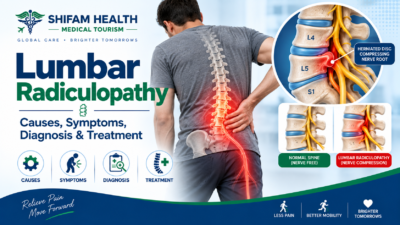
Lumbar radiculopathy is a neurological syndrome caused by irritation, inflammation, or compression of a nerve root in the…
- September 20, 2026
- shifamhealth
Still having pain after spine surgery — whether it never fully went away, or came back after a…