


Home > Blog > Medical Visa from Tajikistan to India (2026): Eligibility, Documents, Application Process & Processing Time
Medical Visa from Tajikistan to India (2026): Eligibility, Documents, Application Process & Processing Time
Filters & Insights
Written By :
Medically Reviewed By :

Shifam Health Medical Team
Shifam Health - Medical Reviews Department
10+ Years Of Experience
Complete guide for Tajikistan patients: Indian Medical Visa requirements, documents, step-by-step application, processing time.
📅
Last updated: July 2, 2026

How can patients from Tajikistan get a Medical Visa for India? Citizens of Tajikistan can apply for an Indian Medical Visa through the Indian Embassy in Dushanbe or via India’s official e-Visa portal for eligible applicants. The application requires a valid passport, a formal hospital invitation letter from a recognised Indian medical institution, recent medical reports, and a doctor’s referral from Tajikistan. Up to two family members may accompany the patient on Medical Attendant Visas. Visa decisions are made solely by Indian authorities.
Table of Contents
ToggleQuick Reference: Indian Medical Visa for Tajikistan Patients
| Item | Details |
|---|---|
| Who Can Apply | Citizens of Tajikistan travelling to India for medical treatment. |
| Visa Types | Medical Visa (Embassy) or e-Medical Visa (online). |
| Attendant Visa | Up to two attendants (close family members). |
| Visa Validity | As determined by the Government of India. |
| Extension | Available through FRRO / e-FRRO in India. |
| Required Documents | Passport, hospital invitation, medical reports, and doctor’s referral. |
| Application Channel | Indian Embassy in Dushanbe or the official e-Visa portal. |
| Visa Authority | Issued solely by the Government of India. |
Requirements and procedures are set by the Indian government and may change. Always verify current information with the Indian Embassy in Dushanbe or the official Indian visa portal before applying.
Why Patients from Tajikistan Choose India for Medical Treatment
Tajik patients who travel to India for medical care typically do so for practical, well-documented reasons — not because of marketing.
Access to specialist care. India’s major tertiary hospitals — concentrated in Delhi, Mumbai, Chennai, and Hyderabad — offer specialist capacity in oncology, cardiac surgery, neurosurgery, spine surgery, organ transplantation, and paediatric medicine. For patients with complex or rare diagnoses, India’s multidisciplinary team (MDT) model — where oncologists, surgeons, radiologists, and pathologists collectively review a case — represents a level of coordinated care that is not always available locally.
Technology and infrastructure. India’s leading hospitals are equipped with advanced diagnostic and treatment technology including PET-CT scanners, robotic surgery systems, linear accelerators for radiotherapy, and advanced cardiac catheterisation labs. For patients who have been told that specific treatment is not available in Tajikistan, India is one of the nearest destinations where it is accessible.
Waiting times. For certain procedures including cardiac surgery, complex orthopaedic procedures, and some cancer treatments, Indian hospitals can often schedule international patients more rapidly than equivalents in some European destinations — an important factor when treatment is time-sensitive.
Language and cultural accessibility. Tajik is closely related to Persian (Farsi), and Russian is widely spoken as a second language in Tajikistan. Many major Indian hospitals with international patient programs have Persian-speaking or Russian-speaking coordinators and interpreters — a meaningful practical advantage for Tajik patients compared with destinations where neither language is supported.
Geographical proximity. Compared with travelling to Europe or North America, India is geographically closer for Central Asian patients, with shorter flight times and less physical stress — a relevant consideration for patients who are unwell or travelling with family.
This guide is informational. The decision to travel abroad for medical treatment is personal and should be made with your doctor’s involvement.
Who Can Apply for an Indian Medical Visa from Tajikistan?
An Indian Medical Visa is available to Tajikistan citizens who are travelling to India specifically to receive medical treatment or diagnostic evaluation at a recognised Indian hospital or medical institution.
Eligibility is not restricted to specific conditions. Any genuine, documented medical purpose qualifies. The most common treatment reasons among Central Asian patients include:
- Cancer — diagnosis, staging, chemotherapy, radiotherapy, targeted therapy, immunotherapy, surgical oncology
- Cardiac conditions — bypass surgery, valve replacement and repair, interventional cardiology, congenital heart defects
- Neurosurgery — brain tumours, spinal cord conditions, epilepsy surgery, movement disorders
- Spine disorders — disc herniation, spinal deformity, revision spine surgery
- Orthopaedic surgery — joint replacement, complex trauma, revision arthroplasty, limb reconstruction
- Organ transplantation — liver, kidney, bone marrow (subject to India’s transplant regulations for foreign nationals — see note below)
- Kidney disease — dialysis-related complications, kidney transplant evaluation
- Eye surgery — corneal transplant, retinal conditions, complex glaucoma management
- IVF and fertility care — in-vitro fertilisation, fertility evaluation and treatment
- Paediatric treatment — congenital conditions, paediatric oncology, complex paediatric surgery
- Rare diseases and advanced diagnostics — for patients seeking a diagnosis or second opinion on a complex or unresolved condition
Important note on organ transplantation: India’s transplant laws have specific regulations for foreign nationals, particularly regarding the legal eligibility of organ donors. If you are planning a transplant, confirm with your treating hospital in India that your specific situation is legally eligible before applying for a visa.
Types of Indian Medical Visa — Which One Applies to You?
| Visa Type | How to Apply | Best For | Validity | Extendable? |
|---|---|---|---|---|
| Medical Visa | Indian Embassy in Dushanbe | Long-term or complex treatment. | As issued | Yes (FRRO) |
| e-Medical Visa | Official e-Visa portal | Short-term, planned treatment. | Shorter | Limited |
| Medical Attendant Visa | Embassy or e-Visa portal | Spouse, parent, or close relative. | Matches patient’s visa | Yes |
Medical Visa (Embassy route): Applied for in person at the Indian Embassy in Dushanbe. This is the recommended route for patients with complex treatment plans, longer expected stays, or those requiring multiple entries. The Embassy application allows for a more thorough review of documents and typically results in a more flexible visa.
e-Medical Visa: Applied for online through India’s official portal. Appropriate for patients whose treatment is straightforward, shorter in duration, and whose documentation is complete. Not every treatment type or patient circumstance is eligible — verify on the official portal. Processing is online but the visa is still issued by Indian government authorities.
Medical Attendant Visa: Applied for by accompanying family members. Attendants cannot receive treatment on this visa. Each attendant’s application is reviewed independently.
Documents Required — A Complete Checklist
Documentation quality is the single most controllable factor in a Medical Visa application. Most delays and rejections are caused by documentation gaps, not the patient’s medical condition or eligibility.
Passport
- Valid for at least six months beyond your planned return date
- All pages undamaged and legible
- If recently renewed, carry your old passport as well — it provides travel history and context
Photographs
- Recent (within the last six months)
- White background, full face visible, no headwear (religious exceptions may apply)
- Exact dimensions as specified by the Indian Embassy or e-Visa portal — check current requirements
Hospital Invitation Letter (from India)
This is the most important document in your application. A vague or incomplete letter is one of the leading causes of rejection.
A complete invitation letter must include:
- Your full name as it appears on your passport
- Your specific diagnosis or medical condition
- The recommended treatment or procedure
- The treating physician’s full name, qualifications, and signature
- The hospital’s official letterhead and stamp
- Estimated treatment duration and approximate dates
- Hospital’s contact details for verification purposes
Medical Reports and Diagnostic Records
- All relevant diagnostic reports — lab results, biopsy reports, imaging reports, hospital summaries
- Ideally within the last three months (older reports should be accompanied by a note explaining the situation)
- Reports in Tajik, Russian, or any language other than English must be accompanied by a certified English translation
Diagnostic Imaging Files
- For conditions involving cancer, cardiac disease, neurological issues, or orthopaedic problems: the actual imaging files (CD or digital format) and the radiologist’s written report
- Submitting only the text report without the images is a common and avoidable error
Doctor’s Referral Letter (from Tajikistan)
- A formal letter from your treating physician in Tajikistan confirming the diagnosis
- Should state why treatment in India is being recommended
- Must be a proper referral letter — not simply a prescription
Treatment Estimate (from Indian Hospital)
- A document from the hospital outlining the proposed treatment, estimated cost, and duration
- While not always formally mandated, it significantly strengthens the application and is essential for your own financial planning
Identity Documents
- Tajikistan national identity card or equivalent
- Proof of residence if required by the Embassy
Attendant Documents (if applicable)
- Attendant’s valid passport
- Proof of relationship: marriage certificate (for spouse), birth certificate (for parent-child relationship), or equivalent official document
- Reference to the patient’s visa application
Step-by-Step Application Process
Step 1: Choose a Hospital and Treating Doctor in India
A visa application without a confirmed hospital is not viable. Before you begin the application process, identify a hospital in India that can treat your condition, and contact their international patient department.
Step 2: Share Your Medical Records and Obtain a Medical Opinion
Send your medical reports, imaging, and medical history to the hospital. Most hospitals with international patient programs will review your case and provide a written medical opinion — often at no charge. This opinion confirms that the hospital can help you and forms the basis for the invitation letter.
Step 3: Receive Your Hospital Invitation Letter
Once the hospital has confirmed your case and outlined a treatment plan, request a formal invitation letter. Ensure it includes everything listed in Section 4. If the letter is incomplete, ask the hospital to revise it before you begin your visa application.
Step 4: Complete Your Visa Application
- Embassy route: Collect or download the application form from the Indian Embassy in Dushanbe. Complete every field accurately — all details must match your passport exactly.
- e-Visa route: Go to indiavisaonline.gov.in. Select “Medical” as the purpose of travel. Complete the online form carefully.
Step 5: Upload or Submit Your Documents
For e-Visa: upload high-resolution, clear scans of all required documents. Blurry or partially visible uploads cause delays. For Embassy applications: submit physical documents as directed by the Embassy.
Step 6: Pay the Application Fee
Visa fees are set by the Indian government and are non-refundable. Confirm that payment has been completed and that you have a receipt or payment confirmation.
Step 7: Attend an Appointment if Required
The Indian Embassy in Dushanbe may require an in-person appointment, biometric submission, or interview for certain applications. Check the Embassy’s current procedures at the time of your application.
Step 8: Wait for Processing
Do not make non-refundable travel bookings until your visa has been confirmed. Processing timelines vary — see Section 6.
Step 9: Receive Your Visa and Verify All Details
When the visa is issued, check immediately:
- Your name matches your passport exactly
- Dates and validity are correct
- Visa category is “Medical” — not Tourist or Business
- Prepare for Travel
Once your visa is confirmed, coordinate with the hospital for arrival, initial consultation, and treatment scheduling. See Section 10 for full travel planning guidance.
Medical Visa Processing Time
Processing times for Indian Medical Visas from Tajikistan vary and cannot be guaranteed by any hospital, agency, or facilitator. That decision rests with Indian government authorities.
Factors that influence processing time:
- Document completeness — incomplete applications are paused, often indefinitely, until missing information is provided; this is the most common cause of extended delays
- Embassy workload — the Indian Embassy in Dushanbe processes applications for a relatively small population; workloads are generally lower than high-volume embassies, but peak periods occur
- Application complexity — straightforward applications with complete documentation typically process faster
- Document verification — the Embassy may verify the hospital invitation letter or medical documents; allow time for this
- Public holidays — both Tajik and Indian public holidays reduce processing capacity
Practical planning guidance: For non-emergency elective treatments, allow a minimum of 3–4 weeks from application submission to travel. For complex cases or applications that may require additional verification, build in more time. For genuine emergencies, see Section 8.
Never book non-refundable flights until your visa has been issued.
Medical Attendant Visa: Bringing Family with You
Up to two family members may accompany a patient on Medical Attendant Visas. This is a separate visa category and each attendant’s application is assessed independently.
Who qualifies as an attendant?
- Spouse
- Parent
- Adult child
- A close family member serving as the patient’s primary caregiver
Documents required for each attendant:
- Valid passport (six months’ validity beyond planned return)
- Photographs meeting specifications
- Completed visa application in the Medical Attendant category
- Relationship proof: an official, authenticated document — marriage certificate for a spouse, birth certificate for a parent or child relationship
- Reference to the patient’s application
Key points:
- Attendants cannot receive medical treatment in India on an Attendant Visa
- Maximum of two attendants per patient
- Each attendant’s documents are reviewed independently — an error in an attendant’s application does not affect the patient’s visa, but will delay or reject the attendant’s
- Submit patient and attendant applications simultaneously where possible
Emergency Medical Visa Applications
When a patient’s condition requires urgent treatment advanced cancer, acute cardiac event, available organ, acute neurological emergency the standard planning timeline may be impossible to follow.
What emergency applications require:
1. An urgency letter from the Indian hospital. This letter must explicitly state the clinical urgency — not just that treatment is needed, but that delay creates a specific, documented medical risk. It should be signed by the treating physician and, where possible, also by the hospital’s medical director.
2. Complete documentation submitted simultaneously. Emergency processing does not waive document requirements. An incomplete emergency application faces the same review hurdles as any incomplete application. All documents must be ready when the application is submitted.
3. Direct contact with the Indian Embassy in Dushanbe. In genuine life-threatening emergencies, the patient’s family should contact the Embassy directly — by phone and, where possible, in person — to explain the situation and request expedited review. Bring all documentary evidence to any such contact.
4. Hospital coordination. The hospital’s international patient team is the most important partner in an emergency situation. They can issue urgency documentation, communicate directly with the patient’s family, and help coordinate the timeline.
Emergency processing is subject to official embassy procedures and is not guaranteed by any third party.
Medical Visa Extension in India
If treatment takes longer than anticipated, you can apply to extend your Medical Visa from within India — you do not need to leave and reapply.
How extensions work: Extensions are handled through the Foreigners Regional Registration Office (FRRO) via India’s e-FRRO portal (frro.gov.in). The process must be initiated before your current visa expires.
Documents typically required:
- Letter from your treating hospital confirming that continued treatment requires an extended stay
- Your passport and current visa
- e-FRRO application
Common reasons for extension:
- Cancer treatment spanning multiple chemotherapy or radiotherapy cycles
- Post-surgical recovery extending beyond the original estimate
- Complications requiring additional care
- Awaiting test results or a follow-up procedure
- Long-term rehabilitation
Important: Begin the extension process early. Do not wait until your visa is about to expire. Your hospital’s international patient coordinator can help with the required documentation.
Planning Your Medical Journey from Tajikistan
Choose the Right Hospital
Select a hospital based on your diagnosis, specialist expertise, treatment experience, and availability of Russian- or Persian-speaking support.
Get a Remote Medical Opinion
Share your medical reports to receive a treatment recommendation, cost estimate, and hospital invitation letter before applying for your visa.
Prepare Your Medical Records
Carry your medical reports, imaging (CD/USB), doctor’s referral letter, medication list, allergy details, and passport.
Travel and Accommodation
Flights from Dushanbe connect to major Indian cities such as Delhi, Mumbai, and Chennai. Book travel after visa approval and choose accommodation near your hospital.
Language Support
Many Indian hospitals provide Russian-speaking coordinators and interpreter services. Confirm language support before arrival.
Arrival in India
Carry your Medical Visa, passport, hospital invitation letter, and original medical records. Most hospitals can arrange airport pickup and assist with admission.
Family & Attendants
If a family member is accompanying you, apply for a Medical Attendant Visa and arrange accommodation in advance.l-adjacent accommodations are designed for extended family stays. Ensure attendants understand that they cannot receive medical treatment on their Attendant Visa.
Common Mistakes Tajik Patients Should Avoid
Before Applying:
- ✘ Applying for a Tourist Visa for the purpose of receiving medical treatment
- ✘ Beginning the visa application without a confirmed hospital and invitation letter
- ✘ Submitting medical reports older than three to six months without explanation
- ✘ Not obtaining certified English translations of reports in Tajik, Russian, or Persian
- ✘ Passport with less than six months of validity from the planned return date
During the Application:
- ✘ Any mismatch between the application form and passport (name, date of birth, passport number)
- ✘ Photographs that don’t meet specifications (wrong size, coloured background, headwear)
- ✘ Poor-quality or partially visible document scans for e-Visa applications
- ✘ Incomplete application form — blank required fields
- ✘ Unpaid or unconfirmed payment
Hospital Documentation:
- ✘ An invitation letter that is generic, unsigned, or doesn’t specify the diagnosis and treatment plan
- ✘ Submitting only the radiology text report without the actual imaging files
- ✘ Providing a prescription instead of a formal referral letter from your Tajikistan doctor
Travel and Logistics:
- ✘ Booking non-refundable flights before visa confirmation
- ✘ Carrying medical records only in digital format — bring physical originals
- ✘ Not confirming interpreter or language support availability with the hospital before travel
- ✘ Not clarifying the estimated treatment duration with the hospital before departure
How Shifam Health Supports Patients from Tajikistan
Shifam Health helps patients from Tajikistan throughout their medical journey in India by providing:
- Hospital and specialist recommendations based on your diagnosis.
- Free remote medical opinion from leading Indian specialists.
- Medical Visa documentation support, including hospital invitation letters.
- Appointment and treatment scheduling before you travel.
- Guidance on travel, accommodation, and interpreter services.
- Post-treatment follow-up coordination with your local doctor.
Please note that visa approval is decided solely by the Indian Embassy. While we cannot guarantee a visa, we help you prepare a complete and accurate application to improve your chances of approval.
Frequently Asked Questions
Can Tajikistan citizens apply for an Indian Medical Visa online?
Yes — the e-Medical Visa is available through India’s official visa portal (indiavisaonline.gov.in). For complex treatments or extended stays, an Embassy-issued visa from Dushanbe is usually more appropriate.
How long is the Indian Medical Visa valid for Tajik patients?
Validity is determined at the time of issue by Indian authorities. Embassy-issued Medical Visas typically have longer validity than e-Medical Visas. Confirm terms when your visa is issued.
Can my spouse travel with me to India?
Yes. A spouse qualifies as a Medical Attendant. A valid marriage certificate is required as official relationship proof.
Can both parents travel with a child patient?
Yes. Two attendants are permitted per patient, so both parents may apply as Medical Attendants for a child patient.
What if my treatment takes longer than expected?
Apply for a visa extension through the e-FRRO in India before your current visa expires. Your hospital will provide the necessary supporting letter.
Can I get heart surgery in India on a Medical Visa?
Yes. Cardiac surgery — including bypass surgery, valve procedures, and interventional cardiology — is a valid and common purpose.
What if my medical reports are in Tajik or Russian?
Yes. Cardiac surgery — including bypass surgery, valve procedures, and interventional cardiology — is a valid and common purpose.
People also ask
Is the hospital invitation letter truly mandatory?
Yes. Without a credible, detailed invitation letter from a recognised Indian hospital, a Medical Visa application is extremely unlikely to succeed. It is the central document establishing medical purpose.
Can I apply for a Medical Visa for rehabilitation after surgery?
If the rehabilitation is medically necessary and linked to a documented condition or procedure, it may qualify. The hospital invitation letter should clearly state the medical basis.
Does the Indian Embassy in Dushanbe handle all applications for Tajik citizens?
The Indian Embassy in Dushanbe is the appropriate Embassy for Tajikistan citizens. For e-Visa applications, the process is online. Verify current procedures with the Embassy directly.
How many entries are permitted on an Indian Medical Visa?
Medical Visas are typically issued with triple-entry allowance. Confirm the specific terms on your issued visa, as this may vary.
Can I arrange an interpreter in India if I speak only Tajik or Russian?
Yes. Many hospitals with Central Asian patient programs have Russian-speaking coordinators. Farsi/Persian support is available at some hospitals due to Iranian and Afghan patient programs. Confirm availability with your specific hospital before travelling.
What should I do if my visa is rejected?
Identify the reason, correct the deficiencies, update your documentation, and reapply with a complete, accurate application. Contact the Embassy for clarification if the rejection letter does not state a reason. See our full guide: Indian Medical Visa Rejection Guide 2026.
What is the difference between a Medical Visa and a Tourist Visa for medical travel?
A Tourist Visa is for tourism, not medical treatment. Travelling to India for medical treatment on a Tourist Visa is not compliant with Indian visa regulations. A Medical Visa is the correct and required category.
Related Guides from Shifam Health
- Indian Medical Visa Guide
- How to Apply for an Indian Medical Visa Online
- Indian Medical Visa Rejection Guide: Reasons, Solutions & Prevention
- Medical Visa Processing Time India
- Medical Visa Extension India: FRRO Process Explained
- Cancer Treatment in India — International Patient Guide
- Heart Surgery in India — Costs, Hospitals & Patient Journey
- Organ Transplant in India — What International Patients Need to Know
- Medical Tourism in India — Why International Patients Choose India

Popular Posts From Last Week
- October 2, 2026
- shifamhealth
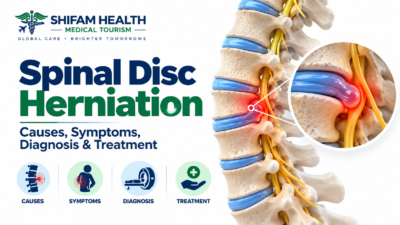
Spinal deformity is a broad category, not one disease — it describes abnormalities of spinal curvature, alignment, rotation,…
- October 1, 2026
- shifamhealth
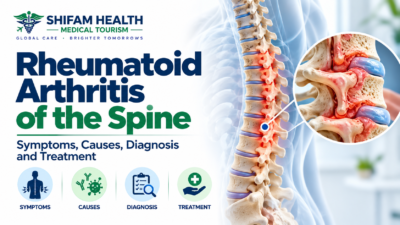
Spinal disc herniation occurs when the soft, gel-like center of an intervertebral disc pushes through a weakened or…