


Anal Fistula Surgery Cost in India: Laser Treatment & Recovery Guide (2026)
Filters & Insights
Written By :
Medically Reviewed By :

Shifam Health Medical Team
Shifam Health - Medical Reviews Department
10+ Years Of Experience
Anal fistula surgery cost in India: $600–$3,500 for international patients. Compare laser vs traditional surgery, recovery & hospitals. Free quote.
📅
Last updated: July 4, 2026

Written by: Shifam Health Editorial Team Medically reviewed by: Consultant Colorectal Surgeon, Shifam Health Partner Hospital Network Published: July 2026 | Last updated: July 2026 Sources: JCI (Joint Commission International), NABH (National Accreditation Board for Hospitals & Healthcare Providers), Indian Association of Surgical Gastroenterology, international-patient pricing data from accredited Indian hospitals
Anal fistula surgery in India costs $600–$1,200 for conventional procedures (fistulotomy, fistulectomy, seton placement) and $1,800–$3,500 for laser fistula surgery (FiLaC), for international patients at JCI/NABH-accredited hospitals. Complex or recurrent fistulas involving multiple tracts can run $2,000–$4,500+. This is roughly 60–85% less than equivalent surgery in the US or UK. Domestic Indian pricing — often quoted online as ₹10,000–₹1,40,000 — reflects local-patient rates and is not what an international patient traveling through a facilitator will typically be quoted once biopsy-grade imaging, sphincter-sparing technique, and international-patient coordination are included. Shifam Health provides a written, procedure-specific cost estimate before you travel.
If you’ve been living with the pain, discharge, and recurring infections of an anal fistula, you’ve likely already discovered that this isn’t a condition that resolves on its own and that surgery, done correctly the first time, matters enormously for avoiding recurrence and protecting continence. This guide covers exactly what anal fistula surgery costs in India by technique, how laser surgery (FiLaC) compares to conventional approaches, what determines your specific price, and what international patients need to know before traveling for treatment.
Anal fistula surgery in India costs $600–$1,200 for conventional techniques and $1,800–$3,500 for laser (FiLaC) surgery, for international patients at accredited hospitals — 60–85% less than the US or UK. Technique choice depends on MRI fistulogram findings, with sphincter-sparing methods preferred for complex fistulas.
Table of Contents
ToggleAnal Fistula Surgery Cost in India: Pricing Summary Table
| Procedure | India (International) | India (Domestic) | USA | UK (Private) | UAE |
|---|---|---|---|---|---|
| Fistulotomy (Simple) | $600–1,000 | ₹10,000–40,000 | $5,000–9,000 | £2,500–4,500 | AED 8,000–15,000 |
| Fistulectomy | $700–1,100 | ₹15,000–50,000 | $5,500–10,000 | £2,800–5,000 | AED 9,000–16,000 |
| Seton Placement | $500–900 | ₹10,000–35,000 | $4,000–7,000 | £2,000–3,500 | AED 7,000–12,000 |
| LIFT Procedure | $900–1,500 | ₹30,000–80,000 | $6,000–11,000 | £3,000–5,500 | AED 10,000–18,000 |
| Laser (FiLaC) | $1,800–3,500 | ₹35,000–1,40,000 | $8,000–15,000 | £4,000–7,500 | AED 14,000–25,000 |
| VAAFT | $1,500–2,800 | ₹40,000–1,20,000 | $7,500–13,000 | £3,800–7,000 | AED 13,000–22,000 |
| Complex / Recurrent Fistula | $2,000–4,500+ | ₹50,000–2,00,000+ | $10,000–20,000+ | £5,000–10,000+ | AED 17,000–35,000+ |
Approximate currency conversions for the international-patient range ($500–$4,500):
| Currency | Range |
|---|---|
| USD | $500–4,500 |
| GBP | £395–3,550 |
| EUR | €460–4,150 |
| AED | AED 1,835–16,500 |
| SAR | SAR 1,875–16,875 |
| BDT | ৳55,000–495,000 |
Rates are indicative and depend on your specific anatomy, tract complexity, and hospital chosen. Get a written, personalized quote from Shifam Health before booking travel.
Why two price columns for India? Most articles online quote only domestic pricing (₹10,000–₹1,40,000), which is what an Indian patient at a local hospital pays. International patients treated at JCI/NABH-accredited centres — with fellowship-trained colorectal surgeons, MRI fistulogram imaging, sphincter-sparing technique, and dedicated international-patient coordination — are quoted differently. One facilitator we cross-checked quotes FiLaC laser surgery specifically to international patients at $2,500–$3,500, well above the domestic figure most competitor sites display without qualification. Understanding this gap before you request a quote prevents a frustrating surprise later.
What Is an Anal Fistula?
An anal fistula is an abnormal tunnel that forms between the inside of the anal canal and the skin surrounding the anus. It almost always develops after an anal abscess a collection of pus caused by infection of one of the small glands inside the anal canal fails to heal completely, leaving behind a persistent tract that continues to drain.
Unlike a simple wound, a fistula tract is lined with tissue that actively resists closing on its own, which is why surgery not medication alone is required to cure it in nearly all cases.
Fistula classification by anatomical path:
| Type | Description |
|---|---|
| Intersphincteric | Runs between the sphincter muscles; usually the simplest type. |
| Transsphincteric | Crosses both sphincter muscles and requires sphincter-preserving surgery. |
| Suprasphincteric | Passes above the sphincter before reaching the skin; more complex. |
| Extrasphincteric | Bypasses the sphincter, often linked to Crohn’s disease or pelvic surgery. |
The deeper and more sphincter-involving the tract, the more the choice of surgical technique matters this is the single biggest driver of both treatment approach and cost, which we cover in detail below.
Symptoms of an Anal Fistula
| Symptom | What It Feels Like |
|---|---|
| Persistent Pain | Worse while sitting, walking, or during bowel movements. |
| Swelling | A tender lump near the anal opening. |
| Pus or Blood Discharge | Intermittent or continuous drainage. |
| Recurrent Abscess | Painful swelling that repeatedly returns. |
| Skin Irritation | Caused by ongoing discharge around the anus. |
| Fever | May occur if the infection is active. |
When to seek urgent care: fever with worsening pain and swelling can indicate an active abscess requiring prompt drainage don’t wait for a scheduled consultation if this combination occurs.
Causes and Risk Factors
Common causes:
- Anal gland abscess (the most frequent cause by far)
- Crohn’s disease
- Prior anorectal surgery
Less common but important causes:
- Ulcerative colitis
- Tuberculosis (in regions where it’s endemic)
- Trauma or radiation therapy to the pelvic area
- Uncontrolled diabetes, which impairs wound healing and increases infection risk
- Chronic, recurrent infection
If you have inflammatory bowel disease, mentioning this during consultation is essential Crohn’s-related fistulas often require a different surgical strategy and closer post-operative monitoring than fistulas of purely infectious origin.
Anal Fistula Surgery Cost in India: Detailed Breakdown
| Cost Component | What It Covers | Typical Cost |
|---|---|---|
| Surgeon Consultation | Assessment and treatment planning. | $40–100 |
| MRI Fistulogram | Maps the fistula tract before surgery. | $150–350 |
| Blood Tests | Routine pre-operative investigations. | $30–70 |
| Surgery Fee | Surgeon and operating room charges. | $300–2,500 |
| Laser Charge (FiLaC) | Use of specialized laser equipment. | $500–1,200 |
| Anesthesia | Spinal or local anesthesia. | $80–200 |
| Hospital Stay | Usually day-care; overnight if required. | $50–150/night* |
| Medicines | Antibiotics, pain relief, and dressings. | $30–80 |
| Follow-up | Wound review and healing assessment. | $40–100 |
*Often included in the treatment package unless an extended stay is required.
Realistic total scenarios:
- Simple fistulotomy, single tract: $600 – $1,000
- Fistulectomy or LIFT for a moderate transsphincteric fistula: $900 – $1,500
- Laser (FiLaC) for a complex or high fistula: $1,800 – $3,500
- Recurrent fistula requiring re-do surgery: $2,000 – $4,500+
Factors Affecting Anal Fistula Surgery Cost
| Factor | Impact on Cost |
|---|---|
| Type of Fistula | Simple fistulas cost less than complex cases. |
| Number of Tracts | Multiple tracts increase surgical complexity and cost. |
| Surgical Technique | Laser (FiLaC) and VAAFT cost more than conventional surgery. |
| Hospital Category | JCI/NABH hospitals generally charge higher rates. |
| Surgeon Expertise | Experienced colorectal surgeons usually charge more. |
| City | Metro cities are typically more expensive. |
| Hospital Stay | Longer admission increases the overall cost. |
| Complications | Additional treatment or wound care raises expenses. |
| Repeat Surgery | Recurrence requiring another procedure significantly increases total cost. |
Surgical Options for Anal Fistula: Full Comparison
| Technique | Best For | Sphincter-Sparing? | Recovery | Recurrence Consideration |
|---|---|---|---|---|
| Fistulotomy | Simple, low fistulas. | No | Days–2 weeks | Low recurrence in suitable cases. |
| Fistulectomy | Simple fistulas requiring tract removal. | No | 1–3 weeks | Low recurrence for simple cases. |
| Seton Placement | Complex or high fistulas. | Yes | Several weeks | Usually the first stage before definitive surgery. |
| LIFT | Transsphincteric fistulas. | Yes | 1–2 weeks | Good outcomes in selected patients. |
| FiLaC (Laser) | Complex fistulas needing sphincter preservation. | Yes | Few days | Effective when performed in suitable cases. |
| VAAFT | Branching or recurrent fistulas. | Yes | Days–2 weeks | Direct visualization improves tract treatment. |
| Advancement Flap | Complex fistulas requiring internal opening closure. | Yes | 2–3 weeks | Sphincter-preserving but technically demanding. |
How to think about this table: Fistulotomy remains highly effective and appropriately used for simple, low fistulas — it isn’t an inferior option, just a different one for a different anatomy. The moment a fistula crosses significant sphincter muscle, sphincter-sparing techniques (LIFT, FiLaC, VAAFT) become the priority, because protecting continence outweighs any cost saving from an older technique poorly suited to that anatomy. Your colorectal surgeon’s recommendation should follow directly from your MRI fistulogram findings — be cautious of any consultation that recommends a technique before imaging is reviewed.
Laser vs Traditional Anal Fistula Surgery
| Factor | Laser (FiLaC) | Traditional Surgery |
|---|---|---|
| Pain | Generally lower | Moderate |
| Hospital Stay | Usually same-day | Same-day for most simple cases |
| Recovery | Often within days | 1–2 weeks |
| Scarring | Minimal | Moderate |
| Cost | Higher | Lower |
| Return to Work | Usually within days | 1–2 weeks |
| Incontinence Risk | Lower (sphincter preserved) | Higher in complex fistulas |
| Best Suited For | Complex or transsphincteric fistulas | Simple, low fistulas |
Laser surgery isn’t automatically “better” for every patient it’s the preferred option specifically when sphincter preservation matters, which is most often the case with complex or high fistulas. For appropriately selected simple, low fistulas, conventional fistulotomy remains highly effective, faster, and considerably less expensive, with excellent outcomes. The right choice depends on your fistula’s anatomy, not on which technique sounds more advanced.
Diagnosis Before Surgery
- Physical and digital rectal examination — the surgeon’s initial assessment of the external opening and surrounding tissue
- Anoscopy — direct visualization of the anal canal to locate the internal opening
- MRI fistulogram — the gold-standard imaging test that maps the full tract anatomy, branching, and relationship to the sphincter muscles; this is what actually determines technique selection
- Endoanal ultrasound — an alternative or complementary imaging option in some centres
- Colonoscopy — recommended when Crohn’s disease or ulcerative colitis is suspected as the underlying cause
Skipping proper pre-operative imaging is one of the most common reasons for recurrence and unplanned repeat surgery — confirm that an MRI fistulogram is part of your treatment plan before agreeing to a procedure date.
Recovery After Anal Fistula Surgery
| Timeframe | What to Expect |
|---|---|
| Day 1 | Mild discomfort, pain medication, and discharge for most patients. |
| Week 1 | Wound care, sitz baths, and light daily activities. |
| Week 2 | Most patients return to desk work; healing continues. |
| Week 4 | Normal activity for simple cases; complex cases continue recovering. |
| Week 6 | Follow-up visit to assess healing. |
| Month 3 | Healing is usually complete; complex cases may need continued follow-up. |
Practical guidance:
- Pain management: Oral pain medication is usually sufficient; severe or worsening pain after the first few days warrants a call to your surgical team
- Wound care: Regular sitz baths and keeping the area clean are central to healing
- Diet: A high-fiber diet with good hydration helps avoid straining during bowel movements
- Walking: Gentle movement is encouraged early; heavy lifting and strenuous exercise are typically restricted for 2–4 weeks
- Travel after surgery: International patients should plan to remain in India for at least 5–7 days post-procedure for simple techniques, and up to 10–14 days for complex cases, to allow for a wound check before flying
Risks and Possible Complications
Anal fistula surgery is generally safe when performed by an experienced colorectal surgeon at an accredited facility, but it’s worth understanding the realistic risk profile rather than only the reassurance.
- Bleeding — usually minor and self-limiting
- Infection — reduced significantly with proper post-operative wound care
- Delayed wound healing — more common with complex or Crohn’s-related fistulas
- Recurrence — varies by technique and fistula complexity; this is why accurate pre-operative imaging and correct technique selection matter more than any other single factor
- Temporary incontinence — a real risk particularly with techniques that involve sphincter muscle, which is precisely why sphincter-sparing techniques exist and are increasingly preferred for complex fistulas
- Anal stenosis — rare, a narrowing of the anal canal during healing
Choosing a fellowship-trained colorectal surgeon and confirming that pre-operative MRI imaging is part of your treatment plan are the two most effective ways to reduce these risks.
Why International Patients Choose India for Fistula Surgery
| Comparison | Key Difference |
|---|---|
| India vs USA | 60–85% lower cost with comparable laser technology and JCI-accredited hospitals. |
| India vs UK | 50–70% lower cost and avoids long NHS waiting times. |
| India vs UAE | Lower costs with more high-volume colorectal specialists. |
| India vs Turkey | Similar pricing with a larger pool of English-speaking specialists. |
| India vs Thailand | Comparable costs with greater expertise in complex and Crohn’s-related fistulas. |
Beyond cost, international patients frequently cite: same-day or next-day surgical scheduling versus lengthy specialist waiting lists at home, access to surgeons who perform high volumes of both laser and conventional techniques, and dedicated international-patient departments that handle visa letters, MRI scheduling, and coordination end-to-end.
How to Choose the Right Hospital
Rather than chasing an unverified “best hospital” ranking, evaluate any facility against these criteria:
- Colorectal surgeon credentials — look for fellowship training in colorectal or GI surgery and demonstrated experience across multiple fistula techniques, not just one
- MRI fistulogram availability — confirm imaging is performed and reviewed before technique selection, not skipped for speed
- Laser equipment — if considering FiLaC, confirm the hospital has dedicated, well-maintained laser systems rather than shared or occasional-use equipment
- Infection control practices — ask about sterilization protocols directly
- Multidisciplinary care — access to a gastroenterologist is valuable if Crohn’s disease is a possible underlying cause
- International patient department — a dedicated team for visa letters, cost estimates, and coordination
- Transparent pricing — a written, itemized quote before you commit to travel, not a vague “starting from” figure
Why Choose Shifam Health
Navigating fistula surgery abroad is easier with a coordinator who understands both the medical nuance and the logistics. Shifam Health supports international patients through:
- Matching you with fellowship-trained colorectal surgeons experienced across multiple fistula techniques
- Transparent, itemized cost estimates before you travel — no vague “starting from” pricing
- Coordinating MRI fistulogram scheduling as part of your treatment plan
- Medical visa documentation support
- Airport pickup and accommodation coordination
- A dedicated care coordinator throughout your visit
- Second opinion support if you’re unsure about a recommended technique
- Post-treatment follow-up and digital report sharing after you return home
Get Your Free, Personalized Cost Estimate
Every fistula is anatomically different, and the right technique and its true cost depends on your specific MRI findings, not a generic online figure. Share your case with Shifam Health for a written, no-obligation cost estimate matched to your situation.
Frequently Asked Questions
How much does anal fistula surgery cost in India?
For international patients, conventional surgery (fistulotomy, fistulectomy, seton) typically costs $600–$1,200, while laser surgery (FiLaC) ranges from $1,800–$3,500 depending on complexity.
Can anal fistulas heal without surgery?
Rarely. Because the tract is lined with tissue that resists natural closure, surgery is required to cure an anal fistula in the vast majority of cases.
How painful is fistula surgery?
Most patients report manageable discomfort controlled with standard pain medication, particularly with sphincter-sparing and laser techniques, which tend to involve less post-operative pain than more invasive conventional approaches.
How long is recovery after fistula surgery?
Simple cases: 1–2 weeks to near-normal activity. Complex or laser-treated cases: often faster initial recovery but full wound healing can take 6–12 weeks.
Will I need hospitalization?
Most fistula surgeries, including laser techniques, are same-day or day-care procedures. Complex cases may require a 1–2 night stay.
Can fistulas come back after surgery?
Yes, recurrence is possible with any technique, particularly for complex or Crohn’s-related fistulas. Accurate MRI-based diagnosis and correct technique selection significantly reduce this risk.
Is Crohn’s disease linked to anal fistulas?
Yes. Crohn’s disease is a well-recognized cause of anal fistulas and often requires closer post-operative monitoring and a tailored surgical approach.
Can international patients travel home immediately after surgery?
It’s advisable to remain in India for at least 5–7 days after simple procedures and up to 10–14 days for complex cases, allowing for a wound check before flying.
People Also Ask
Which surgery has the shortest recovery?
Laser (FiLaC) and LIFT procedures generally offer faster initial recovery compared to conventional fistulotomy for complex fistulas, though this varies by individual anatomy.
Is laser surgery worth the additional cost?
For complex or sphincter-involving fistulas, the sphincter-preservation benefit often justifies the added cost. For simple fistulas, conventional surgery may be equally effective at a lower price — this is a decision to make with your surgeon based on your MRI findings.
Can I sit normally after surgery?
Sitting is generally uncomfortable for the first few days but improves quickly; a cushion can help during early recovery.
When can I return to work?
Desk-based work: often within a week for simple cases. Physically demanding work: typically 2–4 weeks, depending on technique and healing progress.
What foods should I eat after surgery?
A high-fiber diet with plenty of fluids helps prevent constipation and straining, which supports wound healing.
How do I know if my fistula is simple or complex?
An MRI fistulogram, reviewed by your colorectal surgeon, determines this — it’s the single most important diagnostic step before deciding on a technique.
How do I get started with Shifam Health?
Share your symptoms, any prior imaging or reports, and preferred travel dates. Shifam Health will connect you with a suitable colorectal surgeon and provide a written, itemized cost estimate before you commit to travel.
This article is for informational purposes only and does not constitute medical advice. Please consult a qualified colorectal surgeon to determine the right approach for your individual case.

Popular Posts From Last Week
- October 2, 2026
- shifamhealth
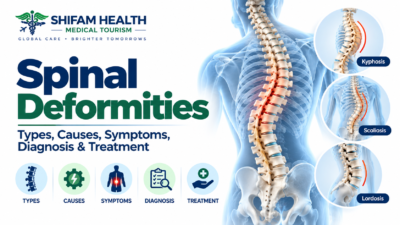
Spinal deformity is a broad category, not one disease — it describes abnormalities of spinal curvature, alignment, rotation,…
- October 1, 2026
- shifamhealth
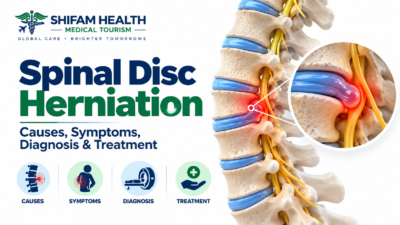
Spinal disc herniation occurs when the soft, gel-like center of an intervertebral disc pushes through a weakened or…