


Home > Blog > Orthopedic Surgery in India (2026): Costs, Best Hospitals, Treatments & Recovery Guide
Orthopedic Surgery in India (2026): Costs, Best Hospitals, Treatments & Recovery Guide
Filters & Insights
Written By :
Medically Reviewed By :

Shifam Health Medical Team
Shifam Health - Medical Reviews Department
10+ Years Of Experience
Explore orthopedic surgery in India (2026), treatment costs, best hospitals, top surgeons, recovery, and affordable care
📅
Last updated: June 29, 2026

Living with chronic joint pain, severe arthritis, sports injuries, spinal disorders, or fractures can make everyday activities difficult and significantly reduce your quality of life. Unfortunately, many patients in countries such as the UK, Canada, Australia, and parts of Europe face long waiting lists for orthopedic surgery, allowing pain and mobility problems to worsen while they wait.
Orthopedic surgery in India has become a trusted solution for international patients seeking timely, high-quality, and affordable treatment. India is home to internationally accredited hospitals, highly experienced orthopedic surgeons, advanced technologies including robotic-assisted joint replacement and minimally invasive procedures, and treatment costs that are often 60–80% lower than those in many Western countries all without compromising on quality of care.
Whether you need knee replacement, hip replacement, spine surgery, shoulder surgery, sports injury treatment, fracture repair, or other orthopedic procedures, this comprehensive guide explains everything you need to know. You’ll learn about treatment costs in India, the best orthopedic hospitals, available procedures, recovery timelines, and what international patients can expect throughout their medical journey, helping you make an informed treatment decision in 2026.
Table of Contents
ToggleWhy India Has Become a Global Hub for Orthopaedic Surgery
India’s orthopaedic sector has grown into one of the most substantial in the world — not on the basis of cost alone, but because the clinical infrastructure genuinely supports complex surgical care at scale. Major centres perform tens of thousands of joint replacements, spine surgeries, and arthroscopic procedures annually for both domestic and international patients.
Six factors consistently drive international patients to choose India over other destinations:
| Factor | What It Means |
|---|---|
| Experienced Surgeons | Fellowship-trained specialists with high surgical volumes and excellent outcomes. |
| Lower Cost | Treatment costs are typically 60–80% lower than in the USA, UK, and Europe. |
| Minimal Waiting Time | Surgery is often scheduled within 1–3 weeks after medical review. |
| Advanced Technology | Robotic surgery, computer navigation, and minimally invasive techniques are widely available. |
| Accredited Hospitals | Many hospitals are JCI or NABH accredited, ensuring high safety and quality standards. |
| International Patient Support | Medical visa assistance, airport pickup, interpreters, and accommodation support are available. |
Orthopedic Conditions and Procedures Treated in India
International patients travel to India for the full spectrum of orthopedic care from routine joint replacement to complex spinal reconstruction and pediatric deformity correction.
Joint Replacement Surgery
Joint replacement is the most common reason international patients seek orthopaedic care abroad. India’s high-volume arthroplasty centres use robotic-assisted systems for precise implant positioning and modern implant materials with documented longevity of 15–25 years.
| Procedure | Clinical Indication |
|---|---|
| Total Knee Replacement | Advanced osteoarthritis affecting the entire knee. |
| Partial Knee Replacement | Single-compartment arthritis with healthy ligaments. |
| Total Hip Replacement | Severe hip arthritis, avascular necrosis, or fractures. |
| Shoulder Replacement | Shoulder arthritis or irreparable rotator cuff tears. |
| Elbow Replacement | Rheumatoid arthritis or complex elbow fractures. |
| Revision Joint Replacement | Failed or worn-out joint implants requiring replacement. |
Spine Surgery
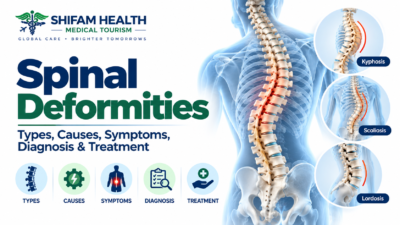
India has established a strong international reputation in spinal surgery, particularly for minimally invasive approaches that reduce post-operative morbidity and shorten recovery. Robotic navigation and intraoperative 3D imaging enable precision in complex vertebral procedures.
| Procedure | Clinical Indication |
|---|---|
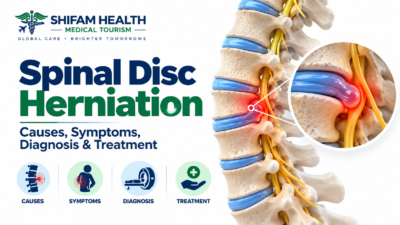
| Microdiscectomy | Herniated disc causing nerve compression. |
| Spinal Fusion | Spinal instability, spondylolisthesis, or degenerative disc disease. |
| Cervical/Lumbar Decompression | Spinal stenosis causing pain, weakness, or numbness. |
| Scoliosis Correction | Severe spinal curvature requiring surgical correction. |
| Minimally Invasive Spine Surgery (MISS) | Selected spinal disorders with smaller incisions and faster recovery. |
Sports Injury and Arthroscopy
Arthroscopic surgery — performed through incisions smaller than a centimetre using fibre-optic camera systems — is used to diagnose and repair joint damage with minimal disruption to surrounding tissue. Athletes and active patients represent a significant proportion of international orthopaedic patients in India.
| Procedure | Clinical Indication |
|---|---|
| ACL Reconstruction | Complete anterior cruciate ligament (ACL) tear. |
| PCL Reconstruction | Posterior cruciate ligament (PCL) tear. |
| Meniscus Repair / Meniscectomy | Meniscal tears causing pain, locking, or instability. |
| Rotator Cuff Repair | Partial or complete rotator cuff tears. |
| Shoulder Stabilisation | Recurrent shoulder dislocation or instability. |
| Cartilage Repair & Grafting | Focal cartilage defects in major joints. |
Trauma and Fracture Surgery
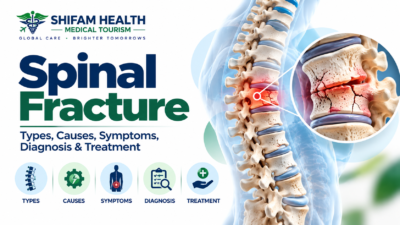
India’s high-volume trauma centres manage complex fractures with modern internal fixation hardware and reconstructive techniques. Patients with injuries requiring surgical fixation — particularly those involving the pelvis, hip, or multiple limb segments — benefit from the availability of specialist trauma surgeons and advanced implant systems.
| Procedure | Clinical Indication |
|---|---|
| Open Reduction & Internal Fixation (ORIF) | Displaced fractures requiring surgical fixation. |
| Pelvic & Acetabular Fracture Surgery | Complex pelvic fractures after major trauma. |
| Complex Limb Reconstruction | Non-union, malunion, or multiple fractures. |
| Intramedullary Nailing | Femur and tibia shaft fractures. |
Paediatric Orthopaedic Surgery
India’s specialist paediatric orthopaedic centres manage congenital and developmental musculoskeletal conditions in children. These procedures require subspecialist expertise that is unavailable or severely limited in many patients’ home countries.
| Condition | Surgical Approach |
|---|---|
| Clubfoot (Talipes Equinovarus) | Ponseti casting or corrective surgery. |
| Developmental Hip Dysplasia (DDH) | Closed/open reduction or osteotomy. |
| Pediatric Scoliosis & Kyphosis | Spinal fusion or growing rod surgery. |
| Limb Length Discrepancy | Guided growth, osteotomy, or Ilizarov correction. |
Cost of Orthopaedic Surgery in India: International Comparison
The cost differential between India and Western healthcare systems is one of the most clinically relevant factors for international patients — particularly those funding treatment privately. The figures below represent all-inclusive surgical packages covering surgeon fees, anaesthesia, hospital stay, implants, nursing care, and standard post-operative physiotherapy.
| Procedure | India (USD) | UK / Europe (USD) | USA (USD) | Saving in India |
|---|---|---|---|---|
| Total Knee Replacement | $5,500–$7,500 | $18,000–$25,000 | $30,000–$45,000 | Up to 80% |
| Partial Knee Replacement | $4,500–$6,500 | $15,000–$20,000 | $25,000–$35,000 | Up to 80% |
| Total Hip Replacement | $6,000–$8,000 | $18,000–$28,000 | $30,000–$45,000 | Up to 80% |
| Minimally Invasive Spine Surgery | $7,000–$10,000 | $25,000–$40,000 | $50,000–$80,000 | Up to 87% |
| ACL / PCL Reconstruction | $3,500–$5,500 | $12,000–$18,000 | $20,000–$30,000 | Up to 82% |
| Shoulder Replacement | $6,000–$8,500 | $18,000–$25,000 | $25,000–$40,000 | Up to 78% |
| Fracture Surgery (ORIF) | $2,500–$6,500 | $10,000–$20,000 | $15,000–$35,000 | Up to 82% |
Additional in-country costs for international patients pre-operative investigations, post-surgical physiotherapy, accommodation, and local transfers typically add $1,000–$2,500 to the total, which remains well below the surgical cost alone in Western systems.
Surgical Technology at India’s Leading Orthopaedic Hospitals
India’s top orthopaedic centres invest in the same surgical platforms used at internationally recognised institutions. Technology is not aspirational — it is operationally deployed at high volume.
| Technology | Clinical Application |
|---|---|
| Robotic-Assisted Joint Replacement (Mako, ROSA) | Improves implant positioning and surgical precision. |
| Computer Navigation | Enhances alignment during knee and hip replacement. |
| 3D Preoperative Planning | Creates patient-specific surgical plans using CT scans. |
| HD Arthroscopy Systems | Provides clear visualization for ligament and joint surgery. |
| Fluoroscopy & O-Arm Imaging | Real-time imaging for spine and fracture procedures. |
| ERAS Protocols | Reduce pain, blood loss, complications, and hospital stay. |
Leading Orthopedic Hospitals in India for International Patients
Apollo Hospitals – A leading center for robotic joint replacement, spine surgery, and sports medicine, with dedicated international patient services.
Fortis Healthcare – Known for joint replacement, minimally invasive orthopaedic surgery, and comprehensive rehabilitation.
Medanta – The Medicity – High-volume center for robotic knee and hip replacement, complex orthopaedic surgery, and spine care.
Max Healthcare – Offers advanced arthroscopy, robotic joint replacement, and personalized rehabilitation with international patient support.
Artemis Hospital – JCI-accredited hospital specializing in joint replacement, sports injuries, and minimally invasive orthopedic procedures.
Narayana Health – Provides high-quality orthopaedic care at competitive costs, backed by experienced surgeons and rehabilitation services.
Kokilaben Dhirubhai Ambani Hospital – Renowned for robotic orthopaedic surgery, complex joint reconstruction, and international patient care.
All these hospitals are JCI- or NABH-accredited and offer experienced orthopedic specialists, advanced technology, and dedicated support for international patients. Shifam Health helps match patients with the most suitable hospital based on their condition, budget, and treatment needs.
Recovery Timeline for International Patients
Recovery duration varies by procedure. The table below provides reference timelines across the most common orthopaedic interventions performed in India.
| Procedure | Hospital Stay | Walking | Air Travel | Full Recovery |
|---|---|---|---|---|
| Partial Knee Replacement | 5–7 days | 24–48 hrs | 2–3 weeks | 6–8 weeks |
| Total Knee Replacement | 10–14 days | 2–3 days | 4–6 weeks | 3–4 months |
| Total Hip Replacement | 5–7 days | 1–2 days | 4–6 weeks | 3–4 months |
| ACL / PCL Reconstruction | 1–2 days | Same/Next day | 2–3 weeks | 4–6 months |
| Minimally Invasive Spine Surgery | 2–4 days | 1–2 days | 3–4 weeks | 3–6 months |
| Fracture Surgery (ORIF) | 3–7 days | Depends on fracture | 3–6 weeks | 3–6 months |
All patients receive a formal fitness-to-fly certificate and a comprehensive discharge summary including rehabilitation protocols and medication plans for their treating physician at home before departure.
How Shifam Health Supports International Orthopaedic Patients
Shifam Health is a dedicated medical tourism company that manages the full treatment journey for international orthopedic patients in India from the first clinical review through to safe return home. Their role spans clinical coordination, logistical management, and on-ground support throughout the patient’s stay.
| Service | What Shifam Health Provides |
|---|---|
| Free Case Review | Free specialist review of your reports and scans. |
| Hospital & Surgeon Match | Best hospital and surgeon based on your condition. |
| Cost Estimate | Transparent, all-inclusive quotation. |
| Medical Visa Support | Hospital invitation letter and visa assistance. |
| Travel Assistance | Airport pickup, hotel, and local transport. |
| Treatment Support | Appointments, interpreters, and care coordination. |
| Follow-Up Care | Discharge summary and remote follow-up. |
Summary
India offers international patients access to the full range of orthopedic surgical care from routine joint replacement to complex spinal reconstruction and pediatric deformity correction at costs 60–80% below Western equivalents, with no waiting period, in internationally accredited hospitals, and with the same robotic and minimally invasive technology available at the world’s leading orthopedic centers.
The clinical case for India is not built on price alone. It is built on surgical volume, fellowship-trained expertise, accredited infrastructure, and a medical tourism support ecosystem led by organizations like Shifam Health that removes the complexity of accessing specialized care abroad.
If you are considering orthopedic treatment and have been told to wait, or have been quoted a cost that is out of reach, a specialist clinical review through Shifam Health costs nothing and commits you to nothing but it may fundamentally change what is available to you.
Frequently Asked Questions
How quickly can surgery be scheduled in India?
Most procedures can be scheduled within 1–3 weeks of submitting medical reports for review. There are no NHS-equivalent waiting lists at India’s private orthopaedic hospitals
Are Indian hospitals safe for international patients?
India’s leading orthopaedic centres hold JCI accreditation or NABH certification — the internationally recognised standards for patient safety, surgical quality, and infection control. These are not honorary designations; they require demonstrated compliance with rigorous operational criteria.
What does the all-inclusive cost package cover?
Standard packages cover surgeon fees, anaesthesiology, hospital stay, nursing care, implants, and basic post-operative physiotherapy. Shifam Health provides a fully itemised estimate before any travel commitment.
How does Shifam Health select which hospital is right for my case?
Shifam Health matches each patient to the most appropriate hospital and surgeon based on the specific procedure required, case complexity, geographic location in India, and the patient’s clinical history. The recommendation follows a specialist review of your medical reports — not a generic referral.
How long do I need to stay in India after surgery?
This depends on the procedure. Arthroscopic procedures typically require 2–3 weeks total. Joint replacement requires 3–6 weeks. Shifam Health provides a procedure-specific stay estimate as part of your treatment plan.


Popular Posts From Last Week
- October 2, 2026
- shifamhealth
Spinal deformity is a broad category, not one disease — it describes abnormalities of spinal curvature, alignment, rotation,…