


Medical Tourism in Thailand 2026: Complete Guide for International Patients
Filters & Insights
Written By :
Medically Reviewed By :

Shifam Health Medical Team
Shifam Health - Medical Reviews Department
10+ Years Of Experience
Planning medical treatment in Thailand? Discover top hospitals, treatment costs, visa requirements, and why 1 million+ patients choose Thailand every year
📅
Last updated: May 13, 2026

Every year, over one million people leave their home countries and fly to Thailand not for its beaches or temples, but for its hospitals.
That number isn’t a coincidence. Thailand has quietly built one of the world’s most respected medical systems, one that combines advanced technology, internationally trained doctors, and treatment costs that are a fraction of what patients pay in the US, UK, or Europe.
If you’re reading this, you’re probably weighing your options. Maybe treatment at home is too expensive. Maybe the waiting list is too long. And maybe you want a second opinion from a world-class specialist. Whatever brought you here, this guide will walk you through everything you need to know about medical tourism in Thailand honestly, clearly, and in a way that helps you make the right decision for yourself or your family.
Table of Contents
ToggleWhat Is Medical Tourism in Thailand?
Medical tourism in Thailand refers to the growing practice of international patients traveling to Thailand specifically to receive medical, surgical, or dental treatment often at significantly lower costs than in their home countries, without sacrificing quality.
Thailand is one of Asia’s longest-established medical tourism destinations. Its healthcare infrastructure has developed specifically to serve international patients, with major hospitals offering multilingual staff, international patient coordinators, dedicated foreign patient wings, and seamless coordination from arrival to discharge.
According to industry estimates, medical tourism contributes more than 9 percent of Thailand’s national GDP, which gives you a sense of just how central healthcare is to the country’s international identity.
Why Is Thailand So Popular for Medical Treatment?
Thailand didn’t become a medical tourism hub by accident. Several factors have worked together over decades to make it one of the most trusted destinations for international patients.
World-Class Hospital Infrastructure
Thailand’s leading hospitals don’t look like hospitals in the traditional sense. Walking into facilities like Bumrungrad International Hospital in Bangkok feels more like entering a five-star hotel polished lobbies, concierge-style patient services, private rooms with city views, and hospitality that many patients describe as genuinely warm rather than clinical.
This isn’t cosmetic. These hospitals have invested heavily in technology, equipment, and physical environment because they understand that international patients have choices and they compete on every dimension of the patient experience.
Internationally Trained Physicians
The doctors treating you in Thailand’s top hospitals have often trained in the United States, United Kingdom, Europe, or Australia. Many hold board certifications from American or European medical associations. They return to Thailand with international-standard qualifications and apply them in an environment where they treat a diverse global patient population every single day.
This is not a theoretical credential it’s practical, daily clinical experience with patients from dozens of countries with varying medical histories and needs.
Significantly Lower Treatment Costs
One of the clearest advantages Thailand offers is cost. Medical treatment in Thailand is approximately 40–50% cheaper than European countries and 60–70% cheaper than the United States for comparable procedures at comparable quality levels.
This cost difference is structural it reflects lower operating costs, favorable currency exchange, and a different healthcare pricing model, not a reduction in care quality.
No Long Waiting Lists
In many countries, waiting months for a specialist consultation or surgical procedure is normal. In Thailand, even complex multi-stage surgeries can be scheduled within days. This speed of access is a major reason patients from the UK, Canada, and Australia increasingly look to Thailand when facing long domestic queues.
Treatment Packages
Several major Thai hospitals offer bundled medical treatment packages that combine consultations, procedures, diagnostics, and follow-up care into a single coordinated plan. These packages offer cost savings and logistical simplicity for patients who might otherwise have to navigate multiple appointments and billing cycles independently.
Visa Accessibility
Thailand offers medical tourists considerable visa flexibility. Many nationalities can enter visa-free or with a visa on arrival for up to 30 days — sufficient for most short-stay procedures. For longer treatments, specific medical visa categories are available.
Culture, Hospitality, and Recovery Environment
Thailand’s reputation as the “Land of Smiles” is not marketing language — it reflects a genuine cultural orientation toward warmth, hospitality, and care for guests. For patients in a vulnerable medical situation, being treated with consistent kindness by nurses, coordinators, and support staff makes a meaningful difference in the recovery experience.
The country also offers a rich recovery environment from peaceful island retreats to world-class spa and rehabilitation facilities that patients from more clinical medical environments genuinely appreciate.
Thailand’s Healthcare Rankings and Global Reputation
Thailand consistently ranks among the top medical tourism destinations globally. The country is home to multiple hospitals accredited by the Joint Commission International (JCI) the global gold standard for hospital quality and patient safety.
JCI accreditation means a hospital has met rigorous international standards across clinical quality, infection control, patient rights, and safety management. The presence of multiple JCI-accredited facilities in Bangkok and other major cities is one of the strongest indicators of Thailand’s healthcare credibility on the world stage.
Thailand’s medical tourism industry has also been recognized by global healthcare travel organizations for its combination of clinical quality, patient experience, and value a rare combination that most countries struggle to maintain simultaneously.
How Much Does Treatment Cost in Thailand vs Other Countries?
Cost transparency is one of the most important things international patients need before making a decision. Here is a straightforward comparison across major procedures.
| Procedure | United States | United Kingdom | Thailand |
|---|---|---|---|
| Heart Bypass Surgery | $120,000–$150,000 | $30,000–$45,000 | $13,000–$17,000 |
| Knee Replacement | $30,000–$45,000 | $15,000–$20,000 | $12,000–$15,000 |
| Spinal Fusion Surgery | $100,000–$130,000 | $25,000–$40,000 | $15,000–$18,000 |
| Breast Augmentation | $6,000–$10,000 | $4,000–$7,000 | $3,000–$5,000 |
| Cancer Treatment (varies by type) | $80,000–$200,000+ | $30,000–$100,000+ | $15,000–$60,000+ |
| Dental Implant (per tooth) | $3,000–$5,000 | $1,500–$2,500 | $800–$1,500 |
| Cataract Surgery (per eye) | $3,500–$5,000 | $2,500–$3,500 | $1,000–$2,000 |
Costs are approximate ranges and vary by hospital, surgeon, and individual patient needs.
These figures illustrate why cost is such a compelling driver for international patients particularly those without comprehensive insurance coverage, or those facing procedures not covered by their domestic health system.
What Treatments Are Available in Thailand for International Patients?
Thailand’s hospitals cover nearly every major medical specialty. The following areas are among the most commonly sought by international patients.
Cardiac Surgery and Cardiology
Heart procedures including bypass surgery, valve replacement, angioplasty, and cardiac catheterization are among Thailand’s most established specialties. Bangkok’s leading cardiac centers use the same equipment and techniques found in the world’s top heart hospitals.
Cancer Treatment and Oncology
Thailand offers comprehensive cancer care including chemotherapy, radiation therapy, immunotherapy, targeted therapy, and surgical oncology. Multidisciplinary oncology teams in Bangkok’s major hospitals follow international treatment protocols.
Orthopedic Surgery and Joint Replacement
Knee replacement, hip replacement, spinal surgery, ACL reconstruction, and sports injury treatment are performed at high volume in Thai hospitals meaning surgeons have deep experience and outcomes data to support confidence in the procedure.
Cosmetic and Plastic Surgery
Thailand has a particularly strong reputation in cosmetic surgery, attracting patients for rhinoplasty, facelifts, body contouring, breast augmentation, and reconstructive procedures. Experienced plastic surgeons and significantly lower costs make Thailand a globally recognized destination for cosmetic procedures.
Dental Treatment
Dental tourism in Thailand is a major subcategory of medical travel, with patients coming for implants, full-mouth rehabilitation, veneers, crowns, and orthodontic treatment at a fraction of Western prices.
Fertility and IVF
IVF and fertility treatments are available at internationally aligned clinics in Bangkok, offering assisted reproductive technology in a regulated, high-quality environment.
Addiction and Rehabilitation
Thailand has developed a respected rehabilitation sector, offering treatment programs for substance addiction, mental health recovery, and physical rehabilitation in both clinical and residential settings.
Other Specialties
- Neurosurgery
- Ophthalmology (LASIK, cataract, retinal surgery)
- Bariatric surgery
- Urology
- ENT
- Dermatology
- Preventive health checkups
Best Hospitals in Thailand for International Patients
Bumrungrad International Hospital, Bangkok
Bumrungrad is one of the most internationally recognized hospitals in Asia, treating patients from over 190 countries annually. It offers a full range of specialties across a modern, high-capacity facility with a dedicated international patient center.
Samitivej Sukhumvit Hospital, Bangkok
JCI-accredited and award-winning, Samitivej Sukhumvit received the Hospital of the Year recognition at the Thailand Healthcare Asia Awards. It offers strong programs in pediatrics, women’s health, and internal medicine, and is known for its patient experience standards.
Bangpakok 9 International Hospital, Bangkok
A leading multispecialty private hospital with both JCI accreditation and Hospital Accreditation from Thailand’s Ministry of Health quality improvement body. It serves a large international patient base across surgical and medical specialties.
Ramathibodi Hospital, Bangkok
One of Thailand’s premier academic medical centers, Ramathibodi combines research, education, and clinical care to a high standard. It is accredited under international medical education quality frameworks and handles complex, high-acuity cases.
Rajavithi Hospital, Bangkok
Thailand’s largest Ministry of Public Health hospital, Rajavithi has 70 years of experience serving both Thai and international patients across a wide range of specialties. It offers accessible, high-volume care with strong clinical depth.
Hospitals in Phuket, Chiang Mai, and Pattaya
For patients combining treatment with recovery and travel, hospitals in Phuket, Chiang Mai, and Pattaya offer strong services in cosmetic surgery, dental care, and general medicine, often within proximity to Thailand’s most appealing recovery environments.
Top Doctors in Thailand
Assoc. Prof. Dr. Abhasnee Sobhonslidsuk
Specialty: Gastroenterology and Hepatology Experience: 32 years One of Thailand’s most respected specialists in liver disease and digestive health.
Dr. Apichai Vasuratna
Specialty: Obstetrics, Gynaecology, and Gynaecological Oncology Experience: 34 years Highly regarded for complex gynecological conditions and cancer of the female reproductive system.
Dr. Ake Hansasuta
Specialty: Neurosurgery and Spine Surgery Experience: 29 years A trusted neurosurgeon with extensive experience in complex spinal procedures.
Assoc. Prof. Dr. Narin Voravud
Specialty: Oncology Experience: 40 years One of Thailand’s senior oncologists with four decades of clinical cancer management experience.
Dr. Amnuay Jirasirikul
Specialty: Orthopaedic and Joint Replacement Surgery Experience: 43 years Specializes in hip, spine, and pediatric orthopaedic conditions including clubfoot correction.
JCI-Accredited Hospitals in Thailand
Joint Commission International (JCI) accreditation is the most widely recognized international standard for hospital quality. JCI-accredited hospitals in Thailand include facilities in Bangkok, Phuket, Chiang Mai, and Pattaya.
When selecting a hospital in Thailand, JCI accreditation should be a baseline requirement it confirms that the facility meets internationally verified standards for clinical processes, infection control, patient safety, and quality management.
Always verify current accreditation status directly with the hospital or through the JCI official directory.
How to Choose the Right Hospital in Thailand
Choosing a hospital in an unfamiliar country is one of the most important decisions you will make. Here is a practical framework.
Check international accreditation first. JCI accreditation is the clearest signal of verified quality. ISO certifications and affiliations with recognized international medical bodies are also positive indicators.
Review the doctor’s credentials. Look specifically for international training, board certifications from recognized associations (particularly American or European boards), years of experience in the specific procedure you need, and any published research or recognized expertise.
Understand the facility standards. Ask about private room availability, international patient support services, language interpretation, emergency protocols, and what happens if complications arise.
Ask about technology and equipment. For specialized procedures particularly in oncology, cardiac surgery, or neurosurgery — the equipment being used matters. Ask specifically what technology is used for your procedure.
Consider working with a medical tourism coordinator. A reputable medical tourism company can significantly reduce the complexity of planning, help you compare hospitals, negotiate costs, arrange appointments, and support logistics from visa to accommodation to post-discharge follow-up.
Thailand Medical Visa and Travel Requirements
Do You Need a Visa to Get Treatment in Thailand?
Thailand offers considerable flexibility for medical visitors. Many nationalities including those from most of Europe, the United States, Australia, and numerous Asian and African countries can enter Thailand without a prior visa for stays of 30 days under the visa exemption scheme.
For longer treatment periods, a Visa on Arrival may be available for eligible nationalities, typically granting 15–30 days of stay.
For extended medical treatment requiring longer stays, Thailand issues a Non-Immigrant Visa (Medical) category, which allows for longer stays with the possibility of extension.
Important: Always Check Current Requirements
Visa regulations change. Before booking any medical travel, verify current visa requirements through the Royal Thai Embassy or Consulate in your country, or through Thailand’s official immigration authorities.
Documents You Need Before Traveling to Thailand
Before you travel, ensure you have the following:
- Valid passport with at least six months’ validity from your travel date
- Thai visa if required by your nationality
- Proof of vaccination records (requirements vary by period and country of origin)
- Travel insurance with a minimum coverage of USD 100,000, including medical repatriation
- Hospital appointment confirmation and medical records
- Proof of sufficient funds for your stay
- Return travel documentation
Accommodation and Recovery in Thailand
Thailand’s major medical hubs particularly Bangkok offer an enormous range of accommodation options at every budget level. Many hospitals have partnerships with nearby hotels to offer discounted rates and coordinated transportation for patients and their accompanying family members.
For recovery, Thailand’s environment is genuinely supportive. Patients who have undergone procedures that require weeks of rest before flying home can choose from:
- Serviced apartments near the hospital for those who prefer a home-like environment
- Partnered recovery hotels offering medical-grade nutrition, nursing support, and proximity to follow-up appointments
- Island or resort settings in Phuket, Koh Samui, or Chiang Mai for patients cleared to travel following recovery
This combination of clinical follow-up and a genuinely pleasant physical environment is one of the reasons patients often rate their Thailand medical experience positively even before considering the cost savings.
Is Thailand Safe for Medical Tourists?
Thailand is broadly considered safe for medical tourists. Its leading hospitals maintain international safety standards, and the country itself has a stable, tourism-friendly environment with well-developed infrastructure.
That said, reasonable precautions apply:
- Choose hospitals with verified international accreditation
- Ensure your travel insurance covers medical complications and repatriation
- Research your specific treatment thoroughly and confirm your surgeon’s credentials
- Follow post-procedure instructions carefully, particularly regarding flying after surgery
- Have a clear plan for follow-up care once you return home
The risks associated with medical tourism in Thailand are manageable when patients do their research, choose accredited facilities, and work with qualified coordinators.
Common Mistakes International Patients Make
Choosing a hospital based on price alone. Cost is important, but the cheapest option isn’t always the safest or the most appropriate for your specific condition.
Not verifying the surgeon’s credentials. Always confirm that the doctor performing your procedure has the specific training and experience relevant to your condition not just general experience.
Underestimating recovery time. Some patients book return flights too soon after surgery. Discuss flying timelines with your surgeon before travel planning, particularly for cardiac, orthopedic, or major abdominal procedures.
Failing to arrange follow-up care at home. Your treatment doesn’t end when you leave Thailand. Ensure your home doctor is briefed on your procedure, has your records, and has a plan for ongoing monitoring.
Not reading the full cost breakdown. Ask for an itemized cost estimate that includes consultations, diagnostics, anesthesia, surgical fees, hospital stay, medications, and follow-up appointments not just the headline surgical fee.
Conclusion
Thailand has earned its position as one of the world’s premier medical tourism destinations through decades of investment in infrastructure, physician training, international accreditation, and patient experience.
If you are facing a major medical procedure, struggling with costs at home, dealing with long waiting lists, or simply want access to a world-class specialist without waiting, Thailand is a legitimate, safe, and well-proven option worth serious consideration.
The most important step is starting with the right information — which you now have.
If you want help evaluating your specific treatment, comparing hospitals, understanding costs, or planning your medical travel, reach out for a free consultation. The goal is to help you make the best possible decision for your health, wherever that decision ultimately leads.
Frequently Asked Questions
Why is Thailand famous for medical tourism?
Thailand is known for JCI-accredited hospitals, experienced doctors, affordable treatment, and strong international patient support.
How much can I save on treatment in Thailand compared to the US?
Most patients save around 60–70% compared to treatment costs in the USA.
Do Thai hospitals have English-speaking staff?
Yes. Major hospitals provide English-speaking coordinators, interpreters, and multilingual support for international patients.
How long do I need to stay in Thailand for treatment?
Minor procedures may require 5–10 days, while major surgeries usually need 2–4 weeks before flying home.
Is surgery in Thailand safe?
Yes. JCI-accredited hospitals in Thailand follow international healthcare standards with experienced surgeons and modern facilities.
Do I need travel insurance for treatment in Thailand?
Yes. Comprehensive travel and medical insurance is strongly recommended.
Can I combine treatment with tourism in Thailand?
Yes, if your doctor approves. Many patients recover while visiting destinations like Bangkok or Chiang Mai.
How do I choose the best hospital in Thailand?
Look for JCI accreditation, experienced specialists, transparent pricing, and strong international patient services.

Popular Posts From Last Week
- October 2, 2026
- shifamhealth
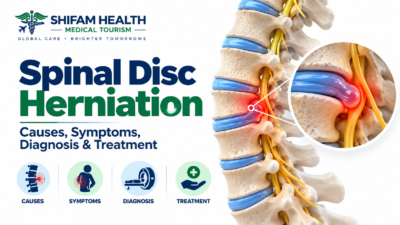
Spinal deformity is a broad category, not one disease — it describes abnormalities of spinal curvature, alignment, rotation,…
- October 1, 2026
- shifamhealth
Spinal disc herniation occurs when the soft, gel-like center of an intervertebral disc pushes through a weakened or…