


Best Hospitals for DBS Surgery in India (2026 Guide)
Filters & Insights
Written By :
Medically Reviewed By :

Shifam Health Medical Team
Shifam Health - Medical Reviews Department
10+ Years Of Experience
Compare top hospitals, costs, outcomes, and technology for Deep Brain Stimulation India. Complete 2026 DBS treatment guide.
📅
Last updated: May 16, 2026
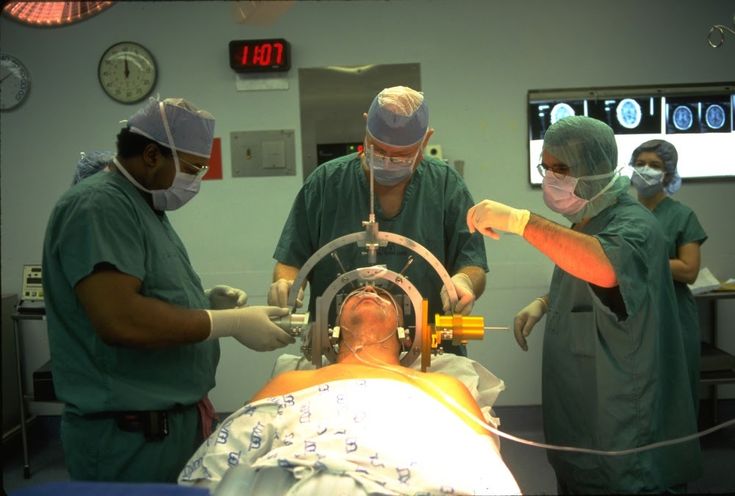
Deep Brain Stimulation (DBS) often referred to as a “brain pacemaker” has transformed the treatment of movement disorders such as Parkinson’s disease, essential tremor, dystonia, and select cases of epilepsy and OCD. Over the last decade, India has emerged as one of the world’s most trusted destinations for DBS, thanks to its high-volume neurosurgery centres, advanced neurotechnology, internationally trained specialists, and significantly lower treatment costs compared to the USA, UK, and Europe.
This comprehensive 2026 international patient guide explains the best hospitals, outcomes, technologies, costs, success factors, and how Shifam Health helps patients access the right DBS programme.
Table of Contents
ToggleWhy Choose India for DBS Surgery in 2026?
India has built one of the most advanced and affordable neuromodulation ecosystems in the world. International patients choose India because:
1. High-volume DBS centers with advanced technology
Hospitals in India perform thousands of DBS surgeries annually, using:
- Intraoperative MER
- High-resolution MRI fusion
- Robot-assisted targeting
- Directional leads
- Rechargeable IPGs
2. Internationally trained neurosurgeons
- Top Indian neurosurgeons have trained at Cleveland Clinic, Mayo Clinic, Toronto Western, King’s College London, and European DBS centres.
3. Affordable pricing & world-class outcomes
- DBS is 65–80% cheaper in India with outcomes comparable to global benchmarks.
4. Complete international patient services
- Hospitals provide airport pick-up, VISA support, language assistance, end-to-end coordination, recovery guidance, and post-operative remote programming.
Deep Brain Stimulation India — Why It Is a Global Treatment Hub
The phrase “Deep Brain Stimulation India” is now one of the most searched global terms related to neurosurgical treatment. This is because India offers:
Advanced neuromodulation centres
Deep Brain Stimulation India programmes commonly offer:
- 3T MRI for planning
- CT fusion for accuracy
- Microelectrode recording
- Awake & asleep DBS options
- Image-guided robotic DBS systems
Multidisciplinary DBS teams
A complete DBS team in India includes:
- Functional neurosurgeons
- Movement disorder neurologists
- Neuropsychologists
- Neurophysiologists
- Physiotherapy & rehabilitation specialists
International-standard care at lower cost
- Deep Brain Stimulation India hospitals deliver US-standard precision at one-fifth of Western costs.
Long-term follow-up & remote programming
Many centres provide:
- Telemedicine follow-ups
- Programming reports for home doctors
- Rechargeable device management plans
Who Should Consider DBS?
You may be a candidate for DBS if you have:
- Parkinson’s with motor fluctuations or dyskinesias
- Essential tremor not responding to medication
- Dystonia causing disabling symptoms
- Tremor-dominant Parkinson’s
- Select cases of epilepsy
- Medication side effects affecting quality of life
DBS is not a cure, but it dramatically improves movement control, tremors, stiffness, gait issues, and long-term functioning.
What Modern DBS Looks Like in India : 2026 Technology
India’s top DBS hospitals use a robust technology stack:
- 3T MRI + CT fusion for mapping basal ganglia & thalamic nuclei
- Stereotactic frames and frameless robotic systems
- Microelectrode recording (MER) for precision
- Directional leads for targeted stimulation
- Rechargeable IPGs lasting 10–15 years
- Asleep DBS using intraoperative CT
- Awake DBS for maximum MER accuracy
Deep Brain Stimulation India workflows now include robotic navigation systems (e.g., ROSA, Neuromate), significantly improving accuracy.
Top Hospitals for DBS Surgery in India (2026)
1. NIMHANS, Bengaluru — India’s Premier Functional Neurosurgery Centre
Why Choose NIMHANS
- National leader in functional neurosurgery and movement disorder management.
- High DBS surgical volumes, contributing to consistent outcomes.
- Advanced MER-guided DBS (Microelectrode Recording) ensuring precision targeting.
- Structured pre-operative evaluation with neurology, neurophysiology, and neuropsychology teams.
- Detailed post-operative programming clinics for long-term symptom control.
- Cost-effective DBS packages, compared to private tertiary hospitals.
- Strong academic foundation with published research in Parkinson’s & dystonia outcomes.
2. Medanta – The Medicity, Gurugram — Leader in Robot-Assisted DBS
Why Choose Medanta
- Robot-assisted DBS workflows with high-precision stereotactic targeting.
- Dedicated Movement Disorders Clinic with neurologists, neurosurgeons & neurophysiologists.
- Hybrid imaging (MRI + CT fusion) for improved electrode placement accuracy.
- Directional leads & rechargeable IPGs for modern DBS therapy.
- Strong documentation & patient education materials, including DBS pathways.
- High success rates for Parkinson’s, essential tremor & dystonia.
3. Apollo Hospitals Delhi — India’s Most Accessible Multi-City DBS Network
Why Choose Apollo Hospitals
- Multi-city DBS programs, allowing flexibility in choosing location & surgeon.
- Standardized DBS care pathways across all major Apollo centres.
- Extensive experience with bilateral Parkinson’s DBS, essential tremor DBS, and dystonia DBS.
- International-standard intraoperative neuromonitoring & neuronavigation.
- Strong neurology & neurosurgery collaboration for multidisciplinary management.
- Reliable follow-up programming, both onsite & via teleconsults.
4. Fortis Memorial Research Institute (FMRI), Gurugram — Precision Stereotactic Neurosurgery
Why Choose Fortis FMRI
- Modern stereotactic neurosurgery systems with MER, neuronavigation & advanced imaging.
- Deep expertise in Parkinson’s DBS, including tremor-dominant and fluctuating disease types.
- Dedicated movement disorder neurologists for pre-op evaluation & post-op programming.
- Comprehensive neuromodulation care including DBS, lesioning, and device programming.
- Structured long-term follow-up, essential for DBS optimization.
- Strong reputation for neurosurgical quality and transparent treatment pathways.
5. Artemis / Max / BLK / Marengo Hospitals (Delhi NCR)
Why Consider These Hospitals
- Established functional neurosurgery units performing DBS with modern stereotaxy.
- Experienced neurosurgeons actively performing Parkinson’s & tremor DBS.
- Comfort-oriented facilities with advanced ICU and postoperative care.
- Availability of major DBS systems — Medtronic, Abbott, Boston Scientific.
- Strong multi-disciplinary support including neurology, physiotherapy & rehabilitation.
- Well-suited for patients who prefer private tertiary hospital environments with personalised care pathways.
6. AIIMS, New Delhi — Trusted National Academic Centre
Why Choose AIIMS
- Highly respected academic neurosurgery department with long-standing DBS expertise.
- Advanced MER systems and experienced faculty neurosurgeons.
- Lower-cost DBS options, due to government-subsidised medical care.
- Robust pre-operative neurological evaluation & structured movement disorder clinics.
- A strong contributor to Indian DBS research, including long-term outcomes.
- Consistent patient outcomes due to high surgical volumes & teaching infrastructure.
Global DBS Surgery Cost Comparison (2026)
| Country | Average Cost (USD) | Notes |
|---|---|---|
| India | $12,000 – $28,000 | Full package, private centres |
| India (public institutes) | $4,000 – $10,000 | Limited slots |
| USA | $80,000 – $160,000 | Highest global cost |
| UK | $70,000 – $110,000 | Long wait times |
| Germany | $55,000 – $85,000 | High precision centres |
| Singapore | $50,000 – $65,000 | Premium centres |
| Turkey | $30,000 – $45,000 | Competitive medical tourism |
| Thailand | $35,000 – $55,000 | Mid-premium pricing |
Deep Brain Stimulation India remains one of the most cost-effective destinations globally.
Estimated DBS Surgery Costs in India
- Private hospitals: USD 12,000 – 28,000
- Public institutes: USD 4,000 – 10,000
- IPG/battery replacement: USD 4,000 – 10,000
- Programming sessions: USD 50 – 250
Prices vary based on device brand, hospital, surgeon, and type of DBS (single vs. bilateral).
Typical DBS Treatment Timeline in India
1. Pre-op assessment: 1–2 weeks
2. Surgery: 1–2 days (single or staged)
3. Initial programming: 5–10 days
4. Follow-up programming: 1–3 months
International patients typically stay 2–3 weeks in India.
Risks of DBS Surgery
- Infection
- Device malfunction
- Hemorrhage (rare)
- Stimulation side effects (speech, mood, tingling)
- Battery issues
Choosing a high-volume team reduces risks dramatically.
How Shifam Health Helps International DBS Patients
Shifam Health assists patients with:
- Case review by DBS specialists
- Hospital & surgeon selection
- Price comparisons
- VISA guidance
- Medical report evaluation
- Airport pickup coordination
- Travel & stay arrangements
- Surgery scheduling
- Post-op follow-up support
Conclusion
DBS is a life-changing therapy when performed at the right centre. Deep Brain Stimulation India programmes offer outstanding quality, advanced technology, and unmatched affordability. Whether you choose NIMHANS, Medanta, Apollo, Fortis, Artemis, or AIIMS. India provides globally competitive outcomes at significantly lower cost.
Frequently Asked Questions (FAQs)
Is DBS effective for Parkinson’s?
Yes — especially for tremor, stiffness, motor fluctuations, and dyskinesia.
How long does DBS last?
Leads last lifelong; the battery lasts 5–15 years depending on type.
Can DBS be reversed?
Yes — the system is removable.
Is DBS safe for international travel?
Yes — after post-op clearance from your surgeon.
| Take the First Step It costs Nothing Share your medical reports with Shifam Health and receive a free, personalized assessment within 24 hours. No commitment. No pressure. Just honest information to help you make the right decision for you and your family. www.shifamhealth.com | contact@shifamhealth.com | WhatsApp: +91 81785 95807 24/7 Support Available | Free Consultation | No Hidden Charges |

Popular Posts From Last Week
- October 23, 2026
- shifamhealth
A fluttering chest, a sudden racing heartbeat or a skipped beat can be frightening, and it is hard…
- October 19, 2026
- shifamhealth
Coronary artery disease is one of the most common and serious heart conditions, yet it can develop quietly…
- October 25, 2026
- shifamhealth
What is a ventricular septal defect? A ventricular septal defect (VSD) is an opening in the wall (septum)…
- October 22, 2026
- shifamhealth
A remote medical second opinion from India allows patients living in the USA, UK and other countries to…
- October 21, 2026
- shifamhealth
When you receive treatment estimates from two hospitals in India, do not compare only the final amounts. To…
- October 22, 2026
- shifamhealth
An itemized hospital quote in India should clearly explain the expected cost of treatment by separating major charges,…