



Organ Transplants: Accessibility and Ethical Innovations
Filters & Insights
Discover how ethical organ transplants are made accessible through global innovations. Explore affordable, high-quality transplant options.
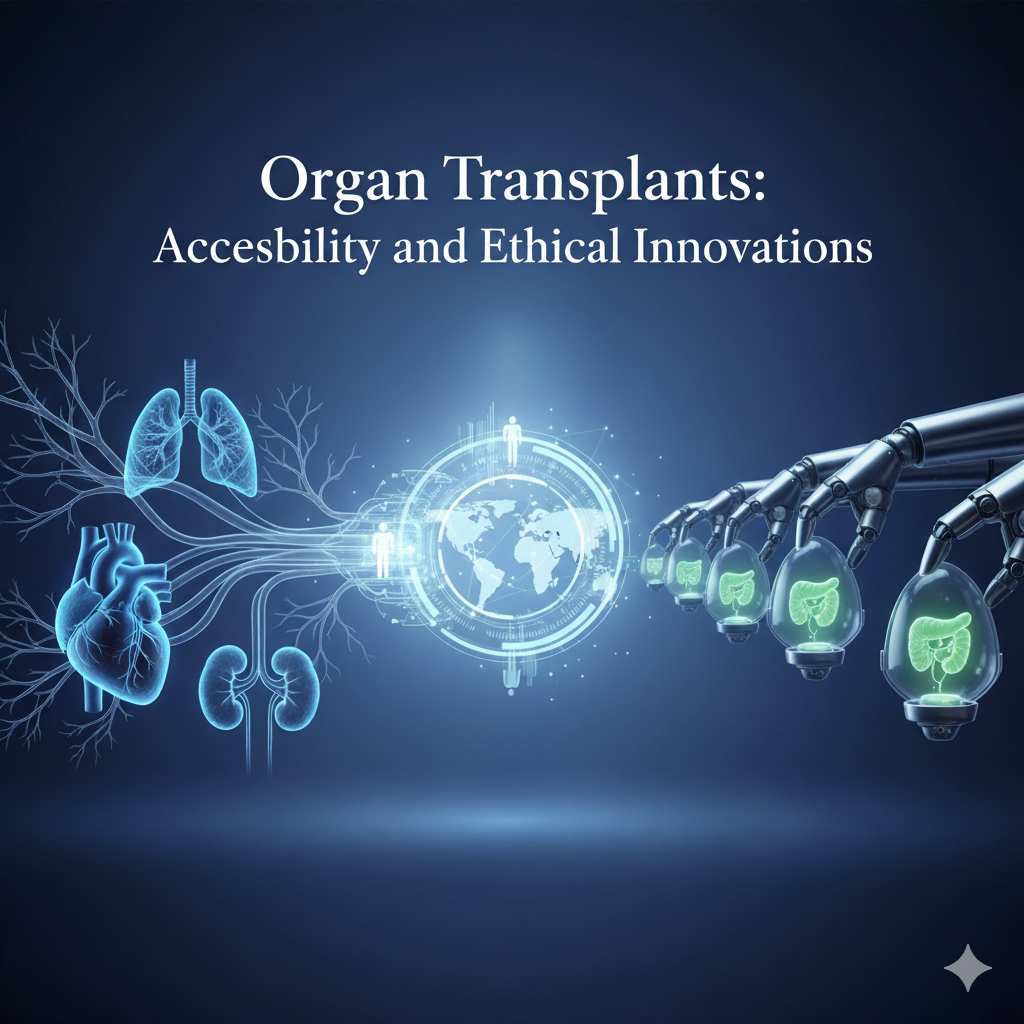
Organ transplantation stands at the intersection of life-saving science and profound ethical responsibility. While advances in surgery and immunology have made transplants more successful than ever, access remains deeply unequal shaped by geography, income, infrastructure, and policy. Millions wait for organs that may never come, exposing gaps in donation systems and healthcare delivery. At the same time, emerging ethical innovations such as improved allocation frameworks, opt-out donation policies, artificial organs, and regenerative medicine are redefining what fairness and possibility look like in this field. As demand continues to outpace supply, the global challenge is no longer just medical but it is moral: how to ensure that the gift of life is distributed with equity, transparency, and humanity.
Table of Contents
ToggleThe Global Transplant Challenge
The Organ Shortage Crisis
A critical shortage of organs creates long waits for patients worldwide. Over 100,000 people in the U.S. alone are on transplant waiting lists, with delays often lasting years. These prolonged waits can worsen health, complicating surgeries when organs become available. Innovative solutions are urgently needed to bridge this gap and save lives.
Financial Barriers to Treatment
Transplant costs can be staggering. In the U.S., kidney transplants range from $400,000 to $500,000, while liver transplants may exceed $800,000. Even with insurance, families face significant expenses for medications and follow-ups. These financial burdens add stress to an already difficult journey, pushing patients to seek affordable alternatives.
Global Solutions for Accessibility
Emerging healthcare hubs offer high-quality transplants at lower costs. Countries like India, Turkey, and Thailand provide advanced care with ethical standards, attracting patients seeking timely and budget-friendly options. These destinations combine medical expertise with affordability, offering a lifeline to those facing barriers at home.
Also Read : Top Oncology Hospitals in India (2026): A Comprehensive Guide for Medical Tourists
Streamlined Transplant Processes
Coordinated Patient Care
Top transplant centers assign dedicated coordinators to guide patients through every step. These professionals manage appointments, tests, and travel logistics, easing stress. This streamlined approach ensures patients focus on healing, not paperwork, making the process smoother and more compassionate.
Rapid and Thorough Evaluations
Advanced centers complete patient assessments in days, not months, using cutting-edge diagnostics for precise donor matching. This efficiency allows earlier interventions, improving outcomes. By leveraging technology, these facilities enhance accuracy and reduce delays, benefiting patients with urgent needs.
Cutting-Edge Surgical Techniques
Modern transplant surgeries use minimally invasive methods, like laparoscopic procedures, reducing pain and recovery time. Robotic systems enhance precision, leading to shorter hospital stays and fewer complications. These advancements help patients and donors return to normal life faster, with less discomfort.
Also Read : India’s New Edge in Cardiac Care: How Minimally Invasive Procedures Are Slashing Recovery Times
Ethical Foundations of Transplantation
Prioritizing Living Donor Safety
Living donor transplants, especially for kidneys and livers, are increasingly common due to organ regeneration. Ethical programs prioritize donor safety with rigorous health and psychological evaluations. Independent teams ensure donations are voluntary, free from coercion, upholding the highest ethical standards.
Robust Legal Protections
Countries with leading transplant programs enforce strict regulations. India’s Transplantation of Human Organs Act, for example, requires independent committees to review donor-recipient pairs, ensuring transparency and preventing unethical practices. These laws build trust and protect all parties involved.
Fair Deceased Donor Systems
Ethical deceased donor programs use clear medical criteria for organ allocation, ensuring fairness. Transparent systems boost public confidence and increase organ availability. By balancing living and deceased donor programs, these centers maximize treatment options while maintaining integrity.
Affordable Transplant Options
Cost Savings Abroad
International centers offer transplants at a fraction of Western costs. Kidney transplants, costing $400,000 in the U.S., range from $20,000 to $35,000 abroad. Liver transplants, often over $800,000, fall between $50,000 and $80,000. These savings make life-saving care accessible to more patients.
Why Costs Are Lower
Lower operational costs, competitive markets, and efficient systems drive affordability without sacrificing quality. Many centers hold international accreditations and employ globally trained staff, using modern equipment. Patients receive world-class care at prices that ease financial burdens, broadening access.
Maintaining High Standards
Affordability does not mean compromise. Accredited hospitals adhere to global protocols, ensuring excellent outcomes. Skilled surgeons and advanced facilities deliver care comparable to Western standards, giving patients confidence in choosing cost-effective international options.
Comprehensive Recovery Support
The Role of Aftercare
Post-transplant care is critical for long-term success. Leading centers offer robust aftercare programs, addressing physical and emotional needs. These comprehensive plans support healing, reduce complications, and improve quality of life, ensuring patients thrive after surgery.
Tailored Nutrition Plans
Dietitians create personalized meal plans to support recovery and manage medication side effects. These plans strengthen immunity and promote healing, with ongoing adjustments to meet evolving needs. Proper nutrition is a cornerstone of successful post-transplant health.
Guided Physical Rehabilitation
Rehabilitation specialists design exercise programs to rebuild strength safely. Starting gently and progressing gradually, these plans are tailored to each patient’s recovery pace. Education on sustainable fitness habits empowers patients to maintain health long-term.
Emotional and Psychological Care
Transplantation can be emotionally taxing. Counseling and support groups help patients and families cope, reducing isolation. These services provide practical strategies for adjusting to post-transplant life, fostering resilience and emotional well-being.
Medication Management Education
Patients receive detailed guidance on immunosuppressant drugs to prevent rejection. Nurses and pharmacists explain dosages, timing, and side effects, ensuring adherence. Ongoing support helps patients manage medications effectively, minimizing risks and supporting transplant success.
Also Read : Breakthroughs in Brain Cancer Treatment for Medical Tourists in India
A Bright Future for Transplant Patients
Innovations Driving Progress
Advances in surgical techniques and anti-rejection drugs are improving transplant outcomes. Minimally invasive methods and precise donor matching enhance success rates, offering patients longer, healthier lives. These innovations reflect medicine’s commitment to progress.
Ethical and Accessible Care
Strong ethical frameworks and affordable options remove barriers to treatment. Transparent practices ensure trust, while cost savings make transplants feasible for more people. Patients no longer face endless waits or financial ruin, thanks to global healthcare advancements.
Holistic Healing in Welcoming Settings
Comprehensive care, blending medical expertise with wellness practices like yoga or nutrition, supports full recovery. Many patients choose destinations offering cultural richness alongside treatment, enhancing their healing journey with a sense of renewal and hope.
Conclusion
The future of organ transplantation is bright, with global hubs offering ethical, affordable, and high-quality care. Streamlined processes, advanced surgeries, and comprehensive aftercare create a new paradigm for patients. By combining medical innovation with compassion, these centers provide not just extended life, but a renewed sense of possibility. For those facing the transplant journey, accessible options worldwide offer hope, healing, and a second chance at life.
| Take the First Step It costs Nothing Share your medical reports with Shifam Health and receive a free, personalized assessment within 24 hours. No commitment. No pressure. Just honest information to help you make the right decision for you and your family. www.shifamhealth.com | contact@shifamhealth.com | WhatsApp: +91 81785 95807 24/7 Support Available | Free Consultation | No Hidden Charges |

Popular Posts From Last Week
- September 18, 2026
- shifamhealth
Written by: Shifam Health Editorial Team — Orthopedic Content Division Medically reviewed by: Shifam Health Clinical Advisory Panel…
- September 16, 2026
- shifamhealth
Ankle valgus deformity is an abnormal alignment in which the ankle tilts toward the outside of the body,…
- September 20, 2026
- shifamhealth
Medically reviewed content · Published 2026 · Last reviewed September 2026 A limb deformity in a child is…
- September 15, 2026
- shifamhealth
Medically reviewed content · Published 2026 · Last reviewed September 2026 Bow legs medically called genu varum —…
- September 14, 2026
- shifamhealth
Medically reviewed content · Published 2026 · Last reviewed September 2026 A “broken ankle” is the common term…
- September 15, 2026
- shifamhealth
Medically reviewed content · Published 2026 · Last reviewed August 2026 A burst fracture is a spinal vertebra…
- September 13, 2026
- shifamhealth
If a lumbar MRI report mentions “kissing spinous processes” or “Baastrup’s disease,” it’s worth pausing before assuming this…
- September 14, 2026
- shifamhealth
Scoliosis is a three-dimensional spinal deformity — sideways curvature combined with rotation — and it is genuinely not…
- September 16, 2026
- shifamhealth
Epithelial ovarian cancer is the most common broad category of ovarian cancer, arising from the cells covering the…
- September 17, 2026
- shifamhealth
Hepatoblastoma is a rare malignant liver tumor that develops primarily in young children, most commonly before age 5….
- September 18, 2026
- shifamhealth
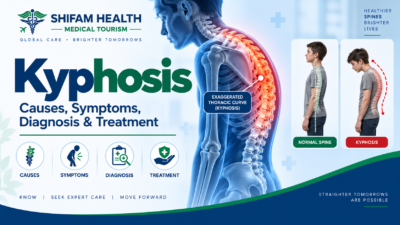
Kyphosis means forward curvature of the spine — and some kyphosis is completely normal anatomy in the mid-back…
- September 19, 2026
- shifamhealth
Lumbar radiculopathy is a neurological syndrome caused by irritation, inflammation, or compression of a nerve root in the…