


When a doctor tells you or someone you love that heart failure has reached the point where a transplant is the only option, the world stops for a moment.
The medical term sounds clinical. But the reality is deeply human — fear, uncertainty, hope, and an overwhelming number of questions.
Where do we go? Can we afford it? Is it safe? Will there be a donor?
These are not small questions. They deserve honest, complete answers.
India has emerged as one of the most advanced and accessible destinations in the world for heart transplant surgery. Hospitals in Chennai, Delhi, Mumbai, Hyderabad, and Bangalore perform cardiac transplants using the same international-standard technology and protocols found in the United States or the United Kingdom — at a fraction of the cost.
This guide is designed specifically for international patients and families seeking clear, patient-friendly information about heart transplant surgery in India.
What Is a Heart Transplant?

A heart transplant is a major surgical procedure in which a diseased or failing heart is replaced with a healthy donor heart. It is typically performed on patients with end-stage heart failure — when all other treatments have been exhausted and the heart can no longer function adequately to sustain life.
The procedure involves removing the patient’s damaged heart and surgically connecting a donor heart from a brain-dead donor. The new heart is matched carefully to the recipient’s blood group and body size.
Heart transplants are considered one of the most complex cardiovascular surgeries in the world, requiring a multidisciplinary team including cardiac surgeons, cardiologists, transplant coordinators, anesthesiologists, and critical care specialists.
Who Needs a Heart Transplant?
A heart transplant is recommended when the heart fails to pump enough blood to meet the body’s needs despite maximum medical therapy and other interventions.
Conditions that may lead to heart transplant:
- Dilated cardiomyopathy — The heart muscle becomes enlarged and weak
- Ischemic cardiomyopathy — Resulting from severe coronary artery disease
- Hypertrophic cardiomyopathy — Abnormal thickening of the heart muscle
- Congenital heart disease — Structural defects present from birth
- Valvular heart disease — Severe valve damage that cannot be repaired
- Viral myocarditis — Infection that causes inflammation and weakening of the heart
- Restrictive cardiomyopathy — Stiffening of the heart muscle
- Failed previous heart surgery — Re-transplantation in select cases
Signs that transplant may be needed:
- Severe breathlessness even at rest
- Repeated heart failure hospitalizations
- Low ejection fraction (typically below 20%)
- Dependence on intravenous heart medications
- Severely reduced quality of life despite maximum therapy
How Does Heart Transplant Surgery Work?
Understanding the procedure helps reduce fear and builds realistic expectations.
1. Evaluation: A thorough cardiac workup is performed including echocardiogram, cardiac catheterization, pulmonary function tests, kidney and liver function tests, and psychological evaluation.
2. Listing: The patient is registered on a transplant waiting list. In India, this is managed through NOTTO (National Organ and Tissue Transplant Organization).
3. Donor matching: When a brain-dead donor becomes available, matching is done based on blood group compatibility, body size, geographic proximity, and urgency.
4. Surgery: The transplant surgery typically takes 4–8 hours. The patient is placed on cardiopulmonary bypass (heart-lung machine) while the damaged heart is removed and the donor heart is sewn into position.
5. ICU recovery: The patient spends 7–14 days in the ICU under intensive monitoring for rejection, infection, and organ function.
6. Hospital discharge: Most patients are discharged in 3–4 weeks post-surgery, depending on recovery.
7. Follow-up: Lifelong immunosuppressive medications and regular cardiac monitoring are required.
Heart Transplant Cost in India — Complete Breakdown
This is the section most patients and families are looking for. Let’s be completely transparent.
Overall Cost Range
| Category | Approximate Cost (USD) |
|---|---|
| Standard Heart Transplant Package | USD 25,000 – USD 40,000 |
| Complex Cases / Complications | USD 40,000 – USD 55,000 |
| Pediatric Heart Transplant | USD 22,000 – USD 45,000 |
These figures represent the surgery and hospital stay. Additional costs exist for pre-transplant evaluation, post-discharge medications, and follow-up.
Detailed Cost Breakdown
| Cost Component | Approximate Cost (USD) |
|---|---|
| Pre-transplant Investigations | 800 – 2,000 |
| Donor Matching Tests | 300 – 600 |
| Surgery and Operation Theatre | 8,000 – 15,000 |
| Surgeon and Anaesthesia Fees | 3,000 – 6,000 |
| ICU Stay (7–14 Days) | 6,000 – 12,000 |
| Hospital Ward Stay (2–3 Weeks) | 3,000 – 5,000 |
| Post-operative Medications (In-hospital) | 2,000 – 4,000 |
| Immunosuppressants (3 Months Supply) | 1,500 – 3,500 |
| Cardiac Rehabilitation | 500 – 1,000 |
| Follow-up Consultations | 200 – 500 |
| Total Estimated (Surgery to Discharge) | USD 25,000 – USD 50,000 |
Factors That Affect the Final Cost
Several variables influence the final bill:
- Complications during surgery — If additional procedures are needed, costs rise
- Duration of ICU stay — Longer ICU care increases costs significantly
- Hospital tier — Premium JCI-accredited hospitals cost more than mid-tier facilities
- City — Delhi and Mumbai tend to be slightly more expensive than Hyderabad or Chennai
- Patient age and overall health — Comorbidities like kidney disease or diabetes require more intensive monitoring
- LVAD bridging — If a patient needed an LVAD before transplant, this adds to total cost
- Repeat transplantation — Re-transplants are significantly more complex and expensive
- Pediatric cases — Specialized pediatric cardiac surgery teams and facilities affect cost
Ongoing Medication Costs Post-Transplant
This is a cost many patients underestimate. Immunosuppressive medications are required for life after heart transplant to prevent rejection.
| Medication Category | Monthly Cost in India (USD) |
|---|---|
| Tacrolimus or Cyclosporine | 80 – 200 |
| Mycophenolate Mofetil | 40 – 100 |
| Corticosteroids (Reducing Dose) | 10 – 30 |
| Other Cardiac Medications | 30 – 80 |
| Total Monthly Medication Cost | ~USD 150 – 400 |
India offers a significant advantage here. Immunosuppressant medications are substantially cheaper in India than in most Western countries, reducing the long-term financial burden for patients who wish to remain in India or return for follow-up.
Top Hospitals for Heart Transplant in India
Apollo Hospitals

- Leading heart transplant programs in Chennai, Delhi, Hyderabad, and Bengaluru
- JCI-accredited campuses with advanced cardiac ICUs
- High-volume transplant center with strong international patient services
- Excellent cardiac rehabilitation and post-transplant care
Fortis Escorts Heart Institute

- One of India’s pioneering cardiac transplant centers
- Experienced transplant surgeons and advanced critical care infrastructure
- Strong expertise in complex heart surgeries and mechanical cardiac support
- NABH and JCI-accredited facility
Also Read:
Fortis Escorts Heart Institute Delhi: Why International Patients Choose It for Major Heart Treatment
Medanta

- Renowned cardiac sciences and transplant department
- Advanced LVAD and mechanical heart support programs
- Strong post-transplant monitoring and rehabilitation support
- JCI-accredited hospital with dedicated international patient team
Max Super Speciality Hospital
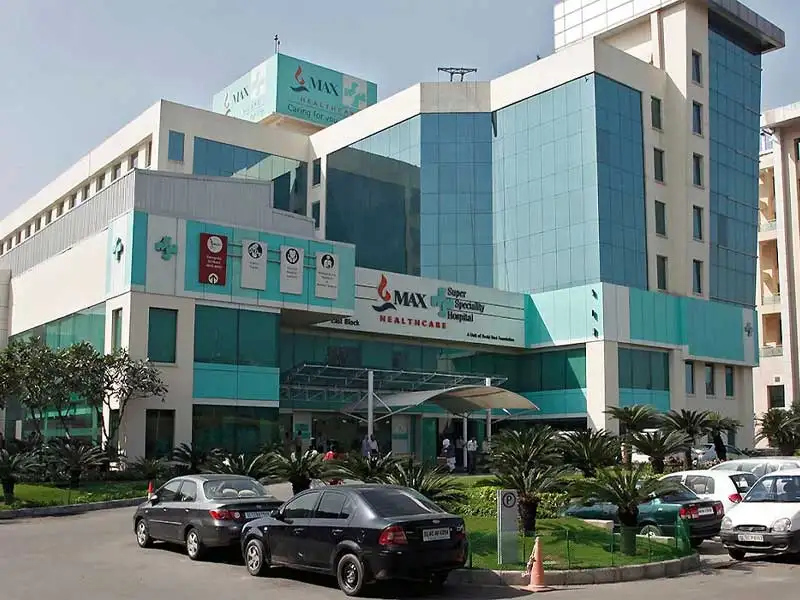
- Experienced cardiac transplant and heart failure specialists
- Modern operation theatres and advanced ICU support
- Dedicated international patient coordination and rehabilitation services
- Well-known for comprehensive cardiac care in Delhi NCR
Heart Transplant Success Rate in India
This is one of the most important questions families ask, and they deserve a direct, honest answer.
Global heart transplant survival rates (approximately):
| Time Period | Survival Rate (Global Average) |
|---|---|
| 1 Year | 80–85% |
| 5 Years | 70–75% |
| 10 Years | 50–60% |
India’s leading transplant centers report outcomes comparable to international standards, with major hospitals publishing 1-year survival rates in the 80–90% range for selected patients.
Key factors influencing outcomes in India include:
- Surgical expertise — experienced teams at major centers have outcomes that match international benchmarks
- ICU quality — high-level cardiac intensive care is available at top centers
- Infection control — a critical priority post-transplant
- Patient compliance with immunosuppressant therapy
- Early post-transplant rejection surveillance
India’s success rates for heart transplant have improved significantly over the past decade, as transplant volumes have increased and surgical teams have accumulated experience. Patients should discuss expected outcomes specific to their condition with their transplant team.
Recovery After Heart Transplant
Recovery is a journey that continues for months and years. Setting realistic expectations is important for patients and families.
ICU Phase (Days 1–14):
- Continuous cardiac monitoring
- Ventilator support for initial days
- Immunosuppression started immediately
- Close monitoring for early rejection
- Echocardiography to assess new heart function
- Gradual weaning from medications
Ward Phase (Weeks 2–4):
- Gradual mobilization begins
- Oral medications established
- Dietary adjustments
- Infection prevention protocols
- Cardiac rehabilitation exercises begin
- Education on medication compliance
Discharge and Home Phase (Month 1–3):
- Regular clinic visits (initially weekly)
- Biopsy of heart tissue (endomyocardial biopsy) to check for rejection
- Close laboratory monitoring
- Dietary and activity restrictions
- No driving for initial weeks
- Strict infection avoidance
International patients are generally advised to remain in India for 6–8 weeks after surgery before considering travel. Return follow-up can subsequently be managed via telemedicine in many cases, with periodic visits to India for endomyocardial biopsies.
Long-term lifestyle after transplant:
- Regular exercise (gradually introduced)
- Heart-healthy diet
- Lifelong immunosuppressive medications
- Avoidance of infections
- Annual cardiac surveillance
- Blood pressure and kidney monitoring (immunosuppressants affect kidney function over time)
- Skin cancer surveillance (immunosuppression increases skin cancer risk)
Life Expectancy After Heart Transplant
Many patients ask simply: How long will I live after a heart transplant?
The honest answer is that outcomes vary based on age, the underlying condition, complications during and after surgery, and long-term compliance.
However, the following is established:
- Median survival after heart transplant is approximately 12–13 years globally
- Patients who survive the first year have a median survival of approximately 13–15 years
- Some patients live 20–25 years or longer after transplantation
- Younger patients tend to have better long-term outcomes
Importantly, quality of life improves dramatically for most recipients. Patients who were previously bedridden or dependent on intravenous medications are often able to return to active, productive lives within 6–12 months of transplant.
India vs USA vs Turkey — Cost Comparison
| Parameter | India | USA | Turkey | UK |
|---|---|---|---|---|
| Average Transplant Cost | USD 25,000–50,000 | USD 1,000,000–1,500,000 | USD 60,000–100,000 | NHS only (private: £250,000+) |
| Waiting Time | Shorter | Very long (1–3 years) | Moderate | Very long |
| Surgeon Experience | High | Very high | Moderate–high | Very high |
| Hospital Quality | International standard at top centers | International standard | Good international standard | International standard |
| International Patient Accessibility | Excellent | Complex | Good | Limited |
| Medical Visa Process | Straightforward | Difficult | Easier | Complex |
| Post-transplant Medication Cost | Low | Very high | Moderate | High |
The cost difference between India and the USA is remarkable. A transplant that costs USD 1 million or more in the United States can be performed at an internationally accredited Indian hospital for USD 25,000–40,000 — a saving of over 95% — with comparable outcomes at the best centers.
Even compared to Turkey, which has grown as a medical tourism destination, India offers competitive pricing with a deeper ecosystem of specialized cardiac transplant hospitals.
International Patient Support in India
Top Indian hospitals have developed comprehensive international patient programs to make the journey as smooth as possible.
Services typically available:
- Medical visa assistance — Hospitals provide formal invitation letters for medical visa applications
- International patient coordinators — Dedicated staff who speak Arabic, Bengali, French, Swahili, and other languages
- Medical report evaluation — Pre-arrival review of records to determine eligibility
- Airport pickup and transfer — Coordinated by the hospital’s international services team
- Accommodation assistance — Guest houses, serviced apartments, and hotel tie-ups near the hospital
- Attendant support — Facilities for family members accompanying patients
- Teleconsultation — Pre-arrival and post-discharge video consultations with surgeons
- Insurance coordination — Assistance with medical insurance claims
Medical visa for heart transplant:
India offers the medical visa (M-Visa) specifically for patients seeking treatment. This visa is valid for 1 year with multiple re-entry options, which is important for patients who need to return for follow-up. A medical attendant visa (MX-Visa) is available for accompanying family members.
Conclusion
A heart transplant is one of the most significant medical decisions a person or family will ever face. The weight of that decision deserves complete, honest, and compassionate information not vague reassurances or overwhelming medical jargon.
India offers something genuinely remarkable: world-class cardiac transplant surgery at a cost that is accessible to international patients, performed by experienced surgeons at internationally accredited hospitals, with a support system built specifically for patients traveling from far away.
The cost savings compared to the USA or Western Europe are not a compromise on quality. They reflect lower operational costs, a favourable economy, and India’s deliberate investment in making advanced healthcare accessible.
If you or a family member is exploring heart transplant surgery in India, the next step is straightforward: share your medical reports with a trusted facilitator, receive a proper evaluation, and speak with a transplant specialist before making any decision.
You deserve the best possible care. And in India, that care is within reach.
FAQs About Heart Transplant in India
What is the cost of heart transplant in India?
Heart transplant surgery in India typically costs USD 25,000–50,000, much lower than in the USA or Europe.
Which hospitals are best for heart transplant?
Leading hospitals include Apollo Hospitals, Medanta, Fortis Escorts Heart Institute, and Narayana Health.
Can international patients receive heart transplants in India?
Yes. International patients can legally undergo heart transplant surgery under NOTTO guidelines.
What is the success rate?
Top Indian centers report 1-year survival rates of around 80–90%, comparable to international standards.
How long is the waiting time?
Waiting time depends on blood group and urgency. Critically ill patients may receive donor hearts within days or weeks, while stable patients may wait several months.
Is heart transplant cheaper in India than the USA?
Yes. The same surgery may cost over USD 1 million in the USA compared to USD 25,000–50,000 in India.
How long should patients stay in India?
Most international patients stay 6–12 weeks after surgery for recovery and follow-up monitoring.
Can children receive heart transplants in India?
Yes. Hospitals like Apollo, Fortis Escorts, and Medanta perform pediatric heart transplants.
What are the main risks after transplant?
Major risks include rejection, infection, and complications from lifelong immunosuppressive medications.
How long can patients live after heart transplant?
Many patients live 10–20 years or longer with proper follow-up and medication compliance.