


Medical Tourism in Malaysia 2026: Complete Guide for International Patients
Filters & Insights
Written By :
Medically Reviewed By :

Shifam Health Medical Team
Shifam Health - Medical Reviews Department
10+ Years Of Experience
Planning medical treatment in Malaysia? Read our complete guide covering top hospitals, treatment costs, doctors, visa requirements, and everything international patients need to know.
📅
Last updated: May 13, 2026

Every year, hundreds of thousands of people leave their home countries not for a holiday, but to get better.
They travel to find surgeons with the right expertise, hospitals with advanced technology, and treatments they can actually afford. Malaysia has become one of those destinations quietly but consistently earning its place among Asia’s most trusted healthcare hubs.
Medical tourism in Malaysia refers to international patients traveling to the country specifically to access medical treatment, surgical procedures, diagnostic services, or wellness care. Since 2011, Malaysia’s medical tourism sector has grown significantly. In 2019 alone, approximately 1.22 million international patients traveled to Malaysia for medical purposes — a number that reflects both the quality and the trust Malaysia has built with patients worldwide.
What makes this particularly interesting is that Malaysia isn’t just attracting patients from neighboring countries. People are traveling from the Middle East, Africa, Europe, and even Western nations like the United States and Australia. Choosing Malaysia over their own healthcare systems for both cost and quality reasons.
Table of Contents
ToggleWhy Malaysia Is One of Asia’s Top Medical Destinations
Malaysia’s rise as a medical tourism destination didn’t happen overnight. It’s the result of deliberate investment in healthcare infrastructure, training of internationally qualified specialists, and a genuine commitment to patient experience.
Here’s what sets Malaysia apart from most other medical travel destinations:
Internationally Trained Specialists Many of Malaysia’s top doctors completed their training at world-renowned medical schools in the UK, USA, Australia, and Ireland. They bring global expertise home and apply it with a deep understanding of local and international patient needs.
Advanced Medical Facilities Malaysian private hospitals are equipped with some of the most sophisticated medical technology in Asia. From 640-slice CT scanners to robotic surgery systems and advanced oncology units, the infrastructure matches — and in some cases rivals — hospitals in Western countries.
Government-Supported Medical Tourism Program Malaysia actively promotes healthcare tourism through the Malaysia Healthcare Travel Council (MHTC), a government body dedicated to supporting international patients. This gives the sector formal structure, accountability, and quality oversight.
English as a Common Language Unlike many other Asian medical destinations, English is widely spoken across Malaysia — in hospitals, clinics, and daily life. Communication is rarely a barrier for international patients.
Multicultural and Welcoming Environment Malaysia is home to Malay, Chinese, Indian, and various indigenous communities. This cultural diversity creates a naturally inclusive, respectful environment for patients from all backgrounds, religions, and ethnicities.
Shorter Waiting Times In countries like the UK and Canada, patients can wait months for non-urgent procedures. In Malaysian private hospitals, appointments are available quickly, and procedures are scheduled based on the patient’s timeline — not a government waiting list.
Key Benefits of Choosing Malaysia for Medical Treatment
Let’s be direct about what international patients actually care about when choosing a medical destination: quality, cost, safety, and experience. Malaysia delivers across all four.
Cost Savings Without Compromising Quality
Patients from the United States, UK, and Australia can typically save 60% to 80% on medical procedures in Malaysia compared to their home countries. This isn’t about receiving second-rate care — it’s about a lower cost of living, lower operational costs for hospitals, and a different pricing structure that works in the patient’s favor.
Even private health insurance in Malaysia is affordable. Basic coverage can cost as little as $400 per year, covering everything from colonoscopies to routine surgeries.
Access to Specialists Without Long Delays
In Malaysia’s private healthcare sector, you don’t wait six months to see a cardiologist or three months for an MRI. Patients can often get consultations within days and schedule procedures within weeks.
All-Inclusive Patient Experience
Malaysian hospitals understand that international patients need more than just medical care. Many hospitals offer dedicated international patient services that include visa assistance, airport transfers, translation services, accommodation recommendations, and post-treatment follow-up support.
Beautiful Recovery Environment
Malaysia is a genuinely beautiful country. For patients who need recovery time after treatment, there are tropical islands, lush rainforests, modern cities, and warm hospitality making recovery feel less like a medical process and more like a healing experience.
Most Popular Treatments for International Patients
Malaysia has developed strong capabilities across a wide range of medical specialties. These are the procedures and treatments most commonly sought by international patients:
Cardiology and Cardiac Surgery Heart procedures including coronary angioplasty, bypass surgery (CABG), valve replacement, and interventional cardiology are among the most sought-after treatments. Malaysia’s cardiac centers are equipped with high-precision catheterization labs and experienced cardiac teams.
Oncology and Cancer Treatment Cancer care in Malaysia includes chemotherapy, radiation therapy, immunotherapy, targeted therapy, and surgical oncology. Several hospitals have dedicated cancer centers with multidisciplinary tumor boards.
Orthopedic Surgery Total knee replacement, total hip replacement, spinal surgery, ACL reconstruction, and joint preservation procedures are frequently performed for international patients seeking affordable orthopedic care.
IVF and Fertility Treatment Malaysia’s IVF success rates are competitive with global standards, and the cost is a fraction of what patients pay in the US or Europe. Fertility clinics offer advanced options including ICSI, egg freezing, and embryo banking.
Neurology and Neurosurgery Brain tumor surgery, epilepsy treatment, deep brain stimulation, and spinal cord procedures are available at specialized neuroscience centers.
Cosmetic and Aesthetic Surgery Rhinoplasty, liposuction, breast augmentation, facelifts, and other cosmetic procedures attract patients from across the region who want quality results at a realistic price.
Ophthalmology LASIK, cataract surgery, corneal transplants, and other vision correction procedures are available at internationally equipped eye centers.
Dental Treatment Dental implants, veneers, full-mouth rehabilitation, and cosmetic dentistry at a fraction of Western prices make Malaysia a popular dental tourism destination as well.
Treatment Cost Comparison: Malaysia vs USA and Other Countries
One of the most compelling reasons to consider Malaysia is the dramatic difference in treatment costs. Here is a straightforward comparison:
| Treatment | USA | UK | Malaysia |
|---|---|---|---|
| IVF Treatment | $12,000 | $8,000 | $5,000 |
| Cardiac Bypass Surgery | $123,000 | $22,000 | $12,100 |
| Total Knee Replacement | $19,995 | $15,000 | $7,165 |
| Hip Replacement | $32,000 | $18,000 | $8,500 |
| Rhinoplasty (Nose Job) | $8,000 | $6,000 | $3,000 |
| Cataract Surgery | $3,500 | $2,800 | $1,200 |
| Dental Implant (per tooth) | $4,000 | $3,000 | $1,000 |
Costs are approximate and vary based on hospital, doctor, and individual case complexity.
These numbers tell a clear story. Even when you factor in flights and accommodation, the total cost of treatment in Malaysia is typically far lower than receiving the same procedure in the USA or UK.
Top Hospitals in Malaysia for International Patients
All private hospitals in Malaysia are regulated under the Healthcare Facilities and Services Act 1998 and the Private Healthcare Facilities and Services Regulation 2006. Many are accredited by both national and international bodies recognized by the International Society for Quality in Healthcare (ISQua).
Here are the leading hospitals serving international patients:
1. Gleneagles Hospital Kuala Lumpur
One of Malaysia’s most prominent private hospitals and among the first in the country to receive Joint Commission International (JCI) accreditation. Gleneagles KL serves thousands of international patients annually and is known for its cardiology, oncology, and orthopedic departments. The hospital’s international patient services team supports patients from arrival through discharge and follow-up.
2. Subang Jaya Medical Centre (SJMC)
A two-time winner of Malaysia’s Prime Minister’s Quality Award for private hospitals — the only hospital in the country to achieve this distinction twice. SJMC is recognized for clinical excellence, patient safety standards, and advanced surgical capabilities.
3. Sunway Medical Centre, Petaling Jaya
Sunway Medical offers a comprehensive range of specialist services including 24-hour emergency care, inpatient and outpatient specialty clinics, advanced diagnostics, and health screening programs. It is particularly well-regarded for its cancer care and cardiology services.
4. ParkCity Medical Centre, Kuala Lumpur
A modern 300-bed multidisciplinary hospital providing round-the-clock medical care with advanced pathology, imaging, and surgical facilities. ParkCity is known for patient-centered care and a comfortable healing environment.
5. KPJ Ampang Puteri Specialist Hospital, Ampang
Fully accredited by the Malaysian Society for Quality in Health (MSQH), KPJ Ampang Puteri holds the distinction of being the first private hospital to achieve full MSQH accreditation for six consecutive four-year terms (through 2016–2020). This reflects consistent quality and reliability in patient care.
6. Pantai Hospital Ayer Keroh, Malacca
A well-established hospital with over 200 beds, supported by more than 100 medical specialists. Pantai Malacca was the first hospital in Malacca to install a 640-slice CT scanner, enabling high-precision diagnostics with reduced radiation exposure.
Top Doctors in Malaysia
Malaysia’s medical community includes highly trained specialists who have practiced internationally and returned to serve patients in Malaysia. Here are some of the recognized names in Malaysian healthcare:
Dr. Yee Kok Meng — Interventional Cardiologist With 20 years of experience, Dr. Yee specializes in complex angioplasty, renal artery denervation, and intracoronary stem cell therapies. He is considered one of Malaysia’s leading interventional cardiologists.
Dato’ Dr. Abdul Wahab Abdul Ghani — Orthopaedic and Joint Replacement Surgeon With 34 years of experience, Dato’ Dr. Abdul Wahab specializes in foot and ankle surgery as well as hand and wrist surgery. His long career and patient outcomes have established him as one of Malaysia’s most trusted orthopedic surgeons.
Dr. HJ Nik Isahak Wan Abdullah — Cardiac Surgeon A cardiac surgeon with more than 30 years of experience, Dr. Nik Isahak has successfully performed numerous complex heart surgeries and is known for his precision and patient outcomes.
Dr. Wong Yee Choon — Neurologist With 20 years of expertise, Dr. Wong specializes in epilepsy, Parkinson’s disease, and neuromuscular disorders. He is among Malaysia’s well-respected neurologists.
Dr. Ganesalingam Kanagasabai — Medical Gastroenterologist Bringing more than 18 years of gastroenterology experience, Dr. Ganesalingam is known for his comprehensive approach to digestive health and complex GI conditions.
Dr. Abdul Fahmi A. Karim — General Surgeon A general surgeon with over 33 years of experience across a wide range of surgical procedures, Dr. Abdul Fahmi has established a strong reputation for surgical precision and patient care.
How to Choose the Right Hospital in Malaysia
Choosing where to receive medical care abroad is one of the most important decisions you will make. Here are the six key factors to evaluate:
1. Accreditation and Credentials Always verify whether the hospital holds international accreditation — particularly JCI (Joint Commission International) or MSQH certification. Accredited hospitals meet strict standards for patient safety, hygiene, clinical protocols, and staff qualifications.
2. Specialty Alignment Choose a hospital that has a dedicated department for your specific procedure. A hospital that specializes in your condition will have more experienced teams, more advanced equipment, and better-defined protocols for your treatment.
3. Treatment Cost Transparency Request a detailed cost estimate before committing. Reputable hospitals will provide a breakdown covering consultation, diagnostics, procedure, hospital stay, anesthesia, and follow-up care. Avoid hospitals that give vague pricing.
4. International Patient Services Look for hospitals with a dedicated international patient department. This team should handle appointment scheduling, documentation, visa letters, language support, accommodation guidance, and communication throughout your journey.
5. Patient Reviews and Outcomes Research actual patient experiences. Look for detailed reviews on independent platforms and ask your medical travel facilitator for outcome data or patient references when possible.
6. COVID-19 and Infection Control Protocols Confirm that the hospital follows current infection control standards. Ask about patient isolation procedures, sterilization protocols, and hygiene standards — especially relevant for surgical and immunocompromised patients.
Malaysia Medical Visa and Travel Requirements
Does Malaysia Require a Medical Visa?
Malaysia does not have a specific standalone “medical visa” category in the traditional sense. However, international patients traveling for medical treatment typically enter on a tourist or social visit pass, which allows stays of varying durations depending on your nationality. For longer treatment courses, an extended pass can be arranged.
Previously, travelers needed approval through the MyEntry or MyTravelPass platforms. Entry requirements have evolved significantly post-pandemic, so it is always advisable to check the current requirements through the Malaysian Immigration Department or your nearest Malaysian embassy before travel.
Documents Required for Medical Travel to Malaysia
Before traveling to Malaysia for medical treatment, ensure you have the following documents ready:
- Valid passport (minimum 6 months validity beyond your planned departure date)
- Malaysia entry visa or visa-on-arrival approval (depending on nationality)
- Letter of appointment or treatment confirmation from your Malaysian hospital
- Proof of sufficient funds for your stay and treatment
- Return ticket or onward travel proof
- Completed arrival card
- Entry pass as applicable
- Downloaded MySejahtera app (required for health tracking upon entry — check if still mandated at time of travel)
Who Can Travel to Malaysia
Currently, Malaysia is open to general international travel. Entry requirements vary by nationality, and some countries benefit from visa-free or visa-on-arrival arrangements. Specific categories such as permanent residents, long-term pass holders, diplomatic passport holders, and business travelers have dedicated entry pathways.
Always verify current entry requirements with your country’s Malaysian embassy or the official Malaysia Immigration Department website before booking.
Accommodation and Recovery in Malaysia
Malaysia offers an exceptional range of accommodation choices that suit every budget and recovery need. Whether you’re looking for a serviced apartment close to your hospital, a comfortable hotel for your accompanying family member, or a luxury resort for recovery after your procedure — Malaysia has it all.
Near Hospital Accommodation Many international patients stay in hotels or serviced apartments within walking distance or a short drive from their treatment hospital. Several hospitals maintain partnerships with nearby accommodations and can assist with booking.
Budget to Luxury Options From clean and comfortable budget accommodations to five-star hotels, Malaysia’s accommodation costs are significantly lower than those in the UK, USA, or Australia. Your recovery doesn’t have to feel like an expense — it can feel like a retreat.
Food and Nutrition Malaysia offers extraordinary food variety — Chinese, Indian, Malay, Japanese, Korean, Italian, Middle Eastern, and more. Patients with dietary requirements, religious restrictions (halal, vegetarian, etc.) will find no shortage of suitable options. The country’s multicultural makeup ensures that nearly every cultural preference is accommodated.
Sightseeing and Gentle Recovery Activities Once your medical team clears you for gentle activity, Malaysia offers beautiful options for slow recovery — coastal walks, tropical islands, peaceful gardens, and world-class shopping malls. Cities like Kuala Lumpur are walkable and well-connected, making it easy to explore at your own pace.
Is Malaysia Safe for Medical Tourists?
Malaysia is considered one of the safest destinations in Asia for international patients. The country has a stable political environment, low crime rates in tourist and medical areas, and a well-regulated private healthcare sector.
Medical institutions are licensed under national law and are subject to regular inspection and accreditation reviews. International patients are protected by the same regulations that apply to local patients, and hospitals with JCI or MSQH accreditation have undergone rigorous external quality assessment.
English proficiency among medical staff is high, which significantly reduces communication-related risks during diagnosis, consent, and treatment.
As of 2019, Malaysia had approximately 68,000 registered doctors, ranking it tenth in Asia for the average number of physicians per 1,000 inhabitants, a strong indicator of healthcare capacity and depth.
Common Mistakes to Avoid When Seeking Medical Treatment in Malaysia
Not verifying hospital accreditation Choosing a facility based on price alone without checking accreditation can be risky. Always confirm JCI or MSQH status.
Failing to get a detailed cost estimate in writing Verbal quotes are not enough. Request a written breakdown of all anticipated costs before committing to treatment.
Not checking visa requirements in advance Entry requirements vary by nationality and can change. Research and prepare documentation well in advance of your travel date.
Traveling without adequate travel insurance Standard travel insurance may not cover medical treatment abroad. Ensure your coverage includes medical treatment, evacuation, and repatriation if needed.
Not asking about post-treatment follow-up Understand how your Malaysian medical team will coordinate with your home country doctor after you return. Good hospitals have telemedicine follow-up options.
Underestimating recovery time Don’t book your return flight too soon after a major procedure. Discuss realistic recovery timelines with your doctor before setting your travel schedule.
How Shifam Health Can Help You Plan Your Medical Trip to Malaysia
Planning medical treatment in a foreign country involves more than finding the right hospital. You need to navigate appointments, documentation, costs, visas, accommodation, and communication all while managing a health concern.
Shifam Health supports international patients through every stage of this journey. From the moment you share your medical reports, our team reviews your case, identifies the right hospitals and specialists, provides a transparent cost estimate, and coordinates your complete medical travel experience.
We help patients from Bangladesh, the Middle East, Africa, and beyond access world-class treatment whether in India, Malaysia, or other leading medical destinations.
Conclusion
Malaysia offers international patients something genuinely valuable: world-class medical care in an accessible, affordable, and welcoming environment. Whether you are considering a complex cardiac procedure, fertility treatment, orthopedic surgery, or simply seeking a second opinion from a highly qualified specialist, Malaysia’s healthcare system is equipped to meet your needs.
With internationally accredited hospitals, experienced specialists, transparent costs, and a multicultural, English-friendly environment — Malaysia deserves serious consideration as your medical travel destination.
Take your time to research, verify credentials, and plan properly. And when you’re ready, the right team and the right hospital are waiting to take care of you.
Frequently Asked Questions About Medical Tourism in Malaysia
Is Malaysia a good country for medical treatment?
Yes. Malaysia is one of Asia’s leading medical tourism destinations, offering accredited hospitals, experienced specialists, and affordable treatment.
How much can I save compared to the USA?
Patients usually save 60–80% on treatment costs. For example, heart bypass surgery may cost around USD 12,000 in Malaysia versus over USD 120,000 in the USA.
Do Malaysian hospitals speak English?
Yes. English is widely spoken in private hospitals by doctors, nurses, and international patient coordinators.
Are Malaysian hospitals internationally accredited?
Yes. Many hospitals hold Joint Commission International (JCI) accreditation and follow international healthcare standards.
Do I need a medical visa for Malaysia?
Most patients enter Malaysia on a tourist or social visit pass. Requirements vary depending on nationality.
What documents are needed for treatment in Malaysia?
You typically need a valid passport, visa approval if required, hospital appointment confirmation, proof of funds, and return ticket.
Is Malaysia safe for international patients?
Yes. Malaysia is considered safe, with government-regulated private hospitals and strong patient safety standards.
What treatments are most popular in Malaysia?
Cardiac surgery, IVF, orthopedics, oncology, neurology, cosmetic surgery, and dental care are among the most common.
Can family members accompany patients?
Yes. Family attendants are allowed, and accommodation near hospitals is widely available.
Important links:



Popular Posts From Last Week
- October 23, 2026
- shifamhealth
A fluttering chest, a sudden racing heartbeat or a skipped beat can be frightening, and it is hard…
- October 25, 2026
- shifamhealth
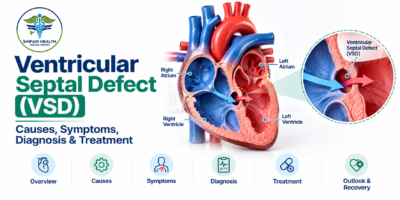
What is a ventricular septal defect? A ventricular septal defect (VSD) is an opening in the wall (septum)…
- October 22, 2026
- shifamhealth
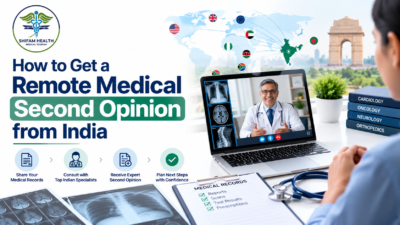
A remote medical second opinion from India allows patients living in the USA, UK and other countries to…
- October 21, 2026
- shifamhealth
When you receive treatment estimates from two hospitals in India, do not compare only the final amounts. To…
- October 22, 2026
- shifamhealth
An itemized hospital quote in India should clearly explain the expected cost of treatment by separating major charges,…