



Bone marrow transplant is not a minor procedure. It is one of the most complex, emotionally intense, and medically demanding treatments in modern medicine. When a doctor tells a patient or the parent of a child that a bone marrow transplant is needed, the first questions that follow are almost always the same.
Where do we go? Which hospital is best? Can we afford this? Is treatment abroad safe?
These are not just medical questions. They are questions that carry the full weight of love, fear, and hope.
This guide was written to answer them honestly.
If you are researching bone marrow transplant treatment for yourself or a loved one and need to find a hospital that combines genuine medical excellence with affordability, this is the most comprehensive international comparison you will find. We have analyzed hospitals across India, Turkey, Thailand, Malaysia, Singapore, South Korea, and Germany comparing costs, success rates, transplant expertise, infection control standards, international patient support, and much more.
The goal is simple: to help you make the most important medical decision of your life with clarity and confidence.
What Is Bone Marrow Transplant?
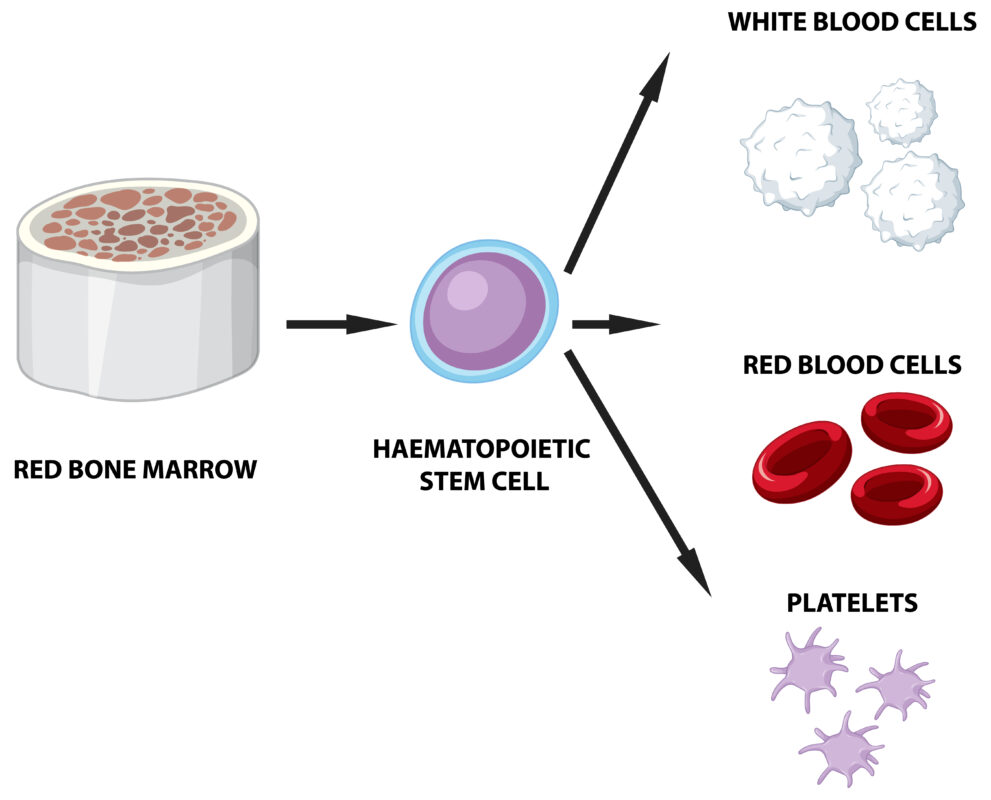
Bone marrow is the soft, spongy tissue inside bones that produces blood cells, red blood cells, white blood cells, and platelets. When disease, cancer treatment, or genetic disorders destroy or damage this tissue, a bone marrow transplant (BMT) also called a stem cell transplant (SCT) can restore it.
In a Bone Marrow Transplant (BMT), healthy stem cells are infused into the patient’s bloodstream. These cells travel to the bone marrow, establish themselves, and begin producing healthy blood cells again. Depending on the source of those stem cells, the procedure is classified differently.
BMT is a life-saving procedure for many blood cancers and disorders. When performed at experienced, high-volume centers, it offers patients a genuine second chance.
Types of Bone Marrow Transplant
Understanding the different types of transplant helps patients know what their treatment involves and why costs and complexity vary.
Autologous Transplant
The patient’s own stem cells are collected before high-dose chemotherapy, preserved, and then reinfused afterward. There is no donor required. This type carries a lower risk of rejection and is commonly used for multiple myeloma and certain lymphomas.
Allogeneic Transplant
Stem cells come from a donor either a matched sibling, an unrelated matched donor from a registry, or a partially matched (haploidentical) family member. This is the most complex type and carries risks of graft-versus-host disease (GvHD), but it also carries the beneficial graft-versus-tumor effect, which actively attacks residual cancer cells.
Haploidentical Transplant
A half-matched family member (parent, sibling, or child) serves as the donor. Advances in haploidentical protocols have made this option increasingly viable, particularly for patients without fully matched donors.
Cord Blood Transplant
Stem cells from umbilical cord blood collected at birth are used. This option is particularly relevant for pediatric patients and those from ethnic backgrounds with limited donor registry representation.
Diseases Treated with Bone Marrow Transplant
BMT is used to treat a wide range of serious blood conditions:
Blood Cancers:
- Acute Myeloid Leukemia (AML)
- Acute Lymphoblastic Leukemia (ALL)
- Chronic Myeloid Leukemia (CML)
- Hodgkin Lymphoma
- Non-Hodgkin Lymphoma
- Multiple Myeloma
Non-Malignant Blood Disorders:
- Aplastic Anemia
- Thalassemia Major
- Sickle Cell Disease
- Myelodysplastic Syndrome (MDS)
- Severe Combined Immunodeficiency (SCID)
Pediatric patients with thalassemia and aplastic anemia represent a significant portion of international patients traveling to India and other destinations for BMT, as cure rates for these non-malignant conditions with well-matched donors are excellent.
Why Patients Travel Abroad for Bone Marrow Transplant
The decision to seek BMT treatment abroad is usually driven by a combination of factors:
Cost: In Western countries, bone marrow transplant can cost between USD 200,000–USD 400,000 or more. In India, the same procedure may cost USD 18,000–USD 35,000 representing savings of 80–90%.
Lack of availability at home: Many countries in Africa, the Middle East, and parts of Asia do not have established BMT programs. Patients have no choice but to travel for treatment.
No waiting lists: Countries with national health systems often have significant waiting times for BMT. In India and Turkey, treatment can begin within days of arrival.
Access to advanced programs: Some of the world’s most advanced haploidentical transplant protocols, pediatric BMT programs, and CAR-T cell therapies are available in India and other medical tourism destinations at a fraction of Western costs.
Quality of care: India’s top BMT centers perform hundreds of transplants annually, and high-volume experience directly correlates with better outcomes.
Factors That Affect Bone Marrow Transplant Costs
BMT costs are not a single fixed figure. They depend on multiple variables:
| Factor | Impact on Cost |
|---|---|
| Type of Transplant (Autologous vs Allogeneic) | Allogeneic transplant is significantly more expensive. |
| Donor Source (Matched Sibling vs Unrelated Donor) | Unrelated donor search and registry matching increase total cost. |
| Conditioning Regimen Intensity | Myeloablative conditioning costs more than reduced-intensity regimens. |
| Length of ICU / Transplant Unit Stay | Longer hospital stays significantly increase expenses. |
| Infection Complications | Fungal or bacterial infections can add major treatment costs. |
| GvHD Management | Severe GvHD requires costly immunosuppressive therapy. |
| Country and Hospital Chosen | Large variation in pricing across destinations and hospitals. |
| Additional Tests and Medications | Costs vary depending on complications and monitoring needs. |
| Post-Transplant Recovery Stay | Patients usually remain nearby for 60–100 days after transplant. |
Patients should always request a detailed written cost estimate that includes potential complication contingencies — not just the base transplant fee.
Bone Marrow Transplant Success Rates Worldwide
Success rates in BMT depend heavily on the disease being treated, disease stage, patient age, donor match quality, and the experience of the transplant team.
General 5-year survival rates at leading global centers:
| Condition | Autologous BMT | Allogeneic BMT (Matched Sibling) |
|---|---|---|
| AML (first remission) | 40–55% | 55–65% |
| ALL (first remission) | 45–60% | 55–70% |
| Multiple Myeloma | 50–65% | 40–55% |
| Aplastic Anemia | Not applicable | 70–90% |
| Thalassemia (child, class I–II) | Not applicable | 80–95% |
| Hodgkin Lymphoma | 60–75% | 45–60% |
India’s top-tier BMT centers Apollo, Tata Memorial, Medanta, CMC Vellore report outcomes that closely mirror these global benchmarks, having adopted identical protocols, conditioning regimens, and supportive care standards.
How to Choose the Best BMT Hospital
This decision is among the most consequential a patient will make. Key criteria to evaluate:
Annual transplant volume: High-volume centers (100+ transplants per year) consistently outperform low-volume centers. Experience matters enormously in BMT.
Types of transplant offered: The best centers offer the full spectrum autologous, allogeneic, haploidentical, cord blood, and pediatric programs.
Transplant unit infrastructure: HEPA-filtered positive pressure rooms, laminar airflow systems, and dedicated transplant ICU capacity are non-negotiable.
Multidisciplinary team: BMT requires hematologists, infectious disease specialists, nutritionists, physiotherapists, and distraught-oncologists working as a coordinated team.
Donor registry access: Strong connections to international unrelated donor registries (DKMS, NMDP, Anthony Nolan) are critical for patients without matched family donors.
International accreditation: JCI accreditation and NABH (India) or equivalent national accreditations signal adherence to internationally recognized quality and safety standards.
International patient services: Language support, visa coordination, accommodation guidance, and telemedicine follow-up are essential for foreign patients.
The Importance of HEPA-Filtered Transplant Units
This is a detail that many patients and families overlook — but it can be the difference between a successful transplant and a life-threatening infection.
After conditioning chemotherapy, a patient’s immune system is completely suppressed. They are extraordinarily vulnerable to airborne infections, particularly fungal organisms like Aspergillus. HEPA (High Efficiency Particulate Air) filtered rooms with positive pressure environments block these organisms from reaching the patient.
What to ask any hospital:
- Does your transplant unit have HEPA-filtered positive pressure rooms?
- What is your rate of invasive fungal infection after allogeneic transplant?
- What is your transplant-related mortality (TRM) rate?
Any reputable BMT center will answer these questions directly and transparently.
International Accreditation and Why It Matters
JCI (Joint Commission International) accreditation is the global gold standard for hospital quality. JCI-accredited hospitals undergo rigorous evaluation of patient safety, infection control, clinical protocols, and staff qualifications.
NABH (National Accreditation Board for Hospitals) is India’s national accreditation standard, widely recognized as rigorous and credible for international patients.
FACT (Foundation for the Accreditation of Cellular Therapy) accreditation specifically certifies stem cell transplant programs for quality and safety.
When choosing a BMT center abroad, prioritizing JCI-accredited or FACT-accredited institutions significantly reduces risk and improves treatment quality consistency.
Global Comparison of Top Countries for Bone Marrow Transplant
| Factor | India | Turkey | Thailand | Malaysia | Singapore | Germany | South Korea |
|---|---|---|---|---|---|---|---|
| Average BMT Cost (USD) | $18,000–$35,000 | $25,000–$50,000 | $30,000–$55,000 | $35,000–$60,000 | $60,000–$100,000 | $80,000–$150,000 | $50,000–$90,000 |
| Success Rate (Top Centers) | Comparable to global | Good | Good | Good | Excellent | Excellent | Excellent |
| Waiting Time | Days–2 weeks | 1–3 weeks | 1–3 weeks | 2–4 weeks | 2–4 weeks | 4–12 weeks | 2–6 weeks |
| International Patient Services | Excellent | Good | Good | Good | Excellent | Moderate | Moderate |
| English Proficiency | Excellent | Moderate | Moderate | Good | Excellent | Moderate | Limited |
| Visa Accessibility | Streamlined | Good | Easy | Good | Moderate | Complex | Moderate |
| Pediatric BMT Programs | Strong | Good | Moderate | Moderate | Good | Excellent | Good |
| Haploidentical Protocols | Advanced | Good | Moderate | Limited | Good | Advanced | Good |
| Affordability Ranking | #1 | #2 | #3 | #4 | #6 | #7 | #5 |
Top 10 Cheapest and Best BMT Hospitals in the World
Apollo Hospitals — India (Multiple Centers)

Overview: Apollo Hospitals operates one of the largest and most experienced BMT programs in Asia, with dedicated transplant centers in Chennai, Delhi, Hyderabad, and Mumbai. Apollo performs hundreds of transplants annually across its network.
Types of BMT offered: Autologous, allogeneic (matched sibling and unrelated), haploidentical, cord blood, pediatric BMT
Key strengths:
- High-volume program with decades of experience
- HEPA-filtered dedicated transplant units
- Advanced haploidentical protocol adoption
- Strong international patient services with multilingual coordinators
- Telemedicine follow-up for international patients post-discharge
- NABH accredited; multiple centers JCI accredited
Approximate cost: Autologous: USD 18,000–USD 22,000 | Allogeneic: USD 25,000–USD 35,000
Diseases treated: AML, ALL, lymphoma, multiple myeloma, aplastic anemia, thalassemia
Why international patients choose it: Apollo combines genuine clinical excellence with comprehensive international patient infrastructure and costs that are 80% lower than Western alternatives.
Also Visit:
Success Rate of Bone Marrow Transplant in India: A Comprehensive Analysis
Tata Memorial Centre — India (Mumbai)

Overview: Tata Memorial is India’s premier national cancer center and one of the highest-volume oncology institutions in the world. Its BMT program handles some of the most complex cases in the region.
Types of BMT offered: Full spectrum including pediatric and haploidentical programs
Key strengths:
- Exceptional expertise in leukemia and lymphoma
- One of Asia’s highest-volume transplant programs
- Internationally published research outcomes
- Government-affiliated with highly subsidized treatment for Indian patients; international rates still significantly below Western costs
- Strong pediatric oncology program
Approximate cost: USD 15,000–USD 30,000 (varies by case complexity)
Why international patients choose it: Tata Memorial’s clinical reputation, research excellence, and depth of expertise make it a genuine global-tier cancer center at accessible cost.
Medanta – The Medicity — India (Gurgaon)

Overview: Medanta is a large private multi-specialty hospital with a dedicated Institute of Blood Disorders and Bone Marrow Transplantation. The program is led by internationally trained hematologists and offers a full range of adult and pediatric BMT services.
Types of BMT offered: Autologous, allogeneic, haploidentical, cord blood, pediatric
Key strengths:
- HEPA-filtered transplant rooms with strict infection control
- Comprehensive supportive care team including distraught-oncologists
- Excellent international patient department with coordinators in multiple languages
- JCI accredited
- Strong connections to international donor registries
- Dedicated isolation units for post-transplant recovery
Approximate cost: USD 22,000–USD 38,000 depending on transplant type
Why international patients choose it: Medanta combines world-class infrastructure with a highly personalized international patient experience and a track record of managing complex transplant cases.
Christian Medical College (CMC Vellore) — India (Tamil Nadu)

Overview: CMC Vellore is one of Asia’s most respected academic medical institutions. Its hematology department has decades of experience in BMT and is particularly known for its expertise in non-malignant conditions including thalassemia and aplastic anemia.
Types of BMT offered: Allogeneic, haploidentical, pediatric
Key strengths:
- Outstanding outcomes in thalassemia and aplastic anemia — conditions for which BMT is curative
- Academic rigor with internationally published outcomes data
- High trust reputation in South Asia, the Middle East, and Africa
- Significantly lower costs than private hospitals with comparable clinical excellence
- Deeply experienced nursing and supportive care staff
Approximate cost: USD 14,000–USD 25,000
Why international patients choose it: For non-malignant conditions particularly, CMC Vellore’s outcomes and reputation are world-class, and costs are among the lowest globally for the quality provided.
Fortis Memorial Research Institute — India (Gurgaon)

Overview: Fortis FMRI’s hemato-oncology department operates a comprehensive BMT program with a strong track record in adult leukemia and lymphoma cases. The hospital has a dedicated international patient services team.
Types of BMT offered: Autologous, allogeneic, haploidentical
Key strengths:
- JCI accredited
- Dedicated bone marrow transplant unit with advanced infection control
- International patient coordinators available in Arabic, French, and other languages
- Strong in AML, ALL, myeloma, and lymphoma
- Convenient location near Delhi international airport
Approximate cost: USD 20,000–USD 35,000
Why international patients choose it: Fortis FMRI’s combination of international accreditation, experienced hematologists, and proximity to Delhi makes it particularly popular with patients from the Middle East and Africa.
Anadolu Medical Center — Turkey (Istanbul)

Overview: Anadolu Medical Center is affiliated with Johns Hopkins Medicine and is one of Turkey’s most internationally recognized hospitals. Its BMT program is well-established with a focus on adult hematological malignancies.
Types of BMT offered: Autologous, allogeneic, haploidentical
Key strengths:
- Johns Hopkins affiliation brings American clinical protocols
- JCI accredited
- Strong outcomes in lymphoma and myeloma
- European-style infrastructure and patient experience
- Good English-language support
Approximate cost: USD 28,000–USD 50,000
Why international patients choose it: For patients seeking European-affiliated care with Turkey’s lower cost structure, Anadolu offers a compelling middle ground.
Memorial Hospitals Group — Turkey (Multiple Locations)

Overview: Memorial is one of Turkey’s largest private hospital networks, with dedicated hematology and BMT units in Istanbul and Ankara. The group has significant experience with international patients.
Types of BMT offered: Autologous, allogeneic
Key strengths:
- JCI accredited
- Experienced transplant teams with European-trained hematologists
- Strong infrastructure and modern transplant facilities
- Well-developed medical tourism department
- Competitive pricing compared to Western Europe
Approximate cost: USD 25,000–USD 45,000
Why international patients choose it: Turkey’s geographic accessibility from the Middle East, Africa, and Central Asia makes Memorial a practical and cost-effective choice for patients from these regions.
Bumrungrad International Hospital — Thailand (Bangkok)

Overview: Bumrungrad is Asia’s most internationally recognized private hospital. Its hematology and BMT program serves a large international patient base, particularly from the Middle East and Southeast Asia.
Types of BMT offered: Autologous, allogeneic (selected cases)
Key strengths:
- JCI accredited
- Extensive experience with international patients
- High English-language proficiency across all departments
- Excellent hospitality and patient comfort standards
- Strong nursing care
Approximate cost: USD 32,000–USD 55,000
Why international patients choose it: Bumrungrad’s reputation for international patient comfort and service quality is unmatched in Southeast Asia. It suits patients who prioritize a seamless, English-language hospital experience.
Samsung Medical Center — South Korea (Seoul)

Overview: Samsung Medical Center is one of Asia’s most technologically advanced hospitals and operates a highly regarded BMT program. It is a leading center for research in transplant immunology and GvHD management.
Types of BMT offered: Full spectrum including advanced haploidentical protocols
Key strengths:
- Internationally published outcomes data
- Research-driven approach to GvHD prevention and management
- Advanced technology and laboratory infrastructure
- Strong in complex leukemia and lymphoma cases
Approximate cost: USD 50,000–USD 90,000
Why international patients choose it: For patients who prioritize research-level expertise and cutting-edge protocols and can manage the higher cost, Samsung Medical Center represents genuine world-class BMT care.
Charité – Universitätsmedizin Berlin — Germany (Berlin)

Overview: Charité is one of Europe’s largest and most prestigious university hospitals with a long history in bone marrow transplantation. It is a reference center for complex and refractory hematological conditions.
Types of BMT offered: Full spectrum, including complex refractory and high-risk cases
Key strengths:
- One of the world’s most experienced transplant programs
- Strong in refractory leukemia, MDS, and complex lymphoma
- Access to clinical trials and experimental protocols
- European-level infection control and supportive care
Approximate cost: USD 80,000–USD 150,000+
Why international patients choose it: For patients with complex, refractory, or high-risk disease requiring cutting-edge experimental approaches, Charité represents one of the world’s elite options — though at significantly higher cost.
India vs Turkey for Bone Marrow Transplant
| Factor | India | Turkey |
|---|---|---|
| Average Cost | $18,000–$35,000 | $25,000–$50,000 |
| Transplant Volume | Very High | Moderate–High |
| Haploidentical Expertise | Advanced | Good |
| Pediatric BMT | Excellent | Good |
| English Language | Excellent | Moderate |
| Thalassemia / Aplastic Anemia | Exceptional (CMC Vellore) | Good |
| International Patient Services | Excellent | Good |
| Donor Registry Access | Good | Good |
| Visa Process | Streamlined medical visa | Good |
| Geographic Accessibility | High from Africa / South Asia / Middle East | High from Middle East / Central Asia |
Verdict: For most international patients — particularly from Africa, South Asia, and the Middle East — India offers the most compelling combination of clinical excellence, transplant volume, specialized expertise (especially in non-malignant conditions), English language capability, and affordability. Turkey is a strong alternative for patients from the Middle East and Central Asia who prefer geographic proximity and European-affiliated care.
India vs Thailand for Stem Cell Transplant
| Factor | India | Thailand |
|---|---|---|
| Average Cost | $18,000–$35,000 | $30,000–$55,000 |
| Transplant Expertise | Very High | Moderate |
| Haploidentical BMT | Advanced | Limited |
| Pediatric BMT | Excellent | Moderate |
| English Language | Excellent | Good |
| International Patient Experience | Excellent | Excellent |
| Allogeneic Transplant Volume | High | Moderate |
| Patient Comfort & Hospitality | Good | Excellent |
Verdict: India is the stronger clinical choice for complex leukemia, lymphoma, and non-malignant conditions. Thailand (particularly Bumrungrad) excels in patient comfort and international service quality, making it suitable for selected autologous transplant cases. For allogeneic and haploidentical transplants, India’s depth of expertise significantly surpasses Thailand.
Pediatric vs Adult BMT Programs
Pediatric bone marrow transplant requires specialized expertise. Children’s physiology, conditioning regimen tolerability, psychosocial support, and developmental considerations all differ significantly from adult care.
What to look for in a pediatric BMT center:
- Dedicated pediatric BMT unit (not shared with adults)
- Pediatric hemato-oncologists with transplant specialization
- Child-friendly environment with play therapy and psychological support
- Specialized pediatric intensive care backup
- Family accommodation near the unit
- Experience in thalassemia, ALL, aplastic anemia — the most common pediatric conditions
In India, CMC Vellore and Apollo Hospitals Chennai are among the world’s best options for pediatric BMT, particularly for thalassemia and aplastic anemia, where their outcomes data is comparable to the finest pediatric centers in Europe and North America.
International Patient Support — What to Expect
Reputable BMT centers with established international patient programs provide:
Pre-arrival:
- Review of medical records and determination of transplant candidacy
- Video consultation with the transplant team
- Written treatment plan and cost estimate
- Hospital invitation letter for medical visa
- Guidance on donor evaluation (if applicable)
During treatment:
- Dedicated international patient coordinator
- Interpreter services (Arabic, French, Bengali, Swahili, and other languages at leading centers)
- Dietary support including halal, vegetarian, and culturally appropriate meals
- Family accommodation guidance near the hospital
- Regular communication updates for family members remaining at home
Post-transplant:
- Patients must remain near the hospital for approximately 60–100 days after allogeneic transplant for monitoring
- Weekly outpatient visits for blood count monitoring and infection surveillance
- Telemedicine follow-up consultations after return home
- Written clinical summary for home country doctors
Medical Visa and Travel Planning for BMT
International patients traveling for bone marrow transplant require careful travel planning due to the extended treatment and recovery duration.
Medical visa requirements (India):
- Application form
- Hospital invitation letter from Indian hospital
- Medical reports (diagnosis, blood work, previous treatment records)
- Proof of financial means
- Passport with minimum 6 months validity
- Medical attendant visa available for one accompanying family member
Important travel considerations:
- Plan for a minimum 3–4 months in India for allogeneic BMT (treatment + initial recovery monitoring)
- Autologous BMT may require 6–8 weeks
- Do not book return flights until cleared by the transplant team
- Infection precautions begin during travel avoid crowded spaces in the pre-conditioning period
- Travel insurance with medical evacuation coverage is strongly recommended
Recovery and Follow-Up After Transplant
Recovery from bone marrow transplant is a gradual, carefully monitored process.
General recovery timeline (allogeneic BMT):
| Phase | Duration | Key Activities |
|---|---|---|
| In-hospital (Transplant Unit) | 3–5 weeks | Stem cell infusion, engraftment monitoring, infection management |
| Near-hospital Outpatient Monitoring | 8–12 weeks | Twice or thrice weekly blood tests, GvHD monitoring, medication adjustment |
| Return Home | After medical clearance | Monthly follow-ups and immune recovery monitoring |
| Full Immune Reconstitution | 12–24 months | Gradual return to normal activity and lifestyle |
What patients should know:
- GvHD can develop weeks or months after transplant and requires prompt management
- Infections remain a serious risk for 6–12 months post-transplant
- Vaccinations are typically re-administered after immune reconstitution
- Many patients experience fatigue, emotional challenges, and physical deconditioning all manageable with proper supportive care
Common Mistakes Patients Make When Choosing a BMT Center
Choosing based on cost alone: The cheapest option may lack the transplant unit infrastructure, experienced staff, or infection control standards necessary for safe outcomes. Balance cost with quality.
Not asking about transplant volume: A hospital that performs 10 transplants per year carries significantly more risk than one performing 100+. Always ask for annual volume.
Not clarifying what is included in the cost estimate: Complications, additional medications, extended ICU stays, and GvHD management can add significantly to costs. Request a comprehensive estimate.
Traveling without a matched donor confirmed: For allogeneic BMT, the donor must be evaluated and confirmed before travel. Never assume a family member is a match without formal HLA typing.
Not arranging extended stay logistics: BMT is a long commitment. Patients who underestimate the post-transplant monitoring requirement face difficult situations mid-treatment.
Ignoring psychological support: The mental health burden of BMT on patients and families is significant. Hospitals with distraught-oncology services should be prioritized.
Conclusion: The Right Hospital Changes Everything
Bone marrow transplant is demanding. It tests patients, families, and medical teams. But when performed at the right center by an experienced team in a properly equipped environment, it is genuinely life-saving.
The world’s best and most affordable BMT care does not require choosing between quality and cost. India’s top transplant centers have proven that internationally comparable outcomes are achievable at costs that make treatment accessible to patients and families across the globe.
If you are researching bone marrow transplant for yourself or a loved one — whether you are in Nigeria, Yemen, Bangladesh, the UAE, or anywhere else — the most important next step is to share your medical reports with an experienced patient coordinator who can review them, identify the right hospital and specialist, arrange a video consultation, and provide a clear cost estimate before you commit to anything.
You deserve accurate information, genuine support, and the very best care your situation allows.
Frequently Asked Questions
Which country is cheapest for bone marrow transplant?
India is among the most affordable countries for BMT, with treatment costing around USD 18,000–35,000 compared to over USD 200,000 in the USA.
What is the success rate of BMT in India?
Leading Indian centres report international-standard outcomes, with thalassemia success rates reaching 85–90% in children with matched donors.
Is Turkey good for bone marrow transplant?
Yes. Turkey offers JCI-accredited hospitals, experienced transplant teams, and lower costs than Western Europe.
How much does a stem cell transplant cost abroad?
Approximate costs: India USD 18,000–35,000, Turkey USD 25,000–50,000, Thailand USD 30,000–55,000, Germany USD 80,000–150,000.
Is bone marrow transplant cheaper in India than the USA?
Yes. BMT in India is usually 80–90% cheaper than in the USA while maintaining strong clinical standards.
How long should patients stay abroad after BMT?
Yes. BMT in India is usually 80–90% cheaper than in the USA while maintaining strong clinical standards.
How long should patients stay abroad after BMT?
Yes. Major hospitals such as Apollo Hospitals, Medanta, and Fortis Memorial Research Institute offer advanced haploidentical BMT programs.
Is haploidentical transplant available in India?
Yes. Major hospitals such as Apollo Hospitals, Medanta, and Fortis Memorial Research Institute offer advanced haploidentical BMT programs.
Which hospital is best for thalassemia BMT?
Christian Medical College Vellore is widely recognised for pediatric thalassemia bone marrow transplant treatment.
At Shifam Health, we ensure your journey is smooth, safe, and successful.
| It Costs Nothing Share your medical reports with Shifam Health and receive a free, personalized assessment within 24 hours. No commitment. No pressure. Just honest information to help you make the right decision for you and your family. www.shifamhealth.com | contact@shifamhealth.com | WhatsApp: +91 81785 95807 24/7 Support Available | Free Consultation | No Hidden Charges |