


Hodgkin Lymphoma: Symptoms, Types, Diagnosis, Stages & Treatment
Filters & Insights
Written By :
Medically Reviewed By :

Shifam Health Medical Team
Shifam Health - Medical Reviews Department
10+ Years Of Experience
Learn about Hodgkin lymphoma symptoms, types, stages, diagnosis, and treatment options in this comprehensive guide.
📅
Last updated: August 22, 2026

Hodgkin lymphoma is a cancer that begins in the lymphatic system — the network of lymph nodes and vessels that’s part of the body’s immune system. It’s defined by the presence of a distinctive abnormal cell, the Reed-Sternberg cell, seen under the microscope, which distinguishes it from the much larger group of cancers called non-Hodgkin lymphoma. Hodgkin lymphoma most commonly causes painless swollen lymph nodes often in the neck, chest, armpit, or groin and can occur alongside fever, drenching night sweats, or unexplained weight loss.
Diagnosis requires a lymph-node biopsy, not a blood test alone, followed by PET-CT imaging to determine how far the disease has spread. Hodgkin lymphoma is widely regarded as one of the more treatable cancers, particularly at earlier stages, though the specific treatment approach and outlook for any individual depend on subtype, stage, risk factors, and how the disease responds to initial treatment not on the diagnosis name alone.
Table of Contents
ToggleWhat Is Hodgkin Lymphoma?
Hodgkin lymphoma arises from lymphocytes — white blood cells that are normally part of the immune system — and is characterized by the presence of Reed-Sternberg cells, large abnormal cells that pathologists look for specifically when examining biopsied tissue. It typically starts in a lymph node and can spread to nearby or distant lymph node regions, and in more advanced disease, to organs outside the lymphatic system such as the bone marrow, liver, or lungs.
Hodgkin lymphoma is distinct from non-Hodgkin lymphoma, a much larger and more varied group of lymphatic cancers with different underlying biology, typical presentation, and treatment approaches — the two shouldn’t be treated as interchangeable, even though both begin in the lymphatic system.
| Feature | Hodgkin Lymphoma | Non-Hodgkin Lymphoma |
|---|---|---|
| Defining cell | Reed-Sternberg cells | Varies by subtype; no single defining cell |
| Number of subtypes | Relatively few, well-classified | Dozens of distinct subtypes with varied behavior |
| Typical spread pattern | Often spreads in an orderly, predictable pattern between adjacent lymph node regions | Spread pattern varies considerably by subtype |
| PET-CT role | Central to staging and response assessment | Also important, though relevance varies by subtype |
| General treatment approach | Often chemotherapy ± radiation, increasingly PET-adapted | Highly subtype-dependent; ranges from watchful waiting to intensive chemoimmunotherapy |
| General outlook | Often considered one of the more treatable cancers, especially early-stage | Ranges enormously — from very indolent to aggressive, depending on subtype |
Types of Hodgkin Lymphoma
Hodgkin lymphoma is divided into two biologically distinct categories, and this distinction genuinely matters for how the disease is approached — they are not simply different “flavors” of the same treatment pathway.
Classical Hodgkin Lymphoma (cHL)
This accounts for the large majority of Hodgkin lymphoma cases and includes several histologic subtypes:
| Subtype | General Pattern |
|---|---|
| Nodular sclerosis | The most common subtype overall, particularly frequent in adolescents and younger adults |
| Mixed cellularity | A recognized subtype seen across a broader age range |
| Lymphocyte-rich | A less common subtype with distinct microscopic features |
| Lymphocyte-depleted | The least common classical subtype |
Histologic subtype provides diagnostic and some prognostic context, but subtype alone does not determine treatment — stage, risk factors, and overall clinical picture matter just as much, if not more.
Nodular Lymphocyte-Predominant B-Cell Lymphoma
This entity — referred to under current classification terminology as nodular lymphocyte-predominant B-cell lymphoma rather than the older term “nodular lymphocyte-predominant Hodgkin lymphoma” — is biologically distinct from classical Hodgkin lymphoma, with a different immunophenotype and often a different natural history.
It is not simply managed with the same chemotherapy pathway as classical Hodgkin lymphoma; treatment approaches can differ meaningfully, including, in appropriate early-stage cases, sometimes less intensive strategies than would be used for classical disease. If your pathology report uses either the older or newer terminology, it’s worth asking your treating hematologist directly which entity you have and what that means for your specific treatment plan.
Hodgkin Lymphoma Symptoms
The most recognized presenting sign is a painless swollen lymph node, often first noticed in the neck, though it can also appear in the chest (sometimes only visible on imaging), armpit, or groin. Other possible symptoms include:
- Fever
- Drenching night sweats
- Unexplained weight loss
- Persistent fatigue
- Itching, sometimes without a visible rash
- Cough or breathing difficulty, when lymph nodes in the chest are enlarged enough to affect nearby structures
- Chest discomfort
- Reduced appetite
Most swollen lymph nodes are not lymphoma — infections and other benign causes are far more common explanations for enlarged lymph nodes generally. What distinguishes a lymph node worth evaluating is persistence (typically several weeks) without an obvious infectious cause, continued growth, or a firm, non-tender quality — but only a clinician, not self-assessment, can make that determination.
B Symptoms
A specific cluster of three symptoms — unexplained fever, drenching night sweats, and unintentional weight loss — is commonly referred to as “B symptoms” in lymphoma staging and is recorded specifically because their presence or absence is factored into risk stratification and staging notation.
Not every person with Hodgkin lymphoma has B symptoms — many are diagnosed based on a swollen lymph node alone, without any of these systemic symptoms present, and their absence doesn’t mean the disease is insignificant, just as their presence doesn’t automatically mean advanced disease.
Causes and Risk Factors
The precise cause of Hodgkin lymphoma in any individual case generally isn’t identifiable, and it’s important to be direct about this: nothing points to lifestyle choices as a cause. What current evidence does support are certain associations:
- Epstein-Barr virus (EBV) — found in association with a proportion of Hodgkin lymphoma cases, though EBV does not cause every case, and most people who’ve had EBV infection never develop Hodgkin lymphoma
- Immune system dysfunction, including conditions that affect immune regulation
- HIV infection, associated with somewhat increased risk
- Immunosuppression from other medical conditions or treatments
- Family history, which can modestly raise risk, particularly in first-degree relatives, though most cases occur without any family history
Association is not the same as direct cause — having one of these risk factors does not mean someone will develop Hodgkin lymphoma, and most people diagnosed have none of these specific, identifiable risk factors.
How Hodgkin Lymphoma Is Diagnosed
Diagnosis follows a structured pathway, and it’s worth being clear upfront: blood tests alone cannot diagnose Hodgkin lymphoma — tissue confirmation is required.
Medical history and physical examination — assessing lymph node regions, spleen, and general health.
Blood tests — including a complete blood count (CBC), inflammatory markers such as ESR where clinically relevant, liver and kidney function tests, and LDH, which can provide useful supporting information though it doesn’t confirm diagnosis on its own.
HIV and hepatitis testing — HIV testing is often clinically appropriate given the association noted above, and hepatitis testing is typically performed before certain systemic therapies that can affect the liver or interact with existing hepatitis infection.
Imaging — used to identify enlarged lymph nodes and assess disease extent before biopsy.
Lymph-node biopsy — this is the diagnostic requirement, discussed in detail below.
PET-CT — used for staging once diagnosis is confirmed, discussed in its own section below.
Biopsy and Pathology
A biopsy is required to diagnose Hodgkin lymphoma — there is no blood test that can substitute for tissue confirmation. Typically this means an excisional biopsy, removing an entire affected lymph node, which gives pathologists the best chance of identifying the specific pattern needed for accurate diagnosis; a core needle biopsy may be used in select circumstances where an excisional biopsy isn’t practical, though obtaining adequate tissue matters considerably for diagnostic accuracy in lymphoma specifically.
What Pathology Looks For
Pathologists identify Reed-Sternberg cells — the large, distinctive abnormal cells characteristic of classical Hodgkin lymphoma — and confirm the diagnosis using immunohistochemistry, examining specific markers on the cell surface. In classical Hodgkin lymphoma, this commonly includes CD30 and CD15 positivity, alongside other markers such as PAX5, interpreted by the pathologist as a pattern rather than any single marker in isolation.
This isn’t something patients need to interpret themselves — but understanding that pathology combines cell appearance (morphology) with these marker patterns, alongside clinical and imaging findings, helps explain why expert hematopathology review genuinely matters for an uncommon and sometimes subtle diagnosis like this one, and why a second pathology opinion is sometimes reasonably requested, particularly in ambiguous cases.
Hodgkin Lymphoma Stages
Staging uses a framework based on the Ann Arbor system as refined by current Lugano classification guidance, describing how many lymph node regions are involved and whether disease has spread beyond the lymphatic system.
| Stage | General Definition |
|---|---|
| Stage I | Involvement of a single lymph node region, or a single extralymphatic site |
| Stage II | Involvement of two or more lymph node regions on the same side of the diaphragm, with specific qualifications depending on the exact nodal groups involved |
| Stage III | Involvement of lymph node regions on both sides of the diaphragm, which may include spleen involvement |
| Stage IV | Diffuse or disseminated involvement of one or more organs outside the lymphatic system, such as bone marrow, liver, or lungs, beyond limited extranodal extension from a nearby node |
Stage alone doesn’t tell the whole story — additional factors recorded alongside stage (discussed below) meaningfully affect treatment planning, which is why two people with the same numerical stage can sometimes receive different treatment recommendations.
Bulky Disease
“Bulky disease” refers to a tumor mass above a certain size threshold, and its presence can influence treatment intensity and radiation planning. The exact size cutoff used to define “bulky” can differ slightly between treatment protocols and guidelines, so rather than citing one universal number here, the practical point for patients is this: if your care team describes your disease as “bulky,” ask specifically what threshold and definition they’re using and how it’s factoring into your treatment plan.
Risk Stratification
Beyond stage alone, treatment decisions typically also account for whether the disease is classified as early-stage favorable, early-stage unfavorable, or advanced-stage, based on a combination of factors including B symptoms, bulky disease, the number of nodal sites involved, extranodal extension, ESR level, and other validated prognostic factors used in specific treatment protocols. This risk classification, not stage in isolation, is generally what drives the specific treatment recommendation.
PET-CT and the Deauville Score
PET-CT (positron emission tomography combined with CT) plays a central role in modern Hodgkin lymphoma care, used at several distinct points:
Baseline PET-CT — performed at diagnosis, both to help confirm staging and to establish how the disease looks before treatment, which becomes the reference point for later scans.
Interim PET-CT — performed partway through treatment (commonly after an early cycle of chemotherapy) to assess how the disease is responding. This is genuinely important in modern practice: interim PET results can influence treatment decisions, including whether treatment intensity is adjusted.
End-of-treatment PET-CT — performed after treatment completion to assess overall response.
The Deauville Score
PET-CT results in lymphoma are commonly reported using the Deauville score, a 5-point scale that describes how much FDG (the radioactive tracer used in PET imaging) is being taken up by residual areas of disease compared to reference points in the body, with lower scores generally indicating a more favorable response and higher scores raising concern for residual or persistent disease.
This isn’t something patients need to interpret on their own — but knowing this score exists, and that your treatment team may reference it directly when discussing your scan results and next steps, helps make those conversations easier to follow.
Treatment Overview
Treatment for Hodgkin lymphoma depends on several factors working together: whether it’s classical Hodgkin lymphoma or nodular lymphocyte-predominant B-cell lymphoma, stage, risk classification, age, overall health, presence of bulky disease, and — increasingly — how the disease responds on interim PET-CT. There is no single universal regimen used for every patient.
Early-Stage Hodgkin Lymphoma Treatment
Early-stage disease is often treated with a combination of shorter-course systemic therapy and, in selected patients, radiation therapy directed at the originally involved area. Modern treatment increasingly uses PET-adapted approaches, meaning the interim PET response can influence whether radiation is added, whether treatment is de-escalated, or whether additional cycles are given — reflecting a broader shift in the field toward tailoring treatment intensity to actual response rather than applying one fixed protocol to everyone at a given stage.
Not every early-stage patient needs radiation — this decision depends on risk classification and interim response, decided individually by the treating team.
Advanced-Stage Hodgkin Lymphoma Treatment
This is an area where the standard of care has genuinely evolved in the past few years, and it’s worth explaining clearly rather than defaulting to older information.
For years, ABVD (a combination chemotherapy regimen) was the long-standing standard for advanced-stage classical Hodgkin lymphoma. The Echelon-1 trial then established brentuximab vedotin plus AVD (BV-AVD) as an improvement over ABVD for many patients with advanced disease, and BV-AVD became widely adopted as a preferred frontline option.
More recently, the SWOG S1826 trial compared nivolumab plus AVD (N-AVD) against BV-AVD in newly diagnosed advanced-stage classical Hodgkin lymphoma and found improved progression-free survival with N-AVD, including in older patients and across other patient subgroups, without new safety signals emerging with longer follow-up. This led to regulatory approval of nivolumab in combination with AVD for advanced-stage disease, and current data increasingly support N-AVD as a preferred frontline option in updated treatment guidance.
What this means practically: the frontline advanced-stage landscape has shifted meaningfully within a short period, and which specific regimen — N-AVD, BV-AVD, or in some situations still ABVD or other protocol-specific options — is recommended for you depends on your specific case, your treating hematologist-oncologist’s current guideline reference, and, importantly for international patients, regimen availability and cost can differ by country and hospital, since newer immunotherapy-containing regimens are often substantially more expensive than older chemotherapy combinations. This is a genuinely important question to ask directly: which regimen is being recommended, why, and what alternatives were considered.
Chemotherapy
Combination chemotherapy remains a backbone of Hodgkin lymphoma treatment across stages, whether used alone in some early-stage protocols or combined with targeted therapy or immunotherapy in others. Commonly referenced agents include doxorubicin, vinblastine, and dacarbazine (the “AVD” backbone), historically combined with bleomycin (forming “ABVD”), or combined instead with brentuximab vedotin or nivolumab depending on the current regimen selected. This article does not provide dosing information — that’s determined by the treating oncology team based on the specific protocol, stage, and individual patient factors.
Bleomycin and Lung Toxicity
Bleomycin, historically part of the ABVD combination, can cause pulmonary (lung) toxicity in some patients. Because of this recognized risk, clinicians may modify treatment — for example, omitting bleomycin from later cycles for patients with a good early PET response, an approach supported by evidence in some protocols — based on baseline lung assessment, treatment response, and PET results. Not every patient who receives bleomycin develops lung toxicity, but awareness of this risk is part of why baseline and ongoing monitoring matter, and part of why some newer regimens have moved away from bleomycin altogether.
Radiation Therapy
Radiation therapy, typically delivered as involved-site radiation targeting the originally affected area rather than broader fields used in older approaches, may be used for selected early-stage patients, in some cases of residual localized disease after chemotherapy, or as part of a PET-adapted treatment strategy. Modern radiation planning specifically aims to balance effective disease control against long-term toxicity — reflecting broader awareness that Hodgkin lymphoma often affects younger patients who will live for decades after treatment, making long-term treatment effects a genuine planning consideration, not an afterthought.
Targeted Therapy: Brentuximab Vedotin
Brentuximab vedotin is an antibody-drug conjugate — a targeted antibody linked to a cell-killing agent — directed against CD30, a protein expressed on the surface of Hodgkin lymphoma’s Reed-Sternberg cells. It delivers its cell-killing payload specifically to CD30-positive cells, which is the biological rationale for its use in Hodgkin lymphoma. It’s used in select frontline combinations (as described above) and in relapsed or refractory disease. Not every Hodgkin lymphoma patient needs or receives brentuximab vedotin — its use depends on the specific treatment protocol and clinical situation.
Immunotherapy: Nivolumab and Pembrolizumab
Nivolumab and pembrolizumab are immune checkpoint inhibitors that work by blocking the PD-1 pathway — a mechanism that Reed-Sternberg cells can exploit to evade immune detection, and blocking it can help the immune system recognize and attack the cancer more effectively. These agents have shown strong response rates in relapsed and refractory classical Hodgkin lymphoma, and — as described in the advanced-stage section above — nivolumab in combination with AVD chemotherapy is now an approved and increasingly preferred frontline option for advanced-stage disease based on recent trial data.
Immunotherapy is not automatically appropriate for every patient — it’s selected based on disease stage, prior treatment, and the specific clinical scenario, decided by the treating oncology team.
Relapsed or Refractory Hodgkin Lymphoma
Understanding these two terms matters because they describe different clinical situations:
- Relapsed disease means the lymphoma returns after initially responding to treatment
- Refractory disease means the lymphoma does not adequately respond to initial treatment in the first place
Both situations require specialist reassessment, and potential approaches — chosen based on the individual case, prior treatment received, and current evidence — can include:
- Salvage systemic therapy (a different chemotherapy combination than initial treatment)
- Brentuximab vedotin, if not previously used, or in some cases retreatment
- PD-1 inhibitors (nivolumab or pembrolizumab)
- Combination approaches
- Autologous stem-cell transplantation, often following successful salvage therapy
- Allogeneic stem-cell transplantation, in selected, more heavily pretreated cases
- Cellular therapies, in specific, currently supported clinical circumstances (discussed below)
- Clinical trial participation, which may be appropriate and worth discussing directly with your oncology team
Not every relapsed or refractory patient requires stem-cell transplantation — the appropriate next step depends heavily on the specifics of the individual case.
Stem-Cell Transplantation
Autologous Stem-Cell Transplant
This uses the patient’s own stem cells, collected and stored before high-dose chemotherapy is given, then reinfused afterward to help the bone marrow recover. It’s a well-established option for relapsed or refractory classical Hodgkin lymphoma that has responded to salvage therapy.
Allogeneic Stem-Cell Transplant
This uses stem cells from a donor and is generally reserved for selected, more heavily pretreated relapsed/refractory cases where autologous transplant hasn’t been curative or isn’t appropriate — a more complex procedure with its own distinct risk profile.
Transplant decisions depend on response to salvage therapy, current disease status, previous treatments received, overall patient fitness, and the transplant center’s specific expertise. This article does not provide an individualized transplant recommendation — that requires direct evaluation by a transplant specialist.
Cellular Therapy (Including CAR-T)
For heavily pretreated or multiply relapsed classical Hodgkin lymphoma, cellular therapies — including CAR-T cell approaches — are an active area of clinical development and, in specific circumstances, guideline-supported use. CAR-T is not standard first- or second-line treatment for Hodgkin lymphoma and is generally relevant only for carefully selected patients who have already gone through other treatment lines, including transplant in many cases. If cellular therapy is being discussed as part of your care, it’s worth asking directly whether it’s being offered as an approved treatment for your specific situation or as part of a clinical trial — these are meaningfully different things.
Nodular Lymphocyte-Predominant B-Cell Lymphoma: Treatment Considerations
As noted earlier, this entity is biologically distinct from classical Hodgkin lymphoma. It generally shows a different immunophenotype on pathology and can have a different natural history, including, for some early-stage presentations, treatment approaches that may be less intensive than typical classical Hodgkin lymphoma protocols. Because this is a less common and more variably managed entity, treatment planning particularly benefits from a center genuinely experienced with this specific diagnosis, not simply general lymphoma volume.
Prognosis and Survival
Prognosis for Hodgkin lymphoma depends on a combination of factors: stage, risk group classification, presence of B symptoms, bulky disease, PET response during and after treatment, age, how the disease responds to initial treatment, and whether it is a first diagnosis versus relapsed/refractory disease.
What can be said generally, without applying it to any individual: Hodgkin lymphoma, and particularly early-stage classical Hodgkin lymphoma, is widely regarded in hematology-oncology literature as one of the more curable adult cancers, with outcomes for advanced or relapsed disease also having improved meaningfully with modern PET-adapted treatment and the newer agents described above. Survival statistics reported in medical literature vary by the specific patient population studied and the treatment era — a statistic from an older ABVD-era study doesn’t necessarily reflect outcomes with current PET-adapted, immunotherapy-containing approaches, and figures describing early-stage disease don’t describe advanced or relapsed disease.
We will not tell you “your survival rate is X%.” No general statistic, however accurately sourced, substitutes for a direct conversation with your own hematologist-oncologist about your specific stage, risk group, and how your disease has responded to treatment so far.
Fertility and Long-Term Survivorship
Because Hodgkin lymphoma often affects adolescents and younger adults, long-term treatment effects including fertility — deserve genuine attention as part of care planning, not an afterthought once treatment is complete.
Fertility Preservation
Treatment can affect fertility, though the degree of impact depends on age at treatment, the specific chemotherapy regimen and cumulative exposure, whether radiation involves reproductive organs, and individual factors. Where feasible, a fertility consultation before treatment begins is worth pursuing, and options that may be discussed include:
- Sperm banking, for male patients
- Egg or embryo preservation, for female patients
- Ovarian tissue preservation, in selected appropriate cases
- Other gonad-protective strategies where evidence supports their use, discussed with your treating team
No approach can guarantee that fertility will be preserved — but pursuing a fertility consultation before treatment starts, when time allows, gives patients more options than addressing this question only after treatment is complete.
Other Long-Term Survivorship Considerations
Beyond fertility, long-term follow-up for Hodgkin lymphoma survivors may address:
- Heart health, particularly relevant given certain chemotherapy exposures
- Lung health, particularly relevant given prior bleomycin exposure where used
- Thyroid function, particularly after radiation involving the neck or chest
- Secondary cancer risk, monitored over the long term given both chemotherapy and radiation exposure history
- Bone health
- Psychosocial wellbeing and fatigue, which can persist well beyond active treatment
- Sexual health
- Pregnancy planning considerations, for those who go on to conceive
- Vaccination and infection-related considerations, particularly relevant after certain treatments or transplant
- Ongoing, long-term follow-up rather than a fixed “discharge” point after treatment ends
This isn’t meant to overwhelm — most people treated for Hodgkin lymphoma, especially at earlier stages, do well long-term — but survivorship planning is a genuine, active part of care that deserves the same attention as the treatment itself.
Hodgkin Lymphoma Treatment Cost in India
Cost varies significantly by stage, treatment protocol, and whether Hodgkin lymphoma is newly diagnosed or relapsed/refractory.
For newly diagnosed disease, costs generally include biopsy and pathology, diagnostic and interim PET-CT scans, multiple chemotherapy cycles, and, where indicated, radiation therapy. This is typically less expensive than treatment for relapsed/refractory disease.
For relapsed/refractory Hodgkin lymphoma, costs can increase substantially due to salvage chemotherapy, targeted therapy such as brentuximab vedotin, immunotherapy such as nivolumab or pembrolizumab, and potentially stem-cell transplantation or cellular therapy.
Published India-based estimates vary widely. Overall treatment costs are reported at approximately $2,500–$30,000, depending on the stage and treatment plan. Chemotherapy may cost around $800–$2,500 per cycle, radiation therapy $1,800–$6,000, and autologous stem-cell transplantation approximately $18,000–$30,000+.
These are indicative estimates, not quotations. Differences may reflect hospital charges, treatment protocols, medications, hospital stay, physician fees, and complication management.
For an accurate estimate, patients should obtain an itemized quotation directly from the treating hospital based on their confirmed diagnosis, stage, and recommended treatment regimen.
Frequently Asked Questions
What is Hodgkin lymphoma?
A cancer of the lymphatic system defined by the presence of Reed-Sternberg cells, most often presenting as painless swollen lymph nodes.
What are the symptoms of Hodgkin lymphoma?
Painless swollen lymph nodes (commonly neck, chest, armpit, or groin), sometimes with fever, night sweats, weight loss, fatigue, or itching.
What causes Hodgkin lymphoma?
The precise cause isn’t identifiable in most individual cases; associations include EBV infection, immune dysfunction, HIV, and family history, though none of these are confirmed direct causes for any given case.
Is Hodgkin lymphoma hereditary?
Most cases are not inherited, though family history can modestly raise risk in some cases.
What are the types of Hodgkin lymphoma?
Classical Hodgkin lymphoma (including nodular sclerosis, mixed cellularity, lymphocyte-rich, and lymphocyte-depleted subtypes) and nodular lymphocyte-predominant B-cell lymphoma, a biologically distinct entity.
What is classical Hodgkin lymphoma?
The most common category of Hodgkin lymphoma, defined by Reed-Sternberg cells and specific immunohistochemistry markers including CD30 and CD15.
What is nodular sclerosis Hodgkin lymphoma?
The most common subtype of classical Hodgkin lymphoma, particularly frequent among adolescents and younger adults.
What is nodular lymphocyte-predominant B-cell lymphoma?
A biologically distinct entity from classical Hodgkin lymphoma, with a different immunophenotype and sometimes a different treatment approach.
What is brentuximab vedotin?
A targeted antibody-drug conjugate directed against CD30, used in select frontline combinations and in relapsed/refractory disease.
People Ask Further
What is a PET-CT scan?
An imaging test that shows metabolic activity in tissue, used to stage the disease initially and to assess response to treatment during and after therapy.
What is the Deauville score?
A 5-point scale used to interpret PET-CT results in lymphoma, with lower scores generally indicating more favorable treatment response.
What are the stages of Hodgkin lymphoma?
Stage I through IV, based on how many lymph node regions are involved and whether disease extends beyond the lymphatic system, following Lugano/Ann Arbor-based staging criteria.
What is bulky Hodgkin lymphoma?
Disease where a tumor mass exceeds a certain size threshold, which can influence treatment intensity and radiation planning.
What is early-stage Hodgkin lymphoma treatment?
Typically shorter-course systemic therapy, sometimes combined with radiation, increasingly adapted based on interim PET response.
Does Hodgkin lymphoma treatment affect fertility?
It can, depending on age, regimen, and cumulative treatment exposure, which is why a fertility consultation before treatment begins is worth considering where feasible.
What is immunotherapy for Hodgkin lymphoma?
PD-1 checkpoint inhibitors — nivolumab and pembrolizumab — which help the immune system recognize and attack lymphoma cells, used in relapsed/refractory disease and, increasingly, in frontline combinations for advanced disease.
Can Hodgkin lymphoma come back after treatment?
Yes, this is called relapse, which is why ongoing follow-up continues after treatment ends.
What is refractory Hodgkin lymphoma?
Disease that does not adequately respond to initial treatment, distinct from relapse, which means the disease returns after having initially responded.
Is stem-cell transplantation required?
Not for every patient — it’s generally considered for relapsed or refractory disease after salvage therapy, not as part of standard frontline treatment.
Relatable Reads
- Cancer Treatment in India
- Cancer Treatment Cost in India
- Lymphoma Treatment in India
- Non-Hodgkin Lymphoma Treatment in India
- Chemotherapy in India
- Stem Cell / Bone Marrow Transplant in India
- Medical Visa India
- Medical Visa for Cancer Treatment
This article is for general educational purposes and does not replace individualized medical advice. Diagnosis, staging, risk classification, and treatment planning for Hodgkin lymphoma can only be determined by a qualified hematologist-oncologist based on direct clinical evaluation, biopsy, pathology, and imaging.
Treatment standards in this field have changed recently and continue to evolve — always confirm current guideline-recommended options with your treating specialist rather than relying solely on this article. Cost figures are indicative estimates drawn from published sources that vary substantially, and are not a quotation — always confirm current pricing directly with the treating hospital based on your specific diagnosis and proposed treatment plan.


Popular Posts From Last Week
- October 2, 2026
- shifamhealth
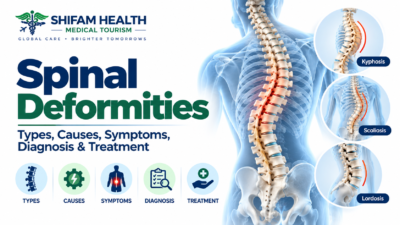
Spinal deformity is a broad category, not one disease — it describes abnormalities of spinal curvature, alignment, rotation,…
- October 1, 2026
- shifamhealth
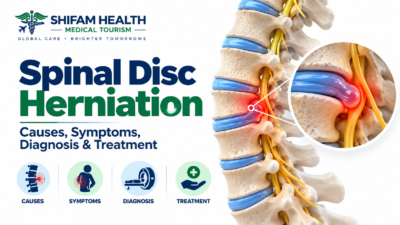
Spinal disc herniation occurs when the soft, gel-like center of an intervertebral disc pushes through a weakened or…