


Home > Blog > Pediatric Bone Marrow Transplant Cost in India: A Complete Guide for International Families
Pediatric Bone Marrow Transplant Cost in India: A Complete Guide for International Families
Filters & Insights
Written By :
Medically Reviewed By :

Shifam Health Medical Team
Shifam Health - Medical Reviews Department
10+ Years Of Experience
Explore pediatric bone marrow transplant cost in India, leading hospitals, donor options, success rates, treatment process, & recovery for international families.
📅
Last updated: July 15, 2026

Written by: Shifam Health Editorial Team Medically reviewed by: Shifam Health partner pediatric hematologist Published: July 2026 | Last updated: July 2026 Sources: PMC/National Library of Medicine, ScienceDirect (peer-reviewed transplant outcomes data), published Indian hospital cost data
Quick Summary
- Pediatric bone marrow transplant (BMT) in India typically costs US $18,000–$45,000 for international patients, depending on transplant type, donor match, and hospital — rising to $45,000–$90,000+ for complex unrelated-donor or haploidentical transplants requiring extended isolation care.
- Thalassemia and sickle cell transplants (matched sibling donor) generally fall in the $25,000–$40,000 range for international patients; peer-reviewed data shows domestic costs at established low-cost centers can be under $15,000, which is why getting a personalized quote matters more than a generic average.
- Published outcomes for matched-sibling-donor transplants in Indian centers show thalassemia-free survival in the 78–84% range, comparable to leading Western institutions — but outcomes depend heavily on disease stage, donor match, and center experience, not a single universal number.
- Hospital stay is typically 4–8 weeks, with a further 3–6 months of monitoring before families can safely return home.
- Shifam Health connects families with pediatric hematology-oncology teams at NABH/JCI-accredited centers in India and provides a personalized cost estimate after reviewing your child’s medical reports — free, and with no obligation.
Your Child Has Been Told They Need a Bone Marrow Transplant. Here’s What That Actually Means.
If a doctor has just told you that your child needs a bone marrow transplant, you’re probably holding two very different kinds of fear at once: fear for your child’s health, and fear about whether you can possibly afford or arrange the treatment they need. Both are valid. Both deserve honest answers.
This guide exists to give you those answers — specifically, what a pediatric bone marrow transplant actually costs in India, what drives that cost up or down, which hospitals have genuine pediatric transplant expertise (not just adult programs that also treat children), and what the entire journey looks like from first consultation to going home. We won’t promise outcomes we can’t guarantee. We will tell you, as clearly as the evidence allows, what families in your position typically face.
India performs a meaningful share of the world’s pediatric BMTs for international families each year, largely because a small number of centers — Tata Memorial Hospital, CMC Vellore, and specialized units at Fortis, Apollo, and BLK-Max among them — have built deep, specific experience in pediatric hematology conditions like thalassemia, sickle cell disease, and childhood leukemia, at a fraction of the cost families face in the US, UK, or Gulf.
Table of Contents
ToggleHow Much Does a Pediatric Bone Marrow Transplant Cost in India?
For international patients, pediatric BMT in India generally costs between $18,000 and $45,000, with more complex cases — particularly those requiring an unrelated or haploidentical (half-matched) donor — running from $45,000 to $90,000 or more. There is no single “correct” number, because the cost depends heavily on the specific diagnosis, the type of transplant, and how the child’s recovery unfolds after the procedure.
Here’s a realistic breakdown by transplant type, based on published Indian hospital and medical tourism pricing data for international patients:
| Transplant Type | Typical International Cost (USD) | Notes |
|---|---|---|
| Autologous BMT (Child’s Own Stem Cells) | $18,000–$24,000 | Used for selected solid tumors, including neuroblastoma and some lymphomas. Not suitable for inherited blood disorders. |
| Allogeneic BMT – Matched Sibling Donor | $22,000–$35,000 | The most common and cost-effective donor transplant when a fully matched sibling is available. |
| Allogeneic BMT – Haploidentical (Half-Matched Parent) | $40,000–$60,000+ | Requires more intensive conditioning and monitoring when no full donor match exists. |
| Matched Unrelated Donor (MUD) Transplant | $45,000–$90,000+ | Includes international donor registry search costs, which can add several thousand dollars. |
| Thalassemia / Sickle Cell BMT (Matched Sibling) | $25,000–$40,000 | One of India’s most established pediatric transplant programs with extensive clinical experience. |
Figures are indicative ranges compiled from published Indian hospital and medical tourism pricing sources for international patients as of 2025–2026, cross-checked against peer-reviewed cost-outcome data. Actual pricing varies by hospital, city, and individual case complexity. Get a personalized estimate after your child’s reports are reviewed — this is the only number that should guide your planning.
Why the range is so wide — and why you should be skeptical of any single confident number
You’ll find websites quoting pediatric BMT “starting at” figures as low as $10,000 and others quoting $50,000+ for what sounds like the same procedure. Both can be true, because they’re often describing different things: domestic Indian pricing versus international patient pricing, a straightforward matched-sibling case versus a complex unrelated-donor case, or a bare procedure cost versus an all-inclusive package covering the full hospital stay, complications, and follow-up.
One useful reference point: peer-reviewed research on low-cost thalassemia BMT programs across Indian centers found a median domestic cost around $11,500 for matched-sibling-donor transplants in patients without major complications — but this reflects local pricing structures, not what an international family arranging care from abroad typically pays once travel coordination, international patient services, and standard hospital markups are factored in. Treat any cost figure you see online — including the ranges in this article — as a starting point for a conversation with a hospital, not a quote.
What’s Actually Included in the Cost — and What Isn’t?
A pediatric BMT quote from a hospital should specify what falls inside the package. In general, the core transplant cost typically includes:
- Pre-transplant diagnostic workup (HLA typing, blood tests, cardiac and imaging evaluation, bone marrow biopsy)
- Donor testing and matching (for allogeneic transplants)
- Conditioning chemotherapy and/or radiation
- The stem cell infusion procedure itself
- Hospital stay in the isolation/BMT unit (typically the largest single cost component)
- Standard medications administered during the inpatient stay
- Routine laboratory monitoring during hospitalization
- Nursing care in the transplant unit
What is commonly billed separately — and what families are frequently surprised by:
- ICU care, if complications require it
- Extended isolation beyond the standard package duration
- Additional blood products (platelets, packed cells) beyond an included allowance
- Medications taken after discharge, including anti-rejection or antimicrobial drugs
- Unrelated donor registry search fees, if applicable
- Travel, visa, and accommodation for the family
- Follow-up consultations and monitoring after the initial discharge period
Ask any hospital for a written, itemized estimate before committing, and specifically ask what happens to the cost if your child develops an infection, graft-versus-host disease (GVHD), or needs a longer isolation period than planned. This is the single most common source of unexpected cost in transplant care anywhere in the world, not just in India.
What Determines the Final Cost of Your Child’s Transplant?
Several factors move the price within and sometimes beyond the ranges above:
Diagnosis and disease stage. A child in early, stable disease generally has a more predictable (and often less expensive) transplant course than one with advanced disease, prior treatment complications, or active infection at the time of transplant.
Type of donor. A matched sibling donor is the most affordable and generally the most established pathway. Haploidentical (half-matched parent) and matched unrelated donor transplants require more intensive conditioning, closer monitoring, and — for unrelated donors — international registry search costs that can add $5,000–$15,000 before the transplant even begins.
Hospital and city. Centers in Delhi NCR, Mumbai, Chennai, and Bangalore tend to carry higher base costs than equivalent programs in smaller cities, though the difference is often offset by the depth of pediatric-specific experience at flagship centers.
Complications. GVHD, infections requiring ICU-level care, or delayed engraftment are the primary drivers of costs exceeding the initial estimate. This is true in every country performing BMT — India is not unique in this respect, but it’s worth planning a financial buffer of 15–20% above your initial quote for this reason.
Length of hospital stay. The isolation period — during which the child’s new immune system is at its most vulnerable — is billed largely on a per-day basis. A straightforward matched-sibling transplant may involve 3–4 weeks of inpatient isolation; a more complex case can extend well beyond that.
What Diseases Bring Families to Pediatric BMT?
| Condition | Why BMT May Be Recommended | Typical Urgency |
|---|---|---|
| Acute Lymphoblastic Leukemia (ALL) | Recommended for high-risk or relapsed cases when chemotherapy alone is unlikely to provide lasting remission. | Time-sensitive after relapse or high-risk diagnosis. |
| Acute Myeloid Leukemia (AML) | Standard treatment for many intermediate- and high-risk pediatric AML patients. | Time-sensitive. |
| Beta Thalassemia Major | The only established curative treatment, avoiding lifelong transfusions and iron chelation. | Best performed early, before iron-related organ damage. |
| Sickle Cell Disease | Curative option for severe disease, especially with a matched sibling donor. | Depends on disease severity. |
| Severe Aplastic Anemia | First-line treatment when a matched donor is available due to the risk of disease progression. | Urgent after diagnosis. |
| Severe Combined Immunodeficiency (SCID) | Often the only treatment capable of restoring a functional immune system. | Highly urgent. |
| Fanconi Anemia | Definitive treatment once bone marrow failure develops, using modified conditioning protocols. | Time-sensitive. |
| Myelodysplastic Syndrome (MDS) | Considered when the risk of progression to leukemia is high. | Case-by-case. |
If your child’s specialist has recommended a transplant, it typically means chemotherapy, transfusion, or other treatments alone are not expected to offer a durable cure or stable long-term control — but the right transplant type, timing, and donor source should always be a conversation with a pediatric hematologist familiar with your child’s specific case, not a decision made from a cost article.
Types of Pediatric Bone Marrow Transplant, Explained
Autologous transplant. The child’s own stem cells are collected before high-dose chemotherapy or radiation, then returned afterward to rebuild the bone marrow. This approach is not suitable for genetic blood disorders like thalassemia (since the child’s own cells carry the underlying defect), but it is used for certain solid tumors.
Allogeneic transplant — matched sibling donor. Stem cells come from a full HLA-matched sibling. This remains the gold-standard donor source for conditions like thalassemia and sickle cell disease, generally carrying the most predictable outcomes and lowest relative cost among donor-based options.
Haploidentical transplant. A half-matched donor — typically a parent — provides the stem cells. Advances in post-transplant conditioning protocols have made this a viable option when no full match exists, though it generally involves closer monitoring and higher relative cost.
Matched unrelated donor (MUD) transplant. Stem cells are sourced through international donor registries when no suitable family match is available. This pathway adds registry search time and cost, and requires hospitals with established international registry partnerships.
Umbilical cord blood transplant. Stem cells from banked cord blood, sometimes used for pediatric patients when other donor sources aren’t available, though matching requirements and cell dose considerations differ from bone marrow or peripheral blood stem cells.
The Pediatric BMT Journey: What to Expect, Step by Step
- Medical report review
Send existing diagnostic reports, blood work, and treatment history for review by the transplant team before travel — this is where an initial cost estimate begins to take shape.
- Donor testing (HLA typing)
Family members are tested to identify a potential matched donor; this can typically be arranged in your home country before travel to save time.
- Pre-transplant evaluation in India
Once you arrive, expect several days of additional testing to confirm your child is medically ready — cardiac function, infection screening, and a final treatment plan confirmation.
- Conditioning
Chemotherapy (sometimes with radiation) over several days to prepare the body to accept the new stem cells and suppress the immune system’s rejection response.
- Transplant day
The stem cell infusion itself is a relatively brief, non-surgical procedure — cells are infused through a central line, similar to a blood transfusion.
- Engraftment period
Over roughly 2–4 weeks, the new stem cells begin producing blood cells; this is the period of highest infection risk, requiring strict isolation.
- Discharge and early recovery
Once blood counts stabilize sufficiently, the child is discharged but typically must remain near the hospital for continued outpatient monitoring for several more weeks.
- Extended monitoring before returning home
Most families need 3–6 months in-country (or nearby) before it’s safe to travel home, with remote follow-up continuing well beyond that.
How Long Does Recovery Actually Take?
The initial hospital stay for a pediatric BMT typically runs 4–8 weeks, depending on transplant type and how smoothly engraftment proceeds. This is followed by an extended period — commonly 3–6 months — during which the child needs to remain accessible to the transplant center for frequent monitoring, since the early months after transplant carry the highest risk of infection and graft-related complications.
Full immune system recovery is a longer process still — many pediatric transplant teams consider a child’s immune system fully “rebuilt” only after 12–24 months, during which routine childhood vaccinations often need to be re-administered on a specific schedule set by the transplant team. Families should plan financially and logistically for this full timeline, not just the initial hospitalization.
What Influences Whether a Transplant Succeeds?
It’s tempting to look for a single success-rate number, but pediatric BMT outcomes genuinely depend on several specific factors, and no honest resource should hand you one number and call it settled.
Published data from Indian centers performing matched-sibling-donor transplants for thalassemia — one of the country’s most established pediatric transplant categories — has shown thalassemia-free survival in the 78–84% range, in line with results reported by leading international programs. For leukemia in early remission, some Indian centers report success rates in the 85–90% range, though outcomes are meaningfully lower for relapsed or advanced-stage disease.
What consistently influences outcomes, across conditions:
- Disease status at transplant — children transplanted in remission or stable disease generally do better than those transplanted during active relapse or advanced disease
- Donor match quality — a full sibling match generally carries a more favorable risk profile than haploidentical or unrelated donor sources
- Age and organ health at transplant — for conditions like thalassemia, transplanting before significant iron-related organ damage accumulates is associated with better outcomes
- Center experience — centers performing a high volume of pediatric transplants for a specific condition tend to have more refined infection-control and complication-management protocols
- Post-transplant adherence — consistent follow-up and medication adherence in the months after discharge meaningfully affects long-term outcomes
Ask any hospital directly what their outcomes look like specifically for your child’s diagnosis, donor type, and disease stage — not a general “success rate” that blends every case they’ve ever treated.
Risks and Complications Families Should Understand
No responsible resource on pediatric BMT should skip this section. A transplant is a serious medical intervention, and understanding the real risks helps families ask better questions and recognize warning signs early.
Graft-versus-host disease (GVHD). In allogeneic transplants, the donor’s immune cells can react against the recipient’s body. Published outcomes data shows a meaningful minority of pediatric transplant patients develop some degree of acute or chronic GVHD; most cases are managed successfully with immunosuppressive treatment, but severe GVHD remains one of the more serious potential complications.
Infection. The period immediately after transplant, before the new immune system is fully established, carries significantly elevated infection risk this is the primary reason for strict isolation protocols and why hospital HEPA-filtered transplant units matter.
Graft failure or rejection. In a minority of cases, the transplanted cells fail to engraft successfully, which may require a second transplant attempt.
Delayed engraftment and bleeding risk. Until new stem cells begin producing sufficient blood cells, children may need blood product support and face elevated bleeding risk.
These risks are real, and they are also why choosing a center with genuine pediatric transplant volume and infection-control infrastructure not simply the lowest quote matters more in this procedure than in almost any other medical tourism category.
Which Hospitals in India Perform Pediatric Bone Marrow Transplants?
A handful of Indian centers have built specific, sustained expertise in pediatric hematology-oncology and transplant medicine distinct from hospitals that primarily perform adult transplants and occasionally treat children.
Fortis Memorial Research Institute, Gurugram. Home to one of India’s most extensive pediatric hematology-oncology and BMT programs, with dedicated pediatric hematologists and a multidisciplinary team spanning infectious disease specialists alongside transplant physicians.
Tata Memorial Hospital, Mumbai. Site of India’s first successful allogeneic bone marrow transplant in 1983, with decades of accumulated experience in pediatric leukemia and blood disorder transplants.
BLK-Max Super Speciality Hospital, Delhi. One of the largest BMT programs in Asia by transplant volume, with dedicated pediatric transplant protocols and HEPA-filtered isolation units.
Apollo Hospitals (multiple cities). A large-scale BMT program performing autologous, allogeneic, haploidentical, and pediatric-specific transplants, with international patient support infrastructure.
CMC Vellore. One of India’s most established centers for thalassemia and sickle cell transplant, with published outcomes data comparable to leading international programs and deep institutional experience in low-resource-adapted, cost-effective transplant protocols.
Manipal Hospitals. An established pediatric and adult BMT program with HEPA-filtered transplant facilities and dedicated international patient coordination.
This is not an exhaustive ranking — it’s a starting point. The right center for your child depends on their specific diagnosis, donor situation, and the specific pediatric hematologist’s experience with that condition, which is why Shifam Health facilitates a direct medical report review with a matched specialist before recommending a center, rather than defaulting to a single “top” hospital for every case.
How to Choose the Right Transplant Center for Your Child
Rather than starting from “which hospital is best,” start from these specific questions:
Does the team have pediatric-specific transplant volume in your child’s exact condition? A center that performs many adult transplants but few pediatric thalassemia cases is a different proposition than one with a dedicated pediatric hematology-oncology unit.
What is the isolation unit infrastructure? HEPA-filtered rooms and strict infection-control protocols are not optional extras for pediatric BMT — ask specifically about the unit’s infection rate data if the hospital is willing to share it.
Is there a dedicated pediatric ICU accessible to the transplant unit? Complications requiring intensive care are a real possibility, and proximity matters.
How is the donor search and HLA typing handled? For unrelated donor cases, ask specifically which international registries the center works with and typical search timelines.
What does international patient support actually include? Visa assistance, accommodation guidance for the extended stay required, interpreter support if needed, and a clear point of contact for medical questions during the multi-month recovery period.
What happens if you need to return home before full recovery is complete? Ask how the center coordinates follow-up care and communicates with hematologists in your home country.
The International Patient Journey with Shifam Health
- Share your child’s medical reports for review by a matched pediatric hematology specialist.
- Receive a specialist opinion on whether transplant is recommended, and which type is likely appropriate.
- Get a personalized cost estimate, based on your child’s specific diagnosis and donor situation not a generic average.
- Video consultation with the recommended specialist to ask questions directly.
- Visa and travel coordination, including guidance on documentation for medical visas.
- Accommodation support for the extended stay the transplant and recovery period require.
- In-country coordination throughout hospital admission, transplant, and the early recovery period.
- Follow-up support as your family transitions toward returning home.
Before You Decide: Questions to Ask and Mistakes to Avoid
Before committing to a center or a treatment plan, it’s worth asking your specialist directly:
- Is a transplant genuinely necessary now, or is there a reasonable case for delaying?
- Given our donor situation, which transplant type is being recommended, and why?
- What specific complications should we be prepared to watch for?
- Realistically, how long will we need to remain in India, including the extended monitoring period?
- What does the cost estimate include, and what would cause it to increase?
And a few patterns worth avoiding, based on what commonly goes wrong for families arranging transplant care internationally:
Choosing a center based on price alone. The cheapest quote is not automatically the wrong choice, but it should prompt the same infrastructure and volume questions above — a low price with an inexperienced pediatric team is a false economy for a procedure this serious.
Delaying donor testing. HLA typing for potential family donors can often begin before you’ve even finalized a hospital, and starting early avoids losing weeks later in the process.
Underestimating the total stay. Planning only for the initial hospitalization, without accounting for the 3–6 month monitoring period, leads to major logistical and financial surprises mid-treatment.
Skipping the “what if something goes wrong” conversation. Ask about complication scenarios and their cost implications before you need the answer, not during a crisis.
Frequently Asked Questions
How much does a pediatric bone marrow transplant cost in India?
International patients typically pay USD 18,000–45,000 for matched sibling donor transplants and USD 45,000–90,000+ for unrelated or haploidentical transplants.
Is bone marrow transplant available for thalassemia and sickle cell disease?
Yes. India has extensive experience treating thalassemia, sickle cell disease, leukemia, and other blood disorders with pediatric BMT.
How long will we need to stay in India?
Most families should plan for 4–8 weeks in hospital and an additional 3–6 months of follow-up before returning home.
What is GVHD?
Graft-versus-host disease (GVHD) is a possible complication of allogeneic transplants where donor cells attack the recipient’s body. Most cases are treatable with immunosuppressive medications.
What is included in the transplant package?
Packages usually include the pre-transplant evaluation, donor testing, chemotherapy, transplant procedure, and hospital stay. ICU care, post-discharge medicines, and donor registry fees may cost extra.
How successful is pediatric BMT in India?
Success depends on the child’s condition, donor match, and transplant center. Leading hospitals report outcomes comparable to international standards for many pediatric diseases.
How is a donor selected?
Doctors first test siblings through HLA matching, followed by parents, relatives, or unrelated donor registries if needed.
What tests are required before transplantation?
Common tests include blood work, HLA typing, bone marrow biopsy, heart evaluation, and imaging.
Do international patients need a Medical Visa?
Yes. Children traveling to India for BMT require an Indian Medical Visa, and accompanying family members can apply for a Medical Attendant Visa.
Can my child continue follow-up after returning home?
Yes. Indian transplant teams coordinate with your local hematologist and provide long-term follow-up through medical reports and teleconsultations.
Need Expert Guidance for Your Child’s Bone Marrow Transplant?
Every family’s situation is different, and the right next step is a specialist review of your child’s actual medical reports — not a generic cost figure from an article.
Shifam Health can help you:
- Get your child’s reports reviewed by a matched pediatric hematology specialist
- Understand which transplant type is realistically being recommended, and why
- Compare hospitals based on genuine pediatric transplant experience in your child’s specific condition
- Receive a personalized, itemized cost estimate before you commit to anything
This is a difficult moment for your family, and our role is to give you clear, honest information so you can make the decision with confidence not to create urgency where none is warranted.
Related reading: Bone Marrow Transplant Hospitals in India | Bone Marrow Transplant Cost in India | Pediatric Liver Transplant India: Top Hospitals & Cost | Sickle Cell Anemia Treatment in India


Popular Posts From Last Week
- October 27, 2026
- Razi Khan
Imagine you have decided to seek a specialist’s opinion from another country. You have laboratory reports, prescriptions, scan…
- October 23, 2026
- shifamhealth
A fluttering chest, a sudden racing heartbeat or a skipped beat can be frightening, and it is hard…
- October 27, 2026
- Razi Khan
Receiving a medical treatment package from a hospital can feel like a major step forward. You have a…
- October 26, 2026
- Razi Khan
Learn how to send large MRI and CT files to an Indian hospital for specialist review. This guide…
- October 25, 2026
- shifamhealth
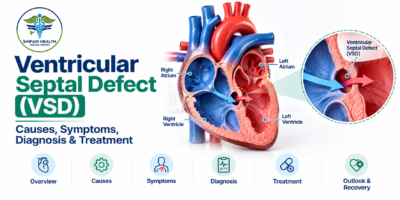
What is a ventricular septal defect? A ventricular septal defect (VSD) is an opening in the wall (septum)…
- October 22, 2026
- shifamhealth
A remote medical second opinion from India allows patients living in the USA, UK and other countries to…
- October 21, 2026
- shifamhealth
When you receive treatment estimates from two hospitals in India, do not compare only the final amounts. To…
- October 22, 2026
- shifamhealth
An itemized hospital quote in India should clearly explain the expected cost of treatment by separating major charges,…