


FESS Sinus Surgery Cost in India (2026): Complete Guide for International Patients
Filters & Insights
Written By :
Medically Reviewed By :

Shifam Health Medical Team
Shifam Health - Medical Reviews Department
10+ Years Of Experience
FESS sinus surgery cost in India ranges from $2,700–$5,500 for international patients. Understand what's included, basic vs extended FESS, and how to plan your trip.
📅
Last updated: July 17, 2026

If you’ve been told you need Functional Endoscopic Sinus Surgery and you’ve started looking at costs, you’ve probably already noticed how much the numbers vary. A hospital in your home country might quote you $8,000. An aggregator site shows “starts from ₹30,000.” A medical tourism platform says $3,500. None of these tell you what you’ll actually pay as an international patient, or what’s included.
This guide cuts through that. It covers real international patient package pricing for FESS surgery in India, explains the variables that move the number up or down, and answers the practical questions that matter most when you’re planning surgery abroad — including how many sinuses your surgery will actually address (which has a bigger effect on both cost and outcome than most pages admit).
Table of Contents
ToggleWhat Is FESS, and Who Needs It?
FESS (Functional Endoscopic Sinus Surgery) is a minimally invasive procedure to treat chronic sinusitis and related sinus conditions that have not responded to medication antibiotics, nasal corticosteroids, antihistamines after typically 12 weeks or more of consistent treatment.
Using a thin, lighted endoscope inserted through the nostril, the surgeon identifies and removes the blockages preventing normal sinus drainage: inflamed tissue, nasal polyps, or bony abnormalities. No incisions are made on the face or skin. The “functional” in the name matters — the goal is to restore how the sinuses are supposed to work, not just to remove tissue.
Conditions FESS treats
- Chronic sinusitis (persistent sinus inflammation lasting more than 12 weeks)
- Nasal polyps (soft tissue growths that block airflow and drainage)
- Recurrent acute sinusitis (4 or more episodes per year that don’t resolve with medication)
- Fungal sinusitis (where medical treatment is insufficient)
- Mucoceles or sinus cysts
- Silent sinus syndrome (a collapse of the maxillary sinus causing facial asymmetry)
FESS is often performed alongside septoplasty (correcting a deviated nasal septum) or turbinate reduction when these structural issues are contributing to the sinus blockage. This is common — many patients who come for chronic sinusitis turn out to also have a deviated septum, and addressing both at once is more efficient and more cost-effective than two separate surgeries.
FESS Sinus Surgery Cost in India: At a Glance
For international patients, FESS surgery in India costs approximately $2,700–$5,500, depending on the scope of the procedure, the hospital, and whether additional procedures like septoplasty are performed.
That range reflects what foreign patients actually pay in all-inclusive packages at NABH and JCI-accredited hospitals — not the domestic Indian prices quoted on Indian insurance aggregator websites (those are significantly lower and don’t apply to international patients).
| Procedure Scope | International Patient Cost (USD) | Approx. INR | Hospital Stay |
|---|---|---|---|
| Basic FESS (4–5 Sinuses) | $2,700–$3,500 | ₹2.25L–₹2.9L | 1–2 days |
| FESS + Septoplasty | $3,500–$5,000 | ₹2.9L–₹4.2L | 1–2 days |
| Extended FESS / TFSE (All Sinuses) | $3,800–$5,500 | ₹3.2L–₹4.6L | 2–3 days |
| FESS + Septoplasty + Image Navigation | $4,200–$5,500 | ₹3.5L–₹4.6L | 2–3 days |
| FESS + Balloon Sinuplasty Hybrid | $4,000–$5,500 | ₹3.3L–₹4.6L | 1–2 days |
These ranges reflect international patient all-inclusive packages and should be verified against actual quotes from partner hospitals before treatment planning.
The Detail Competitors Don’t Tell You: How Many Sinuses?
This is the most important thing to understand before accepting any FESS quote and almost no international-patient website explains it clearly.
The term “FESS” is used loosely across India (and globally). In practice, two very different operations can both be called FESS:
Basic FESS opens 4–5 major sinuses (the ones most commonly blocked). Surgery takes roughly 30–60 minutes. Immediate relief is typical, but published data suggests a recurrence rate of around 70% within three years for this approach when applied to extensive chronic sinusitis.
Extended FESS / TFSE (Total Fronto-Spheno-Ethmoidectomy / “Full-House FESS”) addresses all affected sinuses — sometimes 15–20 or more. Surgery takes 2–4 hours. Long-term success rates are substantially higher (reported in the 80–90% range by experienced ENT centers).
When a surgeon quotes you a lower price, it’s worth asking: How many sinuses are you planning to operate on, and why? The answer tells you more about your likely outcome than the price tag does.
The cost difference between basic and extended FESS is $800–$1,500. For a chronic sinus disease that’s been affecting your sleep, breathing, and quality of life for years, paying for the right scope of surgery the first time is a better decision than saving $1,000 on a procedure that may need repeating.
Add-on technologies that improve precision
| Technology | What It Does | Typical Added Cost |
|---|---|---|
| Image-Guided Navigation System | Provides real-time CT-based surgical mapping, improving accuracy and reducing orbital and skull-base injury risk. | +$600–$700 |
| Microdebrider / Powered Instrumentation | Removes polyps and diseased tissue more precisely with less bleeding. | +$400–$600 |
| Balloon Sinuplasty Component | Gently dilates selected sinus openings during FESS to improve drainage while preserving tissue. | +$700–$900 |
Not all cases need these additions. Your surgeon will recommend them based on your CT scan, specifically if your sinuses are near critical anatomical structures (orbit, skull base, optic nerve area) or if extensive polyp disease is present.
What’s Included (and What’s Extra) in an India FESS Package
Understanding exactly what a quoted price includes prevents the most common source of patient frustration: arriving and discovering additional charges.
Typically included in international patient FESS packages
- Pre-operative consultation (in-person or teleconsultation)
- CT scan of sinuses (essential for surgical planning)
- Routine pre-operative blood tests
- Nasal endoscopy
- Operation theatre charges
- Anesthesia (general or monitored local sedation)
- Surgeon’s fee
- Hospital stay (as per package tier — general, semi-private, or private room)
- Post-operative medications for the immediate hospital stay
- One or two post-operative follow-up consultations
Typically NOT included — confirm these before booking
- Extended hospital stay beyond the standard package duration
- ICU stay (rarely needed for FESS but applicable if complications arise or the patient has cardiac/respiratory conditions)
- Image-guided navigation system (if added based on intraoperative assessment)
- Microdebrider charges (variable — some packages include, some don’t)
- Extended rehabilitation sessions
- Saline nasal irrigation equipment (advised post-operatively)
- Travel, visa, and accommodation costs
- Post-discharge medications taken after leaving hospital
The right thing to do: ask the hospital coordinator to provide a written breakdown distinguishing “included in quoted price” from “charged if used/needed.” Most international patient departments at major Indian hospitals will do this without hesitation.
India vs Other Countries: Why the Savings Are Substantial
| Country | Approximate FESS Cost | Wait Time | Notes |
|---|---|---|---|
| India | $2,700–$5,500 | 1–3 weeks | Comprehensive packages at JCI/NABH-accredited hospitals with strong value for international patients. |
| United States | $10,000–$20,000 | 2–6 weeks | Insurance significantly affects out-of-pocket costs; self-pay expenses vary widely. |
| United Kingdom | $7,000–$12,000 | 6–18 months (NHS) or immediate (private) | Lengthy NHS waiting lists make private treatment in India a cost-effective alternative. |
| UAE | $5,000–$9,000 | 2–4 weeks | Higher overall treatment and travel costs despite convenient regional access. |
| Saudi Arabia | $4,500–$8,000 | 2–6 weeks | Limited medical tourism infrastructure compared with India. |
| Singapore | $6,500–$11,000 | 2–4 weeks | High-quality care but typically costs 2–3× more than India. |
The reasons for India’s cost advantage are structural: lower hospital operating costs, high surgical volume (which keeps per-procedure costs down), a favorable currency exchange rate for patients paying in USD, GBP, or AED, and a large pool of ENT surgeons with international training who practice domestically.
The surgical technology and implants used in top Indian hospitals are the same as those in US and UK hospitals. The quality gap that patients sometimes worry about applies to poorly-credentialed facilities — not to NABH or JCI-accredited hospital groups.
Factors That Determine Your Final FESS Quote
Several variables explain why two patients with chronic sinusitis can receive quotes $1,500 apart:
Scope of surgery. As covered above, this is the biggest single cost driver. Basic FESS vs extended FESS/TFSE vs combined procedures is the most significant variable.
City. Delhi/NCR, Mumbai, and Bangalore have slightly higher costs than Chennai, Hyderabad, and Pune, reflecting real estate and operating cost differences. For FESS specifically, the cost differential between cities is usually $300–$600 — meaningful, but not the dominant factor.
Hospital tier. A JCI-accredited super-specialty hospital charges more than a NABH-only accredited hospital. Both are safe; the difference is often in room comfort, coordinator support, and brand premium.
Surgeon experience and designation. Senior consultants and heads of ENT departments typically charge 30–50% higher surgeon’s fees than junior consultants at the same hospital. For straightforward FESS in a patient with moderate chronic sinusitis, a less senior surgeon with good case volume is appropriate. For revision cases (previous sinus surgery failed), patients with complex anatomy, or cases involving skull base proximity, more experienced surgeons are worth the premium.
Additional procedures. Septoplasty adds approximately $800–$1,500. Turbinate reduction adds $400–$700. Balloon sinuplasty component adds $700–$900.
Room type. Private rooms vs semi-private vs general ward is a comfort choice; it adds $100–$300 per day and doesn’t affect surgical outcomes.
City-by-City Cost Reference
| City | Typical FESS Package (International USD) | Key Hospitals |
|---|---|---|
| Delhi / NCR | $3,000–$5,000 | Apollo Hospitals, Max Healthcare, BLK-Max, Medanta – The Medicity, Artemis Hospital |
| Mumbai | $3,200–$5,500 | Kokilaben Hospital, Lilavati Hospital, Fortis Mulund, Nanavati Hospital |
| Hyderabad | $2,700–$4,500 | KIMS Hospitals, Yashoda Hospitals, Apollo Hospitals Hyderabad |
| Chennai | $2,800–$4,500 | Apollo Hospitals Chennai, Gleneagles Global Health City, Manipal Hospitals |
| Bangalore | $2,900–$4,800 | Manipal Hospital Bengaluru, Fortis Bangalore, NIMHANS |
Hyderabad and Chennai represent good value without sacrificing accreditation or surgical quality. Delhi and Mumbai have the widest choice of senior ENT specialists for complex cases.
How FESS Surgery Works: What to Expect
You don’t need to know every instrument name to make an informed decision, but a clear procedural picture helps reduce pre-surgery anxiety.
Before surgery (1–2 days): A CT scan of your sinuses is the most critical pre-operative step — your surgeon maps the entire procedure against your CT anatomy before touching an instrument. You’ll also complete blood tests, an anesthesia assessment, and a nasal endoscopy.
During surgery (45 minutes to 3+ hours, depending on scope): You’re under general anesthesia for most FESS cases, though some surgeons perform limited procedures under monitored local sedation. The surgeon uses a 0° or 30° endoscope through the nostril to visualize the affected sinuses, then removes blocking tissue, polyps, or bony obstructions with micro-instruments or a powered debrider. No incisions are made externally. A nasal pack or absorbable splint may be placed inside the nose at the end.
Recovery in hospital (1–2 days): Most patients spend 1 night in hospital. You’ll have mild bleeding and congestion, and the nasal pack (if used) is typically removed within 24–48 hours. Saline irrigation starts before or shortly after discharge.
After discharge: The first post-operative week involves rest, saline irrigation several times daily, and avoiding nose-blowing, heavy lifting, and air travel. Most patients can walk normally and function at home within 3–5 days. Office work resumes around day 7–10. Physical activity restarts at 3–4 weeks.
Recovery After FESS: Realistic Timeline
| Timeframe | What to Expect |
|---|---|
| Days 1–3 | Nasal congestion, mild bleeding, and fatigue are common. Sleep with your head elevated. Pain is usually mild and controlled with paracetamol or ibuprofen. |
| Days 4–7 | Crusting and light nasal discharge develop as healing begins. Saline irrigation is essential. Some patients breathe better, while others remain congested. |
| Weeks 2–3 | Breathing improves as swelling decreases. Avoid strenuous exercise and dusty environments. The first post-operative endoscopic review is usually scheduled. |
| Weeks 4–6 | Most patients return to normal activities. Crusting and post-operative inflammation usually resolve by the end of this period. |
| 3–6 Months | Final results are assessed, including breathing, sense of smell, and reduced sinus infections. Healing and symptom improvement continue to mature. |
When is it safe to fly? Most surgeons recommend waiting 7–10 days before flying, once initial healing is confirmed at a follow-up endoscopy. Cabin pressure changes during flights can cause discomfort and minor bleeding if the nasal lining hasn’t had time to settle. Confirm this with your surgeon before booking your return flight.
Risks and What to Watch For
FESS is considered a safe, well-established procedure. Complication rates at experienced centers are low — published rates for major complications are generally below 1–2%, and minor complications (temporary crusting, minor bleeding, smell disturbance) are more common but self-limiting.
Minor, expected issues:
- Nasal congestion for 2–4 weeks while lining heals
- Mild crusting and post-nasal drip
- Temporary reduction in smell (usually improves)
- Minor bleeding in the first 24–48 hours
Rare but serious complications (discuss with your surgeon):
- Orbital injury (injury to eye socket — rare; image-guided navigation reduces this risk)
- CSF leak (very rare; breach of the skull base — requires immediate repair)
- Recurrence of sinusitis or polyps (common with basic FESS in polyp patients; less so with extended FESS and appropriate post-operative medical management)
Preventing recurrence is as important as the surgery itself. Most ENT surgeons will prescribe nasal corticosteroid sprays after healing, and patients with underlying allergic disease or asthma benefit from allergy management alongside surgery. This post-operative medical regime doesn’t cost much, but skipping it is the most common reason FESS “doesn’t work” in the long run.
FESS vs Balloon Sinuplasty vs TFSE: Choosing the Right Approach
| Feature | Basic FESS | Balloon Sinuplasty | Extended FESS / TFSE |
|---|---|---|---|
| Approach | Endoscopic surgery with targeted tissue removal. | Balloon catheter expands sinus openings without removing tissue. | Endoscopic surgery treating all sinus cavities. |
| Procedure Duration | 30–90 minutes | 45–75 minutes | 2–4 hours |
| Best Suited For | Moderate sinusitis and nasal polyps. | Mild-to-moderate sinusitis without large polyps. | Extensive sinus disease, polyps, and revision surgery. |
| Recovery | 1–2 weeks | 3–7 days | 2–3 weeks |
| India Cost (International) | $2,700–$3,500 | $1,800–$3,200 | $3,800–$5,500 |
| Long-Term Outcome | Good for localized disease. | Excellent for carefully selected patients. | Higher success rates for complex or widespread disease. |
The right choice depends entirely on your CT scan findings and the extent of your disease — not on which procedure is cheaper. Your surgeon’s recommendation should be based on your anatomy, not on your budget preference.
International Patient Journey: Planning Your FESS Trip to India
Step 1 — Share your records for a pre-departure evaluation
Send your CT scan of sinuses, any nasal endoscopy report, and your recent ENT consultation notes to the hospital’s international patient department. They’ll share your case with the relevant ENT surgeon for review and provide a written cost estimate before you book travel.
Step 2 — Medical visa
Most international patients require an Indian Medical Visa (M-Visa). Your hospital will provide a formal invitation/treatment confirmation letter once your case is reviewed. The application itself is processed at your nearest Indian embassy or consulate. Processing times vary by country — typically 3–10 working days.
Need clarity on the process for your country? → See our guides on Medical Visa from [Bangladesh], [UAE], [Nigeria], [Kenya], or the [General India Medical Visa Guide]. (Internal links to be added)
Step 3 — Travel and arrival
Most major Indian cities have direct or one-stop connections from Dhaka, Dubai, Riyadh, Lagos, Nairobi, and Addis Ababa. The hospital’s international patient coordinator can arrange or recommend airport pickup. The transfer from Delhi or Mumbai airport to most major hospitals takes 30–60 minutes.
Step 4 — Pre-operative workup (Day 1)
If you haven’t had a recent CT scan, it will be done on arrival. Blood tests and anesthesia clearance are completed the same day or the next morning. Your surgeon will do an in-person endoscopic assessment and confirm the surgical plan.
Step 5 — Surgery and hospital stay (Days 2–3)
Most FESS procedures at private hospitals are scheduled within 24–48 hours of admission. Hospital stay is typically 1–2 nights.
Step 6 — Post-operative recovery stay in India (Days 4–10)
Plan to remain in India for approximately 7–10 days after surgery for your first follow-up endoscopy and confirmation that healing is progressing normally before flying. This is the period when nasal irrigation, rest, and initial healing set up your long-term outcome.
Language and support
Most major international patient departments have coordinators who speak Arabic, Bengali, and French alongside English. Halal food options are available at hospitals across India, especially in Delhi, Mumbai, and Hyderabad. Bring a list of your current medications and any allergy history in English if possible.
Frequently Asked Questions
How much does FESS sinus surgery cost in India?
International patients typically pay USD 2,700–5,500, depending on the complexity of surgery, hospital, and whether procedures like septoplasty are included.
Is FESS surgery safe in India?
Yes. FESS is routinely performed at NABH- and JCI-accredited hospitals by experienced ENT surgeons with high success rates and low complication risks.
How long should I stay in India for FESS surgery?
Plan to stay 10–14 days, including pre-operative evaluation, surgery, recovery, and your first follow-up endoscopy before flying home.
Can FESS be combined with septoplasty?
Yes. Septoplasty or turbinate reduction can be performed during the same surgery if required, reducing the need for a second procedure.
When can I fly after FESS surgery?
Most patients are cleared for air travel 7–10 days after surgery once healing is confirmed by their ENT surgeon.
Will FESS permanently cure chronic sinusitis?
FESS significantly improves breathing and sinus symptoms, but patients with allergies or nasal polyps may still require ongoing medical treatment.
What is image-guided FESS?
Image-guided surgery uses CT-based navigation to improve precision during complex or revision sinus surgery and may be recommended for extensive disease.
Which city in India is best for FESS surgery?
Delhi, Mumbai, Chennai, and Hyderabad offer experienced ENT specialists, advanced technology, and internationally accredited hospitals.
Do I need a Medical Visa for FESS surgery in India?
Yes. International patients require an Indian Medical Visa, supported by a hospital invitation letter and relevant medical documents.
Can I get an online consultation before traveling?
Yes. Most leading Indian hospitals offer teleconsultations after reviewing your CT scan and medical reports, helping you receive a treatment plan and cost estimate before travel.
How Shifam Health Can Help
Planning surgery in another country involves more than just the medical decision — it involves reports review, hospital shortlisting, cost comparison, visa documentation, and coordinating travel around your recovery schedule.
Shifam Health provides this coordination at no cost to patients. When you share your CT scan and reports with us:
- We forward your case to relevant ENT specialists at partner hospitals for review
- We obtain itemized cost estimates from 2–3 hospitals for comparison
- We arrange a teleconsultation with the surgeon before you commit
- We assist with the medical visa invitation letter
- We coordinate airport pickup and accommodation recommendations
- We support remote follow-up after you return home
There’s no fee for using Shifam Health — our service is funded by partner hospitals, not patients.
Deciding to travel for surgery takes courage, and it deserves better information than most websites provide. If you have a CT scan and want to know whether the quote you’ve received is accurate, what scope of FESS is appropriate for your condition, and what to realistically expect, send us your reports on WhatsApp or through our inquiry form. We’ll share a transparent assessment within 24 hours — no commitment required.


Popular Posts From Last Week
- October 23, 2026
- shifamhealth
A fluttering chest, a sudden racing heartbeat or a skipped beat can be frightening, and it is hard…
- October 25, 2026
- shifamhealth
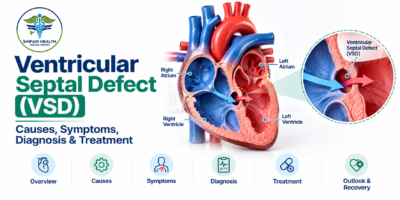
What is a ventricular septal defect? A ventricular septal defect (VSD) is an opening in the wall (septum)…
- October 22, 2026
- shifamhealth
A remote medical second opinion from India allows patients living in the USA, UK and other countries to…
- October 21, 2026
- shifamhealth
When you receive treatment estimates from two hospitals in India, do not compare only the final amounts. To…
- October 22, 2026
- shifamhealth
An itemized hospital quote in India should clearly explain the expected cost of treatment by separating major charges,…